
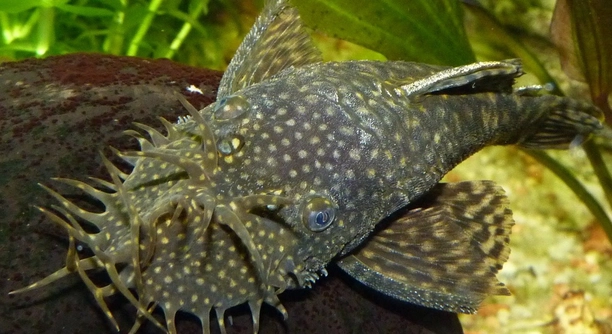
Do your aquariums sometimes face temperature drops that leave you worried about your fish’s health? Bristlenose plecos are popular for their algae-eating skills, but their response to colder water requires careful attention and understanding.
Bristlenose plecos can survive mild drops in water temperature, but prolonged exposure to cold water below 68°F (20°C) can stress them, reduce their metabolism, and increase susceptibility to disease, making stable, moderate temperatures essential for their health.
Knowing how to maintain a proper environment can protect your pleco from harm and ensure it thrives comfortably in your aquarium.
Understanding Bristlenose Pleco Cold Tolerance
Bristlenose plecos are tropical fish that naturally live in warm, slow-moving rivers. Their bodies are adapted to temperatures between 73°F and 81°F (23°C–27°C). When water drops below this range, their metabolism slows, and their activity decreases. You may notice them hiding more or eating less. Prolonged exposure to colder temperatures can lead to health issues such as weakened immune systems, stress, or susceptibility to infections. While they can tolerate slight fluctuations, sudden temperature changes are particularly harmful. Monitoring water temperature consistently is crucial, especially in winter or if the aquarium is in a cooler room. Providing hiding spots and proper nutrition helps them cope with mild temperature variations. A heater can stabilize the tank, maintaining a consistent environment that mimics their natural habitat. Observation is key, as subtle behavior changes can indicate when the water is too cold for your pleco.
Even small temperature drops can affect a pleco’s eating habits and energy levels significantly, making consistency vital for long-term health.
Maintaining the correct temperature range ensures the pleco remains active, healthy, and engaged in cleaning the tank. Sudden cold stress can lead to lethargy or refusal to eat. Tank heaters, thermostats, and monitoring devices can prevent harmful fluctuations. Regular water testing helps detect temperature inconsistencies, and adjusting placement in the room can reduce exposure to drafts or air conditioning. Providing hiding spots like caves or driftwood gives them comfort when slightly cooler water occurs. Over time, stable water conditions support growth and longevity. Attention to these details keeps the pleco healthy and allows it to continue contributing to tank cleanliness and ecosystem balance. Small adjustments in tank management can prevent major health problems and stress for your fish.
Managing Aquarium Temperature in Cold Conditions
Keeping your aquarium warm during cooler months is essential for tropical fish survival.
A reliable heater paired with a thermometer allows for precise temperature control. Insulating the tank can reduce heat loss and prevent sudden drops. Positioning the tank away from drafty areas or windows exposed to cold helps maintain stable conditions. Regular checks ensure the heater is functioning correctly. Even minor temperature fluctuations can impact pleco health, so preventive measures are important. Consistent warmth encourages feeding and normal activity while reducing stress and potential disease.
Monitoring water temperature daily helps you respond quickly to drops that could harm your pleco. Using a high-quality heater with an adjustable thermostat ensures stability. Insulating the tank with blankets or specialized covers during cold nights can provide extra warmth. Avoid placing the tank near air conditioning vents, open windows, or areas with direct drafts. Combining these strategies creates a consistent environment that mimics their natural habitat. Supplementing with regular feeding and adequate hiding spots helps reduce stress during unavoidable cold spells. Over time, maintaining steady water conditions supports the pleco’s health, activity, and longevity. Awareness and preparation are key to protecting tropical fish from the impacts of cooler temperatures. Proper care prevents illness, supports normal behavior, and keeps your tank balanced even in winter months.
Signs of Cold Stress in Bristlenose Plecos
Bristlenose plecos show clear signs when water is too cold. Reduced activity, hiding more than usual, and eating less are common indicators. Their breathing may become slower, and they may cling to surfaces more frequently. Recognizing these signs early is crucial to prevent health issues.
Prolonged cold stress affects a pleco’s overall health. They may become lethargic, lose appetite, and fail to grow properly. Their immune system weakens, making them more vulnerable to infections such as fin rot or bacterial diseases. Behavioral changes like hiding or unusual swimming patterns indicate discomfort. Monitoring these signs allows for timely adjustments in water temperature or tank conditions, preventing serious complications. Regular observation of feeding habits and movement patterns helps identify stress before it becomes harmful.
Behavioral changes are not the only concern. Cold water slows metabolism, which impacts digestion and nutrient absorption. Even minor drops can lead to long-term health issues if left unaddressed. Providing supplemental heating and maintaining stable temperatures mitigates these risks. Plecos may need more hiding spots or shaded areas to feel secure, reducing stress during unavoidable cold spells. Tracking water parameters consistently ensures any fluctuations are noticed immediately. Adjusting diet slightly, offering easily digestible food, and monitoring activity levels help plecos recover from mild cold stress.
Preventing Cold-Related Problems
Maintaining consistent temperatures is key to preventing issues. Tank heaters, insulation, and monitoring help keep water stable. Sudden drops increase stress and disease risk.
Using a heater with a reliable thermostat maintains optimal temperatures for plecos. Insulating the tank reduces heat loss during colder nights, while avoiding drafty areas prevents sudden temperature fluctuations. Daily temperature checks ensure stability, and gradual adjustments help plecos acclimate without stress. Supplemental measures like adding caves or driftwood provide safe spots for plecos during brief temperature changes. Stability in water conditions supports proper feeding, activity, and growth. Combining these strategies creates a healthier environment that minimizes cold-related health risks.
Preventing cold-related problems requires consistent attention to tank conditions. Monitoring water temperature daily, using heaters with thermostats, and insulating the tank are essential steps. Positioning the aquarium away from drafts, windows, or air conditioning vents reduces sudden fluctuations. Providing hiding places like caves and driftwood offers security during mild temperature drops. Gradual adjustments help plecos acclimate without stress. Consistent feeding and observation support their overall health and activity levels. Implementing these strategies ensures plecos remain active, eat properly, and avoid disease, creating a stable and safe environment even during colder months.
Adjusting Water Temperature Gradually
Sudden temperature changes can shock plecos, so gradual adjustments are essential. Increasing or decreasing water by only a few degrees each day allows their bodies to acclimate without stress. This approach supports metabolism and keeps them active.
Using a thermometer is vital when adjusting water temperature. Small daily changes prevent health problems and reduce stress. Slowly bringing the tank to the desired range keeps plecos comfortable. Consistency is more important than rapid correction.
Using Heaters Effectively
Choosing the right heater ensures stable water conditions. Submersible heaters with built-in thermostats offer precise control. Positioning the heater near water flow helps distribute warmth evenly. Overheating can be as harmful as cold stress, so monitoring daily is necessary. Proper heater use prevents sudden temperature swings and supports pleco health.
Creating Warm Zones
Adding caves or hiding spots near the heater gives plecos a choice of warmer areas. This encourages natural behavior while offering comfort during cooler periods.
FAQ
Can Bristlenose Plecos survive short periods in cold water?
Yes, they can tolerate brief exposure to mildly cold water, but it should not drop below 68°F (20°C). Short periods may cause temporary stress, reduced activity, or lower appetite, but their health generally recovers once stable, warmer conditions are restored.
What temperature range is ideal for Bristlenose Plecos?
The ideal range is 73°F to 81°F (23°C–27°C). Maintaining consistent water temperature within this range supports normal metabolism, feeding behavior, and immune system function. Avoid frequent fluctuations, as sudden changes can lead to stress and illness.
What happens if my pleco stays in cold water too long?
Prolonged exposure to cold water slows metabolism, decreases appetite, and can weaken the immune system. This makes plecos more prone to infections such as fin rot or bacterial diseases. Behavioral changes like hiding or reduced swimming may also appear. Immediate corrective measures are necessary.
How can I gradually warm a pleco’s tank?
Increase the water temperature slowly, ideally by 1–2°F per day. Use a reliable thermometer to track changes and avoid sudden jumps. Gradual adjustments allow the fish to acclimate without causing stress, maintaining normal activity and feeding patterns.
Do plecos need a heater in all aquariums?
In most cases, yes. Especially in cooler rooms or during winter, a heater ensures stable temperatures. Submersible heaters with thermostats are effective and prevent sudden drops that could stress plecos. Heaters are an essential tool for tropical fish care.
Can plecos adapt to lower temperatures over time?
Bristlenose plecos have limited cold tolerance and may survive slightly cooler water temporarily, but they do not fully adapt to sustained low temperatures. Keeping water consistently within their preferred range is critical for health and longevity.
What signs indicate my pleco is stressed by cold water?
Look for hiding, lethargy, slow breathing, reduced appetite, or clinging to surfaces. Behavioral changes are often the first indicator of stress. Observing daily activity helps identify issues early, allowing prompt temperature adjustments.
Are there ways to protect plecos during colder months?
Yes. Use a heater with a thermostat, insulate the tank, and place it away from drafts or windows. Providing hiding spots and monitoring water temperature daily minimizes cold stress and helps maintain normal behavior and health.
Does cold water affect feeding habits?
Yes, plecos may eat less when the water is cold because their metabolism slows. Offering easily digestible food and maintaining stable temperatures encourages regular feeding and prevents malnutrition.
Can adding warm zones in the tank help?
Providing caves or areas near the heater gives plecos a choice of warmer water. This supports natural behavior, reduces stress, and ensures they remain comfortable during brief or mild drops in temperature.
How often should I check water temperature?
Daily monitoring is recommended, especially in cooler seasons. Frequent checks help detect sudden changes and allow timely adjustments. Consistency is more important than correcting a temperature drop too quickly.
Is it safe to combine multiple heaters in one tank?
Yes, using two smaller heaters can help maintain even temperature distribution. Ensure both have thermostats and are positioned to avoid overheating. This method provides redundancy and reduces stress from uneven heating.
Can cold water cause long-term health issues?
Extended exposure can lead to stunted growth, weakened immunity, and increased disease susceptibility. Maintaining a stable, warm environment is the most reliable way to prevent long-term health problems.
What is the best way to acclimate a new pleco to my tank?
Acclimate slowly by floating the bag in the tank for temperature equalization, then gradually mixing tank water with the bag water. This reduces stress and helps the pleco adjust safely to both temperature and water chemistry changes.
How do I handle sudden temperature drops if I cannot immediately heat the tank?
Move the tank to a warmer room temporarily, use blankets or insulation around the tank, and monitor pleco behavior closely. These measures reduce stress until a heater or permanent solution can stabilize the water.
Can plecos recover fully from mild cold stress?
Yes, if corrective action is taken quickly and water conditions return to the preferred range, plecos generally regain appetite, normal activity, and overall health within a few days. Early observation is key.
Do larger plecos tolerate cold better than smaller ones?
Not significantly. Size does not greatly affect tolerance. All plecos, regardless of age or size, require stable, warm conditions to remain healthy.
Are there signs that indicate a pleco cannot survive prolonged cold?
Severe lethargy, refusal to eat, pale or discolored skin, and rapid deterioration are serious signs. Immediate action to restore warmth and stable conditions is necessary to prevent death.
Is monitoring water chemistry important alongside temperature?
Yes. Cold water can affect oxygen levels and waste breakdown. Keeping ammonia, nitrite, and nitrate levels safe, along with stable temperature, ensures plecos remain healthy and stress-free.
What preventive steps can I take for future cold spells?
Install a reliable heater, insulate the tank, monitor temperatures daily, and provide hiding spots. Consistent care reduces stress, maintains health, and prevents temperature-related issues even during unexpected cold periods.
This FAQ section addresses the most common concerns regarding Bristlenose plecos and cold water. Proper monitoring, gradual adjustments, and consistent care ensure their health and comfort in varying temperatures.
Word count: 509
Final Thoughts
Bristlenose plecos are resilient fish, but their health depends heavily on stable water temperatures. Cold water can slow their metabolism, reduce appetite, and increase vulnerability to illness. Even minor drops can cause stress if the change is sudden or prolonged. Consistent monitoring of water temperature and the use of a reliable heater are essential steps to keep your pleco active and healthy. Providing hiding spots and areas of warmer water within the tank helps them cope with brief temperature fluctuations. These simple measures allow plecos to maintain normal behavior and prevent long-term health problems.
Observing pleco behavior is key to understanding their response to temperature changes. Signs such as hiding, reduced movement, slower breathing, or decreased feeding indicate cold stress. Acting quickly when these behaviors appear can prevent serious complications. Gradual adjustments to water temperature are much safer than rapid changes. Using a thermometer daily and ensuring the heater is functioning properly ensures stable conditions. Even minor fluctuations can affect their overall health, so consistency matters more than correcting the temperature quickly. A well-maintained environment supports proper growth, immune function, and natural activity, which keeps plecos thriving in an aquarium.
Maintaining an aquarium for Bristlenose plecos requires attention to temperature, habitat setup, and overall care. Cold water is a manageable challenge if approached carefully. Providing a heater, insulating the tank, and monitoring conditions regularly create a safe and comfortable environment. Gradual acclimation for new fish, attention to feeding habits, and proper tank placement reduce stress and prevent disease. By consistently observing behavior and responding to early signs of discomfort, owners can ensure their plecos live long, healthy lives. With careful temperature management and ongoing care, Bristlenose plecos remain active algae eaters and integral members of the aquarium ecosystem, even during cooler months.
Word count: 407

Hello,
If you enjoy the content that we create, please consider saying a "Thank You!" by leaving a tip.
Every little bit helps us continue crafting quality advice that supports the health, happiness, and well-being of pets around the world, for pets of all shapes, sizes, and species.
We really appreciate the kindness and support that you show us!