
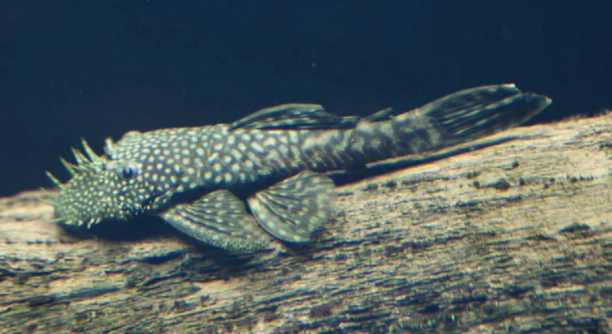
Do your Bristlenose Plecos seem to spend a lot of time near the same food spots in your tank? Observing their feeding habits can reveal patterns and behaviors that may affect how they share resources in captivity.
Bristlenose Plecos can coexist at the same food areas, but territorial behavior may arise depending on tank size, number of fish, and available hiding spaces. Careful monitoring and adequate space reduce competition and ensure healthier feeding interactions.
Understanding their dynamics around feeding zones helps maintain a peaceful aquarium environment and supports the well-being of all your Plecos.
Understanding Bristlenose Pleco Feeding Behavior
Bristlenose Plecos are generally peaceful fish, but their feeding habits are influenced by tank setup, available food, and their natural instincts. They are nocturnal by nature, often becoming more active during the night, which can affect how they share food areas. In tanks with multiple Plecos, each fish may claim its own preferred spot. Some fish can become territorial if food is limited or if hiding places are scarce. Providing plenty of algae wafers, fresh vegetables, and sinking pellets can reduce competition. Observing them over time helps you notice patterns, such as which fish tends to dominate certain areas and which prefer quieter spots. Tank decorations like caves, driftwood, and plants give them alternative feeding and resting zones, helping minimize conflicts. Adjusting feeding times and quantities ensures all Plecos get enough nutrition without stressing the more submissive fish, promoting a balanced and healthy aquarium environment.
Feeding them at consistent times helps establish routine and reduces unnecessary competition for food.
Tracking these patterns and adjusting tank layout or feeding practices can prevent aggression and encourage cooperative feeding among multiple Plecos.
Tank Setup and Space Considerations
A well-structured tank reduces territorial behavior and supports peaceful co-feeding.
Tank size, hiding places, and water conditions play a major role in how Bristlenose Plecos interact. Smaller tanks with limited spaces tend to increase competition, while larger setups allow fish to spread out and choose separate feeding zones. Adding driftwood, rocks, and caves creates distinct areas for Plecos to explore and feed, decreasing stress and aggression. Soft substrate and gentle filtration also provide comfort, making fish more likely to share areas without conflict. Monitoring water parameters, like pH and temperature, ensures that the fish remain healthy and active. Proper lighting that mimics their natural cycle encourages natural behavior and helps manage feeding periods. Overcrowding is a common issue in community tanks, so maintaining an appropriate fish-to-space ratio is essential. By designing the tank thoughtfully and providing multiple feeding spots, you can create an environment where Plecos coexist peacefully, share resources, and thrive in their habitat without constant disputes over food.
Managing Food Portions
Controlling how much food you provide can prevent competition and stress among Bristlenose Plecos. Small, frequent portions ensure that each fish gets enough nutrition without triggering territorial behavior.
Offering multiple feeding spots with measured amounts allows Plecos to eat simultaneously. Using sinking pellets or wafers helps reach bottom-dwelling fish, while fresh vegetables can be placed in separate areas. Observing how each fish reacts helps adjust portions and feeding locations. Overfeeding can lead to water quality issues, while underfeeding increases aggression. By balancing quantity and distribution, you maintain harmony in the tank and support healthy growth and activity levels among all Plecos.
Consistent portioning encourages predictable behavior, helping Plecos settle into shared feeding areas. Monitoring leftovers allows quick adjustments, ensuring no fish is left hungry or stressed.
Even when Plecos share the same tank, some will naturally eat faster than others. Watching these interactions reveals which fish are more dominant and which are more reserved. Adjusting feeding locations or adding extra food in quiet corners helps reduce stress on less assertive fish. Providing variety in diet also prevents conflicts, as Plecos can focus on different food sources rather than competing for a single item. Over time, they learn to coexist and share areas more efficiently, especially when resources are sufficient and well-distributed.
Observing Social Dynamics
Noticing how Plecos interact helps prevent feeding disputes and maintain a peaceful tank. Careful observation reveals natural hierarchies and preferences.
Some Plecos will naturally claim certain spots, while others prefer to feed nearby without confrontation. Dominant fish may push others away, but with adequate space and resources, most fish adjust and find their own areas. Observing these patterns allows you to identify which fish need more space or separate feeding times. Adjusting tank décor and adding hiding spots gives more reserved Plecos confidence to eat without stress. Paying attention to these subtle cues helps maintain harmony, reduces injuries, and ensures all fish are healthy and well-fed.
Tracking social dynamics over weeks can show how Plecos adapt to changes, such as new additions or modifications in feeding routines. Some fish are bolder, asserting dominance over prime feeding zones, while others gradually accept alternative spots. By rotating feeding areas or adding extra resources, you prevent repeated conflicts. Social hierarchy is normal, but careful monitoring ensures it does not escalate into aggressive behavior. Observing interactions also helps spot signs of illness or malnutrition early, as stressed or weaker fish may avoid food or hiding spots. Maintaining a balanced environment supports both physical health and positive social behavior, making co-feeding smoother for all Plecos.
Feeding Schedule Tips
Establishing a consistent feeding schedule reduces competition among Bristlenose Plecos. Feeding at the same times each day helps fish anticipate meals and decreases stress, allowing them to share food areas more peacefully.
Nighttime feedings are often more effective, as Plecos are naturally more active after lights go out. Providing food when they are most alert encourages balanced eating and minimizes dominance disputes.
Choosing the Right Foods
Selecting appropriate foods supports healthy sharing and reduces territorial disputes. Algae wafers, sinking pellets, and fresh vegetables meet nutritional needs while encouraging natural grazing behavior. Offering variety prevents boredom and ensures all fish find something to eat without intense competition. Monitoring intake helps adjust portions and types of food over time.
Avoiding Overcrowding
Too many Plecos in a single tank can create constant competition and stress, leading to feeding conflicts. Maintaining a proper fish-to-space ratio is essential for harmony and ensures that all fish can access food comfortably.
FAQ
Can multiple Bristlenose Plecos eat from the same spot without fighting?
Yes, they can, but it depends on tank size, hiding spots, and the number of fish. In a larger tank with several caves or driftwood pieces, most Plecos will share feeding areas peacefully. If food is plentiful and spread out, dominant fish are less likely to chase others away. Observing their behavior over time helps identify potential conflicts and allows you to make adjustments, such as adding extra feeding areas or providing more vegetables and pellets in different spots.
How many Plecos can I safely keep in one tank?
A good rule is one adult Bristlenose Pleco per 20 gallons, with additional space for hiding and swimming. Overcrowding increases stress and aggression, especially during feeding. Providing multiple hiding spots and evenly distributing food reduces tension and encourages peaceful co-feeding.
What types of food do Plecos prefer?
Bristlenose Plecos enjoy algae wafers, sinking pellets, blanched vegetables like zucchini or cucumber, and occasional protein-based treats. Offering a variety ensures each fish finds something to eat without competing over a single food source. Rotating foods can also improve overall nutrition and reduce boredom.
Is it normal for some Plecos to eat faster than others?
Yes. Some fish are naturally bolder or more dominant, and they may finish food quickly while others are slower. Providing multiple feeding points helps slower fish get their share. Observing feeding behavior allows you to adjust placement and timing to accommodate all fish fairly.
How do I prevent territorial disputes at feeding time?
Ensure there are enough hiding spots and multiple food locations. Using driftwood, rocks, and plants creates separate areas where fish can eat without interference. Feeding small portions in different spots reduces competition, while monitoring interactions helps identify aggressive tendencies early.
Can Plecos starve if they are shy eaters?
Shy or submissive Plecos may miss food if dominant fish monopolize feeding spots. To prevent this, feed in several locations and include vegetables or wafers that sink slowly. Observing each fish during feeding ensures all get adequate nutrition.
Should I feed Plecos during the day or at night?
Plecos are primarily nocturnal, so feeding in the evening or after lights are dimmed encourages natural behavior. They will actively search for food at night, making sharing easier and reducing daytime stress. Some may still eat during the day, but they are generally more relaxed and cooperative after lights out.
How do tank size and setup influence feeding behavior?
Larger tanks with varied decorations and hiding spaces allow Plecos to spread out and reduce competition. Smaller tanks concentrate fish near limited food areas, increasing the risk of conflict. Careful planning of décor, caves, and plants ensures every Pleco has access to its own feeding spot.
Can adding more food solve aggression issues?
Adding more food helps but is not the only solution. Proper tank layout, adequate hiding places, and multiple feeding zones are equally important. Overfeeding can cause water quality problems, so balance is essential. Monitoring fish behavior ensures that all Plecos receive enough nutrition without fostering constant disputes.
How long does it take for Plecos to settle into shared feeding areas?
It varies depending on tank conditions, number of fish, and individual personalities. Some Plecos quickly adapt to sharing, while others take weeks to adjust. Consistent feeding schedules, multiple feeding points, and a well-structured environment accelerate the process and help maintain peace.
This FAQ provides practical tips to manage Bristlenose Plecos around food. By paying attention to tank size, food distribution, and individual personalities, you can create a calm feeding environment that promotes healthy growth and reduces conflict. Proper observation and minor adjustments can make all the difference in keeping multiple Plecos happy and well-fed.
Word count: 518
Final Thoughts
Managing Bristlenose Plecos around food is mostly about creating a calm and balanced environment. These fish are naturally peaceful, but their feeding habits can become competitive if space or food is limited. Providing enough room in the tank is essential. A larger tank gives each Pleco a chance to find its own feeding spot without feeling crowded. Adding decorations such as driftwood, rocks, and plants not only makes the tank look natural but also creates separate areas where each fish can eat comfortably. These spots serve as hiding places and give shy or submissive fish the confidence to approach food without being chased by more dominant fish. The right setup helps reduce tension and allows Plecos to coexist peacefully.
Feeding practices play a key role in promoting harmony among Plecos. Offering a variety of foods, like algae wafers, sinking pellets, and fresh vegetables, ensures all fish get adequate nutrition. It is important to spread food across multiple locations rather than placing it in a single spot. This prevents dominant fish from taking over and leaves quieter fish a chance to eat. Small, frequent feedings can also be helpful, allowing all Plecos to access food without competition. Observing their behavior over time lets you notice patterns, such as which fish tend to eat first or claim certain areas. Making adjustments based on these observations can prevent stress and promote healthier feeding habits. The goal is to provide enough food and enough space so that every fish feels secure and well-fed.
Consistency and attention are equally important for keeping multiple Plecos happy. Maintaining a regular feeding schedule helps them anticipate meals and reduces anxiety around food. Watching social interactions allows you to identify potential conflicts and make changes, such as adding extra hiding spots or feeding in different areas. While some fish will naturally be more dominant or assertive, proper tank layout and careful feeding practices help ensure that all fish get their share. Over time, Plecos learn to coexist and share food areas with minimal conflict. By focusing on tank size, feeding strategies, and observing their behavior, you can create an environment where your Bristlenose Plecos thrive, stay healthy, and eat peacefully. These steps make a noticeable difference in reducing stress and encouraging natural, relaxed behavior in your aquarium.
Word count: 415

Hello,
If you enjoy the content that we create, please consider saying a "Thank You!" by leaving a tip.
Every little bit helps us continue crafting quality advice that supports the health, happiness, and well-being of pets around the world, for pets of all shapes, sizes, and species.
We really appreciate the kindness and support that you show us!