
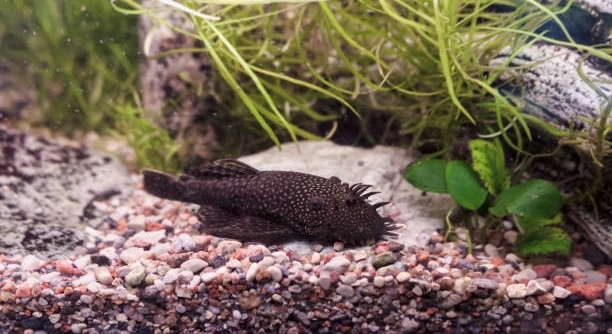
Is your pleco swimming in tight spirals across the tank, seemingly without purpose? Observing this unusual movement can be concerning, especially when you expect your fish to glide calmly along surfaces and explore its environment naturally.
Spiral swimming in plecos is often caused by stress, poor water quality, or internal health issues. Factors such as fluctuating water parameters, low oxygen levels, or parasitic infections can disrupt normal swimming behavior, requiring prompt attention to ensure the fish’s well-being.
Understanding these causes will help you restore your pleco’s health and prevent further complications in its aquatic environment. Proper care and observation are key to supporting a calm, healthy fish.
Water Quality and Its Impact
Maintaining clean water is essential for your pleco’s health. Dirty water can cause stress, affecting their swimming patterns. High levels of ammonia, nitrites, or nitrates irritate their gills and make breathing difficult. Even small fluctuations in temperature can disrupt their comfort and natural rhythm. Filtration systems, regular water changes, and careful monitoring of chemical levels are crucial to prevent spiral swimming. I learned that even subtle changes in pH or hardness can confuse plecos, making them swim erratically. Consistency matters more than perfection; small, regular adjustments keep their habitat stable. A well-maintained tank ensures oxygen levels remain adequate and waste does not accumulate. Observing your pleco daily helps you spot early signs of discomfort. Healthy water encourages natural movement, proper feeding, and overall vitality. Over time, clean water reduces the risk of disease, keeping your pleco active and calm.
Stress from poor water conditions can be subtle, but it is a major factor in abnormal swimming behavior.
By keeping the water stable, clear, and well-oxygenated, you support your pleco’s natural behavior. Even minor improvements in filtration, temperature consistency, and water changes can reduce stress. Healthy water encourages normal swimming, proper feeding, and long-term resilience, preventing spiraling or erratic movements. Observing the tank daily helps identify issues early, allowing for small corrections before they become serious. Over time, plecos become more confident and relaxed in their environment, displaying natural patterns and resting comfortably. Addressing water quality is one of the simplest and most effective ways to improve behavior.
Nutrition and Feeding Habits
A balanced diet is key to your pleco’s well-being.
Improper feeding can lead to digestive issues or low energy, which may trigger unusual swimming patterns.
Plecos need a mix of algae, vegetables, and occasional protein. Overfeeding can lead to poor water quality, further affecting behavior, while underfeeding can cause weakness and erratic movements. I noticed that when my pleco was not eating enough, it swam in tight circles near the tank surface. Providing varied foods like zucchini, cucumber, and algae wafers ensures proper digestion and energy levels. Monitoring feeding schedules prevents uneaten food from decaying and harming water quality. In addition, introducing new foods gradually allows plecos to adapt and maintain healthy routines. Proper nutrition supports their immune system, reduces stress, and promotes stable swimming patterns. Even minor adjustments to diet can lead to visible improvements, encouraging calm, natural behavior and overall vitality in the tank.
Stress and Environmental Factors
Stress can greatly impact a pleco’s swimming. Loud noises, sudden movements, or frequent tank changes often trigger tight circular swimming.
Plecos are sensitive to their surroundings. Frequent rearrangement of decorations or introduction of new fish can make them feel insecure. I noticed my pleco began swimming in spirals after adding a new filter that changed water flow. Hiding spots like caves or plants help them feel safe and reduce erratic movement. Stable lighting, gentle water currents, and a calm environment are essential. Overcrowding also increases stress, so monitoring tank population is important. Reducing sudden disturbances allows plecos to regain confidence and swim normally.
Maintaining consistent routines is vital. Feeding at the same time each day, keeping water temperature steady, and limiting external disruptions helps plecos adjust and feel secure. Providing a quiet, predictable habitat supports natural behavior. I’ve observed that even small changes, like moving a decoration back to its original spot, significantly reduced my pleco’s spiraling. This shows that plecos respond to familiarity and environmental stability. Over time, a calm environment allows them to explore and feed without unnecessary stress.
Health Issues and Parasites
Internal health problems can cause unusual swimming patterns.
Parasites, bacterial infections, or swim bladder issues often lead to spiraling or erratic movements.
I experienced this when my pleco started swimming in tight loops near the surface. Parasites can irritate the digestive tract or gills, while swim bladder problems affect buoyancy, making swimming difficult. Observing feces, appetite, and activity levels helps detect these issues early. Quarantining new fish and maintaining clean water reduces the risk of infection. If symptoms persist, consulting a veterinarian familiar with fish is important. Medications or dietary adjustments may be necessary to restore health. Catching problems early prevents long-term complications. Proper care ensures your pleco swims naturally, stays energetic, and avoids repeated spiral patterns.
Tank Size and Space
A small tank can make plecos feel confined, triggering tight swimming patterns. Limited space restricts movement and increases stress, affecting their overall behavior.
Providing ample room allows plecos to swim naturally. Overcrowding worsens stress, so tank size and proper stocking levels are essential for calm, healthy movement.
Water Flow and Filtration
Strong or uneven water flow can confuse plecos, making them swim in spirals. Proper filtration ensures gentle, consistent currents. Plecos prefer areas with moderate flow, allowing them to glide without struggle. Adjusting filter output or adding flow-reducing structures creates a stable environment, encouraging natural swimming patterns.
Observing Behavior Patterns
Noticing changes in swimming or feeding helps detect underlying issues. Tracking behavior over time allows early intervention, preventing serious health problems. Observing plecos daily ensures they remain active, stress-free, and comfortable in their environment.
FAQ
Why is my pleco swimming in spirals only at certain times?
This behavior often relates to environmental changes or stress triggers. Plecos may react to sudden noises, bright lights, or tank activity, which can make them swim in tight circles temporarily. I noticed that my pleco would spiral mostly during water changes or when the lights turned on abruptly. Even subtle changes, like adding new decorations or fish, can cause similar reactions. Observing patterns helps identify specific triggers. Once these disturbances are minimized and the environment is kept stable, plecos usually return to normal swimming habits over time.
Can poor water quality cause spiral swimming?
Yes. High ammonia, nitrite, or nitrate levels irritate gills and stress plecos, leading to unusual swimming. I learned that even slightly dirty water caused my pleco to move erratically. Frequent water changes, proper filtration, and monitoring chemical levels help restore healthy movement. Maintaining a stable pH and temperature also reduces stress, ensuring plecos swim naturally.
Could my pleco have a swim bladder problem?
A swim bladder issue affects buoyancy, making fish spin or float awkwardly. Overfeeding, constipation, or infections can trigger this condition. I noticed my pleco struggled near the surface after heavy feeding. Fasting for a day or two and offering soft foods like zucchini can sometimes help. Persistent problems may require veterinary advice.
Does tank size matter for swimming behavior?
Absolutely. Plecos need sufficient space to move freely. Small tanks or overcrowding often result in stress and spiral swimming. When I upgraded my tank, my pleco’s movement became more relaxed and natural. Adequate space, hiding spots, and proper stocking levels support calm, healthy behavior.
Can diet affect swimming patterns?
Yes. Poor nutrition can weaken plecos, leading to erratic swimming. I noticed spiraling when my pleco was underfed or given the wrong foods. A balanced diet including algae, vegetables, and occasional protein helps maintain energy, digestion, and normal behavior. Overfeeding also harms water quality, indirectly affecting swimming.
How do stress and environment impact my pleco?
Stress from loud noises, frequent rearrangements, or new tank mates often leads to spiral swimming. Plecos rely on stable surroundings. I added caves and plants to reduce stress, and my pleco’s behavior improved. Consistent lighting, gentle water flow, and quiet conditions support calm, natural movement.
When should I consult a veterinarian?
If spiral swimming persists despite stable water, proper diet, and stress reduction, health issues may be present. Persistent spinning, loss of appetite, or abnormal appearance warrants professional attention. Early intervention can prevent long-term complications and restore your pleco’s natural behavior.
Can parasites cause this behavior?
Yes. Parasites irritate gills or the digestive system, often resulting in erratic or circular swimming. I quarantined new fish and treated water when needed, which helped my pleco recover. Observing for signs like lethargy, unusual feces, or appetite loss can indicate the need for treatment.
Does water flow affect spiraling?
Strong or uneven currents confuse plecos, making them swim in circles. Adjusting filter output or adding flow-reducing objects creates gentle currents. I noticed my pleco swam more naturally after adjusting the filter and providing calm areas. Proper water movement is essential for normal swimming patterns.
How can I prevent spiral swimming in the future?
Maintaining stable water parameters, a balanced diet, proper tank size, and a calm environment is key. Monitoring behavior and reducing sudden changes helps plecos feel secure. I consistently check my tank and adjust care as needed, which keeps my pleco active, healthy, and swimming naturally.
This FAQ highlights practical steps to identify causes and improve your pleco’s swimming behavior. Observing, adjusting, and maintaining consistent care ensures long-term health and reduces erratic spiraling.
Final Thoughts
Plecos are sensitive creatures, and their swimming patterns often reflect their overall health and comfort. Observing a pleco swimming in spirals is usually a sign that something in its environment needs attention. Water quality, diet, tank size, and stress all play significant roles in how plecos behave. When these factors are managed consistently, plecos generally return to smooth, natural swimming patterns. I’ve noticed that small, steady adjustments make a bigger difference than sudden changes, whether it’s cleaning the tank, adjusting the filter, or introducing new foods. Paying attention to details like hiding spots, gentle water flow, and stable lighting can significantly improve their sense of security. Consistency helps reduce stress and encourages regular, calm behavior. Understanding these factors makes caring for a pleco less stressful for both the fish and the caretaker, allowing for a more balanced and healthy aquarium.
Another important aspect is nutrition. Plecos need a balanced diet that supports their digestive system and energy levels. Overfeeding or feeding improper foods can lead to swim bladder problems or digestive stress, which often shows as spiraling swimming. I have learned that including vegetables like zucchini, cucumber, and occasional protein supplements keeps my pleco active and prevents erratic movements. Observing feeding habits and adjusting portions prevents leftover food from affecting water quality. A consistent feeding schedule also helps plecos develop a routine, reducing stress and encouraging predictable swimming behavior. By focusing on proper nutrition, you are supporting your pleco’s overall health, immune system, and ability to navigate the tank with ease.
Lastly, it’s important to recognize that plecos communicate stress through behavior. Spiral swimming is one of the most noticeable signs that something is off. Environmental factors such as loud noises, overcrowding, or sudden changes in the tank can trigger this behavior. In my experience, providing stable surroundings, including consistent water parameters and safe hiding spots, has a calming effect. Regular observation allows early detection of problems, whether they are health-related, dietary, or environmental. Quick response to these issues prevents long-term complications and ensures the fish remains active and comfortable. Taking a proactive approach to tank maintenance, feeding, and monitoring behavior helps create an environment where plecos can thrive. Over time, they become more confident, swim naturally, and maintain good health, reflecting the care and attention provided in their daily environment.

Hello,
If you enjoy the content that we create, please consider saying a "Thank You!" by leaving a tip.
Every little bit helps us continue crafting quality advice that supports the health, happiness, and well-being of pets around the world, for pets of all shapes, sizes, and species.
We really appreciate the kindness and support that you show us!