
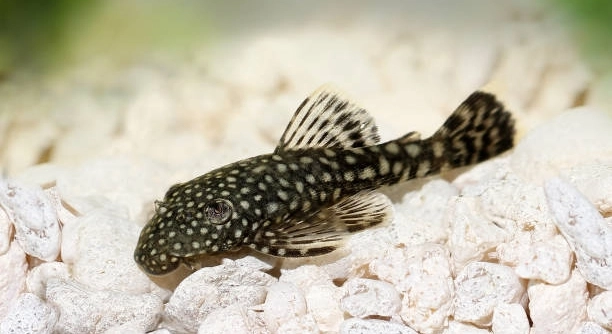
Do you ever find yourself checking your pleco’s tank and wondering if the water is really safe for them? Maintaining the right water conditions is crucial for their health and longevity, yet often overlooked by many owners.
Tracking water parameters for plecos involves monitoring seven key statistics, including temperature, pH, hardness, ammonia, nitrite, nitrate, and oxygen levels. Regular observation ensures optimal conditions, prevents disease, and promotes healthy growth in these sensitive freshwater fish.
Keeping a careful eye on these details can make a significant difference. Learning which stats matter most will help your pleco thrive in its environment.
Water Temperature
Water temperature is one of the most important factors for plecos. These fish thrive in stable temperatures between 74 and 80 degrees Fahrenheit. Sudden fluctuations can stress them, weaken their immune system, and make them prone to disease. Using a reliable aquarium heater and thermometer helps maintain consistent warmth. Always check the water temperature daily, especially during seasonal changes. Keeping the tank away from direct sunlight and drafts also prevents unexpected swings. Some plecos, like the Bristlenose, tolerate slightly cooler water, but stability is more important than exact degrees. Avoid rapid changes during water changes by preheating new water to match the tank. A small fluctuation is okay, but larger shifts can be harmful. Observing your pleco’s behavior, such as hiding or lethargy, can indicate temperature stress. Maintaining proper warmth ensures your pleco remains active, healthy, and comfortable in its habitat.
Stable temperatures encourage your pleco to feed and interact normally, reducing stress-related health issues and promoting overall vitality.
Even minor temperature changes can affect metabolism, digestion, and oxygen absorption. Ensuring consistency requires monitoring both day and night variations. A heater with a thermostat is essential, and keeping the tank insulated can prevent large swings. Regular checks during water changes also minimize stress. Proper temperature management sets the foundation for your pleco’s health.
pH Levels
The pH level of your tank should stay between 6.5 and 7.5 for most plecos. Regular testing helps you spot changes before they harm your fish.
Maintaining a stable pH prevents stress and supports healthy growth. Sudden shifts can affect their appetite and immune system. Using buffering materials like driftwood or specific substrates can help stabilize pH. Avoid adding chemicals that drastically change water acidity. Consistent water changes also contribute to steady levels.
Measuring pH regularly is key. Simple test kits provide quick readings. Adjustments should be gradual to avoid shocking your pleco. Over time, you’ll learn how your tank’s water chemistry naturally shifts and how to respond. Driftwood naturally lowers pH slightly, while crushed coral or limestone can raise it. Keep track of pH alongside other water stats, since interactions with hardness and nitrates can influence overall stability. Proper management supports healthy skin, fins, and digestive function in plecos. Observing your pleco’s behavior can also indicate if pH is off. With careful attention, your tank environment will remain consistent, allowing your pleco to thrive for years.
Ammonia Levels
Ammonia should always remain at zero in a pleco tank. Even small amounts can damage gills and cause stress, leading to illness or death. Testing frequently ensures any spikes are caught early.
Ammonia forms from uneaten food, waste, and decaying plants. Plecos produce a lot of waste, so frequent partial water changes are essential to prevent buildup. Using a well-established biological filter allows beneficial bacteria to convert ammonia into less harmful compounds like nitrite and nitrate. Keep monitoring ammonia levels after adding new fish or making significant water changes, as these events can temporarily raise levels. Observing your pleco for gasping at the surface or lethargy can also indicate ammonia stress.
Maintaining zero ammonia supports gill health and prevents disease. Regular testing with liquid kits is most accurate. Adding live plants can help absorb small amounts naturally. Avoid overfeeding and remove uneaten food promptly. Combined with a strong filter and consistent water changes, these practices create a safer, more stable environment for your pleco to grow and stay healthy.
Nitrite Levels
Nitrite should remain close to zero. Even low levels can interfere with oxygen transport in your pleco’s blood, causing stress and poor health. Frequent testing is important.
Nitrite comes from the breakdown of ammonia by beneficial bacteria in the tank. While this process eventually converts nitrite into nitrate, high levels are toxic to plecos. Signs of nitrite stress include rapid gill movement, lethargy, and hiding. Consistent water changes help dilute nitrite levels and maintain safety. Using a mature, established filter is essential to ensure bacteria efficiently process ammonia and nitrite. Introducing new fish slowly prevents sudden spikes.
Preventing nitrite buildup protects your pleco’s respiratory and overall health. Maintaining a mature biological filter, regular partial water changes, and careful feeding all contribute to stable nitrite levels. Tracking nitrite alongside ammonia and nitrate ensures your tank remains balanced. Observing fish behavior and performing routine testing helps detect issues early. A stable nitrite level reduces stress, promotes appetite, and supports immune function, keeping your pleco active and thriving.
Nitrate Levels
Nitrate should be kept below 40 ppm to ensure a healthy environment for plecos. High nitrate levels can stress fish, weaken their immune system, and encourage algae growth. Regular water changes are the most effective way to control nitrates.
Using live plants can also help absorb nitrates naturally. Avoid overfeeding and remove leftover food to reduce nitrate buildup. Consistent maintenance of the tank, including substrate cleaning, prevents long-term accumulation. Tracking nitrate levels alongside ammonia and nitrite ensures overall water stability, keeping your pleco healthy and active.
Water Hardness
Water hardness affects your pleco’s ability to regulate bodily functions and maintain healthy skin. It is measured in GH (general hardness) and KH (carbonate hardness). Soft water can lead to stress, while very hard water can affect metabolism. Moderate hardness is ideal.
Oxygen Levels
Adequate oxygen is critical for pleco health. Low oxygen can cause gasping, lethargy, and weakened immunity. Use an air pump, proper filtration, and maintain water movement to ensure your pleco receives enough oxygen consistently.
FAQ
How often should I test my pleco’s water?
Testing water weekly is recommended to ensure stability in temperature, pH, ammonia, nitrite, nitrate, and hardness. After establishing a consistent routine, some parameters may be monitored biweekly, but frequent checks are best during new setups or after adding fish.
What is the safest way to adjust pH?
Gradual adjustments are crucial. Use driftwood to lower pH slightly or crushed coral to raise it. Avoid chemical additives that change pH suddenly, as plecos are sensitive to rapid swings. Small, incremental changes are safest.
How do I reduce ammonia and nitrite spikes?
Perform partial water changes regularly, remove uneaten food, and maintain a strong biological filter. Introduce new fish slowly to prevent sudden increases. Observing your pleco for stress behaviors, like gasping or hiding, can also help identify spikes early.
Can live plants help maintain water quality?
Yes, live plants absorb nitrates and provide some oxygen, improving water stability. Fast-growing plants like hornwort or water sprite are effective. They also provide hiding spaces, which plecos appreciate for comfort and reduced stress.
What is the best water hardness for plecos?
Moderate hardness is ideal. General hardness (GH) around 6–10 dGH and carbonate hardness (KH) around 3–8 dKH creates a stable environment. Extreme soft or hard water can interfere with metabolic processes and stress plecos.
How do I maintain oxygen levels in the tank?
Use an air pump, sponge filter, or power filter to increase water movement and surface agitation. Avoid overstocking the tank, and ensure plants do not overcrowd circulation. Monitoring your pleco for gasping at the surface can indicate low oxygen.
How do I prevent nitrate buildup?
Regular water changes, substrate cleaning, and avoiding overfeeding are key. Live plants can naturally absorb some nitrates, keeping levels below 40 ppm. Testing after water changes ensures that nitrate levels remain safe.
Can I mix plecos with other fish regarding water conditions?
Compatibility depends on water requirements. Choose species with similar pH, temperature, and hardness preferences. Avoid aggressive species that may stress plecos. Maintaining consistent water quality benefits all tank inhabitants.
How do I respond if water parameters fluctuate suddenly?
Identify the source, such as overfeeding, temperature swings, or new additions. Perform partial water changes to stabilize levels, and adjust slowly. Monitor your pleco closely for stress, feeding habits, and behavior changes.
Are tap water treatments necessary?
Yes, most tap water contains chlorine or chloramine, which are harmful to plecos. Use a dechlorinator before adding water. Testing treated water ensures safe parameters before introducing it to the tank.
How does overfeeding affect water stats?
Uneaten food decays, raising ammonia and nitrates quickly. Feed only what your pleco can consume in a few minutes. Observing feeding habits helps prevent waste accumulation and keeps water stable.
What signs indicate my pleco is stressed by water conditions?
Lethargy, hiding, loss of appetite, rapid gill movement, or unusual swimming patterns are common indicators. Stress often results from poor water quality, temperature fluctuations, or improper pH. Immediate testing and corrective measures are necessary.
How important is tank maintenance for pleco health?
Regular maintenance is essential. Cleaning substrate, performing partial water changes, testing parameters, and monitoring filtration keep water safe and stable. Consistent care prevents long-term stress and promotes healthy growth and behavior.
Can I automate water testing and maintenance?
Automated systems exist for temperature, pH, and even nitrate monitoring. They provide consistent data and reduce daily manual checks. Combining automation with regular visual observation ensures your pleco remains healthy and comfortable.
How do seasonal changes affect water stats?
Temperature and evaporation rates can fluctuate with seasons. Heating, insulation, or adjusting water additions may be necessary. Seasonal monitoring ensures stability and prevents stress caused by sudden environmental changes.
What is the relationship between multiple water stats?
Parameters interact: pH can be influenced by hardness, nitrates affect plant growth, and ammonia/nitrite impact oxygen usage. Monitoring all key stats together provides a complete view of water health, ensuring a balanced environment for your pleco.
Can I use tap water additives to maintain stability?
Some additives buffer pH or enhance hardness, but they should be used cautiously. Gradual changes and testing after each addition prevent sudden shocks to your pleco’s system. Overuse can create imbalances, so careful measurement is crucial.
How long does it take for water changes to stabilize parameters?
Small, partial water changes typically take hours to normalize, while large adjustments may take longer. Observing changes over several days ensures that temperature, pH, and chemical levels remain within safe ranges. Gradual transitions are safest for plecos.
What tools are essential for tracking water stats?
Reliable thermometers, test kits for pH, ammonia, nitrite, nitrate, and hardness are essential. Logging results helps identify trends and potential issues early. High-quality filters, air pumps, and proper lighting support overall water stability and pleco health.
How do I ensure long-term water stability?
Regular testing, scheduled water changes, careful feeding, and maintaining a mature biological filter are key. Monitoring interactions between parameters, adjusting gradually, and observing pleco behavior ensures a stable and healthy environment for years.
Maintaining the right water conditions for a pleco is essential for its health and longevity. Each of the seven key water stats—temperature, pH, hardness, ammonia, nitrite, nitrate, and oxygen—plays an important role in creating a stable and safe environment. Temperature stability ensures that your pleco remains active and comfortable, while pH and hardness support metabolic functions and overall well-being. Ammonia and nitrite are highly toxic even in small amounts, so regular testing and water changes are critical to prevent spikes. Nitrate should be monitored to avoid long-term stress, and proper oxygen levels are necessary for respiration and energy. Tracking these parameters consistently helps prevent illness and allows your pleco to thrive.
Regular monitoring and maintenance may feel like extra work, but the benefits are significant. Simple steps, such as testing water weekly, performing partial water changes, and observing your pleco’s behavior, make a noticeable difference. Overfeeding and uneaten food are common sources of water quality issues, so being mindful of diet can prevent ammonia and nitrate buildup. Live plants and appropriate filtration also support a healthy ecosystem in the tank. By keeping records of water stats, you can identify trends and address potential problems before they become serious. Maintaining this routine creates a reliable and predictable environment for your pleco, which reduces stress and encourages normal feeding and activity patterns.
A healthy tank is more than just a clean aquarium; it is a carefully balanced ecosystem that supports your pleco’s life. Paying attention to all seven water stats allows you to respond quickly to changes and ensures that your fish remain active and resilient. Understanding the relationships between parameters, such as how hardness can affect pH or how nitrates impact plant growth, provides a deeper insight into tank management. By taking consistent care, you are not only protecting your pleco from illness but also fostering an environment where it can thrive naturally. Simple, consistent actions—testing, monitoring, adjusting, and observing—combine to create a stable habitat. Over time, these efforts will become a straightforward routine, giving your pleco the best chance for long-term health and happiness in its tank.

Hello,
If you enjoy the content that we create, please consider saying a "Thank You!" by leaving a tip.
Every little bit helps us continue crafting quality advice that supports the health, happiness, and well-being of pets around the world, for pets of all shapes, sizes, and species.
We really appreciate the kindness and support that you show us!