
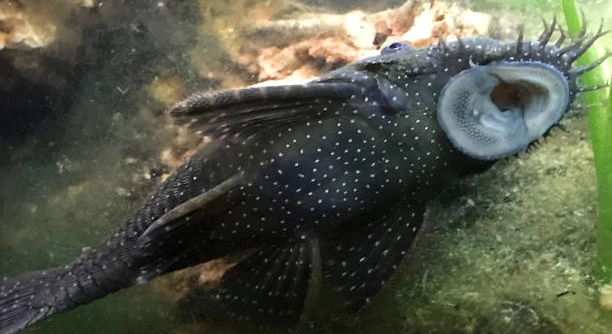
Have you ever noticed your pleco spending most of its time hiding behind the thermometer instead of exploring the tank? This behavior can seem odd, especially when everything else in the aquarium looks normal and peaceful.
The main reason your pleco hides behind the thermometer is stress or discomfort caused by environmental factors such as lighting, water temperature, or lack of hiding spaces. These conditions often make plecos seek security in narrow or shaded areas.
Understanding why your pleco prefers this spot will help you create a calmer, more comfortable environment for your fish to thrive in.
Common Reasons Your Pleco Is Hiding
Plecos often hide behind thermometers when they feel unsafe or stressed. Sudden movement, bright lighting, or strong water flow can make them uncomfortable. They are naturally shy, preferring dim areas that mimic their natural river habitats. A lack of proper hiding spots, such as caves or driftwood, may also push them to seek shelter in unusual places. In some cases, poor water conditions—like high ammonia or nitrate levels—can cause stress, leading your pleco to hide more frequently. Even temperature changes or aggressive tank mates can make them retreat to tighter spots where they feel protected.
Sometimes, hiding is just normal pleco behavior, especially during the day. Plecos are nocturnal, so they are more active at night and prefer to rest in hidden areas during daylight hours. Observing their patterns can help you tell if it’s natural or something that needs attention.
If your pleco’s hiding behavior seems excessive, it’s best to check for stress triggers in the tank. Make sure water conditions are stable, lighting isn’t too harsh, and there are enough shaded areas. A balanced tank setup encourages your pleco to explore more and stay visible. Small adjustments, like dimmer lights or extra décor, can help your fish feel secure and behave more naturally.
How to Encourage Your Pleco to Come Out
Creating a comfortable environment is key to helping your pleco feel safe enough to explore. Start by testing water parameters regularly to ensure ammonia, nitrite, and nitrate levels stay within safe ranges. Maintaining consistent temperature and pH prevents unnecessary stress. Avoid loud noises or frequent disturbances around the tank, as plecos can be sensitive to vibrations.
Add plenty of hiding spots such as driftwood, rock caves, and live plants to give your pleco places to retreat. Ironically, the more hiding areas they have, the more confident they become, leading them to venture out more often. Dim or subdued lighting also encourages movement, since bright light can make plecos nervous. Providing a proper diet rich in algae wafers, fresh vegetables, and sinking pellets helps them feel secure in their environment. Feeding them after lights are dimmed can make them more active during viewing hours. With patience and the right care, your pleco will gradually feel comfortable exploring the tank more freely.
Checking Tank Conditions
Water quality plays a big role in your pleco’s comfort. Even small changes in ammonia, nitrite, or nitrate levels can cause stress and hiding. Regular water testing and weekly partial changes help maintain balance and keep your pleco healthy and relaxed.
Temperature is another key factor. Plecos thrive in stable, warm water, usually between 74°F and 80°F. Fluctuations can make them uneasy and lead to hiding. It’s also important to ensure proper filtration, as clean water supports their health and prevents stress. Avoid placing the tank near windows or vents where temperature shifts are common. Keep lighting moderate—too much brightness can make your pleco seek darker spots. Consistency in tank conditions helps them feel secure enough to roam.
If water quality or temperature is off, adjust slowly. Sudden changes can shock your pleco. Always use a reliable heater and thermometer, and monitor the tank daily. Balanced conditions encourage natural behavior and reduce unnecessary hiding. Stability and comfort go hand in hand for your pleco’s well-being.
Understanding Natural Pleco Behavior
Hiding is a normal part of a pleco’s routine, especially during daylight. In their natural habitats, plecos rest in shaded areas or under submerged logs. This behavior helps them conserve energy and stay protected from potential predators.
Plecos are mostly nocturnal, meaning they become more active once the lights go out. If your pleco spends much of the day behind the thermometer, it could simply be resting. Many plecos adjust their activity based on feeding schedules and tank lighting. Offering food in the evening can help align with their natural habits. Over time, some plecos may become more visible during the day once they feel completely at ease. Understanding their instincts helps you recognize when hiding is normal versus when it signals discomfort. Maintaining a calm, consistent environment allows your pleco’s natural behaviors to shine through, showing you a healthier and happier fish.
The Role of Tank Mates
Aggressive or overly active tank mates can make your pleco feel threatened. Fish that nip or chase often cause stress, forcing your pleco to hide behind objects for safety. Peaceful companions create a calmer, more secure environment.
Avoid keeping plecos with territorial fish or species that compete for the same space. Select gentle community fish instead. Observing interactions regularly helps you notice signs of stress early. When your pleco feels safe, it’s more likely to explore and display natural behaviors.
Providing Proper Lighting
Lighting affects your pleco’s sense of security. Bright or harsh lights can make them uncomfortable, especially in smaller tanks without shaded areas. Use soft or dim lighting to mimic natural conditions and reduce stress. Add plants or caves to create shaded spots where your pleco can rest comfortably.
Feeding Habits and Activity
Feeding at night supports your pleco’s nocturnal nature. Offering food when the lights are low encourages them to come out more often. This routine helps them feel secure and promotes healthier, more active behavior during the quieter hours.
FAQ
Why does my pleco hide all the time, even at night?
If your pleco hides constantly, even during nighttime, it might be due to stress or an unsuitable environment. Water quality, tank size, and lighting play a major role. Make sure the tank is large enough and has stable parameters. Plecos also need secure hiding spots like driftwood or caves to feel comfortable. When these are missing or the tank feels unsafe, they’ll retreat more often. Additionally, aggressive tank mates can intimidate them into hiding for long periods. Once the tank feels balanced and safe, your pleco should become more active during its usual nocturnal hours.
Can hiding behind the thermometer harm my pleco?
It usually doesn’t harm them physically, but it can signal discomfort. The thermometer might feel like the only secure spot in the tank. If your pleco keeps returning to that same narrow area, it’s a sign the environment may lack proper hiding places. Over time, stress from poor conditions can affect health and feeding habits. Rearranging the tank décor, adding shaded areas, and improving water quality can make your pleco feel safer and reduce this behavior naturally.
Is it normal for a new pleco to hide often?
Yes, new plecos commonly hide when first introduced to a tank. The new environment can feel overwhelming, especially with unfamiliar lights and tank mates. It may take several days or even a few weeks for them to adjust. During this time, avoid disturbing the tank or tapping the glass. Keep lighting low and ensure there are several hiding spots. As your pleco becomes comfortable, it will start exploring more openly and showing its normal nighttime activity. Patience is key during this adjustment phase.
Do plecos hide more when the lights are on?
Yes, plecos are naturally nocturnal, so bright lighting often makes them seek darker spaces. Constant exposure to strong lights can stress them and limit their activity. Using softer lighting or adding floating plants helps create a dimmer environment that feels natural. You’ll likely notice your pleco becoming more active once the lights go off or when the room is darker. Consistency in lighting cycles helps them develop a steady routine, reducing excessive hiding during the day.
What can I do if my pleco refuses to come out even during feeding time?
If your pleco avoids coming out to eat, try feeding after lights are dimmed. Plecos feel safer in darker conditions. Place sinking wafers or vegetables near their hiding area so they can feed without exposure. Over time, as they feel more secure, they’ll begin eating more openly. Make sure other fish aren’t stealing their food before they get a chance to eat. Offering food consistently at the same time each night helps build trust and encourages your pleco to adjust to your feeding routine.
Can poor tank maintenance cause hiding behavior?
Absolutely. Poor water quality is one of the main causes of stress in plecos. Even small spikes in ammonia, nitrites, or nitrates can make them feel uncomfortable. Regular maintenance—like cleaning filters, performing partial water changes, and removing uneaten food—is essential. Testing the water weekly ensures stability. When the tank stays clean and balanced, your pleco feels more secure and is less likely to hide excessively. Good maintenance promotes healthier, more confident behavior over time.
Do all pleco species behave the same way?
Not exactly. While most plecos share similar habits, some species are shyer than others. For example, Bristlenose plecos tend to be more active and visible, while Common plecos may hide more often. The tank setup also influences behavior; larger or more territorial species might need additional hiding spaces to feel at ease. Understanding your pleco’s specific species helps you tailor care and tank design to its comfort level.
How long can a pleco stay hidden before it becomes a concern?
If your pleco hides for several days without eating or showing movement, it may be time to check tank conditions. Long-term hiding often means something is wrong with water parameters, temperature, or stress levels. Test the water immediately and look for signs of illness such as clamped fins or pale coloration. If all seems fine, your pleco might still be adjusting or reacting to a recent change in the environment. Maintaining a calm, consistent tank setup is usually enough to bring them out again once they feel secure.
Final Thoughts
Caring for a pleco requires patience and understanding. These fish are calm, quiet creatures that prefer peaceful surroundings and predictable routines. When they hide behind objects like a thermometer, they are often responding to something that feels unsafe or unfamiliar in their environment. It can be easy to worry, especially if you don’t see them for hours at a time, but hiding is also part of their nature. The key is to learn to recognize the difference between normal behavior and signs of stress. By observing patterns, testing the water regularly, and maintaining a stable setup, you can help your pleco feel more comfortable and confident in its home.
Creating the right environment makes a big difference. Plecos are bottom dwellers that thrive in tanks with plenty of shaded spaces, driftwood, and natural textures. They like to rest in dark areas during the day and explore when the lights are dim. A consistent lighting schedule, balanced diet, and gentle tank mates all help them feel secure. If your pleco hides more than usual, small adjustments can often fix the problem. Adding more hiding spots, checking water temperature, and reducing light intensity are simple but effective steps. These changes not only make your pleco feel safer but also support its health and longevity. A happy pleco will slowly become more active, showing its personality through calm movements and gentle cleaning habits around the tank.
Remember that every pleco is different. Some are naturally shy and may always prefer staying near cover, while others become bolder over time. What matters most is creating a stable and caring environment that allows them to behave naturally. Hiding does not always mean something is wrong—it can also be a sign that your pleco feels secure enough to rest peacefully. Watching them come out at night to graze or explore is a quiet reminder of how simple adjustments can make their lives better. When you understand their needs, you create not just a tank, but a healthy and peaceful space they can truly call home. In the end, patience and consistent care go a long way in keeping your pleco content and ensuring that its hidden moments are just part of a normal, happy routine.

Hello,
If you enjoy the content that we create, please consider saying a "Thank You!" by leaving a tip.
Every little bit helps us continue crafting quality advice that supports the health, happiness, and well-being of pets around the world, for pets of all shapes, sizes, and species.
We really appreciate the kindness and support that you show us!