
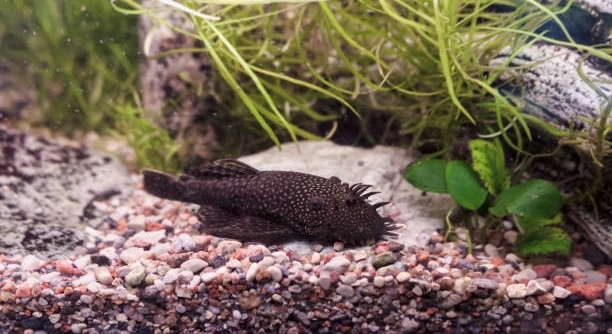
Do you ever notice your bristlenose plecos swimming alone despite having a companion in the tank? Many aquarists wonder if these peaceful fish experience loneliness or if pairs truly thrive together. Understanding their social behavior is essential.
Bristlenose plecos do not typically become lonelier when kept in pairs. They are primarily solitary fish by nature, seeking individual hiding spots and territories. Pairing them does not increase social stress, but providing adequate space and shelter is essential.
Observing plecos in their tank environment can reveal subtle behaviors indicating comfort or stress. Knowing these patterns helps maintain a healthy, balanced aquatic setup for their long-term wellbeing.
Understanding Bristlenose Pleco Behavior
Bristlenose plecos are naturally solitary fish that enjoy spending time in their own space. Even when housed in pairs, they often establish separate hiding spots and territories within the tank. Observing their movements and interactions can help determine if they are comfortable or stressed. While some plecos may show minor curiosity toward each other, they rarely engage in social bonding the way schooling fish do. They communicate more through subtle movements, territorial displays, and occasional gentle nudges rather than overt interactions. Providing plenty of caves, driftwood, and plants allows each pleco to feel secure and reduces potential stress from territorial disputes. Temperature, water quality, and diet also influence their overall behavior. A well-maintained environment ensures that both plecos remain healthy, active, and content, even when living in the same tank. Understanding these nuances allows aquarists to provide a setup that respects their natural tendencies.
Observing plecos closely can reveal small signs of contentment, such as calm swimming and regular feeding habits.
Space and environmental enrichment are crucial for pairs. Even though they live together, each pleco needs its own territory and hiding options to feel secure. Without proper setup, stress levels can increase, leading to health or behavioral problems. Offering driftwood, rocks, and plants helps them carve out their space while keeping interactions minimal but peaceful.
Signs of Stress in Paired Plecos
Stress in bristlenose plecos can manifest subtly. Watching for changes in activity, appetite, or coloration is essential.
Common signs of stress include constant hiding, aggressive nudging, or refusal to eat. Poor water quality, overcrowding, or insufficient hiding spaces can contribute to tension between paired plecos. Each fish’s personality plays a role in how they adapt to sharing a tank. Some plecos are more territorial, while others tolerate companions with minimal conflict. Observing their routines over several days helps determine whether adjustments are necessary. Providing multiple hiding spots reduces competition, while stable water parameters support their immune system and overall well-being. Feeding at consistent times and offering a varied diet encourages normal activity and reduces stress. Understanding subtle behaviors, like fin flicking or minor chases, allows aquarists to identify early signs of tension before they escalate. Regular monitoring ensures that both plecos coexist peacefully, maintaining a healthy, balanced environment where they can thrive naturally without forced social interaction.
Tank Setup for Paired Plecos
Proper tank setup is vital when keeping bristlenose plecos in pairs. Each pleco needs multiple hiding spots, driftwood, and areas to explore. Space should allow them to avoid each other when desired. Overcrowding can lead to stress and territorial disputes.
A tank of at least 30 gallons is recommended for two plecos. Providing caves, plants, and driftwood ensures each fish has its own territory and a place to retreat. Sand or smooth gravel substrate prevents injury during foraging. Maintaining consistent water temperature between 74–80°F and a pH of 6.5–7.5 supports their natural behavior. Filtration should keep water clear without creating excessive current, as plecos prefer calmer areas. Regular partial water changes help maintain water quality and prevent stress-related health issues. Arranging decorations strategically allows both fish to feel secure while sharing the same environment, reducing potential conflicts.
Lighting and plant placement influence activity patterns. Dim areas encourage hiding and natural foraging, while open spaces let them swim freely. Observing their preferred zones helps adjust the setup. Rotating hiding spots occasionally can enrich their environment, keeping the plecos engaged and comfortable.
Feeding and Nutrition for Pairs
Bristlenose plecos require a balanced diet that supports health and reduces stress in shared tanks. Feeding routines should prevent competition and ensure both fish get enough nutrition.
A combination of algae wafers, fresh vegetables, and occasional protein sources works well. Zucchini, cucumber, and spinach can be blanched and added daily. Driftwood in the tank aids digestion and provides a natural grazing surface. Feeding in separate areas minimizes disputes, allowing each pleco to eat comfortably. Observing eating habits ensures no fish is left undernourished. Avoid overfeeding, as leftover food can foul the water and create health risks. Supplements like spirulina or sinking pellets enhance nutrition and support natural behaviors. Consistent feeding times establish a routine, reducing stress and reinforcing the tank hierarchy subtly. Proper nutrition keeps their bristles healthy and promotes vibrant coloration, reflecting overall wellbeing.
Monitoring leftover food and adjusting portions is important. Uneaten vegetables should be removed promptly, preventing decay that could harm water quality. By keeping feeding strategies simple yet consistent, both plecos thrive while minimizing territorial tensions. This approach supports natural grazing behaviors, encourages exploration, and maintains a calm, balanced tank environment where paired plecos coexist peacefully.
Interaction Between Paired Plecos
Even in pairs, bristlenose plecos interact minimally. They may swim near each other or inspect each other briefly but generally maintain separate territories. Most of their interaction is observational rather than social.
Occasional nudges or brief chases are normal and usually not a sign of stress. They quickly return to their hiding spots or grazing areas.
Environmental Enrichment
Adding driftwood, caves, and plants encourages natural behaviors. These elements provide hiding spots, grazing surfaces, and exploration areas, reducing boredom and tension in paired plecos. Enrichment helps maintain physical health and mental stimulation, supporting long-term contentment.
Monitoring Health
Regular observation is essential. Watch for changes in appetite, coloration, or activity levels, which can indicate stress or illness.
Maintaining clean water, proper diet, and sufficient space ensures both plecos remain healthy. Quick attention to any health changes prevents escalation and supports a peaceful tank environment.
FAQ
Can bristlenose plecos live happily in pairs?
Yes, they can live peacefully in pairs as long as the tank provides enough space, hiding spots, and resources. Their interactions are usually minimal, and they are content maintaining separate territories while occasionally passing near each other. Proper tank management ensures both plecos remain healthy and stress-free.
Do plecos become lonely without a companion?
Bristlenose plecos are naturally solitary. They do not require a companion to be happy. Providing sufficient hiding areas, grazing surfaces, and enrichment keeps a single pleco content and engaged. Adding another pleco is not necessary unless the tank can comfortably accommodate both.
How much space do two plecos need?
A minimum of 30 gallons is recommended for a pair. Larger tanks reduce territorial disputes and allow each pleco to have its own space. Multiple hiding spots, caves, and driftwood help establish boundaries and prevent stress, ensuring both fish feel secure in the shared environment.
What is the best diet for paired plecos?
Bristlenose plecos thrive on a mix of algae wafers, fresh vegetables like zucchini and spinach, and occasional protein sources. Driftwood supports digestion, and feeding in separate areas reduces competition. Consistency in feeding routines ensures both fish receive adequate nutrition without stress.
How can I tell if my plecos are stressed?
Signs of stress include constant hiding, refusal to eat, color changes, or excessive chasing. Stress can result from overcrowding, poor water quality, or insufficient hiding places. Monitoring their behavior regularly allows early intervention to prevent health issues and maintain a peaceful tank environment.
Can plecos share the same hiding spot?
They can share temporarily, but plecos prefer individual territories. Overlapping hiding spots may lead to minor disputes, especially during feeding or night hours. Providing multiple shelters ensures each pleco has a secure retreat and reduces potential tension in the tank.
How often should I change the water for paired plecos?
Partial water changes of 25–30% every week help maintain clean water and stable parameters. Consistent water maintenance prevents stress and supports their immune system. Over time, monitoring water quality ensures both plecos remain healthy in a shared environment.
Do plecos groom each other or show affection?
Bristlenose plecos do not exhibit grooming or social affection behaviors. Their interactions are mostly observational and territorial. They may briefly nudge one another, but this is not a sign of bonding. Understanding this helps set realistic expectations for paired plecos.
Is it okay to add more than two plecos?
Yes, but it requires a significantly larger tank. More fish increase the need for hiding spots, feeding areas, and careful monitoring of water quality. Overcrowding can heighten stress and trigger territorial disputes. Always ensure sufficient resources before adding additional plecos.
Can plecos recognize their tankmates?
Plecos can recognize movement and presence but do not form attachments like social fish. Recognition mainly influences their territorial behavior. They learn to navigate shared spaces without conflict, provided the environment supports individual territories and sufficient enrichment.
What is the ideal tank environment for a pair?
A balanced tank includes at least 30 gallons, stable temperature between 74–80°F, pH 6.5–7.5, and gentle filtration. Multiple hiding spots, driftwood, plants, and soft substrate support natural behavior. Proper lighting, feeding routines, and regular water changes maintain long-term health and reduce stress.
How do I prevent disputes between paired plecos?
Provide ample hiding spots, separate feeding areas, and clear boundaries within the tank. Observe minor conflicts early and rearrange decorations if necessary. Ensuring adequate space and environmental enrichment minimizes tension and allows both plecos to coexist peacefully.
Are bristlenose plecos active during the day?
They are mostly nocturnal but may show activity during low-light periods. Daytime movement often involves grazing on algae or exploring hiding spots. Understanding their activity patterns helps in planning feeding times and tank observation.
Do plecos need companions of the same species?
They do not need companions at all. If a companion is introduced, it should ideally be the same species to reduce aggression. Providing sufficient space, hiding spots, and enrichment is more important than the presence of a companion.
How can I enrich a tank for two plecos?
Adding caves, driftwood, plants, and varied substrate allows plecos to forage and explore naturally. Rotating decorations occasionally prevents boredom. Enrichment supports mental and physical health while encouraging natural behaviors without forcing interaction between the paired fish.
Can paired plecos fight?
Minor skirmishes can occur, especially when establishing territories. True fighting is rare if the tank is large enough and contains multiple hiding spots. Monitoring their behavior and adjusting the environment reduces conflict and maintains a peaceful coexistence.
How do I introduce a new pleco to an existing one?
Introduce new plecos gradually, ideally using a separate quarantine tank first. Rearrange decorations to create new territories, minimizing immediate territorial disputes. Observe interactions closely and separate if aggression persists. Proper introduction reduces stress and allows smoother acclimation for both fish.
Do plecos need different diets when paired?
No, diet requirements remain the same. Feeding in multiple locations ensures both fish receive adequate nutrition without competition. Fresh vegetables, algae wafers, and occasional protein sources meet their needs effectively. Consistency in portion size and schedule supports health and reduces stress.
Can plecos sense stress in each other?
They respond mainly to territorial challenges rather than emotional states. Stress in one pleco may trigger brief defensive behavior in another, but it does not create loneliness or social stress. Providing sufficient space and hiding spots mitigates any indirect effects.
What is the lifespan of paired bristlenose plecos?
With proper care, bristlenose plecos can live 5–10 years or longer. Stable water conditions, balanced diet, and adequate space contribute to their longevity. Maintaining a well-structured tank ensures both fish enjoy a healthy, peaceful life together.
How often should hiding spots be rotated or changed?
Occasional rearrangement every few months encourages exploration and prevents boredom. Avoid frequent changes, which can stress territorial plecos. Subtle adjustments maintain engagement while respecting established territories, ensuring a stable environment for both fish.
Is it better to keep plecos with other species?
Yes, peaceful tankmates can coexist without affecting pleco behavior. Avoid aggressive species that may compete for space or food. Compatibility depends on tank size, hiding options, and feeding routines. Balanced community setups support calm, stress-free living for paired plecos.
Do plecos sleep together?
They typically rest separately in their chosen hiding spots. Shared resting areas are uncommon, as they prefer secure, individual spaces. Observing their preferred zones helps provide adequate shelters and ensures both fish feel safe during rest periods.
How can I tell if my plecos are happy?
Healthy appetite, vibrant coloration, calm swimming, and regular grazing indicate contentment. Proper tank conditions, enrichment, and minimal stress contribute to their well-being. Observing natural behavior patterns confirms that both plecos are thriving in a shared environment.
Can stress affect pleco growth?
Yes, prolonged stress can slow growth and reduce immunity. Ensuring adequate space, hiding spots, water quality, and proper diet supports normal development and overall health in paired plecos. Addressing stress early prevents long-term negative effects.
Should I separate plecos if disputes occur?
Temporary separation may be necessary if aggression becomes severe. Providing additional hiding spots or rearranging the tank often resolves conflicts without permanent separation. Careful observation and intervention maintain a peaceful environment while respecting natural behaviors.
Do bristlenose plecos need seasonal changes in care?
Not significantly. Maintaining stable water temperature, diet, and tank conditions year-round supports health. Minor adjustments, like increased feeding during growth periods, can be beneficial but are not strictly seasonal. Consistency is more important than seasonal variation for paired plecos.
Is breeding possible in a paired setup?
Yes, if one male and one female are present, breeding may occur naturally. Providing caves and appropriate conditions encourages spawning. Monitoring interactions ensures the pair remains healthy and avoids stress during the breeding process.
Can plecos tolerate low-light tanks?
They prefer dim lighting and shaded areas. Low-light tanks support natural behavior and reduce stress. Bright lighting should be softened with plants, decorations, or shaded zones to create comfortable conditions for paired plecos.
How important is water flow for plecos?
Moderate to gentle water flow is ideal. Strong currents can stress plecos and reduce activity. Driftwood, rocks, and plants can buffer flow, allowing calm areas where plecos can rest, graze, and feel secure.
Do plecos remember tank layouts?
They adapt to their environment and recognize hiding spots and feeding areas. Consistent layout helps reduce stress, while occasional minor changes encourage exploration without disrupting their sense of security.
Can plecos coexist with snails or shrimp?
Yes, they usually ignore non-aggressive invertebrates. Ensure hiding spots for all species to prevent competition. Monitoring interactions helps maintain a balanced, peaceful tank ecosystem for plecos and invertebrates alike.
How do I prevent algae overgrowth with two plecos?
Regular water changes, controlled lighting, and supplementation with algae wafers or vegetables balance algae levels. Overgrowth can affect water quality, so maintaining tank maintenance routines ensures a healthy environment for both plecos.
Can plecos get along with other bottom dwellers?
Yes, peaceful bottom-dwelling species can coexist if space is sufficient. Providing multiple hiding spots reduces competition. Territorial disputes are minimized, creating a calm tank environment for plecos and other bottom dwellers.
Do plecos need water conditioners or supplements?
Water conditioners remove chlorine and heavy metals, supporting pleco health. Occasional supplements, like trace minerals or spirulina, enhance diet and digestion. Maintaining water quality and nutrition ensures paired plecos thrive naturally.
How often should I inspect tank decorations?
Regular inspection prevents sharp edges or unstable caves that could harm plecos. Cleaning algae from decorations without disturbing territories maintains safety and hygiene. Safe, well-maintained decor supports natural behavior and reduces stress.
Is it normal for plecos to hide most of the day?
Yes, bristlenose plecos are primarily nocturnal. Hiding during daylight hours is natural. Ensuring multiple hiding spots allows them to rest safely while remaining active during low-light periods or nighttime.
Do plecos interact differently at night?
Yes, nocturnal activity increases exploration, grazing, and minor interaction. Nighttime is when most natural behaviors occur. Providing safe areas and gentle lighting supports their normal activity cycles.
Can plecos develop personality differences?
Yes, some plecos are more territorial or curious than others. Recognizing individual tendencies helps in tank arrangement and enrichment, reducing conflict and ensuring a balanced environment for paired fish.
Do plecos need temperature adjustments in summer or winter?
Maintaining a stable range of 74–80°F is ideal. Avoid sudden temperature fluctuations. Minor seasonal adjustments are unnecessary if a consistent heater or chiller maintains optimal conditions for health and activity.
How do I maintain a clean tank with two plecos?
Regular partial water changes, substrate cleaning, and monitoring leftover food prevent waste buildup. Adequate filtration and routine maintenance support water quality, keeping both plecos healthy and reducing stress from poor conditions.
Can plecos adapt to a new tank easily?
Yes, with gradual acclimation. Floating the bag, adjusting water temperature, and observing early behavior helps reduce stress. Providing hiding spots and gentle introduction promotes smooth adaptation for paired plecos.
Do plecos need companions to prevent boredom?
No, they are content alone or in pairs if their tank provides enrichment. Caves, driftwood, and grazing opportunities offer sufficient stimulation without requiring additional companions. Proper enrichment supports mental and physical well-being.
Is it okay if plecos occasionally chase each other?
Yes, minor chases are normal as they establish territories. Aggressive or prolonged disputes should be addressed with more hiding spots or rearranged decorations. Observing behavior ensures a calm coexistence.
Do plecos show signs of aging?
Yes, slower movement, paler coloration, and reduced grazing indicate aging. Maintaining proper nutrition, clean water, and a stress-free environment helps prolong their lifespan and quality of life.
How can I tell if the tank is suitable for two plecos?
Both fish should display calm grazing, minimal disputes, and healthy coloration. Adequate space, multiple hiding spots, and stable water conditions confirm a suitable environment for paired bristlenose plecos.
Can plecos survive in community tanks?
Yes, they coexist well with peaceful species. Providing sufficient hiding spots, food, and space prevents stress or competition, allowing both plecos to live calmly alongside other compatible fish.
What is the maximum number of plecos in a tank?
Depends on tank size and resources. Overcrowding leads to stress, disputes, and health issues. Ensure at least 15 gallons per pleco, multiple hiding spots, and adequate food before increasing the number.
Do plecos need special lighting for health?
They prefer low to moderate lighting. Harsh or bright lights can cause stress. Soft, shaded areas or floating plants create comfort while supporting natural behavior.
Can plecos coexist with fast-moving fish?
Yes, as long as fast-moving fish do not compete for food or disturb hiding spots. Observing interactions ensures a peaceful tank where plecos maintain their territories without stress.
Do plecos need water hardness adjustments?
Moderate water hardness is suitable. Extreme softness or hardness can stress plecos. Regular testing and small adjustments maintain ideal conditions, supporting long-term health.
Are plecos sensitive to water chemistry changes?
Yes, sudden changes in pH, temperature, or ammonia levels cause stress. Gradual adjustments and monitoring help plecos adapt while maintaining health and activity.
Can plecos recognize feeding times?
Yes, they often learn routines and may become more active around feeding periods. Consistent schedules reduce stress and support natural grazing behaviors in paired plecos.
Do plecos groom aquarium surfaces?
Yes, they scrape algae from driftwood, glass, and rocks. This behavior is natural and supports both cleaning the tank and their dietary needs.
How do plecos react to human presence?
They are cautious and observant. While they rarely interact directly, they may swim closer or peek from hiding spots when movement is detected outside the tank.
Can plecos live with aggressive species?
No, aggressive tankmates can stress plecos, trigger hiding, or cause injury. Peaceful species and adequate hiding spaces are essential for safe coexistence.
Do plecos need seasonal dietary changes?
Not strictly. A balanced diet year-round is sufficient. Slight increases during growth periods or colder months are optional but not essential.
How often should I test water parameters?
Weekly testing of pH, ammonia, nitrite, nitrate, and temperature ensures stable conditions. Monitoring prevents stress, disease, and maintains a healthy environment for both plecos.
Can plecos tolerate short periods of poor water quality?
Brief exposure is generally tolerated, but prolonged poor conditions lead to stress, illness, and decreased lifespan. Maintaining consistent cleanliness is crucial.
Do plecos benefit from tank mates that clean algae?
Yes, certain snails or shrimp can complement plecos. Ensure compatibility and provide enough hiding spots to avoid competition. This enhances the tank ecosystem without affecting pleco behavior.
Can plecos live without hiding spots?
They can survive but will experience stress and reduced activity. Hiding areas are essential for comfort, territory establishment, and natural behavior.
Do plecos require special care during breeding?
Yes, providing caves, stable water conditions, and a quiet environment encourages spawning. Monitoring interactions prevents territorial disputes and ensures the health of both parent plecos.
Are plecos affected by tank vibrations or loud noises?
Yes, sudden vibrations or loud disturbances can stress plecos. Keeping tanks in stable, quiet locations supports calm behavior and overall well-being.
Can plecos coexist with goldfish or cichlids?
They may coexist with peaceful goldfish but not aggressive cichlids. Aggression, competition for food, or chasing can harm plecos and disrupt the tank balance.
Do plecos prefer certain substrates?
Soft sand or smooth gravel is ideal. Sharp or rough substrates can injure them while foraging. Proper substrate supports natural behavior and comfort.
How often should I observe pleco behavior?
Daily observation helps detect stress, illness, or conflict early. Regular monitoring ensures both plecos remain healthy, active, and comfortable in their environment.
Can plecos survive without driftwood?
Yes, but driftwood supports digestion and grazing. Including it enhances health and mimics natural habitat, promoting well-being in paired plecos.
Do plecos need water circulation?
Moderate circulation is sufficient. Strong currents stress them, while still water can reduce oxygen levels. Balance ensures a healthy, natural environment.
Are plecos compatible with bettas?
Generally, yes. Betta aggression is minimal toward plecos, provided there are adequate hiding spots and space for both species. Observation is necessary to prevent territorial disputes.
Can plecos live in planted tanks?
Yes, plants provide hiding, grazing, and enrichment. Carefully selected plants ensure plecos can coexist without damaging delicate foliage. This setup supports natural behavior and reduces stress.
Do plecos need supplemental vitamins?
A varied diet usually provides necessary nutrients. Occasional supplements like spirulina enhance health, support bristle development, and improve vitality without overcomplicating feeding routines.
Can plecos survive sudden changes in lighting?
Sudden bright lights can stress them. Gradual changes or shaded areas allow plecos to adjust comfortably without disrupting their natural routines.
How do plecos respond to overcrowding?
Overcrowding increases stress, aggression, and health risks. Adequate space, multiple hiding spots, and careful population management prevent conflicts and support long-term well-being.
Do plecos need separate breeding tanks?
Optional but recommended. Separate tanks reduce stress on non-breeding plecos and provide controlled conditions for spawning, ensuring higher survival rates of fry and maintaining tank harmony.
Can plecos adapt to tap water?
Yes, if treated with a water conditioner to remove chlorine and heavy metals. Proper acclimation ensures health and prevents stress in paired plecos.
Are plecos affected by water vibrations from filters?
Excessive vibrations can cause stress. Choosing gentle filters and positioning them properly creates a calmer environment, supporting natural behavior and comfort.
Do plecos interact with reflections in the tank?
Some may react to reflections, perceiving them as intruders. This usually causes brief defensive behavior but is not harmful if hiding spots are available.
Can plecos tolerate cold nights?
Sudden temperature drops can stress plecos. Maintaining a consistent 74–80°F minimizes health risks and ensures comfort.
How important is regular tank cleaning?
Essential. Clean tanks reduce stress, disease
Bristlenose plecos are unique fish that thrive best in environments designed to meet their natural needs. While they can live in pairs, it is important to remember that they are not social in the same way as schooling fish. Their interactions are limited, and they often prefer separate hiding spots and personal space. Providing multiple caves, driftwood, and plants helps each pleco feel secure, reducing stress and potential territorial disputes. Observing their behavior regularly allows you to notice subtle signs of contentment or stress, such as calm swimming, regular grazing, or occasional nudges. Understanding these behavioral patterns ensures that both plecos can coexist peacefully and maintain a healthy life. Maintaining proper water quality, stable temperature, and a balanced diet is also essential. Clean, well-maintained water and a diet that includes algae wafers, fresh vegetables, and occasional protein sources support their health and natural behaviors. Driftwood not only provides hiding spaces but also aids digestion, encouraging grazing habits that mimic their natural lifestyle.
Even though plecos are mostly solitary, having a pair does not harm their wellbeing as long as their tank is appropriately set up. Space is crucial; a 30-gallon tank or larger allows each pleco to establish its own territory. Multiple hiding spots help prevent disputes, while consistent feeding routines and enrichment items like plants and driftwood support their mental and physical activity. Observing how they interact with one another and with the environment helps in adjusting the setup when needed. Minor chases or nudges are normal and should not be a cause for concern unless aggression becomes prolonged. Monitoring water parameters, such as pH, temperature, ammonia, and nitrate levels, ensures the tank remains a safe and healthy habitat. By creating a stable environment, plecos can maintain their natural behaviors, stay healthy, and enjoy a balanced life together. Even subtle enrichment, such as rearranging decorations or adding new grazing surfaces, can encourage exploration and keep the plecos active without forcing social interaction.
Providing care for bristlenose plecos is about meeting their specific needs rather than encouraging companionship. Understanding their nocturnal behavior, territorial tendencies, and dietary requirements is essential for successful long-term care. While they may not interact much, they do respond to their surroundings, appreciating a well-structured tank with multiple areas to explore and graze. Observing feeding habits, hiding preferences, and activity levels allows you to respond to stress early and adjust the tank setup accordingly. Regular maintenance, such as partial water changes, substrate cleaning, and monitoring food levels, ensures water quality remains optimal. By focusing on these core needs, both plecos can live comfortably and healthily in the same tank without experiencing loneliness. Their well-being depends on a combination of proper diet, stable water conditions, and sufficient environmental enrichment. By providing these essentials, plecos can thrive together while respecting their natural solitary tendencies. Over time, a carefully maintained tank allows aquarists to appreciate the quiet charm and unique behaviors of bristlenose plecos, making them a rewarding addition to a well-managed aquarium.

Hello,
If you enjoy the content that we create, please consider saying a "Thank You!" by leaving a tip.
Every little bit helps us continue crafting quality advice that supports the health, happiness, and well-being of pets around the world, for pets of all shapes, sizes, and species.
We really appreciate the kindness and support that you show us!