
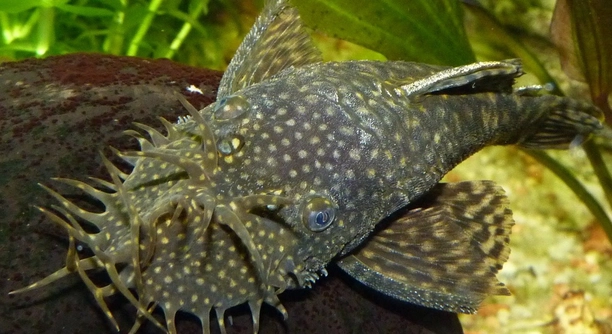
Your pleco swims gracefully across the tank, yet those algae wafers sit untouched at the bottom. Many fish owners experience this frustrating scenario, wondering why a creature known for eating algae suddenly ignores a convenient food source entirely.
The main reason your pleco avoids algae wafers is due to dietary preferences and environmental conditions. Plecos may favor fresh vegetables, driftwood, or natural algae over processed wafers, and tank parameters such as water quality and lighting can influence their feeding behavior.
Understanding these feeding habits can help you adjust your approach. Small changes in diet and environment often encourage your pleco to start accepting algae wafers more consistently.
Common Reasons Plecos Ignore Algae Wafers
Many plecos refuse algae wafers because their natural diet differs from what we provide. They often prefer fresh vegetables like zucchini, cucumber, or lettuce, along with natural algae growing in the tank. Some species also need driftwood to chew on, which provides fiber and helps digestion. Environmental factors can play a role too. Poor water quality, incorrect pH levels, or inappropriate tank temperature can make plecos less willing to eat processed foods. Lighting matters as well; plecos are mostly nocturnal and may ignore wafers placed in bright areas. Stress can also impact feeding. If the tank has too much activity, aggressive tankmates, or insufficient hiding spots, plecos may feel unsafe eating. Observing your fish carefully can reveal these patterns, helping you adjust feeding times, placement of wafers, and tank setup to encourage proper nutrition.
Feeding small amounts at night can make algae wafers more appealing to plecos, matching their natural habits.
Tracking their preferences helps you balance diet and environment. Adjusting food type and timing improves overall health and encourages regular feeding, reducing leftover waste in the tank.
Improving Acceptance of Algae Wafers
Consistency in placement and timing encourages your pleco to try algae wafers more regularly. Keeping wafers in the same spot and feeding during low-light hours mimics natural behavior.
To help plecos accept algae wafers, it’s important to combine environmental adjustments with dietary strategies. Start by offering small pieces alongside fresh vegetables or natural algae to make the wafers less intimidating. Ensure water parameters are stable—temperature, pH, and cleanliness affect appetite. Provide hiding spaces, such as caves or driftwood, so your pleco feels secure while feeding. Gradually reduce fresh vegetables while maintaining small portions of wafers, allowing the fish to adjust at its own pace. Observe your pleco closely to notice changes in behavior and feeding response. Over time, the combination of proper diet, secure environment, and patient adjustments encourages algae wafer consumption without forcing the fish, promoting better nutrition and reducing tank waste. This method ensures your pleco maintains a balanced diet and remains healthy in its aquatic environment.
Signs Your Pleco Prefers Other Foods
A pleco ignoring algae wafers may show more interest in vegetables, driftwood, or natural algae in the tank. It might graze on surfaces instead of wafers or eat only during low-light periods, reflecting its nocturnal nature.
Observing your pleco closely reveals its feeding patterns. Some plecos nibble on zucchini, cucumber, or leafy greens while completely avoiding processed wafers. Others focus on algae growing on tank decorations or driftwood, using it for both nutrition and fiber. These behaviors indicate a preference for fresher, natural foods. Tank conditions also affect feeding—stressful or crowded tanks can suppress appetite. Identifying these signs helps you adjust feeding strategies, ensuring the pleco receives proper nutrition without forcing it to eat unwanted foods.
Tracking responses over several days shows consistent trends. Some plecos may gradually try wafers when mixed with familiar foods, while others continue ignoring them. Patience and observation allow careful adjustments, improving diet and overall health without causing stress. Consistent placement and timing can also increase willingness to accept wafers over time.
Adjusting Feeding Strategies
Placing wafers near areas where plecos naturally graze increases the likelihood of acceptance. Feeding smaller portions at night aligns with their natural habits.
Combining wafers with vegetables or algae makes processed food more approachable. Gradually reducing fresh foods while maintaining small wafer portions encourages adjustment without sudden dietary changes. Ensure tank water quality, temperature, and hiding spaces are optimal to reduce stress during feeding. Observing the pleco’s behavior helps determine the right balance and timing. Adjusting slowly improves acceptance while maintaining a balanced diet.
Consistency and observation remain key. Over several weeks, plecos may start sampling wafers more regularly, especially when they feel secure and food placement mimics natural grazing. Maintaining this routine promotes healthier eating habits and reduces leftover waste in the tank, benefiting both the fish and tank cleanliness.
Choosing the Right Algae Wafers
Not all algae wafers are the same. Plecos may reject brands with fillers or artificial ingredients, preferring wafers made from natural algae or spirulina.
Texture matters as well. Softer wafers or those that slowly dissolve in water are often easier for plecos to accept than hard, compact wafers.
Introducing Wafers Gradually
Start by breaking wafers into small pieces and offering them alongside vegetables or natural algae. This reduces intimidation and encourages tasting. Over time, plecos can adjust to the new texture and flavor without stress. Observing their response allows adjustments in portion size and frequency to improve acceptance.
Monitoring Tank Conditions
Clean water and stable parameters are crucial for feeding. Stress or poor conditions often cause plecos to ignore even favorite foods, including algae wafers.
FAQ
Why won’t my pleco eat algae wafers at all?
Many plecos naturally prefer fresh vegetables, driftwood, or algae growing in the tank over processed wafers. Their species-specific diet may make them ignore certain textures or flavors. Environmental factors like water temperature, pH, or stress from tankmates can also affect appetite, causing wafers to be rejected completely.
Can plecos survive without eating algae wafers?
Yes, plecos can thrive without wafers if provided with a balanced diet of fresh vegetables, algae, and driftwood. Wafers are convenient supplements, but not essential. Observing natural grazing behavior and ensuring nutritional variety supports health, digestion, and growth even without processed food.
How can I make wafers more appealing?
Breaking wafers into small pieces and offering them near natural grazing areas increases chances of acceptance. Mixing them with vegetables or algae can help. Feeding during low-light periods aligns with plecos’ nocturnal habits, making them more likely to try wafers.
Is it normal for plecos to eat only at night?
Yes, plecos are nocturnal and may ignore food during bright daylight. Offering food in the evening or dim lighting encourages natural feeding. Nighttime feeding also reduces stress, as plecos feel safer and more confident eating without disturbances.
Can tank conditions affect wafer consumption?
Absolutely. Poor water quality, unstable pH, incorrect temperature, and lack of hiding spots make plecos hesitant to eat. Maintaining clean water, proper temperature, and secure areas helps them feel comfortable and more willing to try new foods.
Should I force my pleco to eat wafers?
Forcing is unnecessary and may cause stress. Gradual introduction alongside preferred foods works better. Observing their response and making small adjustments encourages acceptance while maintaining overall health and nutrition.
How long does it take for a pleco to accept wafers?
Acceptance varies by species and individual preference. Some adjust in a few days, others may take weeks. Consistency in placement, portion size, and timing, combined with patience, increases the likelihood of regular consumption.
Are there specific wafer brands plecos prefer?
Plecos generally favor wafers made from natural algae or spirulina over those with fillers or artificial ingredients. Softer wafers or those that dissolve slowly are easier to consume and more appealing to picky eaters. Testing small amounts of different brands helps identify preferences.
Can overfeeding vegetables affect wafer acceptance?
Yes, providing too many vegetables can reduce interest in wafers. Balancing fresh foods with small amounts of wafers encourages tasting. Gradually reducing vegetables while maintaining some wafer portions helps plecos adapt without sudden changes in diet.
What if my pleco only eats algae from decorations?
Some plecos prefer grazing on natural surfaces rather than consuming processed food. While this is normal, supplementing with vegetables or occasional wafers ensures nutritional balance. Observation and slow introduction of wafers near grazing areas can help expand dietary variety.
Do plecos need driftwood if they eat wafers?
Yes, driftwood provides essential fiber and aids digestion, even if wafers are consumed. Some species chew wood naturally, and it supports gut health. Including driftwood alongside wafers ensures proper digestion and maintains normal feeding behavior.
Can stress cause a pleco to ignore wafers?
Stress from aggressive tankmates, overcrowding, or frequent disturbances can lead plecos to avoid eating altogether. Providing hiding spots, low activity periods during feeding, and stable tank conditions reduces stress and increases the likelihood of wafer consumption.
Are there signs of malnutrition if wafers are refused?
Signs include weight loss, dull coloration, lethargy, and poor growth. If wafers are refused, supplementing with vegetables, algae, and other appropriate foods is essential. Monitoring health regularly ensures plecos remain strong and active despite avoiding processed wafers.
Is it safe to leave uneaten wafers in the tank overnight?
Leaving large amounts can pollute water and harm fish. Offer small portions and remove leftovers to maintain water quality. Small, timed feedings reduce waste while encouraging consistent eating habits.
How do I know if my pleco likes a specific wafer?
Observe behavior closely. Interest includes nibbling, staying near the wafer, or eating alongside natural foods. Lack of attention or avoidance indicates preference for other foods. Tracking reactions over time helps identify suitable brands or types of wafers.
This FAQ covers common issues, practical solutions, and behavioral insights to help plecos gradually accept algae wafers while maintaining a healthy, balanced diet. Proper observation, environmental care, and patient introduction are key to success.
Final Thoughts
Understanding why your pleco won’t touch algae wafers requires observing both its natural behavior and the tank environment. Plecos have species-specific dietary needs that often lean toward fresh vegetables, natural algae, and driftwood rather than processed foods. While wafers are convenient and formulated to provide nutrients, they are not always immediately appealing to every fish. Many plecos ignore them simply because the texture, taste, or placement does not match what they are used to in their natural feeding habits. Watching your pleco closely and noting what it prefers to eat can give valuable insight. If it grazes on vegetables, driftwood, or algae, these items can form the main part of its diet while wafers are introduced gradually. Over time, a combination of preferred foods and properly timed, well-placed wafers may encourage acceptance without forcing the fish.
Environmental factors also play a crucial role in whether plecos will eat algae wafers. Water quality, temperature, pH levels, lighting, and stress all influence feeding behavior. Plecos are mostly nocturnal, so feeding in low-light conditions aligns with their natural habits and can make wafers more appealing. A tank with too much activity or aggressive tankmates may cause hesitation, even if the food is desirable. Providing hiding spots, consistent feeding routines, and small portions during times when the pleco feels secure helps reduce stress and increases willingness to try new foods. Regular observation is key, as small adjustments in placement, timing, and portion size often make the difference between refusal and acceptance.
Patience and consistency are essential when working with plecos and their feeding habits. Gradually introducing algae wafers alongside fresh vegetables or natural algae is more effective than forcing the fish to eat something unfamiliar. Overfeeding vegetables should be avoided, as this can reduce interest in wafers. Tracking the pleco’s preferences, making small adjustments to its environment, and ensuring optimal tank conditions help promote long-term health and balanced nutrition. Even if wafers are never fully embraced, plecos can maintain good health with a diet that reflects their natural tendencies. By combining careful observation, environmental care, and gradual dietary changes, you can support your pleco’s well-being and ensure it thrives in its aquatic home.

Hello,
If you enjoy the content that we create, please consider saying a "Thank You!" by leaving a tip.
Every little bit helps us continue crafting quality advice that supports the health, happiness, and well-being of pets around the world, for pets of all shapes, sizes, and species.
We really appreciate the kindness and support that you show us!