
Paragraph 1:
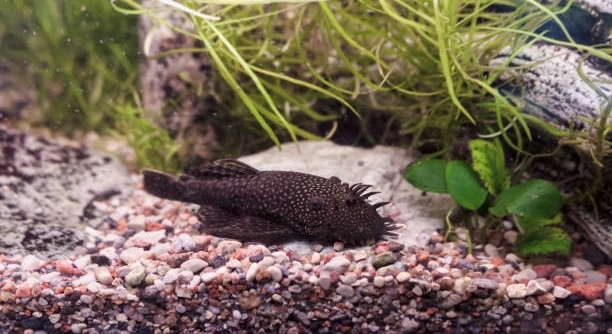
Plecos are popular aquarium fish, admired for their algae-eating habits. Feeding them properly can sometimes be tricky, as their diet needs change based on age, species, and tank conditions.
Paragraph 2:
Plecos require varied feeding approaches in different situations, including growth stages, health conditions, water temperature, and seasonal changes. Adapting their diet ensures proper nutrition, prevents disease, and supports natural behavior, ultimately promoting longevity and overall well-being in captive environments.
Paragraph 3:
Understanding these feeding nuances can improve your pleco’s health and behavior while helping you maintain a balanced and thriving aquarium environment.
When Plecos Are Young
Young plecos need more protein than adults to support their rapid growth. Feeding them a diet rich in protein ensures proper development of muscles and organs. High-quality sinking pellets or small live foods like brine shrimp are ideal for juveniles. Vegetables such as zucchini or cucumber can be introduced gradually, but protein should remain the main component. Overfeeding should be avoided to prevent water quality issues, as young plecos produce more waste than adults. Maintaining a clean tank with stable water parameters is essential while feeding young fish. Monitoring growth and adjusting portions accordingly helps prevent stunted development. Feeding frequency is also important; young plecos benefit from smaller meals multiple times a day rather than one large portion. Observation is key—if fish are active and growing steadily, the diet is likely sufficient. Attention to both protein and plant matter sets the foundation for long-term health.
Young plecos thrive when their diet balances protein and vegetables, supporting strong growth and healthy development.
Providing the right mix of foods also teaches plecos to explore their environment for natural foods, which improves their overall well-being. By varying protein sources and introducing soft vegetables early, they develop strong feeding habits. Consistent feeding times and portion control prevent overeating and reduce stress. A proper diet at this stage sets them up for healthier adult life, reducing the risk of nutritional deficiencies and tank aggression. Observing behavior, appetite, and growth ensures adjustments can be made promptly.
When Plecos Are Sick
Sick plecos often eat less and require more digestible foods.
During illness, softer foods like blanched vegetables and high-quality algae wafers are easier to consume. Avoid high-protein meals that stress their digestive system. Ensuring clean, oxygen-rich water helps recovery. Supplements like vitamins or probiotics may support immune function, but medication should follow veterinary guidance. Maintaining stable tank conditions prevents additional stress, which can worsen illness. Monitor feeding behavior closely—loss of appetite may indicate worsening health. Small, frequent meals are often better than one large feeding. Adjusting temperature slightly, if species-appropriate, can also improve digestion and activity. Recovery requires patience and careful observation to avoid setbacks.
Illness can stress plecos significantly, but proper diet adjustments improve recovery and prevent complications. Sick plecos benefit from foods that are easily digested and rich in essential nutrients. High-fiber vegetables such as spinach or zucchini support gentle digestion. Avoid processed or hard foods that may irritate their system. Keeping the tank clean reduces harmful bacteria and encourages eating. Observing their behavior and appetite helps determine the right feeding frequency and portion size. Combining dietary adjustments with water management and occasional supplements ensures recovery is steady. Gentle handling and patience are necessary, as stressed plecos are more prone to secondary infections. This careful approach promotes faster healing, maintaining health until normal feeding resumes.
When Plecos Are Pregnant
Pregnant plecos need extra vegetables and calcium-rich foods to support egg development. Feeding should be consistent but moderate to avoid overloading the tank. Avoid sudden diet changes, as stress can affect breeding and overall health.
Providing a stable diet helps pregnant plecos develop healthy eggs and maintain energy. Soft vegetables like zucchini, cucumber, and spinach are ideal, while occasional algae wafers supply additional nutrients. Protein intake should be controlled to prevent digestive issues, as excessive protein can stress females during this stage. Maintaining excellent water quality is crucial, as ammonia or nitrite spikes can harm eggs or the mother. Monitoring feeding habits ensures the female is eating well and not avoiding food due to stress. Small, frequent feedings keep energy levels steady, supporting reproductive health and reducing the risk of complications during spawning.
Consistency in feeding during pregnancy promotes natural behaviors and ensures the female remains strong for egg-laying. Observing her closely helps identify any dietary deficiencies early. Avoid feeding high-fat or very hard foods, which can interfere with digestion. Supplementing with calcium-rich vegetables or cuttlebone encourages strong egg formation. Water temperature and pH stability are also key, as sudden changes can cause stress. If multiple females are in the tank, ensure each receives adequate food without competition. Feeding habits may shift slightly as the female focuses on egg development, so adjust portion sizes accordingly.
When Plecos Are in Cold Water
Cold water slows metabolism, reducing appetite and digestion. Feeding should be lighter and less frequent to prevent uneaten food from polluting the tank.
In cooler temperatures, plecos burn fewer calories and cannot process food as efficiently. Overfeeding can lead to leftover waste and ammonia spikes. Focus on high-fiber vegetables such as spinach or peas, which are easier to digest in low temperatures. Protein-rich foods should be reduced, as the fish cannot metabolize them fully. Adjusting feeding schedules to smaller portions every few days aligns with their slower activity. Observing how quickly the food disappears indicates whether adjustments are needed. Maintaining clean water and avoiding sudden temperature changes also supports digestive health.
Temperature changes affect not only feeding but behavior and energy levels. Cold water may make plecos less active, spending more time hiding. Adjusting feeding to their slower pace ensures proper nutrition without harming water quality. Frozen or refrigerated vegetables should be softened before feeding to ease digestion. Even in cold conditions, maintaining routine helps the fish recognize feeding times and reduces stress. Monitoring their response allows for small, safe modifications to the diet. Patience and careful observation prevent overfeeding and keep the aquarium stable during cooler periods.
When Plecos Are Overweight
Overweight plecos need portion control and low-calorie foods. Reducing high-protein pellets and offering more vegetables helps manage weight without causing stress or nutritional deficiency.
Encourage natural grazing by providing algae or blanched vegetables instead of frequent pellet feedings. Avoid sudden fasting, as this can harm metabolism and digestive health. Monitoring weight and adjusting portions gradually ensures the fish loses weight safely while maintaining energy and activity levels.
When Plecos Are Stressed
Stress reduces appetite and weakens immunity. Feeding small, easily digestible foods helps them recover. Maintain clean water, stable temperature, and minimal disturbances to encourage normal eating and reduce further stress.
When Plecos Are Aging
Older plecos digest food more slowly and may need softer vegetables and easily consumed algae wafers. Protein should be limited to prevent kidney strain. Feeding smaller, frequent meals supports health and longevity, while keeping the tank clean avoids waste accumulation and water quality issues.
When Plecos Are Breeding
During breeding, plecos require nutrient-rich foods with moderate protein. High-fiber vegetables and algae promote stamina and egg production while preventing digestive issues. Careful portioning supports reproductive success without compromising water quality or adult health.
FAQ
How often should I feed my pleco?
Plecos generally eat once a day, preferably at night since they are nocturnal. Young or growing plecos may need smaller meals two to three times daily. Adjust based on activity, tank size, and diet type. Avoid overfeeding to maintain water quality. Providing sinking pellets or blanched vegetables ensures they receive food that reaches the bottom, where they naturally feed. Observing leftover food helps determine the right portion. In colder water, feed less frequently because metabolism slows, and uneaten food can quickly pollute the tank. Consistency in timing also reduces stress and encourages natural feeding habits.
What foods are best for plecos?
Plecos need a mix of plant-based and protein-rich foods. Vegetables such as zucchini, cucumber, spinach, and peas are essential. Algae wafers and sinking pellets provide protein and vitamins. Occasionally, small live or frozen foods like brine shrimp can be offered, especially for juveniles. Avoid high-fat or overly processed foods. For older or sick plecos, softer vegetables and easily digestible foods are better. Providing a varied diet helps maintain digestive health and prevents deficiencies. Observing preferences ensures each pleco receives a diet suited to its species and life stage.
Can plecos eat too much?
Yes, overfeeding is a common problem. Excess food can lead to obesity, poor water quality, and stress on the fish’s digestive system. Plecos should be given portions they can finish in a few hours. Monitor behavior, weight, and tank cleanliness to prevent overfeeding. Reduce pellet amounts if vegetables are regularly consumed fully. Gradual portion adjustments allow the fish to maintain a healthy weight without sudden dietary changes. Overweight plecos may also show slower movement, reduced appetite, and bloating, indicating the need for controlled feeding. Maintaining balance in diet and feeding frequency is critical for overall health.
How do I adjust feeding for sick plecos?
Sick plecos eat less and require easily digestible foods. Blanched vegetables like zucchini or spinach are gentle on their system. Algae wafers that soften in water can provide necessary nutrients. Avoid high-protein foods that strain digestion. Feeding smaller, more frequent meals helps maintain energy levels. Clean, oxygen-rich water is essential, and supplements like vitamins or probiotics can support recovery. Observation is crucial—loss of appetite may indicate worsening illness. Maintaining routine feeding and monitoring water conditions reduces stress, helping the fish recover more efficiently while preventing secondary infections.
Should feeding change for breeding plecos?
Yes, breeding plecos require nutrient-rich foods with moderate protein to support energy and reproductive health. High-fiber vegetables like spinach, zucchini, and peas promote stamina and digestion. Sinking pellets can supplement protein but should not dominate the diet. Portion control is important to avoid overfeeding, which can pollute the water and stress adults. Females especially benefit from calcium-rich vegetables or cuttlebone for egg development. Observing behavior ensures both males and females are eating adequately. Stable water temperature and clean tank conditions support breeding success, while frequent but controlled feedings maintain energy without causing digestive issues.
Can plecos eat in cold water?
Plecos eat less in cold water because their metabolism slows. Offer small, easily digestible portions like blanched vegetables and softened algae wafers. Reduce protein intake, as it can be harder to digest. Feeding should be spaced out, focusing on quality rather than quantity. Monitor how quickly food disappears to adjust portion size. Maintaining stable temperature and water quality supports digestion and reduces stress. Even in cooler conditions, routine feeding helps plecos recognize mealtime, encouraging natural grazing habits without overloading the tank with uneaten food. Small, careful adjustments maintain health and water quality.
What if my pleco refuses to eat?
Refusal to eat can indicate stress, illness, or unsuitable food. Check water quality, temperature, and tank conditions first. Offer a variety of vegetables or softened algae wafers to entice feeding. Observing behavior and appetite helps identify the underlying issue. Gradually adjusting feeding or providing live/frozen foods may encourage eating. In cases of prolonged refusal, veterinary guidance may be necessary. Avoid drastic changes, as stress worsens refusal. Keeping a calm environment, consistent feeding schedule, and clean water can improve appetite while supporting recovery or adaptation to dietary changes.
How can I maintain water quality while feeding?
Feeding plecos appropriately reduces leftover food that pollutes water. Offer measured portions and remove uneaten food promptly. Soft vegetables and sinking pellets minimize floating debris. Avoid overfeeding, especially during colder temperatures or illness, to maintain ammonia and nitrite levels. Frequent water checks and partial water changes keep the environment safe. Monitoring feeding habits ensures the diet is consumed efficiently, preventing waste accumulation. Using natural grazing options like algae on surfaces encourages consumption without disturbing tank balance. Keeping feeding consistent supports healthy water chemistry, reduces stress on plecos, and maintains a thriving aquarium ecosystem.
Are all plecos fed the same way?
No, feeding depends on species, age, health, and environment. Juveniles need more protein; adults require more vegetables. Sick or stressed plecos need soft, easily digestible foods. Pregnant or breeding fish require nutrient-rich diets with controlled protein. Temperature and tank conditions also influence feeding amounts and frequency. Observing each fish allows adjustments to meet their specific needs. Providing variety while considering individual requirements ensures proper nutrition, supports growth, and prevents health issues. Tailoring feeding practices promotes longevity, natural behaviors, and overall well-being in diverse pleco species.
How can I tell if my pleco’s diet is working?
A healthy pleco shows steady growth, bright coloration, regular activity, and consistent feeding behavior. Digestion should be smooth, with minimal leftover food and clean tank conditions. Weight should be appropriate for species and age. Observing feces can indicate diet efficiency; healthy pellets are firm and regular. Behavioral cues, such as grazing and hiding patterns, reflect comfort with food and environment. Adjusting portions or food types based on these observations ensures long-term health. A balanced diet, proper water quality, and consistent feeding create visible signs of well-being, including energy, responsiveness, and physical condition.
This FAQ provides essential guidance for feeding plecos effectively, adjusting to age, health, breeding, and environmental conditions while maintaining a clean and balanced aquarium.
Word count: 505
Final Thoughts
Feeding plecos correctly is an essential part of keeping them healthy and happy in an aquarium. These fish have specific dietary needs that change depending on their age, size, species, and environment. Younger plecos require more protein to grow strong, while adults benefit from a balance of vegetables and protein to maintain health. Sick or stressed plecos need softer foods that are easier to digest, and older plecos may need smaller, frequent meals to match their slower metabolism. Even breeding or pregnant plecos have unique requirements, as their nutritional needs increase to support reproduction. Understanding these differences helps ensure each fish receives the right nutrition at the right time, supporting overall well-being and longevity. Paying attention to feeding habits also allows you to notice potential health issues early, such as reduced appetite, bloating, or abnormal behavior, which can be addressed before they become serious.
Maintaining clean water and stable tank conditions is equally important when feeding plecos. Uneaten food can quickly pollute the aquarium, increasing ammonia and nitrite levels that can harm fish. Feeding only the portions they can consume and removing leftovers helps preserve water quality and reduces stress on the fish. Offering natural grazing options, such as algae growing on surfaces, allows plecos to engage in their normal behaviors, which is essential for their mental and physical health. Vegetables like zucchini, cucumber, spinach, and peas can provide necessary fiber while encouraging natural foraging. Sinking pellets and algae wafers ensure food reaches the bottom where plecos naturally feed. Adjusting the feeding schedule and portion size based on water temperature, tank population, and fish activity helps keep both the plecos and the aquarium environment balanced. Paying attention to these details creates a stable, healthy habitat that supports growth, reproduction, and long-term health.
Consistency and observation are key to successful pleco care. Regularly watching how your fish eat, how quickly food disappears, and their behavior after feeding helps determine whether the diet is appropriate. Some plecos may prefer specific vegetables or protein sources, while others may need adjustments due to stress, illness, or seasonal changes. Gradual changes in diet are better than sudden switches, as plecos can be sensitive to abrupt modifications. Feeding should be seen as part of the larger routine of aquarium maintenance, including water testing, cleaning, and monitoring fish health. By combining careful observation with a tailored diet, you can provide plecos with the nutrition they need while maintaining a thriving, balanced aquarium. Proper feeding is not just about giving food—it’s about supporting their natural behaviors, preventing health issues, and ensuring a long, healthy life in captivity. Paying attention to these details creates an environment where plecos can thrive, and your aquarium can remain clean, balanced, and visually appealing.
Word count: 414

Hello,
If you enjoy the content that we create, please consider saying a "Thank You!" by leaving a tip.
Every little bit helps us continue crafting quality advice that supports the health, happiness, and well-being of pets around the world, for pets of all shapes, sizes, and species.
We really appreciate the kindness and support that you show us!