
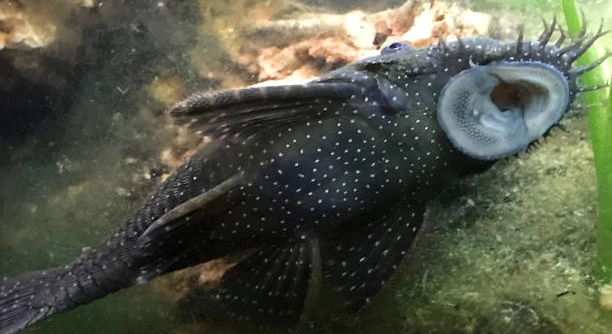
Do you ever notice your Bristlenose Pleco moving differently or seeming less aware of its surroundings? Over time, their behavior can change, hinting at possible health issues that may affect their vision and daily activity in the tank.
Bristlenose Plecos can develop blindness over time, primarily due to aging, poor water quality, or nutritional deficiencies. Ensuring proper care, diet, and tank conditions can help maintain their eyesight and overall health throughout their lifespan.
Understanding the signs of vision decline will help you take steps to support your Pleco’s well-being and create a safer environment in the aquarium.
Signs Your Bristlenose Pleco May Be Losing Its Sight
When Bristlenose Plecos begin to lose their vision, there are subtle changes in behavior you might notice. They may bump into tank decorations more frequently, struggle to locate food, or spend longer periods hiding. A fish that once explored actively may become lethargic or hesitant in its movements. Eye appearance can also provide clues. Cloudy eyes, unusual pupil dilation, or redness around the eyes may indicate health problems affecting vision. Changes in swimming patterns are another key signal. They might swim closer to the tank bottom or stay near corners, relying on touch and lateral line sensing rather than sight. Monitoring these behavioral and physical changes closely allows you to take preventive or corrective measures early. Keeping detailed notes over weeks can help determine if vision loss is gradual or sudden, which is crucial for assessing the underlying cause and planning care adjustments.
Consistent observation of swimming and feeding habits is essential for detecting early signs of blindness in Plecos.
If your Pleco shows these signs, taking immediate action is important. Adjusting tank layout to reduce obstacles, maintaining clean water conditions, and providing easily reachable food can improve their comfort. Monitoring diet for sufficient nutrients that support eye health, such as vitamin A, is also critical. Some Plecos adapt to partial blindness by relying more on tactile and smell senses, but proactive care ensures they stay active and healthy. By making thoughtful adjustments to the tank environment, you can help minimize stress and reduce the risk of injury, even if vision declines. Consistent attention and small changes can make a significant difference in their quality of life.
Causes of Vision Loss in Bristlenose Plecos
Poor water conditions, age, and diet deficiencies are the most common reasons Plecos may lose sight. High levels of ammonia or nitrites irritate the eyes and damage tissues over time. Sudden spikes in temperature or inconsistent pH can also contribute to stress-related eye problems. Older Plecos naturally face vision deterioration as part of aging, much like other animals. Nutrition plays a major role as well; lacking essential vitamins can lead to eye cloudiness or degeneration.
Addressing these issues starts with consistent tank maintenance and proper feeding. Testing water regularly for ammonia, nitrite, nitrate, and pH ensures a stable environment. Keeping the tank clean and performing partial water changes can prevent toxin buildup. Providing a balanced diet rich in vitamins and minerals supports overall health and eye function. Foods like fresh vegetables, algae wafers, and supplements with vitamin A are particularly beneficial. Observing your Pleco’s behavior after these adjustments can indicate improvement or further need for intervention. Environmental enrichment, such as smooth decorations and ample hiding spots, reduces stress and protects sensitive eyes from injury. Consistency is key; even small lapses in care can worsen vision issues. By maintaining proper conditions and nutrition, you can help your Pleco preserve as much eyesight as possible, ensuring they remain active and comfortable in the tank.
Preventing Vision Problems in Bristlenose Plecos
Maintaining stable water conditions is key to preventing eye issues. Regular water changes, proper filtration, and monitoring pH, ammonia, and nitrite levels help reduce stress and prevent damage. A clean, balanced environment supports overall health, including eyesight.
A balanced diet is equally important. Plecos require vegetables, algae wafers, and occasional protein sources. Including foods rich in vitamin A and other essential nutrients promotes eye health and reduces the risk of cloudiness or degeneration. Avoid overfeeding, as uneaten food can foul water, indirectly harming their vision. Regular observation ensures you can adjust feeding or tank care before problems worsen.
Tank setup also influences eye safety. Smooth decorations and avoiding sharp objects reduce the risk of accidental injury. Providing hiding spots helps less confident or visually impaired Plecos feel secure. Rotating decorations occasionally can encourage natural exploration without risking collisions. By combining proper diet, clean water, and thoughtful tank design, vision problems can often be minimized.
Adapting to Partial Blindness
Plecos with reduced eyesight adjust by relying on smell and touch. They often follow walls or tank surfaces, using their barbels to sense food or obstacles. Adjusting feeding routines and tank layout supports these adaptations.
Observing their movement patterns helps you identify areas where obstacles or decorations may cause stress. Placing food consistently in easy-to-reach spots allows partially blind Plecos to feed successfully without frustration. Increasing hiding spots near the bottom or sides of the tank provides safe areas they can navigate confidently. Some Plecos may slow down or rest more frequently, conserving energy while adapting to limited vision.
Creating a predictable and gentle environment reduces stress for visually impaired Plecos. Maintaining regular feeding times, smooth surfaces, and minimal sudden changes in lighting or water flow helps them thrive despite declining eyesight. Encouraging natural behaviors while minimizing risks improves their overall comfort and quality of life.
Common Misconceptions About Pleco Blindness
Not all eye changes indicate permanent blindness. Cloudy eyes can result from temporary water quality issues, minor injuries, or infections. Observing your Pleco’s behavior alongside eye appearance helps determine the true cause.
Age alone does not guarantee complete vision loss. Many older Plecos retain partial sight and adapt well. Proper care can slow deterioration and maintain comfort in the tank environment.
Treatment Options for Eye Issues
Treating eye problems starts with addressing underlying causes. Improving water quality, stabilizing temperature and pH, and correcting nutritional deficiencies are essential first steps. Infections may require aquarium-safe medications, while minor injuries often heal with clean, stable conditions. Early intervention increases the likelihood of recovery.
Supporting a Blind Pleco
Simplifying tank layout reduces the risk of collisions. Removing sharp decorations and maintaining smooth surfaces helps visually impaired Plecos navigate safely and confidently.
FAQ
Can Bristlenose Plecos fully recover their sight?
In most cases, full recovery is rare, especially if blindness is caused by age or long-term damage. Temporary cloudiness from poor water conditions or minor injuries can improve if the environment is corrected quickly. Regular water changes, proper filtration, and balanced nutrition may help reverse minor issues.
How can I tell if my Pleco is partially blind or fully blind?
Partial blindness is often indicated by slower, more cautious movement and occasional collisions with tank objects. Fully blind Plecos rely heavily on their barbels and other senses, moving along tank surfaces or walls with more precision. Observing feeding behavior and swimming patterns over time helps differentiate the two.
Does diet affect Pleco vision?
Yes, a poor diet can contribute to eye problems. Plecos need vegetables, algae wafers, and occasional protein. Vitamin A and other nutrients are essential for eye health. Lack of proper nutrition can lead to cloudy eyes, degeneration, or difficulty seeing food and obstacles.
Can tank setup worsen vision problems?
Yes, sharp decorations, rough surfaces, or overcrowded tanks increase the risk of eye injuries. Blind or partially blind Plecos may bump into objects more often, causing stress or damage. Smooth decorations, ample hiding spots, and an uncluttered tank help minimize accidents and create a safer environment.
How do I feed a blind Pleco?
Place food in consistent, easy-to-reach spots. Pellets or wafers near the bottom or along walls allow them to locate food using touch and smell. Avoid scattering food randomly, as this can cause frustration and stress, especially for those with limited vision.
Do Plecos need special care if they are blind?
Yes, adapting the tank environment is important. Reduce obstacles, maintain stable water conditions, and ensure hiding spots are accessible. Regular feeding routines and smooth surfaces help blind Plecos navigate confidently while reducing stress and injury risk.
Can water quality affect Pleco eyesight?
Absolutely. High ammonia or nitrite levels irritate eyes and can lead to cloudiness or long-term damage. Regular water testing, partial water changes, and consistent filtration are crucial for eye health. Stability in pH and temperature also helps prevent stress-related vision problems.
Are older Plecos more prone to blindness?
Yes, aging naturally impacts eyesight. Older Plecos may experience slower movement and less precise navigation. While this is normal, proper care, a safe environment, and a nutrient-rich diet can help maintain comfort and partial vision for longer periods.
Can Plecos adapt to being blind?
Yes, many Plecos adjust by using their barbels and lateral line to sense their surroundings. They follow tank walls, use hiding spots, and rely on smell to find food. While adaptation occurs naturally, thoughtful care and adjustments in tank setup make their lives easier.
Should I medicate my Pleco for cloudy eyes?
Only if water quality and diet are adequate and the issue appears caused by infection. Using aquarium-safe medications carefully is necessary, following instructions precisely. Overuse or incorrect treatment can worsen stress and harm overall health.
How often should I monitor my Pleco for vision problems?
Observation should be regular, ideally daily. Watching movement, feeding habits, and eye appearance over time helps detect subtle changes. Early identification allows quick intervention, preventing worsening of vision issues and maintaining overall well-being.
Do tank lighting conditions affect Pleco eyesight?
Bright or fluctuating light can stress Plecos and worsen eye issues. Providing moderate, consistent lighting and avoiding sudden changes creates a comfortable environment for Plecos with impaired vision.
Can multiple Plecos in one tank impact vision?
Overcrowding increases stress and risk of injury, especially for visually impaired Plecos. Conflicts or collisions are more likely in crowded conditions. Ensuring sufficient space and hiding areas is important to prevent further damage or stress-related problems.
What long-term care helps prevent blindness?
Maintaining clean water, stable pH, balanced diet, gentle lighting, and safe tank setup are all key. Regular monitoring and quick response to changes in behavior or eye appearance can prevent minor issues from developing into permanent problems.
Is it normal for Plecos to bump into things occasionally?
Yes, occasional collisions happen, even in healthy Plecos. Repeated or severe bumping, hesitation, or confusion in movement can indicate partial or full vision loss. Tracking patterns helps determine whether the behavior is normal or a sign of concern.
How can I make feeding easier for a blind Pleco?
Keep food in predictable spots and avoid scattering. Using larger pieces or sinking wafers allows them to locate meals by touch and smell. Consistency and patience improve feeding success and reduce frustration for impaired Plecos.
Can blindness shorten a Pleco’s lifespan?
Blindness itself does not directly reduce lifespan if care is adequate. Stress, injuries, or poor nutrition associated with impaired vision can indirectly affect health. Creating a safe, supportive environment ensures blind Plecos can live comfortably and for a normal lifespan.
How can I track vision changes over time?
Note swimming patterns, feeding efficiency, eye appearance, and interactions with tank objects. Regular observations over weeks help detect gradual changes and guide interventions. Keeping a simple journal or checklist can be helpful in monitoring long-term eye health.
Are there signs of eye infections in Plecos?
Yes, redness, swelling, cloudiness, and unusual discharge may indicate infection. Prompt treatment with aquarium-safe medications and improved water quality is necessary. Early response increases the likelihood of recovery and reduces risk of permanent damage.
Can supplements improve eyesight in Plecos?
Supplements with vitamin A and other essential nutrients support eye health. They should complement a balanced diet of vegetables, algae wafers, and occasional protein. Over-supplementing is unnecessary and may harm water quality, so moderation is important.
Do Plecos sense surroundings differently when blind?
Yes, they rely more on barbels, lateral line sensing, and smell. This adaptation helps them navigate, find food, and avoid obstacles. While they adjust naturally, environmental support makes adaptation smoother and reduces stress.
Is it safe to add new decorations for a blind Pleco?
Yes, but they should be smooth, stable, and placed thoughtfully. Avoid sharp edges or unstable objects. Gradual changes allow the Pleco to adjust without injury or stress, keeping the environment safe and comfortable.
Can Plecos recover partial sight with age?
Age-related vision loss is usually permanent. Minor improvements may occur if caused by temporary stress or poor conditions, but full recovery is unlikely. Focus on supportive care to maintain comfort and quality of life rather than expecting restored vision.
How do I know if my Pleco is stressed due to vision loss?
Signs include hiding excessively, reduced feeding, frantic swimming, or lethargy. Adjusting tank layout, providing hiding spots, and maintaining clean water can reduce stress and improve well-being. Observing behavior daily helps identify stress early.
Are all Plecos equally prone to blindness?
No, susceptibility varies by age, genetics, diet, and tank conditions. Proper care reduces risk for all Plecos, but older fish or those with previous health issues are more likely to experience vision decline.
Can sudden water changes affect Pleco eyesight?
Yes, sudden shifts in temperature, pH, or hardness can stress Plecos and contribute to eye cloudiness or injury. Gradual changes and careful monitoring prevent vision-related problems and maintain overall health.
Does tank cleanliness impact eye health long-term?
Absolutely. Accumulated waste increases toxins like ammonia and nitrites, which irritate eyes and cause long-term damage. Consistent cleaning, filtration, and monitoring are essential to preserve vision and overall health.
What is the best way to support a blind Pleco daily?
Provide a predictable environment, smooth surfaces, hiding spots, consistent feeding, and stable water conditions. Observing behavior, adjusting tank layout as needed, and maintaining good nutrition ensures comfort and safety for a blind or visually impaired Pleco.
How often should I inspect Pleco eyes?
Checking eyes during daily feeding or observation is recommended. Noticing early cloudiness, redness, or unusual swelling allows for timely adjustments in care or treatment, preventing more severe problems.
Can stress alone cause eye issues in Plecos?
Chronic stress from overcrowding, poor water quality, or sudden changes can contribute to eye problems. Reducing stress through stable conditions, predictable routines, and safe tank setup supports overall and eye health.
Are there visible signs of aging that affect Pleco eyesight?
Older Plecos may show slower movement, slight cloudiness, or hesitancy near objects. These signs often indicate natural vision decline. Maintaining proper care ensures comfort and minimizes risks associated with aging-related vision changes.
Can multiple Plecos in the same tank cause accidents?
Yes, collisions are more likely in crowded conditions, especially for impaired Plecos. Adequate space, hiding spots, and careful monitoring reduce risk of injury while maintaining a safe environment for all fish.
Is partial blindness noticeable immediately?
Partial blindness develops gradually. You may first notice slight hesitation, occasional bumping, or difficulty finding food. Tracking these changes over time helps distinguish between temporary issues and permanent vision decline.
How can I adjust tank lighting for a blind Pleco?
Use moderate, consistent lighting. Avoid sudden brightness changes, which can stress or disorient impaired Plecos. Dimmer areas and gentle illumination help them navigate more comfortably while reducing eye strain or stress.
Are Plecos with vision loss more prone to injury?
Yes, collisions with decorations, tank walls, or other fish are more likely. Simplifying tank layout, removing sharp objects, and providing accessible hiding spots help prevent injuries and create a safer environment.
Can blindness affect a Pleco’s appetite?
Partially, if they struggle to locate food. Consistent feeding locations and easy-to-find meals maintain regular appetite. Blind Plecos often rely on smell and touch, so predictable routines reduce stress and ensure proper nutrition.
Does water temperature influence eye health?
Yes, sudden fluctuations or extreme temperatures stress Plecos and can contribute to eye cloudiness or irritation. Stable, appropriate temperature ranges help prevent vision issues and support overall health.
Can I use medications preventively for Pleco eye health?
Preventive medication is generally not recommended. Focus on proper water quality, diet, and tank setup. Medication should only be used when an infection or specific eye issue is identified to avoid unnecessary stress or toxicity.
How do I know if eye cloudiness is temporary?
Temporary cloudiness often improves within days to weeks after correcting water conditions or minor injuries. Persistent cloudiness may indicate deeper issues, requiring observation, diet adjustments, or treatment. Tracking changes carefully helps identify the cause.
Are blind Plecos less active than sighted ones?
They may be less active or move cautiously, especially in new or cluttered environments. With proper adjustments to tank layout, blind Plecos can maintain normal activity levels and continue exploring safely.
Can other tank mates help a blind Pleco navigate?
Not directly. Blind Plecos rely on their own senses. However, peaceful tank mates reduce stress and prevent collisions, indirectly supporting the blind Pleco’s safety and well-being.
What environmental changes are most helpful for visually impaired Plecos?
Remove sharp objects, keep smooth surfaces, provide accessible hiding spots, and maintain consistent feeding locations. These adjustments minimize stress, prevent injuries, and allow blind Plecos to navigate confidently.
Can blindness affect Pleco social behavior?
Partially. Blind Plecos may avoid active tank mates or spend more time hiding. They rely on tactile and smell cues for interaction. Thoughtful tank design and peaceful companions help them feel secure.
Are there long-term health risks associated with blindness?
Yes, stress, injuries, and difficulty feeding can affect overall health. Creating a safe, supportive environment mitigates these risks and ensures a normal lifespan despite vision loss.
How do I maintain consistent care for a blind Pleco?
Daily feeding, clean water, stable temperature, smooth decorations, and accessible hiding spots are key. Regular observation allows early response to health changes. Consistency ensures comfort, safety, and longevity for visually impaired Plecos.
Can blindness be prevented entirely in Plecos?
No, age-related vision decline cannot be fully prevented. Maintaining water quality, balanced diet, and safe tank conditions reduces the risk of secondary problems and helps preserve comfort and partial vision.
What is the best way to monitor progress for a blind Pleco?
Track feeding, movement, eye appearance, and interactions with decorations over time. Keeping notes allows early detection of worsening conditions and helps guide care decisions to support long-term well-being.
Do Plecos with blindness still groom themselves?
Yes, grooming behaviors usually continue. They may take longer or adjust movements, but self-maintenance remains part of their routine. Observing grooming can indicate overall health and comfort despite vision loss.
Can blindness cause stress-related diseases?
Indirectly, yes. Stress from impaired vision may lead to weakened immune function, making Plecos more susceptible to infections or other health issues. Minimizing stress is essential for maintaining overall well-being.
How important is tank predictability for blind Plecos?
Very important. Consistent feeding spots, stable environment, and gradual changes help blind Plecos navigate safely, reduce stress, and maintain normal routines without frustration or injury.
Can blind Plecos live as long as sighted ones?
With proper care, yes. Blindness itself does not shorten lifespan. Ensuring nutrition, clean water, safe tank setup, and stress reduction allows blind Plecos to live a full, healthy life comparable to sighted individuals.
Are there signs that indicate worsening blindness?
Yes, frequent collisions, hesitation in movement, difficulty locating food, and increased hiding indicate progression. Careful observation and timely intervention help manage these changes effectively.
Do Plecos require more care as they lose sight?
Yes, adjustments in feeding, tank layout, and environmental consistency are necessary. Additional attention ensures safety, reduces stress, and helps blind Plecos maintain a normal routine and healthy life.
How do I support a blind Pleco during water changes?
Move slowly and predictably, avoid sudden currents, and ensure hiding spots are accessible. Gentle handling and maintaining familiar surroundings reduce stress and help the Pleco feel secure.
Is it normal for blind Plecos to explore less?
Yes, exploration may decrease. They rely more on touch and smell than vision, so they navigate cautiously. Providing a safe environment encourages activity without risk of injury.
Can blind Plecos still interact with tank mates?
Yes, but interactions may be limited to tactile or proximity cues. Peaceful companions are important to avoid stress or accidental harm to visually impaired Plecos.
What long-term adjustments help a blind Pleco thrive?
Safe tank layout, smooth surfaces, accessible food, stable water conditions, and predictable routines support health, comfort, and normal activity, allowing blind Plecos to live safely and confidently.
Are there environmental cues blind Plecos rely on?
Yes, walls, tank bottom, hiding spots, and food locations provide tactile and olfactory guidance. They use these cues to navigate safely and locate essentials.
Does blindness affect breeding behavior?
Partially. Blind Plecos may be less active in courtship or hiding spots, but reproduction can still occur with a safe and stable environment. Environmental support ensures comfort and confidence.
How do I know if my Pleco is coping well with blindness?
Regular eating, consistent movement, normal grooming, and use of hiding spots indicate successful adaptation. Observing calm behavior and minimal collisions shows the Pleco is adjusting effectively.
Can blind Plecos detect changes in their environment?
Yes, through barbels, lateral line sensing, and smell. They respond to water currents, decorations, and food placement, relying on non-visual cues to navigate and interact safely.
Should I separate blind Plecos from others?
Not always. Separation is only necessary if tank mates are aggressive or the blind Pleco is at risk of injury. Otherwise, peaceful cohabitation with adjustments works well.
Can blind Plecos enjoy normal activity?
Yes, they explore, graze, and interact within the tank using touch and smell. Safe design, predictable feeding, and gentle care allow them to maintain normal routines despite impaired vision.
How frequently should I adjust the tank for a blind Pleco?
Adjustments should be minimal and gradual. Frequent or drastic changes increase stress. Consistency in food placement, decorations, and hiding spots helps the Pleco navigate confidently.
Are there special considerations for tank cleaning with blind Plecos?
Yes, avoid sudden strong currents or movements that can disorient them. Maintain safe access to hiding spots during cleaning, and handle decorations gently to prevent stress or injury.
Can blind Plecos recognize their owner?
Not visually, but they respond to feeding routines, vibrations, and presence near the tank. Familiar cues help them feel secure and maintain predictable behavior patterns.
Is it possible for a Pleco to become blind suddenly?
Yes, sudden blindness can occur due to injury, infection, or water quality spikes. Quick intervention with water testing, treatment, and environmental adjustments is necessary to prevent further complications.
How can I track improvement in a Pleco with temporary vision issues?
Observe swimming patterns, feeding success, and eye appearance daily. Gradual return to normal behavior, less hesitation, and clear eyes indicate improvement. Documenting changes ensures proper assessment of recovery progress.
Can blind Plecos coexist with active species?
Yes, if tank space is sufficient and decorations are safe. Monitoring interactions is important to prevent stress or accidental collisions with more active or aggressive fish.
Does blindness make Plecos more sensitive to light?
Some may become more sensitive to sudden or bright light. Maintaining moderate, consistent lighting reduces stress and helps them navigate safely.
How do I know if eye cloudiness is due to aging or illness?
Gradual changes with stable behavior often indicate aging. Rapid cloudiness with stress, lethargy, or other symptoms may signal illness, requiring careful observation and possible treatment.
Can blindness affect a Pleco’s ability to groom itself?
Typically, grooming continues but may take longer. Using barbels and touch, blind Plecos maintain cleanliness. Observing grooming behavior helps assess overall health and adaptation to vision loss.
Are there signs that a blind Pleco is stressed during feeding?
Yes, frantic movement, missed meals, or hesitation may indicate stress. Consistent feeding spots and accessible food reduce anxiety and support proper nutrition.
Do blind Plecos need more frequent health checks?
Yes, monitoring for injury, stress, and feeding efficiency is crucial. Regular observation allows timely intervention, ensuring safety, nutrition, and comfort despite vision impairment.
Can blind Plecos thrive in community tanks?
Yes, with peaceful tank mates, adequate space, and adjustments to decorations and food placement. A supportive environment allows blind Plecos to live comfortably alongside other fish.
How long can Plecos live with partial or full blindness?
With proper care, they can live a normal lifespan. Consistent water quality, nutrition, and safe environment minimize risks associated with vision loss, ensuring long-term well-being.
**What is the
Bristlenose Plecos are hardy fish, but like any living creature, they are susceptible to health issues as they age. Vision loss can occur gradually or suddenly, and it is influenced by a combination of factors such as water quality, diet, age, and general tank conditions. While blindness may seem alarming at first, it does not necessarily mean a Pleco cannot continue to live a comfortable and fulfilling life. Observing your fish closely and recognizing subtle changes in behavior or eye appearance is essential. Small adjustments in care, tank setup, and feeding routines can have a significant impact on a visually impaired Pleco’s quality of life. Taking preventive measures before serious problems arise is always easier than trying to reverse long-term damage.
Maintaining a stable and clean environment is one of the most important steps in supporting Pleco eye health. Regular water testing, partial water changes, and proper filtration reduce stress and limit exposure to toxins that can irritate or damage eyes. Diet also plays a crucial role. Providing a mix of vegetables, algae wafers, and occasional protein, along with essential vitamins like vitamin A, helps maintain eye function and overall health. Tank design should prioritize safety for a visually impaired fish, with smooth surfaces, minimal sharp decorations, and accessible hiding spots. Consistent feeding locations and gentle water flow further support Plecos in navigating their environment without frustration or injury. By combining these practices, a Pleco with limited vision can adapt and continue to thrive.
Even if a Pleco does lose some or all of its sight, it can still maintain natural behaviors and interact with its surroundings. Blind Plecos often rely on their barbels, sense of smell, and lateral line system to explore the tank, find food, and feel secure. They may move more cautiously, follow tank walls, or spend more time in hiding, but with proper care, they can lead active and comfortable lives. Observing behavior, making small environmental adjustments, and providing consistent routines are key to helping a blind Pleco adapt. While vision loss cannot always be prevented entirely, careful attention to diet, water quality, and tank safety ensures that Plecos continue to enjoy a full, healthy life despite these challenges.

Hello,
If you enjoy the content that we create, please consider saying a "Thank You!" by leaving a tip.
Every little bit helps us continue crafting quality advice that supports the health, happiness, and well-being of pets around the world, for pets of all shapes, sizes, and species.
We really appreciate the kindness and support that you show us!