
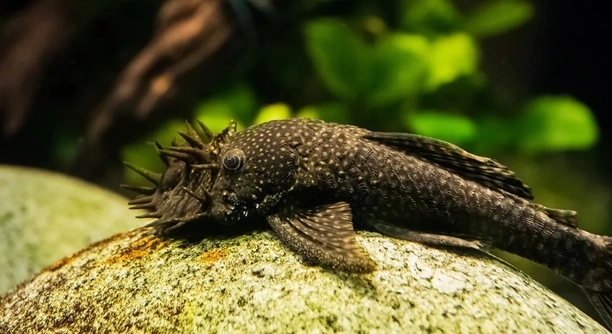
Do you ever notice your bristlenose pleco quietly exploring the corners of your tank and wonder if it might one day leave the water entirely? These small catfish are often calm, but their behavior can surprise owners.
Bristlenose plecos can jump out of tanks, though it is not extremely common. They usually leap when stressed, searching for food, or escaping poor water conditions. Proper tank care and secure lids help prevent these incidents effectively.
Learning why plecos might jump and how to prevent it is essential for keeping them safe and healthy in your home aquarium.
Why Bristlenose Plecos Jump
Bristlenose plecos are usually calm fish, but certain conditions can make them jump out of their tanks. They might try to escape if water quality is poor or if the tank is overcrowded. Sometimes they leap simply because they are exploring their environment. Sudden changes in temperature or pH can also stress them. I’ve noticed that even small disturbances, like tapping on the glass or moving decorations, can make a pleco twitch and jump. Plecos also search for food actively, and if they smell something outside the tank, they may attempt to reach it. Providing hiding spots like caves, driftwood, and plants can reduce stress and give them a sense of security. Keeping the water clean, stable, and within proper parameters is essential. A secure lid is always recommended. Observing their behavior daily helps prevent unexpected jumps and keeps the pleco healthier.
Jumping usually happens during stress or sudden changes in the tank.
Stress, curiosity, and poor water conditions are the main triggers. Ensuring stable conditions and secure tanks reduces the risk of injury.
How to Prevent Tank Escapes
Using a tightly fitted lid is the most reliable way to stop a pleco from jumping. Even small gaps can allow them to escape, especially at night when they are more active. The lid should be ventilated enough for airflow but secure to prevent any chance of leaping. Regular water changes keep parameters stable and reduce stress, which lowers the likelihood of jumps. Adding plants, rocks, and caves gives plecos a comfortable space to hide and explore safely. Monitoring the temperature and pH daily ensures they stay in a healthy range, avoiding sudden changes that trigger jumping behavior. Feeding on a regular schedule also helps plecos focus on food rather than attempting to leave the tank. Even careful observation can prevent most incidents, as early signs of stress are often noticeable in their movements and fin behavior. Following these measures keeps plecos safe, comfortable, and healthy in their aquatic home.
Common Reasons Bristlenose Plecos Jump
Stress is one of the main reasons plecos leap from tanks. Changes in water quality, overcrowding, or sudden disturbances can make them react instinctively. Even minor disruptions in their environment may trigger a jump as a survival response.
Temperature swings or improper pH levels are frequent stressors for plecos. I’ve seen tanks where a simple drop in temperature overnight caused a pleco to dart toward the water surface repeatedly. Lack of hiding spots also contributes; plecos feel exposed without caves or plants. Feeding habits matter too. If they are hungry and smell food outside the tank, they may attempt a leap to reach it. Stressful conditions make their natural curiosity more dangerous, increasing the risk of jumping. Ensuring water stability and a secure, enriched environment helps prevent these accidents.
Sometimes plecos jump simply out of curiosity rather than stress. They explore surfaces and gaps, testing boundaries instinctively. Even in well-maintained tanks, a pleco might try to investigate an opening or a new object near the surface. Their nocturnal nature also plays a role. At night, they become more active, and movements or shadows above the water may startle them. Providing a secure top and maintaining consistent conditions reduces unnecessary exploration risks. Observation and small adjustments in tank layout can keep plecos safer while allowing them room to be active and comfortable.
Signs Your Pleco Might Jump
Restlessness and frequent darting toward the tank surface are clear indicators. Increased activity at night often signals potential jumping behavior. Stress or curiosity usually manifests as rapid swimming along glass edges.
Changes in fins or body position are other warning signs. I’ve noticed my pleco flattening its body against surfaces or flicking its tail more often when stressed. Loss of appetite, hiding more than usual, or sudden aggression can indicate environmental issues. Observing these behaviors daily allows early intervention, like checking water quality or adding hiding spots. Even minor signs, if ignored, can lead to a jump attempt. Providing a calm, enriched environment minimizes risk, while careful monitoring ensures plecos remain safe. Early recognition helps prevent injury and maintains their overall health in the tank.
Tank Setup Tips
A secure lid is essential to prevent plecos from jumping. Even small gaps can be dangerous. Weighted lids or mesh covers work well, keeping your pleco inside while allowing air circulation.
Adding caves, driftwood, and plants gives plecos places to hide. Comfortable spaces reduce stress and limit jumping behavior.
Water Quality Considerations
Maintaining stable water parameters is crucial. Sudden changes in temperature, pH, or ammonia levels can stress plecos and trigger jumps. Regular water testing helps detect issues early. Consistent water changes, ideally weekly, keep the environment healthy. Using a good filtration system ensures clean water, reducing harmful buildup. Observing your pleco’s behavior also signals when conditions are off. Adjusting water parameters gradually avoids shocking the fish. Stress from poor water quality can lead to health problems and increase the risk of escape attempts. A calm, clean tank creates a safe home and minimizes sudden leaps.
Feeding and Nutrition
Feeding plecos regularly keeps them focused and less likely to explore outside the tank.
Nighttime Safety
Plecos are more active at night, so ensuring a secure environment after lights go off is important to prevent jumps.
FAQ
Can bristlenose plecos survive if they jump out of the tank?
If a pleco jumps out, survival depends on how long it is out of water and the surface it lands on. Plecos can survive only a few minutes without water before drying out or suffocating. A fall onto a hard surface can injure them severely. Always check the area around the tank for fallen fish and return them immediately to water. Observing your tank closely at night and securing lids helps prevent this entirely.
How high can bristlenose plecos jump?
Bristlenose plecos are not strong jumpers compared to other fish, but they can leap a few inches above the water. They usually aim for edges or gaps rather than high distances. Their jumping ability is influenced by stress, water conditions, and motivation, such as chasing food. Even a few inches is enough for them to escape a tank with an unsecured lid.
Why does my pleco seem to jump more at night?
Plecos are nocturnal, meaning they are naturally more active at night. Darkness encourages exploration and feeding behavior. Any shadows or disturbances outside the tank during nighttime can startle them, prompting sudden jumps. Nighttime activity is normal, but it’s important to ensure a secure lid and a calm environment to minimize risks.
Do plecos jump because of water quality issues?
Yes, poor water quality is a major trigger for jumping. High ammonia, nitrite spikes, sudden temperature changes, or improper pH levels stress plecos and can provoke escape attempts. Keeping water parameters stable and performing regular water changes reduces stress and keeps your pleco comfortable. Observing unusual swimming patterns can help detect problems before they become dangerous.
Will adding more hiding spots reduce jumping?
Adding caves, driftwood, plants, and other hiding spots makes plecos feel secure. When they have comfortable areas to retreat to, they are less likely to explore unsafe areas near the water surface. I’ve found that even small pieces of driftwood can make a big difference in reducing stress-related jumps. A well-decorated tank keeps plecos calmer and safer.
Are younger plecos more likely to jump than older ones?
Juvenile plecos are often more active and curious than adults. This increased exploration can make them more prone to leaping from the tank. Adults tend to be more settled, but stress or environmental changes can still trigger jumps at any age. Observing younger plecos carefully and securing the tank is important during their early months.
Can diet influence jumping behavior?
Yes, plecos that are hungry or searching for food outside the tank may attempt to jump. Providing a balanced diet on a regular schedule keeps them focused and less likely to explore unsafe areas. Foods like algae wafers, vegetables, and occasional protein treats satisfy nutritional needs and reduce food-driven leaps.
Is it possible for plecos to injure themselves by jumping?
Absolutely. Even a small jump can lead to injuries such as torn fins, damaged scales, or internal harm if they hit a hard surface. Prompt attention and returning them safely to water is crucial. Preventing jumps with secure lids and calm conditions is the most effective safety measure.
How can I make my tank safer at night?
A secure, weighted lid is the first step. Avoid sudden lights, tapping, or moving objects near the tank after dark. Providing sufficient hiding spots reduces stress during nighttime activity. Gentle observation without disturbing the tank lets plecos stay active without risk.
Can multiple plecos jumping increase risk?
Yes, if multiple plecos are in the same tank, one jumping can trigger others to react. Overcrowding, stress, or competition for hiding spots increases the likelihood. Ensuring enough space, hiding spots, and a calm environment reduces chain reactions of jumping.
What are early warning signs that a pleco might jump?
Restless swimming, frequent darting toward the water surface, tail flicking, and flattening against surfaces are all early indicators. Changes in appetite or unusual hiding behavior can also signal stress. Noticing these behaviors early allows you to intervene by checking water quality or improving tank security.
Does tank size affect jumping behavior?
Smaller tanks often lead to increased stress and less room to hide, making plecos more likely to explore the surface or attempt to escape. Larger tanks with adequate hiding spots reduce stress and allow natural behavior, lowering the risk of jumping. Proper sizing tailored to your pleco population is essential.
Can plecos jump if the water level is too high?
Yes, high water levels near the top of the tank can make it easier for a pleco to leap out. Maintaining a slight gap below the lid provides space for safe movement while still preventing escapes. Adjusting water level along with a secure cover is a simple but effective precaution.
How often should I check my pleco’s behavior for jumping signs?
Daily observation is best. Even short periods of restlessness or unusual movements can indicate stress or environmental issues. Regular checks allow early corrections, whether adjusting water quality, rearranging decorations, or monitoring food intake. Consistency in observation keeps plecos safe and minimizes jumps.
Are plecos more likely to jump in new tanks?
Yes, new tanks can cause stress due to unfamiliar surroundings, water chemistry, and lack of hiding spots. Young or newly introduced plecos often explore more, increasing jump attempts. Gradually acclimating plecos to a new tank and ensuring secure conditions is key to preventing accidents.
Do lights or external disturbances affect jumping?
Bright lights, shadows, or tapping on the tank glass can startle plecos. Sudden disturbances increase their instinct to leap. Keeping the tank in a quiet area and avoiding unnecessary movements near the water helps minimize jump triggers, especially during nighttime or feeding periods.
How can I make an escape-proof environment for plecos?
Use a secure lid, maintain stable water conditions, provide hiding spots, and avoid disturbances. Regular monitoring of their behavior helps identify stress early. Combining these steps creates a safe environment where plecos can explore naturally without risking injury or jumping out of the tank.
Is jumping more common in certain pleco species?
Bristlenose plecos are less likely to jump than some other plecos, but individual behavior varies. Stress, tank setup, and water quality are more influential than species alone. Observing your pleco and adapting its environment is more important than relying on general species tendencies.
Can plecos recover from a jump incident?
If a pleco lands safely and is returned quickly to water, it may recover fully. Minor stress or scrapes can heal, but severe injuries might require veterinary attention. Preventing jumps remains the safest approach, as recovery depends heavily on how quickly and carefully the fish is returned to water.
Do plecos jump for fun or play?
Jumping is usually instinctive, driven by stress, curiosity, or food motivation. While they may explore, it is not a playful act like with mammals. Understanding their behavior helps anticipate risks and maintain a safe, enriched environment to keep them active without harm.
Bristlenose plecos are generally calm, gentle fish, but like all living creatures, they have instincts that sometimes surprise us. One of these behaviors is their occasional tendency to jump out of tanks. While it may seem strange or alarming at first, jumping is usually a response to stress, curiosity, or environmental factors rather than random mischief. Plecos are naturally nocturnal and enjoy exploring their surroundings, which means they may attempt to reach areas beyond the water if they feel uncomfortable or threatened. Small changes in water quality, sudden disturbances, or lack of proper hiding spots can all increase the likelihood of a jump. Observing your pleco’s daily behavior is one of the best ways to understand its needs and prevent accidents. By paying attention to its movements, appetite, and overall activity, you can notice early warning signs that indicate stress or discomfort. Simple adjustments, like providing additional hiding spots or stabilizing water conditions, often make a significant difference in preventing escape attempts.
Water quality and tank setup play a central role in keeping plecos safe. Plecos are highly sensitive to changes in ammonia, nitrite, pH, and temperature. Even small fluctuations can trigger stress responses that lead to jumping. Regular water testing, consistent maintenance routines, and appropriate filtration are essential to maintain a stable environment. Alongside water quality, the physical setup of the tank is equally important. Secure lids are a practical necessity, as even small gaps can be enough for a pleco to escape. Providing caves, plants, and driftwood creates a comfortable and secure environment, allowing plecos to feel safe while exploring. Proper feeding schedules and a balanced diet also reduce stress and prevent food-driven jumps. Combining these strategies ensures a safer home where plecos can display natural behaviors without unnecessary risk. Over time, these precautions become routine, and your pleco can thrive with minimal danger of jumping accidents.
Understanding pleco behavior and providing an environment that meets their needs helps owners build confidence in caring for them. While jumping can be startling, it is usually preventable with the right preparation. Creating a calm, stable, and enriched tank environment minimizes stress and allows plecos to be active without risk. Regular observation, maintenance, and attention to their habits are key to reducing the chances of injury. Plecos may remain curious and exploratory, but they can live safely and comfortably when owners take proactive steps. Being aware of their natural tendencies, combining environmental security with proper care, and responding to warning signs promptly ensures long-term health and well-being for these unique fish. Over time, observing their daily routines becomes rewarding, and owners can enjoy the calm presence of bristlenose plecos without the worry of unexpected jumps. With the right balance of care, plecos can thrive happily in any properly maintained tank.

Hello,
If you enjoy the content that we create, please consider saying a "Thank You!" by leaving a tip.
Every little bit helps us continue crafting quality advice that supports the health, happiness, and well-being of pets around the world, for pets of all shapes, sizes, and species.
We really appreciate the kindness and support that you show us!