
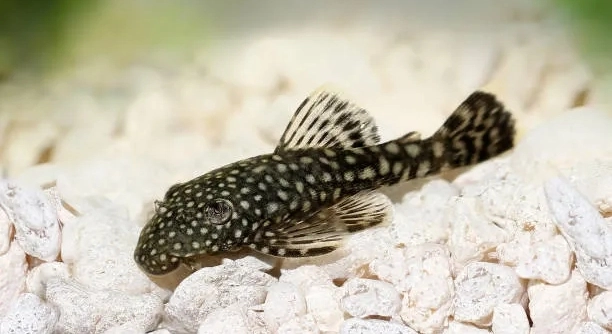
Are your plecos showing signs of stress, aggression, or unusual behavior in their tank? Observing these subtle cues is important for maintaining a healthy aquatic environment and ensuring the well-being of your fish companions.
Overcrowding in a pleco tank occurs when the number of fish exceeds the space and resources available. This can lead to poor water quality, increased aggression, stunted growth, and heightened susceptibility to disease, negatively impacting the overall health of the aquarium.
Recognizing early signs of overcrowding allows you to take corrective action. Maintaining a balanced environment is essential for your plecos’ comfort, growth, and long-term health.
Uneaten Food Piling Up
When you notice leftover food accumulating at the bottom of your pleco tank, it can be a clear indication of overcrowding. In a properly stocked tank, plecos will consume food efficiently without leaving much behind. Excess food that remains uneaten begins to decompose, releasing harmful ammonia and nitrites into the water. These chemical changes stress your fish, leading to weakened immune systems and increased susceptibility to disease. Overfeeding and overcrowding often go hand in hand because more fish produce more waste, requiring additional feeding to maintain health. Uneaten food not only deteriorates water quality but also encourages algae growth, which can further disrupt the balance of the aquarium. Observing feeding habits regularly can help you detect these issues early and adjust both the number of plecos and the amount of food offered, maintaining a healthier environment for all tank inhabitants.
Excessive leftover food is often the first visible sign that your pleco tank may be too crowded.
Keeping track of feeding patterns is essential. If food remains uneaten regularly, consider reducing fish density or adjusting portion sizes. Addressing this prevents long-term health problems and helps maintain clean, safe water conditions for your plecos, ensuring they thrive in a stable environment.
Stunted Growth and Small Size
If your plecos remain noticeably smaller than expected, overcrowding could be affecting their growth. Limited space and competition for food and oxygen prevent them from reaching their full potential. In cramped tanks, plecos often have restricted movement, which impacts their metabolism and development. Constant competition for resources can lead to malnutrition, even when food seems adequate. Overcrowded conditions also elevate stress levels, further slowing growth and weakening immune systems. This is particularly evident in younger fish, whose growth rates are most sensitive to environmental conditions. Monitoring size and growth over time helps identify problems early. Correcting overcrowding by reducing the number of fish or increasing tank space allows plecos to grow healthily, improving overall vitality and lifespan. Maintaining clean water and a balanced diet alongside proper space ensures optimal growth and long-term well-being. Regular observation and timely action are key to preventing stunted growth.
Restricted space and competition are primary reasons plecos fail to grow properly.
Adjusting tank population and ensuring sufficient nutrition and oxygen levels can reverse growth issues. A stable environment encourages proper development, healthier behavior, and stronger resistance to disease. Regularly assessing tank conditions and individual fish size supports their overall health and longevity.
Aggressive Behavior
Overcrowded pleco tanks often lead to fighting. Territorial disputes increase as fish compete for limited hiding spots and resources, causing stress and injury.
Aggression in plecos can be subtle at first, such as chasing or nipping at each other. Over time, constant stress from crowded conditions may escalate, resulting in visible wounds, torn fins, or damaged scales. This behavior is more common during feeding times when competition for food becomes intense. Plecos that are naturally more territorial suffer the most, while less dominant fish may hide constantly, reducing their activity and affecting their health. Regularly observing interactions and noting signs of aggression can help determine if overcrowding is a problem. Adjusting tank population or providing additional hiding places can alleviate tension and improve harmony.
In some cases, aggression leads to long-term health problems. Injuries from fighting can become infected, especially in poor water conditions. Ensuring adequate space and enrichment in the tank allows plecos to coexist peacefully, reduces stress, and supports healthier growth and behavior.
Cloudy or Dirty Water
Overcrowding directly impacts water clarity, leading to cloudy or dirty conditions. Waste accumulates faster than filtration can handle, stressing fish and affecting oxygen levels.
Poor water quality results from a combination of excess fish waste, uneaten food, and decaying plant matter. Ammonia and nitrite levels rise quickly in a crowded tank, causing cloudy water and increasing the risk of disease. Even with regular maintenance, an overcrowded tank struggles to maintain stable conditions. The water may also develop an unpleasant odor, signaling that the ecosystem is overwhelmed. Observing water clarity daily is essential, as sudden changes indicate immediate intervention is needed.
Maintaining clean water in a crowded tank requires frequent partial water changes and careful monitoring of chemical levels. Overcrowding reduces the effectiveness of standard filtration, meaning both mechanical and biological filtration must work harder to sustain a healthy environment. Providing adequate space and avoiding excessive stocking helps maintain clarity, promotes healthy bacterial balance, and ensures your plecos thrive in a stable, clean habitat.
Frequent Hiding
Plecos will hide more often when their tank is overcrowded. Limited space and competition for shelter make them feel insecure and stressed.
Excessive hiding reduces activity and feeding. Fish may spend most of their time in corners or under decorations, affecting growth and overall health.
Rapid Water Parameter Fluctuations
Overcrowding causes frequent swings in ammonia, nitrite, and nitrate levels. Each additional fish increases waste production, overwhelming filtration systems. Rapid fluctuations can weaken plecos’ immune systems, making them more susceptible to illness. Regular testing and monitoring are essential, as unstable water parameters are a key indicator of an overstocked tank. Maintaining stable conditions requires either reducing the number of fish or upgrading filtration to handle higher bio-load. Proper care and intervention prevent long-term health issues, ensuring plecos remain active, healthy, and less stressed.
Constant Surface Gasping
Plecos may gasp at the surface frequently when oxygen levels are low. Overcrowding reduces oxygen availability, prompting this behavior.
FAQ
How many plecos should I keep in a single tank?
The number of plecos you can keep depends on the tank size and species. Larger tanks can support more fish, but each pleco still needs adequate space to move, feed, and establish territories. Overcrowding increases stress and can lead to health problems, so it’s better to keep fewer fish than too many. A general rule is one adult pleco per 30–50 gallons, but always consider hiding spots, decorations, and filtration capacity when deciding how many to keep. Monitoring behavior and water quality helps ensure your tank remains healthy.
Why is my pleco hiding all the time?
Hiding is natural for plecos, but excessive hiding often signals stress from overcrowding or poor water conditions. When there are too many fish, plecos feel insecure and spend most of their time in caves, under driftwood, or behind decorations. Limited space prevents them from exploring or feeding properly. Observing your fish’s behavior can help determine if the tank is too crowded. Providing additional hiding spots can reduce stress, but if hiding continues excessively, it may indicate that tank population or water quality needs adjustment.
What causes cloudy water in a pleco tank?
Cloudy water usually results from an excess of waste, uneaten food, or decaying plant matter. Overcrowding accelerates this problem because filtration systems struggle to handle higher bio-loads. High ammonia or nitrite levels also contribute to cloudiness and stress your fish. Regular water changes and careful feeding help maintain clarity, but overcrowding is often the underlying reason. Observing water quality daily and testing chemical levels allows you to act before it harms plecos’ health. Upgrading filtration or reducing the number of fish is often the most effective solution for persistent cloudy water.
How can I tell if my plecos are stressed?
Signs of stress include aggression, frequent hiding, rapid breathing, surface gasping, and loss of appetite. Overcrowding is a common cause because competition for space, food, and oxygen creates constant tension. Stress can lead to stunted growth, weakened immunity, and higher susceptibility to disease. Observing behavior and physical condition regularly helps detect stress early. Adjusting tank population, improving filtration, and maintaining water quality can reduce stress and create a more comfortable environment for plecos.
Can too many plecos harm water quality?
Yes. Each pleco produces waste, which increases ammonia, nitrite, and nitrate levels. Overcrowding overwhelms filtration systems and causes rapid fluctuations in water parameters. Poor water quality directly impacts health, causing stress, disease, and even death. Monitoring water chemistry and performing regular water changes are critical. Reducing fish numbers or upgrading filtration ensures the ecosystem remains stable. Maintaining clean water supports growth, activity, and overall well-being.
What are the risks of stunted growth in plecos?
Stunted growth results from limited space, poor water quality, and competition for food. Overcrowded conditions prevent plecos from reaching their full size and can cause long-term health issues. Smaller fish are more vulnerable to stress and disease. Providing adequate tank space, sufficient nutrition, and a stable environment allows proper growth and reduces health risks. Regular observation of size and development helps identify problems early and ensures plecos thrive.
How often should I monitor my pleco tank for overcrowding?
Observation should be daily. Watch for signs like aggression, hiding, leftover food, surface gasping, or cloudy water. These indicators often appear before water tests show chemical issues. Keeping a consistent eye on behavior and water clarity allows timely intervention. Adjusting fish numbers or improving tank setup prevents long-term damage and promotes a healthy, balanced environment for plecos.
What steps can I take if my tank is overcrowded?
Reducing fish numbers is the most direct solution. You can move plecos to another tank or rehome some if necessary. Upgrading filtration, adding hiding spaces, and performing more frequent water changes also help alleviate stress. Monitoring behavior and water parameters ensures the tank stabilizes. Prioritizing fish health and comfort prevents disease, aggression, and growth issues, allowing your plecos to live in a healthier, more natural environment.
Are there signs that indicate overcrowding is resolved?
Yes. Fish become more active, hide less, and feed normally. Aggression decreases, and water clarity stabilizes. Regular testing shows stable ammonia, nitrite, and nitrate levels. Plecos may grow more consistently and display healthier coloration. Observing these changes confirms that adjustments have successfully reduced stress and improved the tank environment.
Can overcrowding shorten a pleco’s lifespan?
Absolutely. Constant stress, poor water quality, and limited space negatively impact health, making plecos more prone to disease and stunted growth. Reducing overcrowding, improving conditions, and providing proper care significantly increases lifespan and ensures fish thrive in a balanced tank.
Overcrowding in a pleco tank is a common issue that can quietly affect the health and behavior of your fish. Even when water looks clear and feeding seems normal, having too many plecos in a confined space increases stress and competition. Stressful conditions lead to a range of problems, including aggression, excessive hiding, stunted growth, and weaker immune systems. It is important to regularly observe your tank and watch for subtle signs that indicate your fish may be uncomfortable or struggling to thrive. Small adjustments, such as reducing the number of fish, increasing hiding spots, or improving filtration, can make a significant difference in the overall well-being of your plecos. Paying attention to these details ensures that each fish has enough space to move freely, access food easily, and maintain natural behaviors without constant competition or conflict.
Maintaining a healthy pleco tank requires more than just feeding and water changes. Proper stocking levels are essential to prevent overcrowding and the issues it creates. Overcrowded conditions lead to more waste, which directly affects water quality and stability. Ammonia, nitrite, and nitrate levels can fluctuate rapidly when a tank is overstocked, placing additional stress on fish and creating a higher risk of disease. Cloudy water, leftover food, and surface gasping are all signs that the tank may be overwhelmed. By monitoring these factors closely and addressing overcrowding promptly, you can maintain a stable environment that supports healthy growth and reduces behavioral problems. Ensuring proper tank size, adequate filtration, and sufficient hiding spaces gives plecos a more comfortable environment, helping them thrive both physically and mentally.
Taking steps to prevent or correct overcrowding not only improves the immediate health of your plecos but also contributes to their long-term well-being. Healthy plecos are more active, feed consistently, and display natural behavior, which makes maintaining the tank easier and more enjoyable. Observing water clarity, fish interactions, and feeding patterns provides valuable insight into the condition of your aquarium and helps identify problems early. Consistent monitoring, paired with careful planning for tank capacity and fish population, allows you to provide a balanced and sustainable habitat. By prioritizing space, water quality, and enrichment, you create a supportive environment where plecos can live longer, grow properly, and remain resilient against stress and disease. In the end, paying attention to overcrowding ensures that your plecos remain healthy, happy, and thriving in a well-maintained aquatic environment.

Hello,
If you enjoy the content that we create, please consider saying a "Thank You!" by leaving a tip.
Every little bit helps us continue crafting quality advice that supports the health, happiness, and well-being of pets around the world, for pets of all shapes, sizes, and species.
We really appreciate the kindness and support that you show us!