
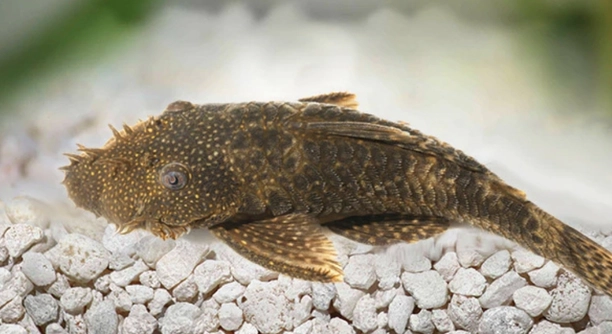
Do you ever find yourself struggling to keep your plecos properly fed without wasting food or clouding their tank water?
Making feeding plecos more efficient involves understanding their dietary habits, feeding schedules, and food types. Providing balanced portions, using sinking pellets, and maintaining consistent feeding times ensures optimal nutrition, reduces waste, and supports healthier, more active fish.
Learning small changes in feeding habits can greatly improve your plecos’ diet and overall tank cleanliness, making care easier and more rewarding.
Understand Their Feeding Habits
Plecos are nocturnal feeders, meaning they prefer eating during the evening or early night hours. Observing their habits can help you plan feeding times that align with their natural behavior. Many plecos rely on algae for nutrition, but supplemental foods are important for their health. Balanced feeding reduces the chance of leftover food decomposing in the tank, which can harm water quality. Younger plecos may require more frequent meals compared to adults, who can thrive with fewer feedings. Knowing your pleco’s activity level, size, and diet preference allows you to create a feeding routine that suits their needs perfectly.
Paying attention to how much food your pleco consumes each time will also help you avoid overfeeding. This not only saves food but keeps the water clean and safe.
Plecos thrive when their diet closely mimics their natural environment. Supplementing algae with vegetables like zucchini or cucumber offers extra nutrients that improve digestion and overall well-being. For carnivorous pleco species, sinking protein pellets or wafers are ideal. These sink quickly, preventing competition with surface-feeding fish. Monitoring how fast the food disappears helps you adjust portions accordingly. Over time, this simple routine promotes efficient feeding and healthier, happier plecos that remain active and vibrant without compromising the cleanliness of your aquarium.
Choose the Right Food
Not all plecos eat the same type of food. Some prefer algae-based diets, while others need more protein for growth and strength.
Selecting the right food depends on your pleco’s species. Herbivorous plecos benefit from spirulina wafers, fresh vegetables, and algae growth within the tank. Carnivorous or omnivorous species require shrimp pellets, bloodworms, or high-protein sinking foods to meet their dietary needs. Using high-quality commercial pellets designed for bottom feeders ensures that the nutrients stay intact as the food sinks. This prevents it from dissolving too fast and clouding the water. It is also wise to rotate between plant and protein sources to offer variety and prevent nutritional deficiencies. When feeding, place food near their hiding spots or under driftwood, where plecos naturally feel comfortable. Over time, using the correct diet and feeding techniques creates a cleaner environment, reduces waste buildup, and keeps your plecos healthy, active, and well-fed without unnecessary effort.
Maintain a Consistent Feeding Schedule
Keeping a regular feeding schedule helps plecos stay healthy and active. Feeding them at the same time each evening supports their nocturnal habits and prevents overeating or leftover food from polluting the tank.
Plecos adapt quickly to predictable feeding patterns. Consistency allows their digestive system to function properly and minimizes waste. Feeding them once daily or every other day is usually enough, depending on their size and activity. Uneaten food should be removed after a few hours to maintain water quality. A consistent schedule also reduces stress, as plecos begin recognizing when food is coming, helping them eat calmly and efficiently. Stable feeding times not only benefit the fish but make maintenance easier for you.
By maintaining regular feeding habits, you establish a balanced environment where your plecos can thrive. Proper timing supports their natural rhythms, encourages steady growth, and ensures your aquarium remains clean, peaceful, and easy to manage.
Control Portions and Avoid Overfeeding
Feeding too much can lead to leftover food, poor water conditions, and unhealthy plecos. Small, measured portions are more beneficial and keep your aquarium cleaner and balanced.
Start by offering only what your plecos can eat within a few hours. If food remains after that, reduce the amount next time. Overfeeding causes excess waste, ammonia spikes, and cloudy water, all of which stress your fish. Plecos have slow metabolisms, meaning they do not need large meals daily. Observe their eating behavior and adjust accordingly. Using sinking pellets or small vegetable slices allows you to control portions easily. For multiple plecos, place food in different tank areas so each fish gets its share. Gradually, you will notice clearer water, better health, and more consistent feeding behavior. Efficient feeding is about quality, not quantity, and mastering portion control keeps both your plecos and aquarium in perfect balance.
Use Feeding Tools
Feeding tools like clips, dishes, and tongs help control where food goes and prevent it from spreading across the tank. This keeps your aquarium cleaner and makes it easier for plecos to find their food quickly.
Using a feeding dish ensures the food stays in one spot and reduces waste buildup in the substrate. Clips are perfect for holding vegetables like zucchini or cucumber, allowing plecos to graze easily without creating a mess.
Monitor Water Quality
Efficient feeding depends heavily on maintaining clean water. Excess food quickly breaks down and releases harmful toxins, affecting your plecos’ health. Regular water testing helps you identify imbalances before they become serious problems. Perform partial water changes weekly and clean filters to prevent buildup. A balanced feeding routine goes hand in hand with good water maintenance, ensuring your plecos stay healthy and active while reducing your overall tank upkeep.
Offer Occasional Treats
Treats like blanched vegetables or algae wafers can be added once or twice a week for variety. Occasional treats make feeding more enjoyable for your plecos while supporting their nutritional balance without disrupting their regular diet or water cleanliness.
FAQ
How often should plecos be fed?
Most plecos do well with one feeding per day or every other day. Their slow metabolism means they do not need frequent meals. Feeding too often can lead to uneaten food, dirty water, and stress. Evening feedings are best since plecos are nocturnal and prefer eating when the lights are dim or off. Observing your pleco’s activity level helps you decide if they need adjustments in feeding frequency. Younger plecos may eat more often, but adult ones usually maintain their health with fewer feedings. Consistency keeps them active and supports healthy digestion.
What type of food is best for plecos?
The ideal food depends on the species. Herbivorous plecos thrive on algae wafers, spirulina pellets, and fresh vegetables like cucumber, zucchini, or spinach. Omnivorous and carnivorous types prefer shrimp pellets, bloodworms, or protein-based sinking foods. A combination of plant and protein sources keeps their diet balanced. It’s best to rotate foods occasionally to provide variety and prevent deficiencies. Always use sinking food since plecos feed from the tank’s bottom. This approach ensures every meal reaches them easily, helping maintain healthy growth and vibrant colors.
Can plecos survive on algae alone?
No, plecos cannot rely solely on algae for proper nutrition. While algae are a natural part of their diet, it does not supply enough nutrients to meet their dietary needs. Supplemental foods like pellets, wafers, and vegetables are essential to maintain balanced health. Over time, algae levels in tanks may decrease, leaving plecos without consistent nourishment. Mixing algae with other food sources ensures they receive enough protein, fiber, and minerals to stay strong and active.
Why does leftover food make the tank cloudy?
When uneaten food breaks down, it releases ammonia and bacteria into the water. These substances cause cloudy water, unpleasant odors, and stress for your fish. Plecos often eat slowly, so feeding too much at once can lead to leftovers accumulating in hidden areas. Using smaller portions and removing uneaten food after a few hours prevents this issue. Regular water changes and filter maintenance also help control cloudiness. Keeping food portions balanced keeps the tank cleaner, making it easier to maintain good water quality long-term.
Should plecos be fed during the day or night?
Plecos are nocturnal, so they prefer to eat at night when the environment is quiet and dark. Feeding them shortly before turning off the lights works best. This matches their natural feeding rhythm and ensures they consume food before it spoils. If other fish in the tank are aggressive eaters, nighttime feeding allows plecos to eat peacefully. Maintaining this schedule keeps their metabolism steady and supports their overall well-being.
What vegetables can plecos eat safely?
Plecos enjoy blanched vegetables such as zucchini, cucumber, spinach, peas, and lettuce. These foods are rich in fiber and essential vitamins. Always remove uneaten vegetables after a few hours to prevent spoilage. For convenience, you can use feeding clips to secure the vegetables in place. This keeps the tank tidy and lets plecos graze comfortably. Avoid vegetables that are heavily seasoned, salted, or oily, as they can harm your fish and water quality.
How do I know if my pleco is getting enough food?
Healthy plecos display steady activity, vibrant color, and firm body shape. If your pleco looks thin, pale, or inactive, it might not be getting enough to eat. Observe how much food remains after each feeding and adjust portions accordingly. Watching your pleco at night can also help you determine if it’s feeding properly. Each pleco has slightly different needs depending on its size, species, and tank environment. Balanced feeding and observation ensure long-term health and stable energy levels.
Can plecos eat leftover fish food from other species?
Yes, plecos may eat leftover food, but it should not be their main diet. Most tropical fish foods are designed for surface feeders, not bottom dwellers. Plecos need sinking foods that reach the bottom quickly. Relying solely on leftovers can cause malnutrition and poor growth. If other fish leave uneaten bits, it’s fine for plecos to consume them occasionally, but always provide their specific food as the main source. This ensures they receive adequate nutrients and stay healthy without depending on scraps.
Why is my pleco ignoring the food I provide?
If your pleco isn’t eating, several factors may be involved. The water temperature might be too low, or it may be adjusting to a new environment. Sometimes, plecos ignore food during the day because they feel safer eating at night. Try feeding after lights go out and check if the food is gone by morning. Ensure the food type suits your pleco’s species—some prefer plant-based diets, others protein-rich options. Poor water quality can also reduce appetite. Addressing these issues usually restores normal feeding behavior quickly.
Final Thoughts
Feeding plecos efficiently requires understanding their natural habits and nutritional needs. These fish are nocturnal, bottom-dwelling feeders, which means their feeding behavior differs from many other aquarium species. Providing food at the right time and in appropriate amounts ensures they get enough nutrients without compromising water quality. Overfeeding can quickly lead to uneaten food, which decomposes and produces harmful chemicals in the tank. By observing your plecos and adjusting feeding routines, you can create a stable environment that supports their health and reduces the effort required to maintain your aquarium. Small, consistent steps in feeding habits make a big difference in overall tank cleanliness and fish well-being.
Choosing the right type of food is also essential for efficient feeding. Plecos have different dietary needs depending on their species. Herbivorous plecos thrive on algae, spirulina wafers, and blanched vegetables like zucchini or cucumber, while omnivorous and carnivorous species need protein-rich foods such as shrimp pellets or bloodworms. Rotating food types provides variety and prevents nutritional deficiencies. Using sinking foods ensures plecos can access their meals easily and prevents food from dispersing throughout the tank, which can affect other fish and contribute to water quality issues. Controlling portions and monitoring how quickly food disappears helps prevent overfeeding while giving each pleco a fair share of food. Feeding tools such as clips or dishes can make this process more efficient, keeping food in place and reducing waste.
Maintaining clean water and a consistent feeding schedule are key to long-term success with plecos. Regular partial water changes, filter maintenance, and observation of eating behavior help keep the tank safe and healthy. Feeding at consistent times, particularly in the evening or at night, supports their natural rhythms and reduces stress. Occasional treats, like blanched vegetables or algae wafers, can be offered for variety without disrupting their routine. Paying attention to each pleco’s individual habits allows for precise adjustments that improve health and efficiency. Following these practices ensures plecos remain active, well-nourished, and vibrant, while keeping your aquarium cleaner and easier to manage overall.

Hello,
If you enjoy the content that we create, please consider saying a "Thank You!" by leaving a tip.
Every little bit helps us continue crafting quality advice that supports the health, happiness, and well-being of pets around the world, for pets of all shapes, sizes, and species.
We really appreciate the kindness and support that you show us!