
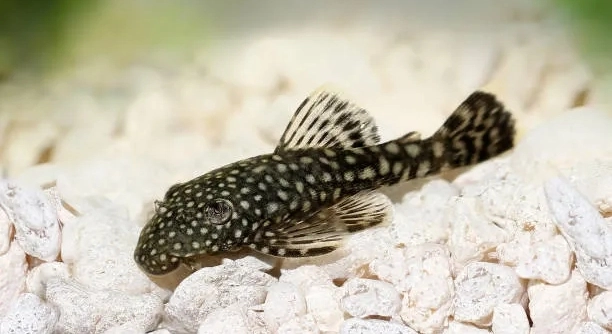
Have you ever watched your pleco swim silently across the tank, wondering what exactly goes into its diet and how to keep it healthy and thriving? Feeding these fascinating fish can be more complex than it seems.
Plecos require a varied diet that includes algae, vegetables, and occasional protein sources to maintain optimal health. Proper feeding routines support digestion, growth, and overall wellbeing, while preventing common issues like malnutrition, obesity, or water contamination.
Understanding the nuances of pleco feeding will help you provide a better environment and ensure your fish thrives for years to come.
Understanding Pleco Dietary Needs
Plecos are often thought to survive on algae alone, but they need a more balanced diet. Fresh vegetables like zucchini, cucumber, and spinach provide essential nutrients. Occasional protein, such as bloodworms or shrimp pellets, supports growth, especially for younger fish. Feeding should be regular but measured to avoid overfeeding, which can harm water quality and fish health. Observing your pleco’s behavior helps identify preferences and digestive health. Different species may have slightly different requirements, so it’s important to research your specific type. Providing hiding spots or driftwood also contributes indirectly to digestion, as some plecos rasp on wood to aid gut function. Overlooking these dietary details can lead to slow growth, weakened immune systems, or unusual behavior. Incorporating variety and understanding individual needs ensures your pleco remains active and healthy. Remember that a stable feeding schedule promotes consistency in tank conditions and overall wellbeing.
Monitoring your pleco’s appetite daily helps detect potential health issues early.
A proper feeding routine requires awareness of how your pleco interacts with food. Some may graze slowly, others eat quickly. Understanding the signs of fullness or stress during feeding prevents overeating. Observing patterns allows adjustments, like timing feedings or altering portions. Providing multiple food types ensures nutritional balance while keeping the fish engaged. Tank cleanliness is closely tied to feeding practices; leftover food can degrade water quality, leading to bacterial or fungal issues. Rotating vegetables, algae wafers, and protein helps cover nutritional gaps and prevents monotony. Adjusting diet as the pleco grows maintains health and vitality. Consistency in type, amount, and timing reinforces positive behaviors. Even small changes in feeding can have a noticeable impact on energy levels, coloration, and overall behavior.
Common Mistakes in Pleco Feeding
Many pleco owners overfeed or rely solely on commercial pellets.
Overfeeding plecos or providing an unbalanced diet can create digestive issues and water contamination. Excess food decomposes quickly, affecting water chemistry and promoting algae blooms. Owners often assume algae in the tank is sufficient, but plecos require more than what naturally grows. Ignoring their need for vegetables or protein can slow growth and reduce activity levels. Some fish may become aggressive if competition arises over limited food, stressing the tank’s ecosystem. Mistakes also include feeding at irregular times or giving food that floats instead of sinking, making it inaccessible to bottom-dwelling plecos. Using varied, species-appropriate foods at measured intervals minimizes risk. Observing reactions to each type helps refine diet plans and ensures all nutritional requirements are met. Consistent attention to feeding techniques preserves water quality, supports immune health, and encourages natural behaviors. Over time, these careful practices strengthen your fish’s resilience and enhance overall tank stability.
Recognizing Algae as a Supplement
Algae is only part of a pleco’s diet. While it provides some nutrients, relying on it exclusively is insufficient. Supplementing with vegetables and occasional protein is essential for healthy growth and activity.
Algae alone cannot provide all vitamins and minerals a pleco needs. Fresh vegetables such as zucchini, spinach, and cucumber supply fiber and essential nutrients. Protein sources like shrimp pellets or bloodworms are necessary occasionally, especially for juveniles. Feeding a variety ensures the fish maintains strong immunity, proper growth, and normal behavior. Observing how your pleco grazes helps determine if they need additional supplements, preventing nutritional gaps.
In addition to diet, environmental factors affect how much algae your pleco consumes. Well-lit tanks encourage natural growth, but overreliance can lead to an unbalanced diet. Offering sinking wafers or prepared foods can compensate for limited natural algae. Rotating between vegetable, protein, and algae sources ensures consistency in nutrition. This approach keeps your pleco active, healthy, and reduces the risk of digestive problems or lethargy caused by poor diet. Feeding should match both species needs and tank conditions.
Timing and Portion Control
Feeding frequency and portion size directly impact pleco health. Too much food at once can pollute water and stress the fish.
Maintaining a consistent feeding schedule helps regulate digestion and prevents overfeeding. Most plecos do well with small, measured portions once or twice daily. Observing the fish while feeding allows you to adjust the amount according to appetite. Removing uneaten food after a few hours prevents water contamination. Portion control also helps maintain ideal body weight, preventing obesity or nutrient deficiencies. Feeding too infrequently can lead to slow growth and malnutrition, while excessive feeding increases waste and algae problems.
Proper timing complements portion control by aligning with pleco natural behavior. Many species feed actively at night, so offering food in the evening encourages natural grazing habits. Spacing feedings evenly prevents spikes in waste and keeps water chemistry stable. Combining careful timing with measured portions ensures your pleco receives balanced nutrition without compromising tank cleanliness. Over time, these small adjustments contribute to stronger immune systems, better coloration, and more active, content fish. Tracking patterns allows further refinement of feeding practices.
Choosing the Right Vegetables
Not all vegetables are equally beneficial for plecos. Soft options like zucchini, cucumber, and spinach are easier to digest and provide essential nutrients.
Hard vegetables such as carrots or squash should be lightly cooked or softened before feeding. Rotating vegetables ensures variety and balanced nutrition, keeping your pleco healthy and active.
The Role of Protein
Plecos benefit from occasional protein sources to support growth and repair. Shrimp pellets, bloodworms, and occasional fish flakes can provide this. Careful moderation prevents digestive upset while ensuring nutritional needs are met, especially for juveniles or growing species.
Avoiding Overfeeding
Overfeeding is a common mistake that can harm water quality and fish health. Limiting portions and monitoring leftovers keeps both your pleco and tank environment stable.
FAQ
How often should I feed my pleco?
Most plecos do well with one to two feedings per day. Juveniles may require more frequent small portions, while adults often thrive on a single evening feeding. Observing your pleco’s behavior can help you determine the right schedule. Removing uneaten food prevents water quality issues.
Can plecos survive on algae alone?
Algae alone cannot meet all nutritional needs. While plecos will graze on algae, supplementation with fresh vegetables and occasional protein ensures proper growth, digestion, and overall health. A balanced diet prevents deficiencies and supports immune function.
What vegetables are best for plecos?
Soft, easy-to-digest vegetables such as zucchini, cucumber, and spinach are ideal. Harder vegetables like carrots or squash can be lightly cooked or softened before feeding. Rotating vegetables provides variety and ensures your pleco receives a broad spectrum of nutrients.
Is protein necessary in a pleco’s diet?
Yes, occasional protein is important, especially for younger or growing plecos. Sources like shrimp pellets, bloodworms, or fish flakes help maintain growth, muscle development, and overall vitality. Overfeeding protein can cause digestive issues, so moderation is key.
How do I know if my pleco is overfed?
Signs of overfeeding include leftover food in the tank, bloating, and sluggish behavior. Uneaten food can pollute water, causing ammonia spikes. Adjust portion sizes, monitor feeding times, and observe behavior to prevent overfeeding while maintaining proper nutrition.
What role does tank environment play in feeding?
A clean, well-maintained tank supports proper feeding habits. Water quality affects digestion and appetite. Providing hiding spots, driftwood, and areas for grazing encourages natural behaviors and aids in gut health. Regular water testing helps ensure feeding remains safe and effective.
Should I remove uneaten food immediately?
Yes, leftover food should be removed after a few hours. Decomposing food can lead to poor water quality, harmful bacteria, and algae blooms. Removing uneaten portions protects your pleco’s health and maintains stable tank conditions.
Can feeding too often harm plecos?
Frequent feedings can stress the digestive system and increase waste production. Maintaining a consistent schedule with measured portions helps prevent digestive problems and keeps water chemistry stable. Observing appetite patterns allows for better adjustments over time.
Do plecos require special feeding for growth?
Young plecos benefit from a slightly higher protein diet to support development. Adults require more vegetables for fiber and nutrition. Adjusting portions and food types according to age and species promotes healthy growth and longevity.
Are commercial foods enough for plecos?
Commercial algae wafers or pellets provide convenience but are not sufficient alone. They should be part of a varied diet including vegetables and occasional protein. Combining different foods ensures nutritional balance, supports digestion, and prevents deficiencies.
How do I introduce new foods to my pleco?
Introduce new foods gradually. Start with small portions and observe how the fish responds. Mixing new foods with familiar ones can encourage acceptance. Gradual introduction reduces the risk of digestive upset and helps identify preferred foods.
What is the best way to prevent digestive issues?
Providing a balanced diet with vegetables, algae, and occasional protein, along with proper portion control, reduces digestive problems. Monitoring feeding habits, adjusting amounts, and maintaining clean water also support a healthy digestive system.
Can I feed plecos at different times of the day?
Yes, but it’s best to feed them consistently, ideally in the evening when many species are more active. Consistent timing encourages natural grazing behavior and helps maintain stable water conditions, promoting overall health and wellbeing.
How much vegetable should I feed per day?
A small piece of zucchini, cucumber, or spinach is sufficient for most adult plecos. Amounts can be adjusted based on size and appetite. Ensure vegetables are fresh and rotated to provide variety and prevent nutrient gaps.
Do plecos need driftwood in their diet?
Some species, especially wood-eating plecos, benefit from driftwood. It provides fiber and aids digestion while supporting gut health. Even non-wood-eating species can use driftwood for grazing and maintaining natural behaviors, but it is not strictly essential for all plecos.
What are signs of malnutrition in plecos?
Malnutrition can show as slow growth, pale coloration, lethargy, or unusual behavior. Digestive issues may appear as bloating or irregular waste. Adjusting diet, adding variety, and monitoring feeding routines can correct deficiencies and improve overall health.
How can I make feeding more natural for plecos?
Simulating natural conditions, like placing vegetables near hiding spots and offering sinking food, encourages grazing behaviors. Maintaining proper tank lighting and water conditions also supports natural feeding habits and digestive health.
Can plecos eat frozen or dried foods?
Yes, frozen or dried foods such as bloodworms, shrimp, or spirulina pellets are suitable supplements. Thawing frozen foods properly and introducing them gradually prevents digestive issues and ensures nutritional benefits without harming water quality.
Is it necessary to feed all plecos the same diet?
Different species have unique dietary needs. While basic principles of vegetables, algae, and occasional protein apply broadly, researching species-specific requirements ensures proper nutrition, growth, and behavior patterns tailored to each type of pleco.
How do I transition plecos to new foods?
Gradual transition works best. Mix new foods with familiar options over several days, monitoring acceptance and digestion. This approach reduces stress, prevents digestive upset, and helps your pleco adapt to a balanced and varied diet successfully.
Final Thoughts
Feeding plecos may seem straightforward at first, but it involves more than just tossing algae into the tank. Plecos require a balanced diet that combines algae, fresh vegetables, and occasional protein to stay healthy. Vegetables like zucchini, cucumber, and spinach provide essential nutrients, while protein sources such as bloodworms or shrimp pellets support growth and muscle development. Each species has slightly different needs, so it is important to understand the type of pleco you own. Overfeeding or offering only one type of food can lead to health issues, including digestive problems, slow growth, and even changes in behavior. Observing your pleco during feeding times helps you understand its preferences and habits, allowing you to make small adjustments that improve nutrition and wellbeing. Proper feeding is closely tied to the tank environment. Uneaten food can quickly deteriorate water quality, creating harmful conditions for your fish. Removing leftover food, keeping the tank clean, and maintaining stable water parameters are just as important as the food itself. Driftwood and hiding spots also contribute indirectly to health, especially for species that rasp on wood, aiding digestion and supporting natural behavior.
Consistency is key when feeding plecos. Setting a regular schedule, whether once or twice daily depending on age and species, helps regulate digestion and reduces stress. Juveniles may require smaller, more frequent meals, while adults often thrive on one feeding in the evening. Portion control is equally important. Providing the right amount prevents overfeeding, which can lead to water contamination and obesity, and ensures your pleco receives just enough nutrients for growth and energy. Variety in diet is another critical factor. Relying solely on commercial pellets or naturally occurring algae will not cover all nutritional needs. Rotating vegetables, protein, and algae supplements encourages healthy eating habits, provides essential vitamins and minerals, and keeps your pleco engaged. Monitoring behavior during feeding, such as grazing patterns and activity levels, allows you to notice changes that could indicate health issues. Gradual introduction of new foods ensures the fish adapts without digestive upset. These simple steps create a stable feeding routine that benefits both your pleco and the overall tank ecosystem.
Understanding pleco feeding is about more than following instructions; it is about observing, adjusting, and maintaining balance. A healthy pleco is active, has good coloration, and displays normal behavior. Feeding practices directly influence these outcomes, making it worth investing attention and care. Maintaining clean water, providing balanced nutrition, and monitoring portion sizes all work together to create a thriving environment. Even small changes, such as adding a piece of vegetable or adjusting feeding times, can make a noticeable difference in health and vitality. Remember that each pleco is unique, and observing its reactions to food, portions, and timing will guide you toward the best routine. Proper feeding not only keeps your pleco alive but also promotes long-term wellbeing, ensuring it remains a vibrant and active member of your aquarium. Over time, careful attention to diet and environment creates a stable, healthy tank that supports natural behavior, prevents health issues, and encourages longevity. By combining consistency, variety, and observation, you can confidently provide the nutrition your pleco needs while maintaining a safe and balanced habitat for years to come.

Hello,
If you enjoy the content that we create, please consider saying a "Thank You!" by leaving a tip.
Every little bit helps us continue crafting quality advice that supports the health, happiness, and well-being of pets around the world, for pets of all shapes, sizes, and species.
We really appreciate the kindness and support that you show us!