
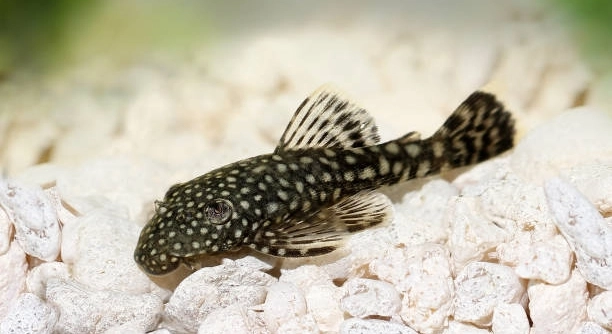
Do you ever find yourself preparing a new aquarium and wondering how to safely introduce a pleco to its environment without causing stress to the fish? Plecos are peaceful but sensitive creatures that require careful handling during acclimation.
The most effective method to introduce a pleco without stress involves gradually acclimating it to the tank’s water conditions. This includes floating the bag, slowly mixing tank water, and providing hiding spots to reduce anxiety and promote healthy adaptation.
Following these steps ensures your pleco adjusts smoothly, creating a calm and balanced environment in your aquarium from the very beginning.
Preparing the Tank for Your Pleco
Before introducing a pleco, it is important to prepare the tank carefully. Make sure the water is clean, properly filtered, and at the right temperature. Plecos prefer slightly acidic to neutral water with stable pH levels. Remove any strong decorations or sharp objects that could injure the fish. Adding smooth rocks, driftwood, and hiding spots will help your pleco feel secure. Check the water for chlorine or other harmful chemicals and ensure the tank has been cycled properly. Gradually adjust lighting and water flow to create a calm environment. Feeding areas should be accessible but not overcrowded. Avoid sudden changes to the tank that could stress the pleco. Monitoring water parameters daily for the first few weeks ensures your pleco adapts well. Maintaining consistency in temperature and cleanliness is key. Observing behavior during this period can help identify stress signs early, allowing for quick adjustments.
A stable and well-prepared tank reduces stress significantly when your pleco is introduced.
Plecos are nocturnal by nature, so keeping the tank dim during the first few days helps them acclimate. Introduce decorations and hiding spots before adding the fish. Slowly add a small amount of pleco food at night to encourage normal feeding behavior. Avoid overhandling or chasing the fish during this initial period. Maintain regular water checks and be patient. Once your pleco is exploring its tank confidently and feeding well, you can begin routine maintenance and gradually allow more interaction with other fish. These steps promote a calm transition and reduce the risk of stress-related illnesses.
Acclimating the Pleco
Acclimating a pleco properly prevents shock from sudden water changes.
Begin by floating the sealed bag in the tank for 20–30 minutes. Gradually mix small amounts of tank water into the bag every 5–10 minutes. This helps the pleco adjust to temperature and pH differences without stress. Slowly release the fish using a net rather than pouring it directly, minimizing the introduction of bag water into the tank. Ensure all hiding spots are available so the pleco can retreat if needed. Keep lights dimmed during this period, and avoid sudden movements or loud noises near the tank.
The acclimation process should be handled patiently to ensure the pleco feels secure. Start by observing the fish’s behavior, checking that it explores its surroundings and uses hiding spots appropriately. Avoid feeding immediately during the first hour to let the pleco settle. Over the next few days, continue adding small amounts of food at night, aligning with its natural nocturnal habits. Regular water monitoring and maintaining stable parameters are essential. Any signs of stress, such as rapid gill movement or hiding excessively, indicate the need for slower acclimation or minor adjustments in water conditions. By following these careful steps, your pleco can thrive in its new environment, minimizing health risks and promoting long-term comfort.
Feeding Your Pleco
Start with small portions of algae wafers and fresh vegetables like zucchini or cucumber. Feed once daily in the evening, matching its nocturnal activity. Remove uneaten food to maintain water quality and prevent decay.
Plecos need a balanced diet to stay healthy. While algae wafers provide essential nutrients, fresh vegetables supplement fiber and aid digestion. Rotate food types to keep meals varied, including occasional sinking pellets designed for bottom feeders. Monitor how much your pleco eats to avoid overfeeding, which can pollute the tank. Observing feeding habits also helps detect early signs of illness or stress.
Avoid feeding foods that float or are too large, as plecos prefer items that sink slowly. Chop vegetables into manageable sizes and blanch tougher pieces to make them easier to eat. Some plecos also enjoy driftwood for scraping and digestion support. Keep feeding consistent but flexible, adjusting portions based on activity levels. Over time, your pleco will settle into a feeding routine, exploring all available food without hesitation. Regular feeding times reinforce comfort and reduce stress during adaptation.
Monitoring Behavior
Watch for changes in swimming patterns, hiding, or aggression. These signs often reflect stress, illness, or environmental issues.
Plecos are usually calm and solitary. Excessive hiding or erratic swimming can indicate water problems or inadequate tank conditions. Check temperature, pH, and ammonia levels immediately if unusual behavior appears. Stress may also result from new tank mates or sudden changes in light and flow. Recording observations daily helps track progress and detect problems early.
Maintaining consistent tank conditions is essential to prevent stress-related behavior. Introduce changes gradually and avoid overcrowding the tank. Observing interactions with other fish ensures compatibility and prevents territorial disputes. Provide multiple hiding spots and resting areas so the pleco can retreat without confrontation. Watch feeding patterns closely; a decrease in appetite can signal discomfort or illness. By staying attentive to subtle changes, you can respond promptly, adjusting water parameters or tank layout to maintain a calm environment. Proper observation ensures your pleco remains healthy, confident, and well-adjusted in its new habitat.
Water Quality Maintenance
Regular water testing ensures the pleco’s tank stays healthy. Check ammonia, nitrite, nitrate, and pH levels at least twice a week. Stable water parameters prevent stress and support long-term well-being.
Partial water changes of 20–30% weekly help remove waste and maintain clarity. Avoid sudden temperature shifts during changes to keep the pleco calm.
Tank Decorations and Hiding Spots
Plecos need places to hide and explore. Driftwood, caves, and smooth rocks provide shelter and reduce stress. Arrange decorations to allow open swimming space while keeping hiding areas accessible. A well-structured environment encourages natural behavior and promotes comfort.
Nighttime Activity
Plecos are most active at night, so dim lighting supports their natural rhythm. Providing food and monitoring behavior during evening hours helps ensure healthy habits and reduces daytime stress.
Cleaning the Tank
Remove uneaten food, waste, and algae regularly to maintain water quality. Gentle cleaning prevents disturbing the pleco while keeping the environment safe and balanced.
FAQ
How often should I feed my pleco?
Plecos are primarily nocturnal feeders. Feeding once a day in the evening is usually sufficient. Offer a mix of algae wafers and fresh vegetables like zucchini or cucumber. Remove uneaten food after a few hours to prevent water quality issues. Overfeeding can lead to poor water conditions and health problems.
Can plecos live with other fish?
Yes, plecos are generally peaceful and can coexist with other non-aggressive fish. Avoid placing them with highly territorial or aggressive species. Provide plenty of hiding spots and open swimming areas to reduce potential stress or conflict. Monitoring interactions in the first few days is important.
How do I know if my pleco is stressed?
Stress in plecos can show as hiding constantly, erratic swimming, rapid gill movement, or refusal to eat. Changes in color or unusual behavior can also indicate discomfort. Check water parameters, tank mates, and feeding routines to identify potential stress factors.
What is the ideal water temperature for plecos?
Plecos prefer temperatures between 72°F and 82°F (22°C–28°C). Maintaining a stable temperature within this range supports health and reduces stress. Avoid sudden changes in temperature, which can shock the fish. Using a reliable heater and thermometer helps maintain consistency.
Do plecos need hiding spots?
Yes, hiding spots are essential for plecos to feel secure. Driftwood, caves, and smooth rocks provide shelter and encourage natural behavior. Hiding areas reduce stress, support nocturnal activity, and allow the pleco to retreat if threatened by tank mates.
How often should I change the water?
Partial water changes of 20–30% every week help maintain stable water quality. Avoid replacing all the water at once, as sudden changes can stress the pleco. Regular changes remove waste, control nitrates, and keep the tank environment healthy.
Can plecos eat vegetables alone?
Vegetables alone are not sufficient for long-term nutrition. Plecos need a combination of algae wafers, sinking pellets, and occasional vegetables to meet dietary needs. Rotating foods ensures they receive fiber, protein, and essential nutrients to thrive.
Is driftwood necessary for plecos?
Driftwood is highly recommended. Many pleco species scrape wood for fiber, which aids digestion. It also provides natural hiding spaces and helps mimic their natural habitat. Smooth driftwood prevents injury and supports overall well-being.
How long does acclimation take?
Acclimation can take 30–60 minutes using the floating bag method and gradual water mixing. Some plecos may need extra time if water conditions differ significantly. Patience during this stage ensures reduced stress and better adaptation to the new tank.
What signs indicate illness?
Illness signs include faded colors, clamped fins, rapid gill movement, or abnormal swimming. Loss of appetite or lethargy can also be indicators. Regular observation and prompt action, such as adjusting water parameters or consulting a vet, help prevent serious health issues.
Can plecos survive in a small tank?
Plecos grow large depending on the species, so small tanks can restrict growth and cause stress. Ensure the tank is appropriately sized and offers hiding spots and swimming space. A minimum of 30–50 gallons is often recommended for common species.
How do I clean the tank without stressing the pleco?
Clean carefully to avoid disturbing the pleco. Use gentle siphoning to remove debris and algae. Avoid scrubbing while the pleco is nearby, and perform partial water changes rather than full replacements. Maintain consistent temperature and conditions during cleaning.
Do plecos need a filter?
Yes, a reliable filter is essential. Plecos produce waste that can quickly affect water quality. A strong filter maintains oxygen levels, reduces toxins, and keeps the tank clean. Regular maintenance ensures proper filtration and a healthy environment.
Can plecos coexist with snails and shrimp?
Generally, yes. Plecos are mostly peaceful but may accidentally harm smaller creatures during feeding. Monitor interactions, provide ample food, and ensure hiding spots for shrimp and snails to reduce potential stress or conflict.
How long do plecos live?
Plecos can live 10–15 years or longer with proper care. Stable water conditions, a balanced diet, and stress-free environments contribute to longevity. Regular monitoring and maintenance help ensure they thrive for many years.
Do plecos need light?
Plecos do not require strong lighting and are more active in low-light conditions. Dim lights or shaded areas support natural nocturnal behavior. Too much light can cause stress, so balance illumination according to tank setup and plant growth needs.
Is it normal for plecos to hide all day?
Yes, plecos are naturally nocturnal. They spend most daylight hours in hiding spots or under decorations. Nighttime activity is when they feed, explore, and interact with the tank environment. Adequate hiding areas support their natural rhythm and reduce stress.
How do I introduce a pleco to other fish?
Acclimate the pleco first, then monitor interactions with tank mates. Ensure hiding spots and swimming space are available. Avoid introducing aggressive species or overcrowding the tank. Gradual introductions reduce stress and encourage peaceful coexistence.
Can plecos tolerate cold water?
Plecos are tropical fish and do not tolerate cold water well. Temperatures below 70°F (21°C) can cause stress, slow metabolism, and increase susceptibility to disease. Using a heater and monitoring temperature consistently is critical for health.
What should I do if my pleco refuses to eat?
Check water parameters, temperature, and stress factors. Offer different food types, such as algae wafers or blanched vegetables, and ensure feeding occurs during evening hours. Prolonged refusal may indicate illness, requiring closer observation or professional advice.
Are plecos messy fish?
Plecos produce significant waste, especially larger species. Regular partial water changes, proper filtration, and removal of uneaten food help manage cleanliness. Maintaining tank hygiene supports both the pleco’s health and overall water quality.
Do plecos need companions?
Plecos are generally solitary and do not require companions. Some species may tolerate other plecos, but overcrowding can cause stress. Focus on providing sufficient space, hiding spots, and stable conditions for a single fish to thrive.
Can plecos eat live plants?
Some plecos may nibble on live plants, particularly soft-leaved species. Hardy plants or artificial decorations reduce damage. Providing driftwood and vegetables can redirect feeding behavior away from delicate plants.
How fast do plecos grow?
Growth rate depends on species, diet, and tank conditions. Common plecos can grow several inches per year and reach full size in 2–3 years. Proper nutrition, space, and stable water conditions promote healthy growth.
Do plecos need regular vet check-ups?
Routine observation and monitoring water parameters are usually sufficient. Vet visits are only necessary if illness or unusual behavior occurs. Early detection of health issues through observation is often more effective than regular check-ups.
What type of substrate is best for plecos?
Soft sand or smooth gravel is ideal. Hard or sharp substrates can injure plecos, particularly when they scrape along the bottom. A natural substrate also supports driftwood placement and plant roots, contributing to a stress-free environment.
How do I handle a pleco safely?
Minimize direct handling, as plecos have sharp spines and are sensitive to stress. Use a net for transfers and handle with care if necessary. Always ensure hands are clean and wet to prevent removing protective slime coating.
Can plecos survive without algae?
Algae alone is insufficient for nutrition. Plecos need a combination of algae wafers, vegetables, and occasional protein sources. Supplementing with a varied diet ensures digestive health and long-term vitality.
How do I prevent disease in plecos?
Maintain stable water parameters, a clean tank, proper diet, and minimal stress. Quarantine new fish, avoid overfeeding, and monitor behavior regularly. Early detection of issues and prompt intervention are key to preventing disease.
Are plecos good for small community tanks?
Smaller species can fit well in community tanks if space, hiding spots, and water quality are adequate. Avoid overcrowding or mixing with aggressive fish. Monitor interactions to ensure compatibility and reduce stress.
How can I encourage natural behavior?
Provide hiding spots, driftwood, and a variety of foods. Maintain low-light conditions at night and observe feeding and exploration habits. Environments that mimic natural habitats promote healthy and active behavior.
Do plecos need supplements?
Most plecos receive sufficient nutrients from a varied diet of wafers, pellets, and vegetables. Occasional vitamin supplements can be added if advised, but over-supplementation is unnecessary and can affect water quality.
How do I know when my pleco is fully acclimated?
Signs include normal swimming, consistent feeding, use of hiding spots, and calm interactions with tank mates. Acclimation may take several days, depending on water differences and individual temperament.
What is the best way to transport a pleco?
Use a secure bag or container with water from the original tank. Keep the bag sealed, float it in the new tank to adjust temperature, and introduce small amounts of tank water gradually. Avoid sudden movements or rough handling.
Can plecos adapt to different water conditions?
Gradual acclimation helps plecos adjust to moderate changes in water conditions. Extreme shifts in temperature, pH, or hardness can cause stress or illness. Slow, controlled adjustments are crucial for safe adaptation.
Are plecos sensitive to light changes?
Yes, sudden or intense lighting can stress plecos. Gradually increase brightness if needed and provide shaded areas. Maintaining a dim environment during daytime hours aligns with their nocturnal nature.
Do plecos require oxygenation?
Plecos benefit from well-oxygenated water. Filters, air stones, and water movement ensure proper oxygen levels, especially in densely stocked tanks. Low oxygen can cause stress, lethargy, and respiratory issues.
How do I know the pleco is happy?
A healthy pleco explores its tank at night, feeds regularly, uses hiding spots appropriately, and maintains bright colors. Calm behavior, normal respiration, and active nocturnal habits indicate comfort and well-being.
Can plecos survive without driftwood?
While some species can survive, many require driftwood for fiber and digestion. Providing driftwood supports health, natural behavior, and stress reduction.
What is the recommended tank size for multiple plecos?
Tank size depends on species and adult size. Larger species need 75+ gallons when housing more than one. Adequate space, hiding spots, and water quality are essential to prevent territorial stress.
Do plecos require seasonal changes?
Plecos do not need seasonal changes in captivity. Maintaining stable water conditions, temperature, and light cycles supports health. Sudden changes can cause stress or disrupt feeding habits.
How do I prevent pleco injuries?
Avoid sharp decorations, rough handling, and overcrowding. Provide smooth substrates, driftwood, and secure hiding spots. Minimizing stress and maintaining proper tank conditions reduce injury risk.
Can plecos live alone?
Yes, plecos are solitary fish and thrive alone. Focus on tank size, hiding spots, and feeding routines to maintain health. Solitary living reduces competition and stress.
Are plecos compatible with bettas?
Compatibility depends on betta temperament. Many plecos coexist peacefully, but aggressive bettas may harass them. Ensure hiding spots and monitor interactions closely during initial introduction.
Do plecos need live food?
Live food is optional. Plecos primarily eat algae, wafers, vegetables, and occasional protein. Live food can be offered occasionally but is not essential for a balanced diet.
How do I handle illness in plecos?
Isolate sick plecos in a quarantine tank. Check water parameters and adjust diet if needed. Consult a vet for serious symptoms. Prompt response prevents spread and promotes recovery.
Can plecos survive without hiding spots?
Lack of hiding spots increases stress and risk of illness. Plecos need shelters to feel secure and display natural behavior. Caves, driftwood, and decorations are essential for well-being.
Do plecos require specific lighting cycles?
Plecos thrive with dim lighting and consistent day-night cycles. Too much light causes stress, while dark periods support nocturnal activity and feeding.
How do I know if my pleco is eating enough?
Monitor food intake and behavior. A healthy pleco consumes food nightly, maintains weight, and shows active exploration. Uneaten food or changes in appetite indicate potential issues.
Can plecos adapt to community tanks with larger fish?
Yes, if tank size, hiding spots, and water quality are adequate. Avoid aggressive species that may intimidate or harm the pleco. Regular observation ensures safe coexistence.
What should I do if my pleco refuses vegetables?
Try different types, blanch tougher vegetables, or offer algae wafers. Some plecos prefer certain textures or flavors. Patience and variety encourage proper nutrition.
How do I prevent plecos from damaging plants?
Provide driftwood and vegetables to redirect feeding. Use hardy or artificial plants, and arrange hiding spots to minimize contact with delicate leaves.
Are plecos sensitive to pH changes?
Yes, plecos prefer stable pH. Sudden shifts can stress them, affecting appetite and immunity. Regular testing and gradual adjustments maintain optimal conditions.
Do plecos need a quarantine period?
Quarantining new plecos before introducing them prevents disease spread. Observe behavior and health for at least two weeks in a separate tank.
Can plecos live with goldfish?
Goldfish and plecos can coexist if space, temperature, and water quality suit both species. Monitor interactions closely, as goldfish may compete for food or disturb plecos.
How often should I monitor water parameters?
Check at least twice weekly for ammonia, nitrite, nitrate, and pH. More frequent monitoring may be necessary during acclimation or if issues arise. Consistency prevents stress and maintains health.
Do plecos need supplements for growth?
A varied diet typically meets nutritional needs. Occasional supplements can be used if advised, but over-supplementation risks water contamination and health problems.
Can plecos survive in soft water?
Most plecos tolerate soft water if pH and temperature are stable. Sudden changes in hardness or acidity should be avoided to prevent stress.
Are plecos active during the day?
Plecos are primarily nocturnal. Daytime activity is minimal, with hiding spots used for security. Nighttime feeding and exploration are normal.
Do plecos need large caves?
Caves should be large enough for the pleco to enter comfortably. Adequate space reduces stress and allows natural resting behavior. Multiple caves improve tank dynamics.
Can plecos recognize their owners?
Plecos can respond to regular feeding routines and familiar movements but do not recognize humans in a personal sense. They associate actions with food and safety.
How do I introduce multiple plecos?
Ensure the tank is large enough, provide ample hiding spots, and introduce them gradually. Monitor behavior to prevent territorial aggression or stress.
Do plecos require a sand substrate?
Soft sand is ideal, allowing comfortable bottom movement and reducing injury risk. Smooth gravel can work, but rough substrates may harm the pleco.
Can plecos survive in unheated tanks?
Tropical plecos need stable warmth. Unheated tanks with fluctuating or low temperatures can stress fish and lead to illness. A heater is essential.
Are plecos sensitive to noise?
Yes, loud vibrations or banging can stress plecos. Keep the tank in a quiet area and avoid sudden disturbances.
Do plecos need regular interaction?
Plecos are solitary and do not require social interaction. Minimal handling and a stable environment ensure well-being.
How can I tell if my pleco is happy at night?
Active exploration, feeding, and use of hiding spots indicate comfort. Calm behavior and normal respiration are signs of a healthy, content pleco.
Do plecos need calcium supplements?
Calcium is generally obtained from diet and driftwood. Supplements are rarely necessary unless advised for specific health concerns.
Can plecos adapt to tap water?
Plecos can adapt if water is treated, dechlorinated, and parameters are stable. Gradual acclimation reduces stress during introduction.
How do I reduce aggression in plecos?
Provide sufficient space, hiding spots, and food. Avoid overcrowding and monitor behavior. Separate aggressive individuals if necessary.
Do plecos need plants?
Plants are optional but provide shelter and improve water quality. Hardy or artificial plants prevent damage while offering hiding areas.
Are plecos sensitive to chlorine?
Yes, chlorine and chloramine are harmful. Always treat tap water before adding it to the tank.
Can plecos live in brackish water?
Most plecos prefer freshwater. Some species tolerate slightly brackish conditions, but research species-specific requirements carefully.
Do plecos need routine observation?
Daily or frequent observation helps detect health issues, stress, or behavioral changes early. It ensures timely intervention and overall well-being.
Can plecos coexist with cichlids?
Compatibility depends on cichlid temperament. Aggressive cichlids may harass plecos. Provide ample hiding spaces and monitor interactions closely.
How do I prevent plecos from overgrowing the tank?
Choose species appropriate for your tank size. Provide proper nutrition and monitor growth. Larger plecos require larger tanks for comfort and health.
Do plecos need a specific feeding schedule?
Consistent feeding once daily at night aligns with their nocturnal habits. Occasional variation in food type helps maintain nutrition and interest.
Can plecos tolerate low oxygen?
Plecos need well-oxygenated water. Low oxygen causes stress, lethargy, and possible illness. Proper filtration and aeration are necessary.
Are plecos sensitive to water changes?
Yes, sudden or large changes can stress them. Gradual partial water changes maintain stability and reduce risk of shock.
How do I know if my pleco is fully healthy?
Bright coloration, regular feeding, normal swimming, and calm nocturnal activity indicate good health. Regular monitoring of water parameters supports ongoing wellness.
Can plecos survive in cold climates?
Only if the tank is heated and water conditions are stable. Cold, unheated tanks risk stress and illness.
Do plecos require any enrichment?
Hiding spots, driftwood, varied diet, and exploration opportunities support natural behavior and reduce stress.
How do I avoid pleco injuries from tank mates?
Select peaceful species, provide sufficient space and hiding areas, and monitor interactions. Avoid aggressive or territorial fish in the same tank.
Can plecos thrive in planted tanks?
Yes, hardy or protected plants, driftwood, and careful feeding allow plecos to thrive without damaging vegetation.
Do plecos need extra protein?
Protein is provided
Introducing a pleco into your aquarium requires careful preparation and patience. These fish are gentle and nocturnal, and they respond best to a calm and stable environment. Preparing the tank ahead of time, including proper water parameters, hiding spots, and smooth decorations, helps ensure the pleco feels secure from the moment it arrives. Gradual acclimation to the new water conditions reduces stress and allows the fish to adapt naturally. Observing the pleco’s behavior during the first few days provides valuable insight into how well it is settling in, allowing you to make adjustments as needed to support its comfort and health.
Feeding is an important aspect of pleco care, and offering a balanced diet promotes both physical health and normal behavior. Algae wafers, sinking pellets, and fresh vegetables provide necessary nutrients and fiber, while occasional driftwood supplements support digestion. Feeding should align with the pleco’s nocturnal habits, offering small portions during evening hours to encourage natural activity. Overfeeding can affect water quality, so removing uneaten food and monitoring consumption is important. Consistent routines, along with attention to water quality and tank maintenance, help reduce stress and maintain a safe environment. Regular partial water changes and proper filtration prevent buildup of waste and toxins, keeping the tank clean and supportive for your pleco.
Understanding pleco behavior and needs is key to long-term success. Providing hiding spots, maintaining stable water conditions, and minimizing sudden changes reduces stress and supports natural activity. Observing signs of illness or discomfort, such as changes in appetite or swimming patterns, allows for early intervention and helps prevent long-term health issues. Plecos thrive in environments that replicate aspects of their natural habitat, with gentle lighting, calm water flow, and sufficient space to explore. By maintaining these conditions and responding to the pleco’s needs, you create a balanced and healthy tank where the fish can thrive. With patience and careful care, introducing a pleco can be a smooth process that results in a happy, well-adjusted fish and a more enjoyable aquarium environment for everyone.

Hello,
If you enjoy the content that we create, please consider saying a "Thank You!" by leaving a tip.
Every little bit helps us continue crafting quality advice that supports the health, happiness, and well-being of pets around the world, for pets of all shapes, sizes, and species.
We really appreciate the kindness and support that you show us!