
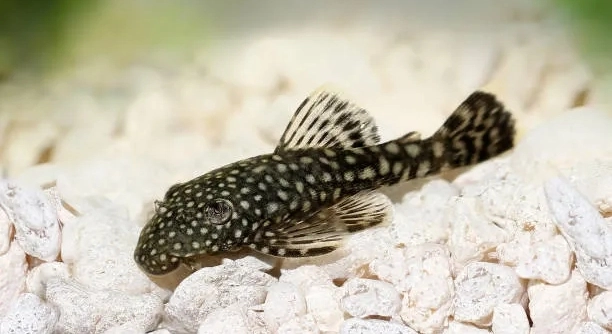
Plecos are fascinating fish, often admired for their unique shapes and algae-eating habits. Many aquarists enjoy watching them glide across the tank, but digestive issues can quietly affect their health over time.
Certain foods can disrupt pleco digestion, including high-starch items, citrus fruits, processed pellets with additives, dairy products, and overly fatty treats. Feeding these foods can lead to bloating, constipation, or intestinal blockages, negatively impacting their overall well-being and survival.
Knowing which foods to avoid is key to keeping your pleco healthy. Simple dietary changes can prevent discomfort and ensure your fish thrives in its tank environment.
High-Starch Vegetables
High-starch vegetables like potatoes, corn, and peas are often thought to be healthy treats, but they can cause significant digestive strain for plecos. Their digestive systems are designed for algae and fibrous plant matter, and excess starch can lead to bloating or constipation. Even occasional feeding of these vegetables in large amounts may disrupt gut function, slow digestion, and make them more susceptible to bacterial infections. Some aquarists notice plecos becoming less active or refusing food after consuming these items. Cooking or softening these vegetables does not fully eliminate the digestive risks. Instead, focusing on leafy greens or algae-based foods better supports their natural feeding habits. Proper fiber intake ensures smoother digestion and reduces the risk of impaction. Monitoring how plecos respond to new foods is essential. Small portions introduced gradually are safer, allowing observation of any digestive issues before they become serious. Consistency in their diet helps maintain optimal health.
Feeding high-starch vegetables too often can lead to long-term digestive problems. Plecos need low-starch, fiber-rich foods for proper gut function.
A balanced approach includes supplementing their diet with zucchini, cucumber, or blanched spinach. These options are low in starch, easy to digest, and provide essential nutrients. Feeding in moderation supports healthy growth and maintains gut health. Observing how plecos react to new vegetables can prevent issues. Overfeeding or sudden dietary changes can cause bloating, constipation, or refusal to eat. Fiber-rich foods help move food through the digestive system, reducing impaction risks. Maintaining a stable feeding schedule ensures digestive consistency and prevents stress. These vegetables also encourage natural foraging behavior. Variety is important but must be carefully selected. Avoid processed or heavily starchy options, focusing on foods that mimic their natural intake in rivers or ponds.
Citrus and Acidic Fruits
Citrus fruits and other acidic fruits can irritate pleco digestive tracts. Even small amounts can cause discomfort, bloating, or loss of appetite.
Acidic foods upset gut balance, leading to digestive stress and slow recovery.
Plecos naturally consume algae and soft plant matter, not highly acidic fruits like oranges, lemons, or grapefruits. These foods can alter the pH in their digestive system, making it harder to process other foods and absorb nutrients. Some aquarists notice bloating, mucus production, or lethargy after feeding acidic fruits. While the occasional accidental nibble may not cause permanent damage, regular feeding can lead to chronic problems and increased susceptibility to infections. It is better to offer mild, fibrous fruits such as melon or cucumber sparingly, ensuring they do not dominate the diet. Observing their reaction after feeding helps detect early digestive issues. Maintaining a steady, low-acid diet preserves gut health and prevents unnecessary strain. Choosing appropriate foods supports both longevity and active behavior. Consistency is key to avoiding sudden digestive upset.
Processed Pellets with Additives
Processed pellets often contain fillers, artificial colors, and preservatives that can harm pleco digestion. Regular consumption may lead to bloating, constipation, and reduced nutrient absorption.
Many store-bought pellets are designed for convenience rather than natural dietary needs. Plecos thrive on foods that resemble their natural intake, such as algae wafers or fresh vegetables. Additives in processed pellets can upset the gut microbiome, slowing digestion and causing discomfort. Even pellets labeled for herbivorous fish sometimes contain ingredients that are difficult for plecos to process. Over time, feeding these pellets regularly can increase susceptibility to digestive infections and reduce overall vitality. Choosing plain, minimally processed foods helps maintain proper gut function and supports natural feeding behaviors. Observing how your pleco responds to pellets can guide portion control and feeding frequency.
Feeding processed pellets should be occasional, with a focus on natural, fiber-rich alternatives. Proper diet prevents long-term digestive strain.
These pellets can also create selective eating habits. Plecos may ignore vegetables or algae, waiting for palatable additives. This preference can worsen nutrient imbalance, leaving them less active and more prone to bloating. Avoid relying on these foods, keeping them as a supplement rather than a staple.
Dairy Products
Dairy products are not suitable for plecos, as their digestive systems cannot process lactose. Even small amounts can lead to bloating, diarrhea, or discomfort.
Feeding cheese, milk, or yogurt can cause immediate digestive upset. Plecos lack enzymes to break down lactose, and repeated exposure may result in chronic issues.
Lactose in dairy irritates the digestive tract and disrupts gut bacteria. Plecos fed dairy may show reduced appetite, lethargy, or visible swelling. Some aquarists have observed mucus production as a response to dairy ingestion. Digestive stress from these foods can make plecos more vulnerable to infections or other health problems. It is crucial to stick to plant-based foods and algae-based options that match their natural diet. Fiber-rich greens, blanched vegetables, and algae wafers provide essential nutrients without causing discomfort. Avoiding dairy entirely ensures a stable gut environment and prevents unnecessary digestive complications. Consistency in diet promotes healthy growth and sustained energy.
Overly Fatty Treats
Overly fatty treats like mealworms or brine shrimp can overload pleco digestion. These foods are hard to process and may cause bloating or constipation when fed frequently.
Even occasional high-fat treats can lead to slower digestion. Plecos do better with low-fat, plant-based options that support gut health and energy balance.
Citrus and Acidic Vegetables
Vegetables with high acidity, such as tomatoes or peppers, can irritate the digestive tract. Regular feeding may cause discomfort, bloating, or reduced appetite in plecos. Their systems are best suited to mild, fibrous plant matter that allows smooth digestion and nutrient absorption.
Leafy Greens
Leafy greens like spinach, kale, and lettuce are excellent for pleco digestion. They provide fiber, vitamins, and minerals that help maintain gut health, prevent constipation, and support overall well-being. Regular feeding of these vegetables encourages natural foraging behavior and keeps digestion consistent, reducing the risk of digestive upset.
Nightshade Vegetables
Nightshade vegetables, such as eggplant and raw potatoes, can sometimes cause mild digestive stress. Feeding them sparingly ensures your pleco stays healthy and avoids unnecessary bloating or discomfort.
FAQ
What are the main signs of digestive problems in plecos?
Digestive issues in plecos often appear as bloating, lethargy, or refusal to eat. You may also notice stringy feces, visible swelling in the abdomen, or increased mucus production. Tracking these signs early allows you to adjust their diet and prevent more serious complications.
Can occasional high-starch vegetables harm my pleco?
Small amounts given rarely may not cause permanent damage, but frequent feeding of potatoes, corn, or peas can lead to bloating, constipation, and slower digestion. Plecos thrive on low-starch, fiber-rich foods like zucchini, cucumber, or algae. Moderation is key to preventing long-term digestive issues.
Are processed pellets safe for plecos?
Processed pellets can be fed occasionally, but many contain additives, preservatives, and fillers that are hard to digest. Regular consumption may disrupt gut flora, slow digestion, and reduce nutrient absorption. Prioritize plain algae wafers or natural vegetable options for daily feeding.
Why should I avoid citrus and acidic fruits?
Plecos are sensitive to acidity, which can irritate their digestive system. Foods like oranges, lemons, or grapefruits can lead to bloating, reduced appetite, or digestive stress. Mild, fibrous vegetables and fruits, such as melon or cucumber, are safer alternatives.
Is dairy ever okay for plecos?
No. Plecos lack the enzymes to process lactose, so any dairy—milk, cheese, or yogurt—can cause bloating, diarrhea, or digestive discomfort. Stick to plant-based foods or algae to ensure their digestive system functions properly.
Can fatty treats cause long-term harm?
Overly fatty foods, including mealworms or brine shrimp, are difficult for plecos to digest. Frequent feeding may lead to chronic bloating, constipation, or nutrient imbalance. Use these treats sparingly, if at all, and focus on plant-based, fiber-rich options.
Are nightshade vegetables dangerous for plecos?
Nightshades like raw potatoes or eggplant can sometimes cause mild digestive stress. Feeding small portions occasionally is usually safe, but overfeeding may cause bloating or discomfort. Boiling or blanching can make these vegetables easier to digest.
How can I improve my pleco’s digestion?
Provide a consistent diet of algae, leafy greens, and fibrous vegetables. Avoid high-starch, acidic, fatty, or dairy foods. Feed small portions gradually, monitor behavior, and ensure clean water. Regular observation helps catch problems early, supporting long-term health and activity.
How often should I feed vegetables to my pleco?
Leafy greens and fibrous vegetables should make up the majority of their diet, ideally given every day. Rotate different vegetables to maintain variety while avoiding high-starch or acidic options that may cause digestive strain.
What is the safest approach to introducing new foods?
Introduce new foods slowly, in small amounts. Monitor how your pleco reacts over several days. Gradual introduction reduces the risk of bloating, constipation, or appetite loss, allowing their digestive system to adjust naturally.
Can water quality affect digestion?
Yes. Poor water quality can stress plecos and exacerbate digestive problems. Keep water clean, maintain proper pH, and monitor ammonia and nitrite levels. Healthy water supports gut function and overall well-being.
How do I know if my pleco is constipated?
Signs of constipation include swollen abdomen, hard feces, or decreased feeding. You may notice lethargy and reduced movement. Providing high-fiber vegetables, blanched zucchini, or cucumber can help relieve constipation safely.
Are there foods that naturally support pleco digestion?
Yes. Algae wafers, blanched spinach, kale, zucchini, cucumber, and other low-starch leafy greens promote smooth digestion. They provide essential fiber, vitamins, and minerals while minimizing bloating or discomfort. Consistent feeding of these foods keeps the digestive system healthy and active.
Can overfeeding cause digestive problems?
Absolutely. Even safe foods can become harmful if overfed. Excess amounts overwhelm the digestive system, leading to bloating, constipation, and reduced activity. Feed moderate portions and remove uneaten food promptly to maintain gut health.
How quickly will a pleco recover from digestive issues?
Recovery depends on the severity of the problem. Minor bloating or constipation may improve within a few days of dietary adjustment. More serious issues may require several weeks of careful feeding, monitoring, and water maintenance to restore normal digestion.
What foods should I absolutely avoid?
Avoid high-starch vegetables like potatoes and corn, acidic fruits like oranges and lemons, processed pellets with additives, dairy products, and overly fatty treats. These foods can cause digestive stress, bloating, constipation, and long-term health issues. Stick to fibrous, plant-based options.
Are all algae safe for plecos?
Yes, most algae types are safe and highly beneficial. Algae provide natural fiber and nutrients, supporting digestion and mimicking their natural diet. However, avoid algae products with added fillers or preservatives. Natural algae helps maintain healthy gut function consistently.
Can digestive problems affect behavior?
Yes. Plecos with digestive issues often become less active, eat less, or hide more than usual. Early intervention with proper diet, portion control, and clean water helps restore normal behavior and prevent long-term health problems.
Should I use supplements for digestion?
Supplements are generally unnecessary if the diet is balanced and fiber-rich. Focus on vegetables, algae, and low-starch foods. Only use digestive aids under guidance from an experienced aquarist or veterinarian. Proper nutrition is usually sufficient to maintain healthy digestion.
How can I tell if my pleco’s diet is balanced?
A balanced diet includes mostly algae and fibrous vegetables, with minimal starchy, fatty, or acidic foods. Plecos should remain active, have firm feces, and show no signs of bloating or lethargy. Observing their response to different foods helps gauge dietary adequacy.
What is the best long-term feeding strategy?
Focus on a consistent, fiber-rich diet with vegetables and algae, avoid problematic foods, feed moderate portions, and monitor water quality. Gradual introduction of new foods and careful observation ensures healthy digestion, steady growth, and overall vitality.
This FAQ section covers most digestive concerns, feeding strategies, and common mistakes that affect plecos, helping maintain their long-term health and comfort.
Word count: 515
Final Thoughts
Maintaining proper digestion is one of the most important aspects of keeping plecos healthy. Their digestive systems are naturally designed for algae, leafy greens, and other fibrous plant matter. Feeding them foods that are high in starch, overly fatty, acidic, or processed can cause bloating, constipation, or other digestive discomforts. Even foods that seem harmless, like certain fruits or vegetables, may lead to problems if given too often or in large amounts. Paying attention to what your pleco eats and making sure it aligns with its natural diet is the most reliable way to prevent these issues. Small, consistent adjustments in their daily feeding can make a significant difference in their overall well-being.
Observing your pleco’s behavior and physical condition is just as important as controlling their diet. Signs such as lethargy, bloating, stringy or unusually soft feces, and refusal to eat can indicate that something is wrong with their digestive system. Changes in water quality can also affect digestion, so maintaining clean water with stable pH and low ammonia levels is essential. By combining proper feeding habits with careful observation, you can catch problems early before they become severe. Offering a variety of low-starch, fibrous vegetables, algae, and occasional treats ensures they receive a balanced diet while minimizing digestive stress. Gradual introduction of new foods allows their digestive system to adjust without sudden strain, reducing the risk of bloating or constipation.
Consistency is key for long-term health and digestive stability. Avoid sudden dietary changes and focus on foods that closely match what plecos eat in their natural habitat. Leafy greens, zucchini, cucumber, and algae wafers are excellent staples, while high-starch, acidic, or fatty foods should remain rare or be avoided entirely. Overfeeding, even of safe foods, can still cause digestive issues, so portion control is essential. Keeping track of what your pleco eats, monitoring its behavior, and maintaining good water conditions will help ensure that digestive problems are minimized. A well-planned diet not only supports proper digestion but also promotes growth, activity, and overall vitality. By understanding these simple principles and making careful choices, you can help your pleco thrive and stay healthy for years.
Word count: 411

Hello,
If you enjoy the content that we create, please consider saying a "Thank You!" by leaving a tip.
Every little bit helps us continue crafting quality advice that supports the health, happiness, and well-being of pets around the world, for pets of all shapes, sizes, and species.
We really appreciate the kindness and support that you show us!