
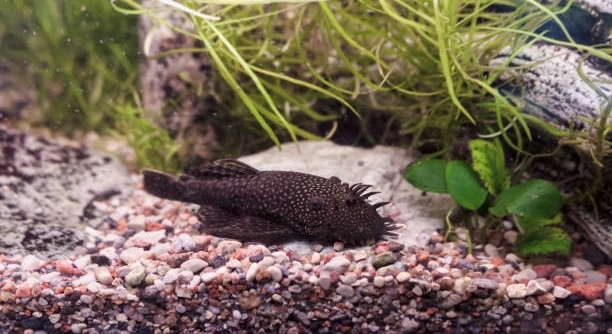
Is your pleco floating at the surface of the tank more than usual? Observing this unusual behavior can be worrying for any fish owner. Recognizing the signs early helps ensure your pleco stays healthy and comfortable.
Floating in plecos is commonly caused by swim bladder issues, water quality problems, or overfeeding. Maintaining proper tank conditions, providing a balanced diet, and monitoring behavior are essential to address this issue effectively and prevent further complications.
Understanding the reasons behind floating behavior can help you take the right steps to support your pleco’s health and well-being in the long term.
Common Reasons Plecos Float
Plecos floating at the surface can result from a few key issues. Poor water quality is often the primary cause, as high ammonia, nitrite, or nitrate levels stress fish and disrupt their buoyancy. Temperature fluctuations also affect swim bladder function, making it difficult for plecos to maintain proper orientation. Overfeeding is another frequent factor, particularly when sinking foods are ignored in favor of surface treats, which can lead to bloating and gas buildup. Occasionally, infections or internal parasites can impair the swim bladder or digestive system. Observing your pleco’s behavior and tank environment helps identify the issue early. Regular water testing, partial water changes, and ensuring a stable, suitable temperature will reduce floating incidents. Adjusting feeding routines and providing balanced nutrition can prevent digestive problems. In severe cases, veterinary consultation may be necessary. Paying attention to both tank conditions and diet keeps plecos healthier and minimizes floating behavior.
Monitoring water parameters closely ensures that your pleco remains comfortable and stable in its environment.
Understanding why your pleco floats allows you to take precise steps to maintain health, prevent stress, and create a stable tank environment that supports normal swimming and feeding habits. By addressing both environmental factors and dietary needs, you can reduce floating incidents and promote long-term well-being. Regular maintenance, such as tank cleaning and controlled feeding, helps maintain balance, while observing for unusual behavior or physical signs provides early warning of potential problems. A consistent routine and attention to detail are key to keeping your pleco active, balanced, and thriving, helping you avoid sudden health issues.
Adjusting Feeding Habits
Overfeeding can lead to digestive issues that make plecos float at the surface.
Reducing the amount of food and spacing out meals allows digestion to improve, while providing sinking foods supports natural feeding behavior and prevents gas buildup.
Careful portion control is crucial for plecos prone to floating. Feeding small amounts once or twice daily, depending on size and species, ensures they consume all food without excess. Including a variety of foods, such as algae wafers, vegetables, and occasional protein, maintains a balanced diet and prevents bloating. Removing uneaten food promptly reduces water contamination and decreases stress. Observing how your pleco responds to diet adjustments informs further changes. In some cases, fasting your pleco for a day or two can relieve bloating. Attention to feeding habits combined with proper water conditions supports healthy swim bladder function and prevents recurring floating episodes. By making gradual and consistent adjustments, you can create a routine that minimizes risk and keeps your pleco comfortable, active, and steadily swimming in the tank.
Maintaining Proper Water Conditions
Regular water testing helps keep ammonia, nitrite, and nitrate levels safe for plecos. Stable temperatures and pH levels prevent stress that can cause floating.
Keeping the tank clean is essential. Partial water changes, ideally 20–30% weekly, remove waste and harmful chemicals. Using a reliable filter supports water circulation and reduces debris. Avoid overcrowding, as too many fish increase waste and lower water quality. Monitoring temperature daily ensures it stays within the recommended range for your pleco species, usually between 72–78°F. Checking pH regularly and adjusting gently if necessary maintains a stable environment. Proper substrate and hiding spots help plecos feel secure and reduce stress. Water conditioners can neutralize chlorine or chloramine in tap water. Consistency in maintenance prevents sudden changes that might affect buoyancy.
Observing water clarity, odor, and behavior allows early detection of potential problems. A healthy tank environment directly supports normal swimming and reduces floating incidents in plecos.
Regular filter maintenance is crucial. Rinsing filter media in tank water, rather than tap water, preserves beneficial bacteria. Adjusting flow rates prevents excessive stress for plecos while still maintaining clean water. Using an aquarium test kit weekly ensures parameters remain in safe ranges. Avoid sudden water changes or chemical treatments that can shock fish. Adding live plants can help absorb nitrates and create a balanced ecosystem. Keeping the tank environment consistent reduces stress-related floating. Over time, these practices promote stronger immunity and better digestion in plecos, lowering the likelihood of swim bladder issues. Observation combined with proactive care ensures your pleco thrives.
Monitoring Swim Bladder Health
Swim bladder issues can make plecos float or swim unevenly. Early detection allows prompt care.
Swim bladder problems often result from internal infections, constipation, or poor diet. Observing your pleco for tilted swimming, difficulty diving, or frequent surface floating indicates possible bladder issues. Adjusting diet by providing high-fiber foods, such as blanched vegetables, and reducing protein-heavy meals helps relieve mild constipation. Maintaining water quality is critical, as poor conditions worsen bladder function. In persistent cases, veterinary evaluation may be needed. Treatments might include fasting, temperature adjustments, or medication depending on the cause. Preventive measures, like a balanced diet and clean water, reduce the likelihood of recurring problems.
Keeping a journal of your pleco’s behavior helps track improvements or worsening conditions. Noting when floating occurs, alongside feeding and maintenance routines, provides insight into triggers. Observing for physical signs, like bloating or unusual body shape, can indicate the severity of swim bladder problems. Gradual adjustments, such as slight temperature increases or introducing fiber-rich foods, often support recovery. Avoid rapid changes in environment or diet, as these can stress the fish further. Patience and consistent care allow the pleco to regain normal swimming habits. Combining careful observation, preventive maintenance, and diet adjustments ensures long-term swim bladder health and overall well-being.
Adjusting Tank Temperature
Maintaining a stable temperature prevents stress that can lead to floating. Sudden fluctuations can affect metabolism and swim bladder function, so keeping the water within the ideal range for your pleco species is essential.
Using a reliable heater and thermometer ensures consistency. Avoid placing the tank near drafts or direct sunlight, which can cause rapid temperature changes.
Reducing Stress in Plecos
Stress contributes to floating and other health issues. Providing hiding spots, gentle water flow, and minimal disturbances supports your pleco’s comfort. Consistent feeding schedules and stable tank conditions reduce anxiety and encourage normal swimming behavior.
Treating Constipation
Constipation can cause a pleco to float at the surface. Feeding blanched vegetables like zucchini or peas can relieve mild blockages and support digestive health.
Observing Behavior Patterns
Tracking when your pleco floats helps identify triggers. Note feeding times, water changes, and any environmental changes to understand patterns and address causes efficiently.
FAQ
Why is my pleco floating at the surface?
Floating usually happens because of swim bladder problems, overfeeding, or poor water quality. Swim bladder issues can make it hard for your pleco to stay balanced. Overfeeding can cause bloating or gas, which makes them rise. Poor water conditions add stress that worsens buoyancy.
Can temperature changes affect floating?
Yes, plecos are sensitive to sudden temperature shifts. Rapid drops or spikes in water temperature can disrupt metabolism and swimming ability. Keeping a consistent temperature within the recommended range for your species reduces floating incidents and supports overall health.
How can I treat swim bladder issues?
Swim bladder problems often respond to dietary and environmental adjustments. Feeding high-fiber foods like blanched zucchini or peas can relieve constipation, which is a common cause. Fasting for a day or two may help, and maintaining clean, stable water conditions supports recovery. Severe cases may require veterinary care.
Does overfeeding cause floating?
Yes, overfeeding can lead to bloating and digestive problems, both of which make plecos float. Feeding small amounts once or twice a day and ensuring they eat all the food before adding more prevents this. Remove uneaten food to keep the tank clean.
Can water quality affect buoyancy?
Poor water quality stresses plecos, leading to floating and unusual behavior. High ammonia, nitrite, or nitrate levels can directly impact their swim bladder function. Regular water tests, partial water changes, and proper filtration keep water safe and support normal swimming.
Are certain foods better for preventing floating?
Sinking foods and fibrous vegetables are best for plecos. Algae wafers, blanched zucchini, cucumber, or peas support digestion and reduce gas. Avoid excessive protein or floating treats that may cause bloating. A balanced diet helps maintain swim bladder health.
How long does it take for a floating pleco to recover?
Recovery time depends on the cause. Dietary adjustments or improved water quality can show results within a few days. Swim bladder infections or severe constipation may take longer, and veterinary intervention may be needed. Patience and consistent care are important.
Can stress make floating worse?
Yes, stress increases the likelihood of floating. Overcrowding, strong currents, sudden environmental changes, or constant disturbances can exacerbate swim bladder issues. Providing hiding spots, gentle water flow, and a stable environment reduces stress and supports normal swimming.
Should I isolate a floating pleco?
Isolation isn’t always necessary unless aggression or severe illness is present. However, separating a pleco if it’s being harassed or if the tank is overcrowded can reduce stress and help recovery. Monitor behavior closely if you isolate them.
Are there medications for floating plecos?
Some swim bladder infections or parasites may require medication. Only use treatments recommended for plecos and follow directions carefully. Overuse of medications can harm water quality and the fish. Always confirm the cause before treating with medication.
Can fasting help a floating pleco?
Yes, fasting for 24–48 hours can relieve bloating caused by constipation or overfeeding. After the fast, feed small, high-fiber meals to aid digestion. Avoid prolonged fasting, as it may cause stress or nutrient deficiencies.
Is floating always a serious problem?
Not always. Short-term floating after feeding or minor stress is usually temporary. Persistent or repeated floating, difficulty swimming, or other unusual signs indicate an underlying issue that requires attention, such as water quality, diet, or health problems.
How can I monitor floating patterns effectively?
Keep a small journal noting feeding times, water changes, and when floating occurs. Record behavior changes or unusual activity. This helps identify triggers and informs adjustments to feeding, tank conditions, or treatment strategies.
Can plants or decorations help reduce floating?
Yes, providing hiding spots and calm areas can reduce stress, which may help prevent floating. Plants, driftwood, and caves offer security, reduce aggression, and create a more natural environment for your pleco.
Are some pleco species more prone to floating?
Yes, larger species or those with delicate swim bladders may float more easily under stress or poor conditions. Researching species-specific care requirements helps prevent floating and supports overall health.
What are the signs that floating is due to disease?
Signs include bloating, unusual body shape, lethargy, or visible parasites. Floating combined with other symptoms indicates an underlying health problem that may require dietary changes, water adjustments, or veterinary treatment.
How often should I test water for plecos?
Weekly testing is recommended for ammonia, nitrite, nitrate, and pH levels. Frequent checks help prevent stress and buoyancy issues. Regular monitoring allows early intervention and maintains a safe environment for plecos.
Can adjusting feeding times reduce floating?
Yes, consistent feeding schedules prevent overeating and digestive issues. Feeding once or twice daily at the same time supports regular digestion and swim bladder health, reducing the risk of floating.
What should I do if floating persists despite changes?
If floating continues after diet adjustments, water quality improvements, and stress reduction, consult a veterinarian. Persistent floating may indicate infection, parasites, or organ issues that require professional care. Early intervention increases chances of recovery.
Is tank size important for preventing floating?
Yes, adequate space prevents stress and overcrowding. Small tanks can elevate waste and ammonia levels, impacting swim bladder function. Providing a suitably sized tank ensures healthier conditions and reduces floating behavior.
Can I use water conditioners to help my pleco?
Water conditioners remove chlorine, chloramine, and heavy metals, creating a safer environment. Safe water reduces stress, supports healthy swimming, and prevents floating caused by poor water quality.
How do I know if floating is temporary?
Temporary floating often occurs after feeding or minor stress. If your pleco returns to normal swimming within hours or a day, it’s usually not serious. Persistent or repeated floating suggests an underlying problem needing attention.
Are there natural remedies for floating plecos?
High-fiber foods, fasting, and stable water conditions are natural ways to help floating plecos. Avoid unverified treatments, as sudden changes can worsen the issue. Consistent care and observation are the safest approach.
Can tank mates influence floating?
Aggressive or active tank mates can stress plecos, leading to floating. Ensure compatible species and provide enough hiding spaces. Reducing competition and harassment helps plecos swim normally.
Is floating more common in new tanks?
Yes, new tanks often have unstable water conditions. Ammonia spikes, inconsistent temperature, or unestablished bacteria can stress plecos and cause floating. Patience and careful monitoring during the initial weeks prevent problems.
How important is observation for floating plecos?
Observation is key. Noting behavior, diet, and environmental changes helps identify triggers, measure recovery, and prevent recurrence. Consistent monitoring ensures proactive care and long-term pleco health.
Can changing the diet too quickly worsen floating?
Yes, sudden diet changes can stress the digestive system and swim bladder. Introduce new foods gradually while observing behavior to prevent bloating and floating.
Final Thoughts
Floating in plecos is a concern that many fish owners face at some point. It is usually a symptom of underlying issues, rather than a disease on its own. Common causes include swim bladder problems, poor water quality, overfeeding, or stress. Understanding the reason behind the floating behavior is the first step toward addressing it effectively. Regular observation of your pleco’s habits and the tank environment helps identify problems early. Noticing unusual swimming patterns, bloating, or frequent trips to the surface can give clues about what needs attention. Acting promptly prevents minor issues from becoming serious health problems and supports the overall well-being of your pleco.
Maintaining proper tank conditions is essential for preventing floating. Clean water, stable temperature, and appropriate pH levels create a comfortable environment for plecos to swim normally. Regular water testing and partial water changes help remove waste and harmful chemicals that can stress fish. A reliable filtration system, along with careful monitoring of tank mates and overall density, reduces environmental stressors. Providing hiding spots, plants, or decorations creates security, which allows plecos to feel safe and reduces anxiety. Feeding a balanced diet of sinking foods and fibrous vegetables supports digestion and swim bladder health. Overfeeding should be avoided, and uneaten food should be promptly removed to maintain water quality. Gradual and consistent care in these areas reduces floating incidents significantly.
Addressing swim bladder issues or digestive problems requires patience and careful observation. Minor cases can improve with diet adjustments, fasting, and maintaining clean, stable water. In more severe cases, veterinary consultation may be necessary to ensure proper treatment. Keeping a simple journal of behavior, feeding, and environmental changes can provide valuable insight into triggers or patterns. Monitoring your pleco closely allows you to respond effectively, whether it is adjusting feeding, improving water conditions, or isolating the fish if stress is a factor. Overall, consistency in tank care, feeding, and observation is key. By creating a stable and supportive environment, you can help your pleco recover from floating and maintain long-term health, ensuring it remains active and comfortable in its habitat.

Hello,
If you enjoy the content that we create, please consider saying a "Thank You!" by leaving a tip.
Every little bit helps us continue crafting quality advice that supports the health, happiness, and well-being of pets around the world, for pets of all shapes, sizes, and species.
We really appreciate the kindness and support that you show us!