
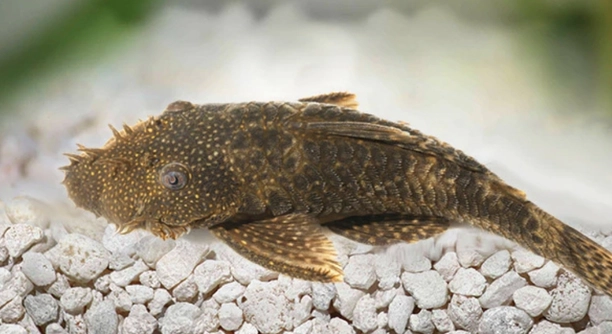
Have you ever noticed your pleco busily sucking on the glass and decorations of your aquarium, making it look spotless and fresh again?
Plecos do help clean the tank to some extent by eating algae and leftover food, but they cannot replace proper maintenance. Their cleaning abilities are limited, and they still contribute waste, requiring regular tank care and water changes.
Understanding what plecos truly do in your aquarium will help you keep both them and your tank in healthier, cleaner condition.
What Plecos Actually Do in Your Tank
Plecos are often seen as helpful fish that keep aquariums tidy, but their cleaning role has its limits. They feed on algae, leftover food, and decaying plant matter, which can help reduce buildup on surfaces. However, they are not a full replacement for tank cleaning. Many plecos grow quite large, producing a fair amount of waste themselves. This means regular water changes, filter maintenance, and gravel vacuuming are still necessary. A pleco’s cleaning habits can vary depending on its species and age—some prefer algae, while others eat wood or vegetables. Knowing their specific needs ensures they remain healthy and active.
Because plecos eat constantly, they also need a proper diet beyond tank algae. Supplementing with sinking algae wafers, blanched vegetables, and driftwood helps them stay nourished and satisfied while preventing damage to plants or decorations.
Plecos can help reduce algae, but they are better viewed as part of the cleanup team rather than the main cleaner. Understanding their diet and habits allows you to maintain balance in your tank. If you rely solely on your pleco, waste can still accumulate, and algae may return quickly. A consistent cleaning routine ensures a healthier environment for all aquatic life.
Choosing the Right Pleco for Your Aquarium
Not all plecos are suitable for every tank. Some species, like the common pleco, can grow over a foot long, making them difficult to house in smaller aquariums.
Selecting the right pleco depends on your tank’s size, water conditions, and the other fish you keep. Smaller species, such as the bristlenose or clown pleco, are great for community tanks because they stay manageable in size and eat various types of algae. They thrive in tanks with stable water parameters, hiding spots, and soft driftwood. Overcrowding or pairing them with aggressive fish can cause stress and limit their cleaning behavior. Additionally, plecos are nocturnal, meaning they do most of their activity at night, often unseen. Providing a consistent feeding routine helps them stay healthy and active. Before adding one to your aquarium, always research the specific care requirements of that pleco species. A well-chosen pleco not only supports tank cleanliness but also adds character and charm to your aquatic setup.
Common Misconceptions About Plecos
Many aquarists believe plecos can handle all tank cleaning duties, but this is far from true. While they consume algae and leftover food, they do not remove debris from gravel or balance water quality on their own.
Plecos are often mistaken for low-maintenance fish, yet they need proper care like any other species. They require clean water, stable temperatures, and a steady diet beyond natural algae. Relying on them alone can cause water quality to drop, harming both the pleco and other tank mates. Some people also assume all plecos eat the same foods, but their diets differ widely depending on the species. Understanding their feeding habits prevents overfeeding and supports a healthier tank.
Another common misconception is that plecos will stay small in smaller tanks. In reality, most plecos continue growing regardless of tank size. Housing them in too small of an aquarium can lead to stress, health issues, and excessive waste buildup, making tank maintenance even harder.
Proper Maintenance Alongside Plecos
Even with a pleco, regular aquarium maintenance remains essential. Water changes should be done weekly to remove waste and excess nutrients. Cleaning filters, checking ammonia levels, and lightly vacuuming the substrate keep the environment stable and comfortable for all fish.
Plecos may help reduce visible algae, but they cannot eliminate unseen waste or balance water chemistry. Skipping maintenance often leads to cloudy water and poor oxygen levels. Feeding them the right foods—such as algae wafers, vegetables, or driftwood—helps maintain natural behavior while reducing plant damage. Adding live plants and good filtration further supports tank health. Combining proper care with the pleco’s natural cleaning habits creates a balanced, thriving aquarium that benefits every inhabitant.
Signs Your Pleco is Healthy
A healthy pleco will have bright, clear eyes and smooth, intact fins. Active movement during the night and regular grazing on surfaces are good indicators of wellbeing.
Healthy plecos also maintain a consistent appetite. They should readily accept supplemental foods like algae wafers or vegetables. Dull colors, frayed fins, or inactivity may indicate stress, poor water conditions, or illness. Monitoring these signs helps ensure the fish thrives alongside other tank inhabitants.
Feeding Tips for Plecos
Plecos benefit from a varied diet. Algae alone is insufficient for long-term health. Offering sinking wafers, fresh vegetables like zucchini or cucumber, and occasional driftwood for scraping supports proper nutrition. Regular feeding schedules prevent overfeeding and reduce leftover waste that can harm water quality.
Tank Setup Considerations
Plecos need hiding spots and gentle water flow. Driftwood, rocks, and caves provide shelter and grazing surfaces, helping them feel secure. A well-structured tank reduces stress and encourages natural cleaning behaviors.
FAQ
Do plecos really clean algae off the tank glass?
Plecos do eat algae on tank surfaces, but the amount they consume varies by species and age. Some prefer soft algae while others focus on tougher surfaces. They will help reduce algae buildup but will not remove it entirely, so manual cleaning is still necessary.
Can I rely on a pleco to keep my tank clean?
No. While plecos contribute to reducing visible debris, they cannot manage waste from fish, uneaten food, or decaying plants on their own. Regular water changes, substrate vacuuming, and filter maintenance are essential to maintain a healthy aquarium environment.
How often should I feed my pleco?
Feeding depends on the species and tank setup. Typically, offering algae wafers or vegetables every other day works well. Some plecos also graze continuously on surfaces. Overfeeding can cause water quality problems, so observe your pleco’s consumption and adjust accordingly.
Do plecos damage plants in the aquarium?
Most plecos do not harm healthy, rooted plants, but some may nibble on soft or weak leaves. Driftwood and supplemental vegetables can divert their attention away from plants, helping them maintain natural grazing habits without damaging your tank’s greenery.
How large do plecos grow in a home aquarium?
Common plecos can reach 12–24 inches depending on species, while smaller types like bristlenose or clown plecos grow 4–6 inches. Choosing the right species for your tank size prevents overcrowding and reduces stress, helping the fish maintain good health and cleaning behavior.
Are plecos nocturnal?
Yes, plecos are mostly active at night. They graze, explore, and interact with their environment when the tank lights are off. Observing them during the day may show them resting under rocks or hiding in caves, which is normal behavior.
Do plecos need driftwood in the tank?
Some species require driftwood as part of their diet to aid digestion and provide grazing surfaces. Even for those that do not strictly need it, driftwood adds structure and hiding spots, encouraging natural behavior and contributing to tank health.
How do I tell if my pleco is stressed or sick?
Signs of stress include clamped fins, faded colors, inactivity, or hiding excessively. Illness may appear as frayed fins, sores, or unusual swimming patterns. Testing water parameters, maintaining cleanliness, and adjusting diet can help alleviate stress and support recovery.
Can plecos live with other fish?
Plecos generally coexist peacefully with most community fish, but aggressive or territorial species may cause conflicts. Providing ample space, hiding spots, and consistent feeding reduces the risk of tension. Observing interactions helps ensure all fish remain healthy.
Do plecos eat leftover fish food?
Yes, plecos will often consume uneaten flakes, pellets, or sinking foods, helping reduce waste. However, they do not eliminate all leftover food, so uneaten portions should still be removed to maintain water quality.
How often should I clean the tank if I have a pleco?
Tank maintenance schedules remain the same. Weekly water changes, filter cleaning, and substrate vacuuming are necessary. Plecos supplement cleaning but do not replace these routines. Maintaining consistent care ensures both the fish and tank thrive.
Can plecos survive on algae alone?
Algae alone is insufficient for most plecos over time. A varied diet with supplemental foods like vegetables, wafers, or driftwood is essential to meet nutritional needs and support growth, health, and natural behaviors.
What is the best tank size for plecos?
Tank size depends on the species. Smaller plecos like bristlenose need 20–30 gallons, while common plecos require at least 75 gallons as adults. Providing enough space prevents stress, promotes healthy growth, and supports effective cleaning habits.
Are plecos messy fish?
Plecos do produce waste, especially larger species. While they help consume algae and some debris, they still contribute to the bioload. Regular cleaning and proper filtration are necessary to prevent water quality issues and keep the tank healthy.
Can plecos survive in a small tank temporarily?
Small tanks can temporarily house juvenile plecos, but as they grow, limited space can lead to stunted growth, stress, and poor health. Planning ahead for adult size ensures your pleco remains healthy throughout its life.
Do plecos need special water conditions?
Most plecos prefer stable temperatures between 72–82°F, neutral to slightly acidic pH, and clean water with low ammonia and nitrite. Regular monitoring and maintenance of water parameters help prevent stress, disease, and reduced cleaning activity.
Can plecos live alone?
Yes, plecos can thrive alone as long as their environmental and dietary needs are met. Adding companions is optional but requires attention to compatibility, tank size, and hiding spots to prevent stress.
Do plecos reproduce in home aquariums?
Some species, like bristlenose plecos, can breed in captivity under proper conditions. They require hiding spots, caves, and suitable water parameters. Breeding may increase bioload, so tank management becomes more critical during this time.
How long do plecos live?
Plecos can live 10–15 years or longer with proper care, diet, and a stable tank environment. Longevity depends on species, water quality, and nutrition. Regular maintenance and monitoring support a long, healthy life for your fish.
Are plecos suitable for beginners?
Certain smaller pleco species are beginner-friendly due to their size, diet, and hardiness. However, understanding their needs, providing proper care, and committing to regular maintenance is essential for success in any aquarium.
Do plecos eat snails or shrimp?
Most plecos are herbivorous or omnivorous and do not typically eat healthy snails or shrimp. However, they may disturb small or weak invertebrates while grazing. Choosing tank mates carefully helps prevent accidental harm.
Will plecos clean the tank filter?
Plecos do not clean filters. Filters require manual maintenance to remove trapped debris and maintain proper water flow. Plecos contribute indirectly by reducing algae and leftover food, but they cannot replace filter care.
Can I keep multiple plecos together?
Multiple plecos can live together if the tank is large enough and provides ample hiding spots. Overcrowding may lead to stress, aggression, or competition for food. Observing behavior and adjusting tank setup ensures compatibility.
Do plecos need light in the tank?
Plecos are nocturnal and do not require bright light. Moderate lighting supports plant growth and algae development for grazing, but direct intense light is unnecessary and can stress them.
Are plecos noisy fish?
Plecos are quiet fish. They may make minor scraping sounds when feeding on surfaces, but this is not disruptive. Their activity is mostly nocturnal, so noise is minimal and rarely noticeable.
Can plecos survive in cold water?
Most plecos prefer tropical water and cannot tolerate temperatures below 70°F. Cold water can stress them, reduce appetite, and lead to illness. Maintaining a stable, appropriate temperature range is crucial for health.
Do plecos require supplements like calcium?
Certain species, particularly those that eat driftwood, benefit from additional calcium to support growth and bone health. Providing mineral-rich foods or supplements helps maintain overall wellbeing, especially in soft water environments.
Will plecos eat my aquarium decorations?
Plecos generally do not damage decorations made of rock, ceramic, or hard plastic. They may scrape surfaces while feeding or rest on them, which is normal behavior. Soft wood or delicate plants are more likely to be affected.
Can plecos survive without hiding spots?
Hiding spots reduce stress and provide security for plecos. Without caves, driftwood, or plants, plecos may become shy, stressed, or inactive. Proper tank structure supports natural behavior and encourages consistent cleaning habits.
Do plecos interact with other fish?
Plecos are mostly peaceful but can occasionally compete for food or space. They tend to stay hidden during the day and are active at night. Providing multiple feeding areas and hiding spots reduces conflicts and encourages natural behavior.
Are plecos sensitive to water changes?
Sudden, large water changes can stress plecos. Gradual changes with stable temperature and parameters are safer. Consistent, moderate water maintenance ensures their health while keeping the tank clean and balanced.
Do plecos need specific tank substrate?
Plecos can live on sand, gravel, or bare-bottom tanks. Smooth substrates prevent injury to their undersides and barbels. Providing soft areas and driftwood encourages natural grazing and resting behavior.
Will plecos survive in a planted tank?
Yes, plecos can live in planted tanks, but they may nibble on soft or weak plants. Choosing hardy plant species and providing alternative foods minimizes damage and maintains a balanced, visually appealing aquarium.
Do plecos need aeration?
Plecos require adequate oxygen levels. Proper filtration and water movement typically provide sufficient aeration. Additional air stones are optional but can help in densely stocked or warm tanks with lower oxygen availability.
How do I acclimate a new pleco to my tank?
Float the bag in the aquarium for 15–20 minutes to equalize temperature, then gradually mix small amounts of tank water before release. Slow acclimation reduces stress, prevents shock, and supports healthy adjustment.
Can plecos eat fish flakes or pellets?
Plecos will consume sinking wafers and some bottom-dwelling pellets, but floating flakes are usually ignored. Providing foods designed for bottom feeders ensures they receive proper nutrition.
Do plecos need a separate quarantine tank?
Quarantining new plecos helps prevent the introduction of disease to an established aquarium. Observing health, treating parasites if needed, and monitoring behavior before adding them to the main tank protects all inhabitants.
Are plecos territorial?
Plecos can be territorial, especially in small tanks or with limited hiding spots. Providing ample space, caves, and driftwood reduces conflicts and encourages peaceful coexistence with other fish.
Do plecos clean decorations like rocks and ornaments?
Plecos graze on algae-covered surfaces, including rocks and ornaments. While they help reduce visible algae, they do not remove all buildup. Periodic manual cleaning is still necessary to maintain a pristine tank.
Can plecos survive in a community tank with aggressive fish?
Aggressive tank mates may stress plecos, leading to hiding, loss of appetite, or injury. Careful selection of compatible species and providing hiding spots mitigates risks and supports healthy interactions.
How do plecos affect water quality?
Plecos produce waste that contributes to the aquarium’s bioload. While they consume some leftover food and algae, filtration and regular water changes are required to maintain safe ammonia, nitrite, and nitrate levels.
Do plecos need nightly feeding?
Plecos naturally graze at night. Supplemental feeding every other day is usually sufficient, depending on species, tank size, and algae availability. Overfeeding can compromise water quality.
Will plecos survive in brackish water?
Most plecos are freshwater fish and cannot tolerate brackish conditions. Maintaining freshwater with stable parameters is essential for their survival and health.
Can plecos live with bettas?
Plecos generally coexist with bettas if the tank is large enough and has hiding spaces. Avoid pairing aggressive or overly territorial bettas, as they may stress or injure the pleco.
Do plecos need water conditioners?
Water conditioners remove chlorine, chloramines, and heavy metals, creating a safer environment for plecos. Regular use ensures their health and supports long-term survival in a home aquarium.
Are plecos compatible with goldfish?
Plecos can live with goldfish if water temperature is suitable and the tank is spacious. Goldfish produce a lot of waste, so robust filtration and frequent maintenance are necessary to maintain water quality.
Do plecos reproduce in small aquariums?
Some species may breed in small tanks, but space limitations can stress adults and reduce survival rates of fry. Providing proper hiding spots and water conditions improves the chances of successful breeding.
Can plecos live in soft or hard water?
Plecos tolerate a range of water hardness, but stability is key. Rapid changes or extreme hardness can stress them. Researching species-specific preferences ensures optimal health and growth.
Do plecos require special lighting for algae growth?
Moderate lighting helps algae grow for grazing, but intense light is unnecessary and can stress the fish. Balancing light duration and intensity supports both plant and pleco needs.
Are plecos prone to disease?
Plecos are generally hardy, but poor water quality, stress, or improper diet can make them susceptible to fungal infections, parasites, or bacterial issues. Maintaining stable conditions and monitoring behavior prevents illness.
Do plecos eat detritus or leftover plant matter?
Yes, plecos will consume decaying plant material and leftover food, helping reduce visible waste. However, they cannot eliminate all debris, so tank maintenance remains important.
How long does it take for a pleco to adjust to a new tank?
Adjustment usually takes several days to a few weeks. Providing hiding spots, stable water parameters, and minimal disturbances helps them acclimate smoothly and begin regular feeding and cleaning behaviors.
Do plecos need calcium-rich foods?
Some plecos, particularly those that graze on driftwood or grow large, benefit from calcium-rich foods to support bone and fin development. This ensures long-term health and growth.
Can plecos survive without algae in the tank?
Plecos need alternative foods like wafers or vegetables if algae is insufficient. Relying solely on natural algae can lead to malnutrition and slow growth. Proper supplementation supports their dietary needs.
Do plecos prefer certain water flow conditions?
Plecos usually enjoy gentle to moderate water flow. Strong currents may stress them or prevent normal grazing behavior, while stagnant water can reduce oxygen levels. Maintaining balanced flow encourages healthy activity.
Can plecos be aggressive toward each other?
Territorial disputes can occur if hiding spots are limited or tank space is small. Providing multiple caves, driftwood, and feeding areas reduces aggression and supports peaceful coexistence.
How do plecos contribute to tank cleanliness?
Plecos help by consuming algae, leftover food, and some detritus. While they reduce visible debris, they do not replace routine maintenance, filtration, or water changes. Proper care ensures both the pleco and the aquarium remain healthy.
Do plecos need special water filtration?
Plecos produce waste like any fish, so robust filtration is important. Standard aquarium filters that handle bioload effectively are sufficient, but filter maintenance is still necessary to maintain water quality.
Can plecos live with shrimp or snails?
Most plecos ignore healthy shrimp and snails, but some may accidentally disturb them while grazing. Providing hiding places and sufficient food reduces accidental harm to invertebrates.
Are plecos sensitive to pH changes?
Rapid pH changes can stress plecos. Stable, moderate pH levels suited to the species are essential for health, feeding, and cleaning behaviors. Gradual adjustments prevent shock.
Do plecos need a heater in the tank?
Most plecos are tropical and require a heater to maintain 72–82°F. Consistent temperature prevents stress, encourages feeding, and supports normal activity and cleaning behavior.
Can plecos survive without hiding spots at night?
Hiding spots reduce stress, especially during daylight hours when they are resting. Without sufficient shelter, plecos may become inactive, stressed, or more prone to illness.
Do plecos affect tank aesthetics?
Plecos can enhance tank appearance by consuming algae and providing movement. Their presence adds interest, but regular maintenance ensures the tank remains visually appealing and healthy.
How often should I check my pleco’s health?
Daily observation of behavior, appetite, and appearance helps detect issues early. Routine checks combined with water testing ensure a healthy, thriving pleco and tank environment.
Can plecos survive with fluctuating water temperatures?
Fluctuating temperatures stress plecos, reduce appetite, and weaken immunity. Maintaining stable conditions within their preferred range ensures long-term health and normal cleaning activity.
Do plecos need extra minerals in soft water?
Supplementing soft water with minerals like calcium and magnesium supports growth, bone development, and overall health, particularly in species that graze on driftwood or grow large.
Will plecos eat leftover fish pellets?
Plecos will consume sinking pellets and some uneaten foods. Floating flakes are generally ignored. Feeding appropriate bottom-dwelling foods ensures proper nutrition and reduces waste accumulation.
Do plecos need tank mates?
Plecos can live alone but may benefit from community fish if the tank is large and provides enough hiding spots. Compatibility, feeding areas, and space help maintain peaceful interactions.
Are plecos sensitive to lighting changes?
Sudden bright lighting can stress plecos. Gradual changes in light intensity and duration, along with hiding spots, encourage natural nocturnal activity and normal grazing behavior.
Can plecos survive in small community tanks?
Smaller plecos may tolerate community tanks, but larger species quickly outgrow limited space. Proper species selection and tank size are critical to prevent stress and health issues.
Do plecos need special care in winter?
Tropical plecos require stable heated water year-round. Cooler temperatures slow metabolism, reduce feeding, and can lead to illness. Maintaining a heater and monitoring temperature ensures consistent health.
Do plecos consume all types of algae?
Plecos target specific algae types depending on species. They help reduce growth on glass, decorations, and driftwood but cannot completely eliminate algae, so additional cleaning may be required.
Can plecos survive without driftwood?
Many plecos thrive without driftwood, but some species need it for grazing and digestion. Providing driftwood when required supports nutrition, activity, and natural behaviors.
Do plecos help maintain water quality?
Plecos contribute by eating algae and some leftover food, but they do not replace filtration or water changes. Proper maintenance is essential to keep ammonia, nitrite, and nitrate levels safe.
Are plecos compatible with tetras or other small fish?
Yes, most plecos coexist peacefully with tetras and similar species. Ensuring sufficient space, hiding spots, and food reduces stress and promotes harmony in the tank.
How long should a pleco live in a home aquarium?
With proper care, plecos can live 10–15 years or more. Diet, water quality, tank size, and stable conditions are key factors in their longevity and overall health.
Do plecos produce a lot of waste?
Larger plecos generate significant waste. Even though they eat algae and leftovers, filtration and water changes remain necessary to maintain a clean, healthy aquarium.
Can plecos survive with fluctuating pH or hardness?
Rapid changes in pH or hardness stress plecos, affecting appetite, health, and behavior. Maintaining stable water parameters suited to the species ensures long-term survival and activity.
Do plecos need extra vitamins or supplements?
Final Thoughts
Plecos are often seen as helpful additions to an aquarium because they consume algae and leftover food. Their grazing can make tanks look cleaner and reduce visible buildup on glass, decorations, and driftwood. However, it is important to remember that they are not complete cleaning solutions. Even with a pleco in your tank, regular maintenance such as water changes, filter cleaning, and substrate vacuuming is still necessary. Relying solely on plecos to manage waste or water quality can lead to problems for both the fish and the overall aquarium environment. Understanding the limits of what a pleco can do helps set realistic expectations for their role in tank care.
A pleco’s diet and natural behavior also play a key part in maintaining their health. Most species feed on algae, but this is rarely enough to meet all nutritional needs. Supplementing with sinking algae wafers, vegetables like zucchini or cucumber, and driftwood for scraping is essential. Some species grow quite large and produce significant waste, so planning for the adult size of your pleco is important. Providing proper hiding spots, adequate space, and stable water conditions supports their well-being while encouraging natural behaviors. Recognizing that plecos are living creatures with specific needs rather than simple cleaning tools ensures a healthier, more balanced aquarium.
Keeping plecos in your aquarium can be rewarding, but it requires commitment and care. Observing their health, behavior, and activity patterns helps identify early signs of stress or illness. Maintaining stable water parameters and providing a consistent feeding schedule prevents many common problems. Plecos are helpful in keeping algae under control, but they work best when paired with regular tank maintenance and proper filtration. By understanding their role, feeding habits, and environmental requirements, you can create a balanced aquarium where plecos thrive alongside other fish. They are a valuable part of a healthy tank ecosystem, but their benefits are maximized only with thoughtful, ongoing care.

Hello,
If you enjoy the content that we create, please consider saying a "Thank You!" by leaving a tip.
Every little bit helps us continue crafting quality advice that supports the health, happiness, and well-being of pets around the world, for pets of all shapes, sizes, and species.
We really appreciate the kindness and support that you show us!