
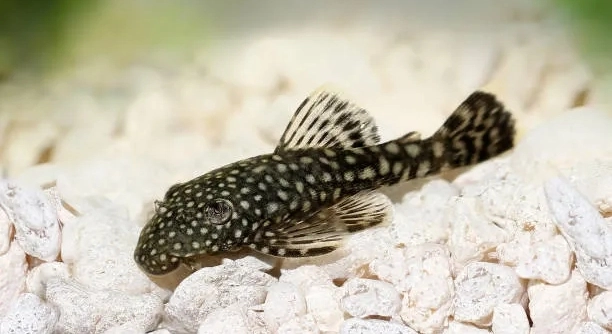
Plecos are fascinating fish, admired for their unique patterns and helpful algae-eating habits in home aquariums. Even though they appear calm, small changes in their environment can create noticeable stress in these sensitive creatures.
Stress in plecos is often caused by factors such as poor water quality, overcrowding, inadequate hiding spaces, inconsistent lighting, sudden temperature changes, improper diet, and excessive handling. Each of these elements can disrupt their natural behaviors and overall well-being.
Knowing what triggers stress in plecos allows owners to create a more peaceful and stable habitat for them. Small adjustments can make a significant difference in their daily comfort.
Poor Water Quality
Maintaining clean water is essential for plecos, as they are highly sensitive to changes in their environment. Even minor fluctuations in pH, ammonia, nitrite, or nitrate levels can create stress. Dirty water encourages harmful bacteria and algae growth, which can irritate their skin and gills. Frequent partial water changes help maintain balance, along with proper filtration to remove debris. Testing water regularly ensures any shifts are detected early. Plecos also benefit from a well-established tank with stable parameters. Overfeeding can worsen water quality, so monitoring food intake is important. Using dechlorinated water prevents chemical stress, while keeping the tank free from strong scents or cleaning agents supports their comfort. Observing pleco behavior, such as reduced movement or hiding more than usual, can indicate that water quality needs attention. Small consistent actions make a noticeable difference in their overall health and stress levels.
Water changes and careful feeding routines are key to keeping plecos calm and healthy. Monitoring daily helps prevent serious problems.
Regular water checks, coupled with stable feeding habits, create a safe environment for plecos. Consistent care minimizes stress, encourages natural behaviors, and supports their growth. A well-maintained tank allows them to thrive and display their patterns vividly, making them more active and comfortable in their home.
Overcrowding
Overcrowding creates tension among plecos and other tank mates. Too many fish in one tank limit swimming space, increase competition for food, and elevate waste levels. Stress manifests through aggression, hiding, or sluggish movement. Providing enough room for each pleco, considering adult size, helps reduce anxiety. A spacious tank with adequate hiding spots allows them to feel secure.
Creating separate territories within the tank helps plecos coexist peacefully. They respond well to visual barriers like plants, rocks, or driftwood.
When plecos are crowded, feeding becomes competitive. Some may miss meals, while others dominate resources. Overcrowding accelerates ammonia and nitrite accumulation, impacting health. Proper stocking ratios prevent disease outbreaks and ensure each fish receives enough space to grow naturally. Adding decorations strategically gives plecos private areas to retreat, reducing confrontations and calming aggressive behavior. Observing their interactions regularly can help identify tension points, allowing adjustments in layout or population before serious stress develops.
Inadequate Hiding Spots
Plecos need places to hide to feel secure. Without sufficient shelter, they can become stressed, shy, or overly aggressive toward tank mates.
Providing caves, driftwood, and dense plants allows plecos to retreat when they feel threatened. Hiding spots mimic natural conditions, giving them comfort and reducing anxiety. Even simple decorations create visual barriers that support territorial behavior and help them rest. A lack of cover can lead to constant stress, resulting in poor appetite or illness. Rotating or adding new shelters occasionally keeps their environment stimulating while still safe. Observing their use of hiding spots helps determine if more are needed for balance.
Properly arranged hiding areas also reduce confrontations between plecos. By giving each fish a private space, their activity becomes calmer, feeding improves, and stress-related health issues are less likely to occur.
Sudden Temperature Changes
Plecos are sensitive to water temperature fluctuations. Rapid shifts can shock their system, causing stress or illness. Maintaining stable temperatures within their preferred range supports health.
Temperature swings affect metabolism and immune function. Sudden drops can make them sluggish, while spikes may increase aggression or irritability. A reliable heater and thermometer help maintain consistency. Avoid placing the tank near drafts, heaters, or windows to prevent abrupt changes. Gradual adjustments are key during seasonal changes or water replacements.
Even small temperature shifts influence behavior and feeding patterns. Monitoring daily ensures conditions remain stable, protecting them from stress-related diseases. Using consistent equipment and checking readings regularly keeps the tank environment predictable, allowing plecos to thrive and display natural behaviors without unnecessary anxiety.
Improper Diet
A poor diet can stress plecos, affecting their energy and immune system. They need balanced nutrition, including algae, vegetables, and occasional protein sources.
Feeding too much or too little disrupts digestion and water quality. Fresh, varied food helps them stay healthy and active.
Excessive Handling
Plecos do not enjoy frequent handling. Constant disturbance can cause stress, physical injury, and weaken their natural defenses.
Handling should be minimal and only when necessary, such as during tank maintenance or medical care. Using nets gently and avoiding sudden movements reduces fear and helps them feel safe.
Inconsistent Lighting
Plecos thrive with a consistent day-night cycle. Erratic lighting confuses their natural rhythms and increases stress levels.
Using timers to maintain regular light periods and providing shaded areas allows plecos to rest, promoting healthy behavior and reducing anxiety.
FAQ
Why does my pleco hide all the time?
Plecos are naturally shy and nocturnal, so hiding is part of their instinct. Stress from overcrowding, poor water quality, or lack of shelter can increase this behavior. Providing caves, driftwood, or dense plants gives them secure spots, helping them feel safe and reducing constant hiding.
How often should I clean my pleco’s tank?
Regular cleaning is essential to reduce stress. Partial water changes of 20–30% weekly help maintain water quality. Remove uneaten food and debris to prevent ammonia or nitrite spikes. Filtration should be checked often, and gravel or substrate lightly cleaned without disturbing beneficial bacteria. Consistency is key.
What foods are best for plecos?
Plecos need a mix of algae, vegetables like zucchini or cucumber, and occasional protein such as shrimp pellets. Overfeeding can foul water, while underfeeding causes stress and weight loss. Providing a balanced, varied diet supports healthy growth, activity, and stress reduction.
Can plecos live with other fish?
Yes, but their environment must have enough space, hiding spots, and compatible species. Overcrowding or aggressive tank mates can stress plecos, causing illness or injury. Observing interactions and separating fish if necessary helps maintain harmony. Plecos need calm surroundings to feel secure and thrive.
Why is my pleco’s color fading?
Color fading can indicate stress, poor water quality, or illness. Ensure proper water parameters, stable temperature, and a balanced diet. Overcrowding, sudden light changes, or constant disturbance may also dull their colors. Healthy plecos display vibrant patterns when their environment meets their needs.
How do I reduce stress in plecos?
Stable water parameters, adequate hiding spots, consistent feeding, minimal handling, and proper tank mates all help reduce stress. Avoid sudden changes in temperature or lighting. Observing behavior regularly allows early intervention. Small adjustments in their habitat go a long way in keeping them calm.
Is it normal for plecos to be active at night?
Yes, plecos are nocturnal and naturally more active during nighttime. Providing low lighting or shaded areas during the day encourages rest, while nighttime activity is expected. Their behavior is normal unless paired with other signs of stress like hiding constantly or refusing food.
How large should a pleco tank be?
Tank size depends on the species, but generally, plecos need ample swimming space and room for hiding spots. Overcrowded tanks increase stress and waste buildup. Providing a spacious environment supports natural behavior, reduces aggression, and promotes long-term health. Driftwood, plants, and rocks improve their habitat.
Can stress make plecos sick?
Yes, chronic stress weakens the immune system, making plecos more susceptible to infections, fin rot, or parasites. Maintaining clean water, proper diet, and stable conditions helps prevent illness. Early observation and intervention reduce health risks and improve overall well-being.
How do I know if my pleco is stressed?
Signs include hiding excessively, refusing food, changing color, rapid gill movement, or increased aggression. Monitoring their environment and adjusting tank conditions, diet, or lighting can alleviate stress. Healthy plecos are active, display normal colors, and interact naturally with their surroundings.
This FAQ covers common concerns and practical solutions, ensuring plecos remain calm, healthy, and display their best natural behaviors. Proper care and observation make a significant difference in reducing stress and promoting a peaceful aquarium environment.
Plecos are unique and fascinating fish that bring both beauty and function to an aquarium. They are often admired for their striking patterns and helpful algae-eating habits, but they are also sensitive creatures that require careful attention. Maintaining a stable environment is essential, as small changes in water quality, temperature, or lighting can have a noticeable effect on their well-being. Providing enough space, clean water, proper diet, and hiding spots allows plecos to thrive and display natural behaviors. Observing them regularly helps identify stress early, which is critical for preventing health problems. Even minor adjustments, like adding driftwood or creating shaded areas, can improve their comfort significantly. Understanding their natural habits and needs ensures they are not only healthy but also active and calm within the tank.
Stress in plecos often results from a combination of environmental factors and care practices. Poor water quality, overcrowding, sudden temperature changes, inconsistent lighting, and excessive handling are all common triggers. By addressing these issues, it is possible to create a calm and stable habitat where plecos feel secure. Regular water testing, consistent feeding schedules, and thoughtful tank decoration all contribute to a supportive environment. Ensuring that plecos have space to retreat and behave naturally reduces aggression and increases their overall well-being. A balanced diet, including algae, vegetables, and occasional protein, also supports immune function and stress reduction. Even small steps, like checking water parameters daily or observing their behavior during feeding, help maintain stability. Stress is often subtle, but attentive care prevents it from escalating into more serious problems.
Creating a comfortable home for plecos requires patience and attention, but it is rewarding. When plecos are healthy and unstressed, they exhibit vibrant colors, active behavior, and proper feeding habits. Their presence can enhance the aquarium aesthetically while performing a functional role in keeping algae under control. By respecting their natural tendencies, such as nocturnal activity and a preference for hiding, owners can support both their physical and mental health. Long-term observation and incremental improvements in care lead to a thriving environment where plecos feel secure. Understanding what stresses them and taking proactive steps to reduce it ensures a peaceful and balanced aquarium for all inhabitants. Consistent, mindful care fosters an environment in which plecos not only survive but flourish, allowing them to reach their full potential in a home aquarium.

Hello,
If you enjoy the content that we create, please consider saying a "Thank You!" by leaving a tip.
Every little bit helps us continue crafting quality advice that supports the health, happiness, and well-being of pets around the world, for pets of all shapes, sizes, and species.
We really appreciate the kindness and support that you show us!