
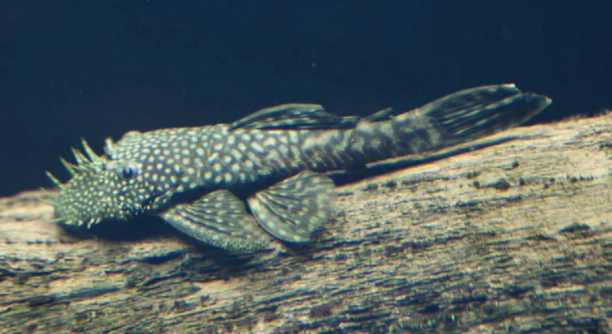
Plecos are fascinating fish that many aquarists enjoy keeping in home aquariums. These peaceful bottom-dwellers can thrive in various setups, but small changes can make their environment feel safer and more inviting for daily activity.
Providing proper hiding spots, maintaining clean water, and offering appropriate food are essential for plecos’ comfort. Adequate tank decorations, stable water parameters, and careful attention to lighting and substrate type contribute significantly to their overall well-being.
Learning these simple steps will help your plecos feel more at ease in their habitat, creating a healthier and more enjoyable aquarium for both you and your fish.
Provide Hiding Spots
Plecos feel more secure when they have places to hide. Adding caves, driftwood, or PVC pipes in the aquarium gives them spots to rest during the day. They are naturally nocturnal and tend to be shy, so hiding areas reduce stress and allow them to feel safe. Plants, both real and artificial, can also create shaded spaces, mimicking their natural river habitats. Overcrowding can make hiding spots even more important, as plecos compete for space and can become anxious if exposed too often. Observing how your plecos interact with their environment will help determine if more shelters are needed. Offering multiple hiding areas also prevents dominant fish from blocking access, which helps maintain harmony. Driftwood is especially beneficial because some pleco species like to graze on it. Proper placement of hiding spots, avoiding high-traffic areas, allows plecos to feel in control of their environment and reduces stress-induced behaviors. A well-structured tank supports both physical and mental health, giving plecos a better quality of life overall.
Hiding spots reduce stress and provide security for plecos, encouraging natural behaviors and promoting overall health and well-being in their aquarium environment.
Adding varied shelters throughout the tank not only creates comfort but also encourages plecos to explore and interact safely with their surroundings. Monitoring their use helps adjust placement effectively.
Maintain Clean Water
Plecos are sensitive to poor water conditions. Regular water changes and filtration keep ammonia, nitrite, and nitrate levels low. Dirty water can lead to stress, illness, and lethargy, so maintaining a clean environment is crucial. Testing water parameters frequently ensures the tank stays stable and suitable for your fish. Overfeeding can worsen water quality, so only provide the amount they can eat within a short time. Proper filtration should handle the tank’s bio-load, and adding plants can help absorb excess nutrients. Cleaning decorations, substrate, and glass helps remove waste and prevents algae buildup, which can make plecos uncomfortable. Plecos also produce a lot of waste, so frequent partial water changes prevent toxins from accumulating. A clean tank encourages natural behavior, like grazing on driftwood or hiding, without the stress of poor water quality. Observing your plecos’ behavior after cleaning can indicate if water conditions are improving or still need adjustment. Maintaining stable water temperature and pH is also essential for their long-term comfort.
Regular water changes keep the aquarium safe, comfortable, and healthy for plecos, reducing the risk of stress-related illness.
Offer Appropriate Food
Plecos need a diet suited to their species. Many enjoy sinking pellets, algae wafers, and occasional vegetables like zucchini or cucumber. Feeding the right foods ensures they get necessary nutrients without overfeeding, which can harm water quality.
Providing a balanced diet supports plecos’ health, growth, and activity. Vegetables should be blanched to make them easier to eat, and algae wafers help supplement natural grazing habits. Some species also benefit from driftwood, which aids digestion. Feeding at consistent times encourages natural routines. Observing their eating patterns lets you adjust portions to prevent waste. Overfeeding can lead to bloating and poor water conditions, so careful portion control is essential. Offering variety prevents boredom and mimics natural behaviors, giving plecos mental stimulation. Keeping uneaten food minimal reduces decay and keeps the tank cleaner. A thoughtful feeding routine contributes to a healthier and more comfortable environment for your fish.
In addition to standard foods, occasional treats like spirulina or frozen shrimp can provide extra nutrients. Monitoring preferences helps tailor their diet for maximum comfort and vitality.
Control Lighting
Too much light can stress plecos, as they prefer dimmer conditions. Bright tanks may cause them to hide excessively or become less active. Adjusting light intensity supports natural behaviors and comfort.
Providing shaded areas and controlling light duration helps maintain a calm environment. Plecos are nocturnal and often more active at night, so lights should mimic natural cycles. Using floating plants or decorations can diffuse harsh lighting, creating safe zones. Timers ensure consistent light patterns, reducing sudden changes that can disturb them. Observing plecos’ activity shows if lighting levels are comfortable. Overly bright conditions may lead to hiding or reduced feeding. Dimming lights or using adjustable fixtures allows flexibility for their comfort.
Shaded zones combined with controlled lighting encourage natural activity, reduce stress, and support overall health, helping plecos thrive in captivity.
Maintain Stable Temperature
Plecos are sensitive to sudden temperature changes. Keeping the water within their preferred range prevents stress and illness. Using a reliable heater and thermometer ensures consistent conditions.
Avoid placing the tank near drafts or direct sunlight. Stability helps plecos stay active and healthy, reducing the risk of disease.
Provide Adequate Tank Size
A spacious tank allows plecos to swim freely and establish territories. Overcrowding can lead to stress, aggression, and restricted movement. Proper sizing depends on species, with larger plecos needing more room. Substrate and decorations should also be arranged to maximize open swimming areas and hiding spaces.
Use Soft Substrate
Plecos have sensitive mouths and undersides. Sand or smooth gravel prevents injuries while they graze and move around. Rough substrates can cause abrasions and discomfort, so choosing gentle materials enhances their overall well-being and encourages natural behavior.
FAQ
How often should I feed my pleco?
Feeding frequency depends on the species and size of your pleco. Most adult plecos do well with one feeding per day, focusing on algae wafers or sinking pellets. Younger plecos may need smaller, more frequent meals to support growth. Vegetables like zucchini, cucumber, or spinach can be offered a few times per week. Always remove uneaten food after a few hours to prevent water contamination. Observing their eating habits helps adjust portions and timing, ensuring they get enough nutrition without overfeeding, which can harm both their health and water quality.
What type of water is best for plecos?
Plecos prefer clean, well-oxygenated water with stable parameters. Temperature should generally stay between 74–80°F (23–27°C), depending on the species. pH levels between 6.5 and 7.5 are ideal, though some species tolerate slightly higher or lower values. Filtration is essential to remove waste, and regular water changes prevent harmful ammonia or nitrite buildup. Hardness can vary with species, but moderately soft water is often preferred. Testing water regularly ensures conditions remain safe and stable. Sudden changes in temperature, pH, or hardness can stress plecos and make them prone to disease.
How can I tell if my pleco is stressed?
Signs of stress include hiding constantly, reduced activity, loss of appetite, or unusual swimming behavior. Skin abrasions or torn fins may also indicate stress caused by poor water quality, rough substrate, or aggressive tank mates. Observing your pleco daily allows you to notice subtle changes in behavior. Adjusting water conditions, providing extra hiding spots, or separating aggressive fish can help reduce stress. Stress can weaken their immune system, making them more susceptible to illness, so acting quickly is important.
Do plecos need driftwood in their tank?
Many pleco species benefit from driftwood, which serves both as a hiding spot and a food source. Some plecos rasp on driftwood to aid digestion, especially species like the common pleco or bristlenose pleco. Driftwood also provides natural surfaces for algae growth, encouraging grazing. Adding it in multiple locations helps reduce territorial disputes and gives them comfortable resting spots. Always clean and soak driftwood before placing it in the tank to remove debris or tannins that could affect water quality. Proper placement ensures easy access without overcrowding swimming areas.
Can plecos live with other fish?
Plecos are generally peaceful, but tank size and species compatibility are important. Small plecos often coexist well with community fish like tetras or guppies. Larger plecos may become territorial if space is limited. Providing multiple hiding spots and adequate swimming areas reduces aggression. Avoid keeping them with highly aggressive or fin-nipping species. Monitoring interactions allows you to intervene if conflicts arise. Maintaining proper water conditions also reduces stress and potential disputes among tank mates, supporting a harmonious environment for all fish.
How do I maintain a clean tank with plecos?
Plecos produce a significant amount of waste, so regular maintenance is crucial. Weekly or biweekly water changes help control ammonia, nitrite, and nitrate levels. Vacuuming the substrate removes debris, while a reliable filter handles the bio-load. Cleaning decorations, glass, and driftwood reduces algae buildup. Avoid overfeeding, which increases waste accumulation. Keeping water stable in temperature, pH, and hardness prevents stress, and monitoring tank conditions regularly ensures the environment remains safe. A clean, well-maintained tank promotes natural behavior, reduces disease risk, and keeps plecos comfortable.
Why does my pleco hide all the time?
Hiding is natural for plecos, especially during the day since many are nocturnal. Excessive hiding may indicate stress, poor water quality, or insufficient hiding spots. Providing caves, driftwood, or plants gives them safe areas to rest. Ensuring stable water parameters and appropriate lighting also encourages more normal activity. Observing when and where they hide helps determine if adjustments are needed in their environment.
Can plecos live on vegetables alone?
While vegetables are important for their diet, plecos generally require more than just veggies to stay healthy. Algae wafers or sinking pellets supply essential proteins and vitamins. Vegetables like zucchini, spinach, or cucumber are great supplements but shouldn’t be the only food source. Providing a balanced diet mimics natural feeding habits and ensures proper growth. Over-relying on vegetables can lead to nutritional deficiencies and reduce energy levels. Offering a variety of foods encourages natural grazing behavior and contributes to overall comfort.
How large should my pleco’s tank be?
Tank size depends on the species and expected adult size. Small plecos can live comfortably in tanks around 30 gallons, but larger species like common plecos need 75 gallons or more. Adequate space allows them to swim, graze, and establish territories without stress. A spacious tank also helps maintain water quality, as larger volumes dilute waste more effectively. Including hiding spots and open swimming areas balances activity and rest, creating a comfortable environment. Proper sizing is essential for long-term health, growth, and behavior.
Do plecos need lights at night?
Plecos are primarily nocturnal and do not require lighting at night. Dim or no light during nighttime encourages natural activity patterns. Too much light can stress them, so providing shaded areas or turning off lights after the day cycle supports normal behavior. Using timers ensures consistency, and floating plants can further diffuse lighting during the day, creating a comfortable environment. Observing activity levels helps confirm if light levels are appropriate, keeping plecos healthy and stress-free.
How often should I check water parameters?
Regular monitoring is crucial, especially after introducing new fish, changing filters, or feeding. Testing ammonia, nitrite, nitrate, pH, and temperature weekly helps detect issues before they become harmful. More frequent checks may be needed if water quality fluctuates or if the tank is heavily stocked. Maintaining stable conditions reduces stress and supports healthy growth and behavior. Keeping a log of readings can reveal trends and help plan water changes or adjustments. Consistent monitoring is key to preventing illness and ensuring comfort for plecos.
What decorations are safe for plecos?
Smooth driftwood, PVC pipes, and non-toxic rocks provide safe hiding spots and grazing surfaces. Avoid sharp or rough decorations that can injure their mouths or fins. Plants, both real and artificial, offer shade and security. Properly spacing decorations ensures swimming areas are open while giving plecos comfortable resting areas. Cleaning decorations regularly prevents algae buildup or debris accumulation. Safe decorations support natural behaviors and reduce stress, creating a more comfortable and healthy environment for plecos in your aquarium.
How can I encourage my pleco to be active?
Providing enough space, hiding spots, and appropriate lighting encourages natural movement. Feeding at regular times and offering grazing opportunities like driftwood or algae wafers stimulates activity. Maintaining clean water, stable temperature, and correct pH also reduces stress, allowing plecos to explore their environment. Rotating vegetables or occasional treats keeps interest high. Observing activity patterns helps identify if adjustments in tank setup or feeding schedule are needed. Encouraging movement supports their physical health, mental stimulation, and overall comfort in the tank environment.
Final Thoughts
Plecos are fascinating and often overlooked fish that can bring life and balance to an aquarium. They are generally peaceful and quiet, but their comfort depends heavily on how their environment is maintained. Creating a habitat that mimics their natural conditions is important for their health and happiness. Proper hiding spots, soft substrate, and stable water parameters all play a role in making them feel secure. Many plecos are nocturnal, so dim lighting and calm surroundings help them follow natural behaviors. Over time, observing how they interact with the tank gives insights into their needs and preferences. Plecos respond to gentle care and thoughtful setup, which encourages normal behaviors like grazing, swimming, and resting. Ignoring their comfort can lead to stress, illness, or reduced activity, so taking small, consistent steps to improve their environment is key. Even simple changes, like adding driftwood or monitoring water quality, can make a noticeable difference in their behavior.
Feeding is another critical aspect of pleco care that affects their overall well-being. A balanced diet that includes sinking pellets, algae wafers, and occasional vegetables ensures they receive the nutrients necessary for growth and vitality. Overfeeding can quickly deteriorate water quality, so portion control is important. Some pleco species benefit from driftwood, which aids digestion and provides grazing opportunities. Observing their eating patterns helps determine whether portions or feeding frequency need adjustment. In addition to standard foods, offering occasional supplements like spirulina or frozen shrimp can support overall nutrition. A consistent feeding schedule helps plecos establish a routine, which reduces stress and promotes a sense of security. Watching them feed also provides a window into their health; active and interested fish are generally comfortable, while those avoiding food may be stressed or unwell. Careful attention to diet and feeding habits contributes significantly to a more comfortable and thriving aquarium.
Maintaining water quality and tank conditions is perhaps the most important factor in pleco comfort. Regular water changes, proper filtration, and consistent monitoring of temperature, pH, and hardness are essential. Plecos are sensitive to sudden changes, and even small fluctuations can cause stress. Keeping the tank clean, removing uneaten food, and avoiding overcrowding also help maintain a stable environment. Lighting should match their natural activity patterns, with dimmer conditions supporting their nocturnal tendencies. Providing enough space, hiding areas, and safe decorations allows them to explore and rest as needed. Observing behavior regularly helps identify potential problems before they escalate. By combining these practices—diet, tank setup, water quality, and lighting—you can create an environment where plecos feel safe, comfortable, and healthy. Paying attention to these details not only improves their well-being but also enhances the overall balance and enjoyment of the aquarium, making it a more peaceful and harmonious space for everyone.

Hello,
If you enjoy the content that we create, please consider saying a "Thank You!" by leaving a tip.
Every little bit helps us continue crafting quality advice that supports the health, happiness, and well-being of pets around the world, for pets of all shapes, sizes, and species.
We really appreciate the kindness and support that you show us!