
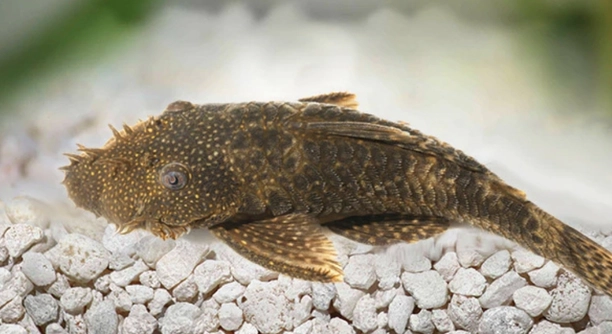
Owning a pleco can be a rewarding experience, but it comes with responsibilities that are easy to overlook. These unique fish need proper care, attention, and the right environment to thrive in any home aquarium setting.
Before purchasing a pleco, it is essential to evaluate tank size, diet requirements, compatibility with other fish, water conditions, growth potential, and long-term maintenance needs. Understanding these factors ensures the health, safety, and longevity of the pleco in captivity.
Learning these considerations will help you make informed decisions and provide a better environment for your new aquatic companion. Proper preparation is key to a successful pleco-keeping experience.
Tank Size and Space Requirements
Plecos are often underestimated when it comes to the space they need. While some species remain small, many grow quite large, sometimes exceeding a foot in length. A tank that seems sufficient at first can quickly become overcrowded, leading to stress, poor water quality, and health issues. Proper filtration and regular water changes are essential for maintaining a stable environment. Hiding spots, driftwood, and flat surfaces for grazing algae should be included, as plecos like to explore and feel secure. Overcrowding also affects compatibility with other fish, as plecos may become territorial or stressed if space is limited. Before purchasing, it is crucial to research the adult size of the species you plan to keep. Planning for growth ensures a healthier, longer life for your pleco.
A larger tank reduces stress and gives your pleco room to grow naturally. Adequate space is key to their comfort and well-being.
Keeping the tank clean and spacious requires consistent effort. Gravel vacuuming, filter maintenance, and partial water changes are necessary. Plecos produce a lot of waste, so neglecting tank upkeep can lead to poor water conditions. Regular monitoring of ammonia, nitrite, and nitrate levels helps prevent illnesses. Temperature and pH stability are also important. Adding driftwood provides not just shelter but a source of natural dietary fiber for certain species. Plants should be chosen carefully, as plecos may uproot delicate ones while grazing. Observing your pleco daily allows you to notice early signs of stress or illness. With proper space, your pleco will display natural behaviors, remain active, and integrate smoothly with tank mates, creating a balanced and healthy aquarium environment.
Diet and Feeding Considerations
Plecos need more than just algae to stay healthy.
A balanced diet includes algae wafers, vegetables like zucchini or cucumber, and occasional protein sources such as shrimp pellets or bloodworms. Different species have varying nutritional needs, and relying solely on algae can cause deficiencies. Feeding small portions multiple times a day is better than a single large meal, as plecos graze naturally throughout the day. Overfeeding can pollute the tank and harm both the fish and water quality. Observing eating habits ensures all individuals get adequate nutrition. Driftwood is important for certain species, providing fiber that supports digestion and mimics natural behavior. Supplementing diet with fresh vegetables encourages activity and prevents boredom.
Providing proper nutrition requires attention and variety. Understanding specific species’ dietary needs supports growth, coloration, and longevity. Regularly adjusting feeding routines based on observation helps maintain a healthy, active pleco. Proper care in diet ensures the fish remain strong and vibrant while minimizing tank maintenance challenges. By investing in the right food and observing feeding behaviors, you establish a routine that benefits both your pleco and the aquarium ecosystem. Consistency in feeding and quality nutrition directly impacts overall health and behavior, helping avoid common problems such as malnutrition or aggression caused by competition for food.
Compatibility with Other Fish
Plecos can coexist with many fish, but some species are territorial. Aggression may arise if tank space is limited or hiding spots are scarce. Choosing compatible tank mates prevents stress and injuries.
Monitoring interactions is essential. Some plecos may chase smaller or slower fish, especially during feeding. Territorial behavior can increase in mature males. Providing multiple hiding areas and a well-planned layout reduces conflicts. Avoid housing them with highly aggressive species or delicate fish that may be harmed. Observing daily behavior helps identify tension early. Adjustments to tank arrangement or population may be needed to maintain peace. Plecos also prefer a peaceful environment to exhibit natural behaviors like grazing and exploring. Proper planning minimizes aggression and supports a balanced ecosystem.
Compatibility affects both pleco health and the overall aquarium environment. Overcrowding, territorial disputes, or incompatible species can cause stress, poor growth, or illness. Planning a compatible community ensures harmony. Regular observation allows timely intervention if issues arise. Gradually introducing new fish and maintaining clean water conditions helps reduce territorial disputes. Plecos require space to establish their areas, and other species need room to avoid constant encounters. Understanding behavior patterns supports better tank management, promoting calm interactions. By balancing species needs, you create a stable, thriving environment that benefits all inhabitants.
Water Conditions and Maintenance
Maintaining stable water conditions is crucial for plecos. Temperature, pH, and hardness must remain consistent to prevent stress.
Regular water testing ensures ammonia, nitrite, and nitrate levels stay safe. Plecos are sensitive to sudden changes and require clean, oxygenated water. Temperature fluctuations or poor water quality can lead to illness or weakened immunity. Performing partial water changes weekly helps maintain stability and removes excess waste. Filtration should handle the bioload, and additional aeration may be needed for larger tanks. Driftwood and natural substrates support water quality and provide grazing areas. Monitoring behavior and coloration offers clues about water health. Consistency and careful observation prevent common problems, keeping plecos active and healthy.
Water maintenance affects every aspect of pleco well-being. Neglecting cleaning or monitoring parameters can lead to disease and stunted growth. A structured schedule for water changes, filter checks, and tank inspections is essential. Plecos are messy eaters, producing significant waste that can accumulate quickly. Regularly scraping algae and removing uneaten food prevents toxic buildup. Testing water for pH, ammonia, nitrite, and nitrate ensures a safe environment. Temperature control is equally important, especially for tropical species. Proper maintenance encourages natural behaviors like grazing, hiding, and swimming. Following a disciplined routine supports long-term health, reduces stress, and keeps the aquarium stable.
Lifespan and Growth
Plecos can live for 10 to 15 years or more with proper care. Understanding their growth rate helps plan tank size and long-term maintenance.
Some species grow slowly, while others reach over a foot in length quickly. Planning for adult size ensures the tank remains suitable and prevents overcrowding.
Hiding Spots and Tank Decor
Providing driftwood, rocks, and caves is essential. Plecos need places to retreat and feel secure. Without hiding spots, stress and territorial behavior can increase, affecting health and activity levels.
Decor also supports natural grazing. Driftwood offers dietary fiber for certain species, while caves allow resting areas. Strategic placement reduces conflicts and encourages exploration. Regularly changing or adding decor can keep plecos engaged and active. Maintaining a natural, structured environment improves overall well-being and helps prevent boredom or stress-related behaviors, ensuring a more balanced aquarium ecosystem.
Common Health Issues
Plecos are prone to skin and fin problems if water quality is poor. Monitoring their condition regularly helps prevent serious illness.
Cost and Long-Term Commitment
Owning a pleco involves ongoing expenses for food, equipment, and tank maintenance. Initial purchase is only a small part of the overall commitment.
FAQ
How often should I feed my pleco?
Feeding depends on the species, tank size, and available natural algae. Most plecos benefit from small portions once or twice a day, supplemented with vegetables or algae wafers. Overfeeding can pollute water, so observe consumption and remove uneaten food promptly. A varied diet supports growth, digestion, and coloration.
Can plecos live with other fish?
Yes, many plecos coexist well with peaceful species. Avoid aggressive or very small fish that may be harassed. Provide hiding spots and sufficient space to reduce stress. Observation is key during introductions to ensure all fish are adjusting properly. Plecos are generally adaptable if environmental needs are met.
Do plecos need special lighting?
Plecos do not require intense lighting. Moderate or subdued lighting is sufficient, as strong light can stress them. Low lighting also supports algae growth for grazing. Plants and driftwood can provide shaded areas, which plecos use to feel secure and hide during the day.
How large will my pleco get?
Growth depends on species. Common plecos can reach over 12 inches, while smaller species stay under 6 inches. Tank size and diet influence growth. Planning for adult size prevents overcrowding and stress. Always research your species’ maximum size before purchasing to avoid surprises.
What water parameters are best for plecos?
Plecos thrive in stable tropical conditions, usually between 72–82°F. pH should be mildly acidic to neutral, around 6.5–7.5. Hardness varies by species. Regular water testing and partial changes maintain these conditions. Sudden changes can stress plecos, so gradual adjustments are recommended.
Do plecos need driftwood?
Many species benefit from driftwood, which provides fiber and mimics natural habitats. It supports digestion and offers hiding spots. Even if your pleco doesn’t eat it, driftwood creates a more natural environment. Regular cleaning prevents buildup of algae or debris on the wood.
Why is my pleco hiding constantly?
Hiding is normal, especially during the day. Plecos are nocturnal and often active at night. Stress, poor water quality, or aggressive tank mates can also increase hiding behavior. Ensure adequate space, stable water conditions, and plenty of hiding spots to reduce unnecessary stress.
How do I tell if my pleco is healthy?
Healthy plecos have clear eyes, intact fins, and consistent coloration. They should actively graze and respond to feeding. Signs of illness include clamped fins, discoloration, lethargy, or spots. Regular observation and proper water maintenance help prevent disease and support long-term health.
Can plecos eat vegetables?
Yes, vegetables like zucchini, cucumber, and spinach are excellent supplements. They provide nutrients and encourage natural grazing behaviors. Introduce vegetables in small amounts and remove uneaten portions to maintain water quality. Some species also benefit from occasional protein sources.
How much does it cost to keep a pleco long-term?
Costs include food, water testing supplies, filters, and electricity. Larger tanks increase equipment costs. While initial purchase may seem low, ongoing expenses for maintenance and diet accumulate. Planning for these costs ensures proper care and prevents financial strain while keeping the pleco healthy.
Do plecos need a heater?
Most tropical plecos require stable temperatures, so a heater is often necessary. Avoid rapid fluctuations, as sudden changes can stress or harm them. Set the heater according to species requirements and monitor with a reliable thermometer. Consistency ensures growth and reduces disease risk.
How often should I clean the tank?
Partial water changes weekly or biweekly are recommended. Gravel vacuuming, filter maintenance, and algae removal prevent toxic buildup. Plecos produce significant waste, so consistent cleaning supports water quality and reduces health issues. A clean tank encourages natural behavior and keeps fish active and vibrant.
Are plecos nocturnal?
Yes, most plecos are active at night and rest during the day. Observing them in the evening or after lights dim reveals natural behaviors like grazing, exploring, and interacting with the environment. Adjust feeding and decor placement to suit their nocturnal activity.
Can plecos damage plants?
Some plecos may uproot or nibble on soft plants while grazing. Hardy or rooted plants work better in a pleco tank. Using driftwood and rocks can reduce plant disruption while still providing hiding spots and grazing surfaces. Observation helps identify potential issues early.
How do I introduce a pleco to a new tank?
Acclimate slowly by floating the bag in the tank to equalize temperature. Gradually mix tank water with the transport water over 30–60 minutes. This reduces stress and prevents shock. Providing hiding spots immediately helps the pleco adjust and feel secure in the new environment.
Owning a pleco can be a rewarding experience when their care needs are fully understood. These fish are often seen as low-maintenance, but they require careful attention to water quality, tank size, diet, and compatibility with other fish. A pleco can live for many years if provided with the right environment, so planning ahead is essential. Choosing the right species for your tank size ensures that your pleco has enough space to grow comfortably and prevents stress or territorial behavior. Understanding the adult size of the pleco you plan to keep will help you avoid overcrowding and the complications that come with insufficient space. Driftwood, hiding spots, and proper decor also play a crucial role in their comfort, providing both shelter and surfaces for natural grazing. Consistent tank maintenance and monitoring water parameters help prevent common health issues, allowing your pleco to thrive over the long term.
Diet is another critical factor in pleco care. While algae can make up part of their nutrition, it is not enough on its own. Providing a balanced diet with algae wafers, vegetables like zucchini or cucumber, and occasional protein supplements ensures that plecos get the nutrients they need to grow and remain active. Feeding in small portions throughout the day mimics their natural grazing behavior and reduces waste accumulation in the tank. Observing your pleco’s eating habits can help identify health concerns early, and removing uneaten food helps maintain water quality. Additionally, some species benefit from driftwood in their diet, which provides fiber and supports proper digestion. Paying attention to diet and feeding routines ensures that plecos maintain vibrant colors, good health, and natural behaviors while minimizing the risk of disease or malnutrition.
Long-term commitment and preparation are essential for successful pleco ownership. These fish can live for a decade or more, meaning their care is not a short-term responsibility. Costs for equipment, food, and maintenance can add up, so budgeting for ongoing expenses is important. Regular water changes, filter upkeep, and tank cleaning help maintain a stable environment, reducing stress and promoting overall health. Plecos are nocturnal and enjoy exploring, grazing, and hiding during the day, so providing an enriched environment supports their natural behavior and mental stimulation. Observing your pleco daily allows you to respond to changes in behavior or appearance before minor issues become major problems. By planning for growth, maintaining consistent care routines, and understanding species-specific needs, keeping a pleco can be a fulfilling and enjoyable experience, offering years of active, healthy companionship in your aquarium.

Hello,
If you enjoy the content that we create, please consider saying a "Thank You!" by leaving a tip.
Every little bit helps us continue crafting quality advice that supports the health, happiness, and well-being of pets around the world, for pets of all shapes, sizes, and species.
We really appreciate the kindness and support that you show us!