
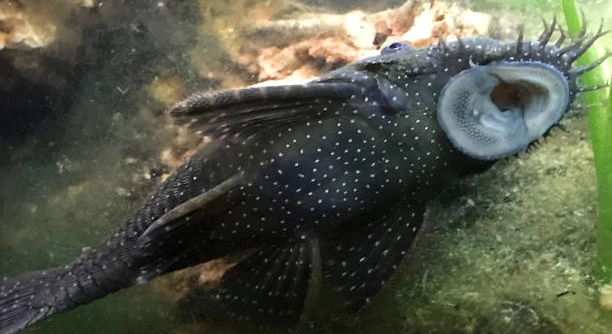
Moving a pleco to a new tank can be stressful for both the fish and its owner. Sudden changes in environment, water quality, and tank setup can make plecos hide, refuse food, or become restless. Adjustments are often gradual.
Helping plecos adjust after moving requires attention to water parameters, proper acclimation, and minimizing stress. Gradual introduction to new tanks, maintaining stable temperature, and providing familiar hiding spots allow plecos to feel secure and adapt naturally to their changed environment.
Understanding these tips will make the transition smoother for your pleco. Following simple steps can improve its comfort, feeding, and overall well-being in the new tank.
Prepare the Tank Properly
Before moving your pleco, it’s essential to ensure the new tank is fully ready. Check the water temperature, pH, and hardness to match its previous environment as closely as possible. Remove any chemicals or residues that could irritate the fish. Add hiding spots like driftwood, rocks, or plants to help the pleco feel safe. Lighting should be moderate, not too bright, to avoid startling your fish. Make sure the filter is running smoothly, and the water flow is appropriate for plecos. Monitor the tank for a day or two before introducing the fish to confirm stability. Cleaning the substrate and checking for harmful bacteria is also important. A properly prepared tank reduces stress and prevents health issues. Introducing a pleco into a calm, safe environment encourages it to explore gradually and settle in without panic or hiding excessively.
A stable, clean tank helps the pleco feel secure and reduces the risk of shock. It encourages natural behavior and appetite.
Take time to observe the pleco during its first hours. Note where it hides, how it swims, and whether it starts feeding. This initial observation helps identify if further adjustments are needed, such as adding more hiding spaces or adjusting water flow. Gradual familiarity will make the pleco more confident over the following days.
Gradual Acclimation
Introduce your pleco slowly to the new tank conditions. Floating the bag in the tank allows water temperature to equalize.
Slowly adding small amounts of tank water into the bag over 30–60 minutes lets the pleco adjust to chemical differences without stress. This method reduces shock and keeps the fish comfortable. Once the pleco has acclimated, gently release it into the tank without forcing it. Avoid tapping the glass or chasing the fish, as sudden movements increase stress. Keep lights dimmed for the first day or two and limit disturbances around the tank. Feeding should be light initially; observe if the pleco eats normally or hides more. Over time, regular routines and stable conditions will help it regain normal activity levels. Consistency in temperature, water parameters, and diet ensures the pleco adapts efficiently. Patience during acclimation prevents long-term health issues and promotes trust in the environment.
Once acclimation is complete, the pleco will begin exploring and interacting with its surroundings confidently, marking the start of a smooth transition. A calm approach ensures it thrives in the new tank, reducing stress-related illnesses and behavioral problems. Observing subtle signs like slight swimming patterns or partial feeding helps gauge comfort and readiness for normal routines. Maintaining stability and minimal disruptions during this period strengthens its adjustment and encourages consistent eating and activity. Gradual acclimation is a key step for a healthy, well-settled pleco.
Maintain Water Quality
Consistent water quality is vital for plecos. Test ammonia, nitrite, and nitrate levels frequently. Perform partial water changes weekly and remove uneaten food promptly. Stable, clean water reduces stress and prevents disease.
Regular maintenance supports a healthy environment. Plecos are sensitive to toxins, and fluctuations can cause stress or illness. Using a reliable filter and checking its performance daily ensures proper circulation and oxygenation. Avoid overfeeding, as excess food decomposes and increases harmful substances. Keeping water parameters stable encourages normal feeding and activity, allowing your pleco to settle in comfortably. Monitoring pH, temperature, and hardness helps maintain consistency, while adding beneficial bacteria supports a balanced ecosystem.
Observing water conditions closely is key. Any sudden change can make your pleco retreat or stop eating. A consistent routine with weekly partial water changes, careful cleaning, and proper filtration ensures the tank remains safe and comfortable. Using test kits to check ammonia, nitrite, nitrate, and pH provides real-time feedback. This approach helps detect small problems before they escalate. A healthy environment allows the pleco to explore freely, feed normally, and gradually build confidence. Proper water care also reduces the risk of infections and long-term stress.
Provide Hiding Spots
Plecos need hiding spots to feel secure. Driftwood, caves, and dense plants create safe areas for rest and retreat.
Strategically placing hiding spots helps plecos reduce stress and encourages natural behavior. These shelters give them space to explore at their own pace, which is crucial during the first days after moving. Hiding spots also reduce conflicts with tank mates and provide nighttime resting areas. Choosing materials that are safe for aquarium use prevents water contamination and supports overall health. Varying shapes and sizes accommodates different pleco species and promotes a sense of security.
Observing your pleco’s behavior around hiding spots is important. Some may prefer caves, while others like driftwood or plant cover. Adjust placement if the fish avoids certain areas, ensuring comfort and accessibility. Hiding spots not only reduce stress but also encourage natural foraging behaviors. A well-arranged tank helps your pleco feel in control, minimizing panic and erratic swimming. Over time, these areas become familiar territories, supporting routine activity and feeding. This attention to habitat detail improves long-term well-being and promotes a calmer, healthier pleco.
Monitor Feeding Habits
Plecos may eat less when adjusting to a new tank. Offer familiar foods first and observe consumption. Avoid overfeeding, as uneaten food can harm water quality and stress the fish.
Providing a consistent feeding schedule helps your pleco regain appetite. Offer small portions daily, including algae wafers and vegetables. Monitor its response and adjust gradually to encourage regular eating.
Keep Tank Lights Moderate
Bright lighting can stress plecos. Use dim or indirect light during the first few days. This allows them to explore without feeling exposed.
Limit Tank Disturbances
Minimize movement and noise around the tank. Plecos are sensitive to vibrations and sudden changes. Quiet surroundings help them feel safe and reduce stress, supporting faster adaptation.
FAQ
How long does it take for a pleco to adjust after moving?
Adjustment can vary depending on the species, tank conditions, and the pleco’s previous environment. Generally, it takes anywhere from a few days to two weeks for a pleco to fully acclimate. During this period, they may hide more, swim less, or eat irregularly. Maintaining stable water parameters and providing hiding spots can significantly reduce stress and help them feel secure faster. Observing subtle changes in behavior, such as venturing out during feeding times, can indicate progress in adaptation. Patience is key.
Why is my pleco hiding all the time after moving?
Hiding is a natural response to stress and new surroundings. Plecos instinctively seek shelter when they feel insecure. Providing multiple hiding spots like caves, driftwood, or dense plants allows them to feel safe. Over time, as the pleco grows comfortable, it will spend more time exploring and feeding openly. Avoid disturbing the tank unnecessarily, and maintain consistent lighting and water parameters to encourage gradual confidence.
What should I feed my pleco during the adjustment period?
Offer familiar foods first, such as algae wafers, zucchini, cucumber, or other vegetables your pleco is accustomed to. Start with small portions to avoid overfeeding, which can pollute the tank and increase stress. Observe whether the fish is eating, and adjust the amount accordingly. Introducing new foods can be done slowly once the pleco is comfortable and has resumed normal feeding behavior.
How often should I change the water while my pleco is adjusting?
Partial water changes of about 20–25% weekly are generally sufficient. The goal is to maintain stable water quality without causing sudden shifts in parameters that can stress your pleco. Remove uneaten food and debris to prevent ammonia spikes. Using a reliable water test kit to monitor pH, nitrite, and nitrate levels ensures a safe environment during this critical adjustment period.
Can my pleco get sick from moving stress?
Yes, stress from moving can weaken a pleco’s immune system, making it more susceptible to diseases such as ich or fin rot. Maintaining stable water parameters, providing hiding spots, and limiting disturbances help reduce stress. Observing your pleco daily for signs of illness like spots, frayed fins, or lethargy allows for early intervention. Prompt attention and proper care prevent minor issues from becoming serious health problems.
Is it normal for a pleco to stop eating temporarily after a move?
A temporary loss of appetite is common as plecos adjust to new conditions. They may hide more and feed less until they feel secure. Offering small, familiar portions and keeping the tank environment consistent encourages them to resume eating. Avoid pushing the fish or overfeeding, as this can worsen stress and water quality.
Do plecos need special lighting after moving?
Plecos prefer dim lighting or shaded areas, especially during the first few days in a new tank. Bright light can make them feel exposed and increase hiding behavior. Use moderate or indirect lighting to reduce stress, and ensure hiding spots are easily accessible. Gradually adjusting light intensity over time helps them adapt naturally.
Should I interact with my pleco while it’s adjusting?
Limit interaction initially. Plecos are sensitive to vibrations and sudden movements. Observing quietly from a distance allows them to explore safely and gain confidence. Over time, gentle interaction, such as feeding, can help build a routine and encourage natural behavior. Patience is important to avoid causing additional stress.
Can adding other fish affect my pleco’s adjustment?
Yes, introducing new tank mates during the adjustment period can increase stress. Plecos benefit from a calm environment with minimal disturbances. Wait until the pleco has settled, is feeding regularly, and is displaying normal activity before adding other species. Gradual introductions and observing behavior help prevent conflicts and support a healthy tank dynamic.
How do I know when my pleco has fully adjusted?
Signs of full adjustment include regular feeding, exploring the tank, resting in visible areas, and normal swimming behavior. Hiding may still occur, but it should be less frequent. Stable water parameters, consistent eating, and active movement indicate the pleco is comfortable in its new environment and ready for a routine care schedule.
What role does temperature play in adjustment?
Temperature stability is critical. Sudden changes can shock a pleco and delay acclimation. Keep the tank within the species’ preferred range and avoid placing it near heaters or windows that cause fluctuations. Consistent temperature supports metabolism, immune function, and overall comfort, helping the pleco settle efficiently.
Can I use supplements to help my pleco adjust?
Supplements like probiotics or mineral additives can support immune health, but they are not a substitute for stable water conditions and proper care. Focus on maintaining clean water, appropriate feeding, and a stress-free environment first. Supplements may provide additional support if recommended for your specific pleco species, but careful observation is essential.
How important is tank size during adjustment?
Adequate tank size reduces stress and gives the pleco space to explore. Overcrowding or insufficient hiding spots can prolong adjustment and increase aggressive behavior. Ensure the tank meets the adult size requirements for your species, with room for decorations, plants, and swimming areas. A properly sized tank promotes confidence and natural behavior.
What signs indicate I need to adjust the tank setup?
If your pleco consistently hides, refuses food, or shows unusual swimming patterns, the setup may need adjustment. Consider adding or rearranging hiding spots, checking water parameters, or moderating lighting. Subtle changes in behavior signal comfort or discomfort, guiding you to optimize the environment for smoother adaptation.
How do I handle a pleco that refuses to eat for more than a week?
Extended refusal to eat may indicate stress or illness. Confirm water parameters, inspect for disease, and ensure hiding spots are adequate. Consider gently offering highly palatable foods like blanched vegetables. If eating does not resume, consult an aquatic veterinarian or experienced aquarist to prevent malnutrition or long-term health issues.
Is it necessary to quarantine a pleco before moving it to a new tank?
Quarantining helps prevent the introduction of diseases into an established tank. A 2–4 week quarantine allows monitoring for illness and ensures the pleco is healthy before combining it with other fish. Quarantine tanks should mimic natural conditions with hiding spots and stable water parameters to reduce stress during observation.
Can water flow affect my pleco’s adjustment?
Yes, plecos may struggle with strong currents or uneven flow. Adjust filters or decorations to create calm areas. Proper water flow ensures oxygenation without overwhelming the fish, allowing it to explore comfortably and reduce hiding tendencies during adjustment.
How often should I observe my pleco during adjustment?
Daily observation is important to track behavior, feeding, and activity. Note any signs of stress, illness, or changes in appetite. Regular monitoring allows quick intervention if problems arise and reassures that the pleco is gradually adapting to the new tank environment.
Can stress from moving cause long-term behavior changes?
Severe or prolonged stress may lead to lasting behavior changes, such as excessive hiding or irregular feeding. Maintaining a calm, consistent environment, providing hiding spots, and monitoring water quality helps prevent long-term impacts. Gradual acclimation minimizes stress and supports normal behavior patterns.
Are there specific signs of stress unique to plecos?
Stress in plecos often appears as hiding constantly, clinging to tank surfaces excessively, erratic swimming, or refusal to eat. Color changes, fin damage, or reduced activity also indicate stress. Recognizing these signs early helps you intervene and adjust the tank environment to restore comfort and health.
What is the best way to introduce multiple plecos to a new tank?
Introduce them one at a time, ensuring each has adequate hiding spots and space. Monitor interactions for signs of aggression or competition for territory. Gradual introduction prevents stress and ensures all plecos can adapt comfortably to the new environment without conflict.
How can I encourage my pleco to explore after moving?
Place favorite foods near open areas and provide accessible hiding spots. Keep the tank calm and maintain consistent conditions. Observing from a distance and allowing gradual exploration helps the pleco feel safe while encouraging activity and interaction with its surroundings.
How important is water testing during adjustment?
Frequent water testing is essential. Monitoring ammonia, nitrite, nitrate, pH, and temperature ensures the pleco remains in a stable environment. Sudden fluctuations can increase stress, reduce appetite, and lead to illness. Regular testing allows preventive measures and supports a healthy transition to the new tank.
Can plecos adjust if the tank is slightly different from their previous one?
Yes, with stable conditions and gradual acclimation. Plecos can tolerate minor differences in water parameters or decor if changes are introduced carefully. Consistency in feeding, hiding spots, and temperature helps them adapt without significant stress, ensuring smooth integration into the new tank.
What should I do if my pleco seems lethargic after moving?
Lethargy can result from stress, poor water quality, or illness. Check water parameters, inspect for visible health issues, and ensure hiding spots are available. Monitor feeding closely and avoid overhandling. Adjusting environmental factors gradually encourages activity and helps the pleco regain normal energy levels.
How do I know if my pleco is comfortable with its tank mates?
Comfort is indicated by regular feeding, relaxed swimming, and minimal hiding. Aggression or chasing signals territorial stress. Ensure enough space, hiding spots, and observe interactions to confirm compatibility. Gradual introduction and attention to behavior promote a peaceful community environment.
Can temperature swings cause my pleco to hide more?
Yes, sudden changes in temperature can stress plecos, causing excessive hiding and reduced appetite. Maintain a consistent temperature range suitable for the species and avoid placing the tank near heaters, windows, or vents that create fluctuations. Stability encourages normal activity.
What is the best way to track my pleco’s adjustment progress?
Keep a simple journal of feeding habits, hiding frequency, swimming behavior, and interactions with tank mates. Recording water parameters alongside observations helps identify patterns, detect issues early, and track improvement over time. Gradual, steady progress indicates successful adaptation to the new environment.
How long should I maintain low stress measures?
Maintain calm surroundings, moderate lighting, and minimal disturbances for at least two weeks or until the pleco shows regular feeding, active exploration, and normal behavior. Gradually reducing stress measures over time ensures confidence and long-term comfort.
What do I do if my pleco still hides constantly after two weeks?
Reevaluate tank setup, hiding spots, water quality, and feeding. Ensure the environment meets the species’ needs. Some plecos are naturally shy, but persistent hiding may indicate stress or illness. Make adjustments gradually and consult an experienced aquarist or veterinarian if behavior does not improve.
Are plecos affected by water chemistry differences between tanks?
Yes, sudden differences in pH, hardness, or mineral content can stress plecos. Gradual acclimation by mixing small amounts of tank water with transport water helps them adjust safely and reduces the likelihood of shock or refusal to eat.
Can rearranging decorations help plecos feel more comfortable?
Yes, altering hiding spots and decor can provide a sense of control and novelty. Plecos may explore more confidently when they have multiple shelter options. Ensure changes are gradual to avoid additional stress while improving comfort and activity.
Is it normal for plecos to cling to surfaces after moving?
Yes, clinging to surfaces or the tank glass is a natural response to feel secure. This behavior usually decreases as the fish acclimates. Providing vertical surfaces like driftwood or rocks supports normal behavior while reducing stress.
How can I tell if my pleco is eating enough?
Monitor the amount of food consumed, leftover portions, and observe weight or body condition. Consistent, regular feeding along with active exploration indicates proper intake. Adjust feeding amounts gradually based on observation to maintain health.
What role does routine play in adjustment?
A consistent routine with feeding times, water changes, and minimal disturbances helps plecos predict their environment, reducing stress. Stability promotes natural behavior, regular eating, and faster acclimation to the new tank.
Should I worry if my pleco avoids certain areas of the tank?
Avoidance is normal during early adjustment. Plecos often explore gradually, preferring areas that feel secure. Over time, they usually expand their territory as confidence grows. Adding multiple hiding spots and calm surroundings encourages exploration.
Can plecos adjust to tanks with different filtration systems?
Yes, but transition should be gradual. Ensure water flow is not too strong and maintain stable parameters. Observation and adjustment to the new system support comfort, normal feeding, and reduced stress.
What if my pleco scratches against objects after moving?
Scratching can indicate irritation, stress, or water quality issues. Check for parasites, water chemistry problems, or rough surfaces. Provide smooth hiding spots and maintain clean water to reduce irritation and prevent injury.
Is social interaction important during adjustment?
Plecos are generally solitary, but observing them and gentle feeding routines support confidence. Avoid forcing interaction; allow natural behavior to guide comfort levels. Social stress from other fish should be minimized during early adjustment.
How long should I monitor behavior closely after moving?
Closely observe for at least two weeks, noting feeding, hiding, swimming, and interactions. This period helps detect stress, illness, or environmental issues and ensures the pleco is adapting smoothly. Regular monitoring supports timely adjustments.
Can adding plants help plecos adjust faster?
Yes, plants provide hiding, reduce stress, and create natural boundaries. Dense foliage mimics natural habitats and encourages exploration, feeding, and comfort. Choosing hardy plants ensures stability and minimal maintenance during the adjustment period.
What signs indicate a pleco is fully comfortable?
Regular feeding, confident swimming, reduced hiding, and normal interaction with tank mates signal comfort. Active exploration and consistent behavior indicate successful adaptation and readiness for routine care without special measures.
Can stress from moving affect pleco growth?
Prolonged stress may slow growth due to reduced appetite and energy. Maintaining proper conditions, consistent feeding, and minimizing stress promotes healthy development during adjustment and long-term growth.
Is it normal for plecos to be more active at night after moving?
Yes, nocturnal behavior is natural. Increased activity during nighttime is common, especially if the fish feels exposed during the day. Provide hiding spots and dim lighting to support natural cycles.
How do I encourage eating if my pleco refuses all food?
Offer preferred vegetables or algae wafers near hiding spots. Keep the tank calm and maintain stable conditions. Gradual exposure to food, along with patience, usually restores appetite over several days.
Are plecos sensitive to human presence after moving?
Yes, sudden movements, tapping, or vibrations can increase stress. Observe quietly and avoid disturbances. Gentle routines help them acclimate while reducing anxiety and encouraging natural behavior.
What is the role of driftwood in adjustment?
Driftwood provides hiding, surfaces for grazing, and a sense of security. Plecos often cling to or rest on it, reducing stress and encouraging natural feeding behavior during adaptation.
Can water temperature changes at night affect adjustment?
Yes, fluctuations can stress plecos. Maintain stable temperature using reliable heaters and avoid cold drafts. Consistency supports metabolism, feeding, and gradual acclimation.
How important is patience during adjustment?
Patience is essential. Plecos need time to explore, feed, and feel secure. Rushing interactions or frequent disturbances can prolong stress and delay full adaptation to the new tank.
What is the most common mistake during pleco adjustment?
Rushing acclimation, overfeeding, or disturbing the tank are frequent mistakes. Maintaining stable conditions, providing hiding spots, and observing behavior patiently ensures a smooth transition.
How do I know when to resume regular maintenance routines?
Once the pleco is eating regularly, exploring, and showing normal behavior, standard water changes, feeding, and cleaning can resume. Continue observing subtly to ensure stability.
Can stress from moving trigger disease outbreaks?
Yes, weakened immunity from stress can make plecos susceptible to infections like ich or fin rot. Preventive care, clean water, and minimal disturbances reduce risks during adjustment.
How do I reduce territorial stress in a new tank?
Provide ample hiding spots and space between plecos. Introduce them gradually and observe interactions. Proper setup and sufficient shelters prevent conflicts and stress.
Are plecos affected by sudden decor changes during adjustment?
Yes, abrupt rearrangement can increase hiding and reduce feeding. Make changes gradually, ensuring familiar shelters remain accessible, to maintain comfort and encourage exploration.
How can I track progress without disturbing my pleco?
Observe from a distance, noting feeding, swimming, and hiding. Use logs or photos to compare behavior over time. Minimal interaction reduces stress and provides accurate assessment.
Can adjusting the water flow improve comfort?
Yes, plecos prefer moderate or calm water. Reducing strong currents allows easier exploration, reduces hiding, and supports feeding. Adjust flow gradually for optimal comfort.
Is it normal for plecos to cling to surfaces more during adjustment?
Yes, clinging provides security in a new environment. Over time, as they gain confidence, this behavior usually decreases while normal swimming increases.
Should I be concerned if my pleco is inactive during the day?
Mild daytime inactivity is normal, especially if hiding. Ensure feeding and night activity are regular. Persistent lethargy may require checking water quality or health.
Can plecos adjust to new diets after moving?
Yes, gradual introduction of vegetables, algae wafers, or sinking pellets helps them adapt. Start with familiar foods and slowly introduce variety to maintain comfort.
What’s the best way to prevent stress during adjustment?
Stable water, hiding spots, minimal disturbances, and consistent feeding routines reduce stress. Monitoring behavior and making gradual environmental adjustments support comfort and long-term well-being.
How do I handle multiple plecos adjusting at once?
Introduce one at a time if possible, provide enough hiding spaces, and observe interactions. Avoid overcrowding and competition to ensure all fish acclimate comfortably.
Can I use quarantine tanks to ease adjustment?
Quarantine tanks allow observation and gradual introduction to the main tank. They help reduce stress, prevent disease spread, and allow controlled acclimation to new conditions.
Are some pleco species more sensitive to moving than others?
Yes, some species are naturally shy or sensitive to water changes. Research your species’ needs and provide appropriate hiding, stable water, and gentle acclimation for smoother adjustment.
How do I encourage normal behavior after moving?
Maintain stable water, provide hiding spots, offer regular feeding, and minimize disturbances. Gradual exploration, calm surroundings, and consistent routines help the pleco resume natural behaviors efficiently.
Can plecos recognize their environment over time?
Yes, repeated exposure to stable hiding spots, feeding areas, and decorations helps plecos learn their territory. Familiarity reduces stress and encourages confident exploration.
What signs show a pleco is thriving post-move?
Active swimming, consistent feeding, normal coloration, reduced hiding, and interaction with the environment indicate successful adjustment and overall health.
**How important is gradual introduction of new tank
Final Thoughts
Moving a pleco to a new tank can be a stressful time for both the fish and the owner. Plecos are sensitive to changes in their environment, including water quality, temperature, and tank setup. Even small differences in pH or hardness can affect their behavior. It is important to prepare the tank carefully before introducing a pleco, ensuring water parameters are stable and all equipment is functioning properly. Providing hiding spots, such as caves, driftwood, or dense plants, helps the pleco feel secure and reduces stress. Observing the fish during the first hours in the new environment allows you to see how it responds and whether any adjustments are necessary. A calm, well-prepared tank encourages natural behavior and supports feeding, which is vital during the adjustment period.
Patience is one of the most important aspects of helping a pleco settle. Some plecos may adjust within a few days, while others may take up to two weeks or longer. During this time, it is normal for the fish to hide frequently, swim less, or eat irregularly. Avoid disturbing the tank unnecessarily, and maintain consistent routines for feeding and water changes. Gradual acclimation to the new water conditions, combined with moderate lighting and minimal vibrations, allows the pleco to adapt naturally. Offering familiar foods initially and small portions ensures the fish gets proper nutrition without overfeeding, which could impact water quality. By focusing on stable conditions, you give your pleco the best chance to adjust comfortably and reduce the risk of stress-related health issues.
Long-term care also plays a role in supporting a pleco’s adjustment. Regular observation of feeding habits, activity levels, and behavior helps you track progress and detect potential problems early. Maintaining water quality through weekly partial water changes and monitoring ammonia, nitrite, nitrate, and pH levels ensures a safe environment. Gradual additions of new foods, decorations, or tank mates can be introduced once the pleco demonstrates normal behavior and confidence. Understanding that each pleco has its own personality and pace of adjustment allows you to tailor care to its specific needs. By combining careful preparation, patience, and consistent monitoring, you can help your pleco not only adjust to a new tank but also thrive and enjoy a stable, healthy home.

Hello,
If you enjoy the content that we create, please consider saying a "Thank You!" by leaving a tip.
Every little bit helps us continue crafting quality advice that supports the health, happiness, and well-being of pets around the world, for pets of all shapes, sizes, and species.
We really appreciate the kindness and support that you show us!