
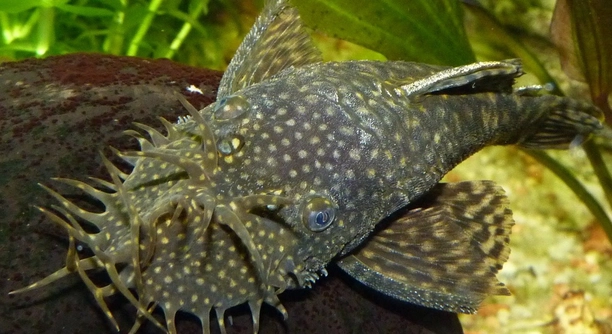
Bristlenose plecos are small freshwater fish that bring life and activity to home aquariums. They are known for their distinctive appearance and peaceful behavior, making them a popular choice among fish enthusiasts and hobbyists alike.
Bristlenose plecos are unique due to their specialized sucker mouths, algae-eating habits, nocturnal activity patterns, compact size, textured skin, bristled facial features, and adaptability to various freshwater environments. These traits distinguish them from other freshwater catfish species.
Learning about these traits can help you care for bristlenose plecos properly and appreciate their role in maintaining a healthy aquarium. Their behaviors and characteristics offer insight into their fascinating underwater world.
Sucker Mouth Adaptation
Bristlenose plecos have a distinctive sucker-shaped mouth that allows them to cling to surfaces and scrape off algae efficiently. This adaptation helps keep their tanks clean while providing a steady source of food. Watching them attach to rocks or glass is fascinating because they can hold on even in strong currents. Their mouths are perfectly designed for grazing, which makes them low-maintenance in terms of feeding. The shape also allows them to hide in crevices while staying attached, offering protection from potential stressors. They can move backward and forward while suctioned to surfaces, showing remarkable control. This physical feature is key to their survival in rivers and streams, where currents can be unpredictable. Their ability to clean algae also benefits other fish by improving water quality. In captivity, this behavior reduces the need for frequent tank cleaning. Many fish owners find it satisfying to watch them methodically graze throughout the day.
The sucker mouth allows bristlenose plecos to efficiently feed on algae while adhering to surfaces, aiding survival and contributing to tank cleanliness in captivity.
This mouth structure also gives them unique movement patterns, which are entertaining to observe and adds character to their behavior.
Nocturnal Activity
Bristlenose plecos are primarily active at night, spending daytime hours hiding among plants and decorations. Their nocturnal habits help them avoid predators and reduce competition for food. Observing them during feeding time in the evening highlights their calm and methodical movements. Even in a well-lit tank, they tend to stay hidden, only becoming visible when the lights dim. This pattern is natural and should be respected to reduce stress, as forcing activity during daylight can be harmful. Providing hiding spots such as caves or driftwood helps them feel secure. Their nocturnal behavior also allows them to coexist peacefully with other fish that are more active during the day. For fish keepers, this means that tank maintenance and feeding schedules can be adjusted to suit their lifestyle. By understanding these rhythms, you can create an environment that mimics their natural habitat. Over time, they may even become comfortable enough to venture out occasionally during the day, but their main activity will always be at night.
Many people find their evening activity calming, as they quietly graze and explore the tank without disturbing other fish.
Their nocturnal behavior affects feeding, tank setup, and interaction patterns. Providing a gentle lighting schedule and secure hiding places encourages natural activity. Watching them navigate through plants or cling to surfaces at night gives a better sense of their intelligence and adaptability. Tank companions that are active during the day often remain unaffected by bristlenose plecos’ movements, making them suitable for mixed species tanks. Creating a habitat that respects their night-focused routine enhances their health and longevity. Additionally, their subtle nighttime cleaning of algae contributes to overall water quality, benefiting the entire tank community. Observing these patterns over weeks can reveal personal quirks, such as preferred hiding spots or favorite grazing surfaces, which adds enjoyment to keeping them. Ultimately, their nocturnal nature is a key aspect of their charm and uniqueness among freshwater fish.
Algae-Eating Habits
Bristlenose plecos eat algae constantly, keeping surfaces clean and preventing overgrowth. They target soft algae on glass, rocks, and decorations, helping maintain a healthier tank environment without extra effort from the owner. Their grazing is steady and precise.
Their diet consists mainly of algae, but they also enjoy vegetables like zucchini, cucumber, and spinach. Feeding supplemental greens ensures they get enough nutrients, especially in tanks with limited algae growth. They use their sucker mouths to scrape surfaces carefully, which prevents damage to plants or decorations. Watching them feed shows their methodical and persistent nature. In addition to controlling algae, their grazing creates micro-movements in the water, which can slightly improve oxygen circulation. Providing a mix of natural algae, pellets, and fresh vegetables keeps them healthy and encourages natural behavior. Many aquarists note that their tank stays cleaner longer when bristlenose plecos are present, reducing maintenance frequency.
Because they constantly graze, they rarely overeat and maintain a steady weight. This feeding habit also promotes strong jaw muscles and overall well-being. Their consistent activity is soothing to observe, and it ensures that algae does not dominate the tank, creating a balanced ecosystem.
Textured Skin
Bristlenose plecos have rough, bony plates covering their bodies, providing protection from predators and rough surfaces. These plates give them a distinct appearance compared to smooth-skinned fish. Their skin also helps them grip surfaces while moving or resting.
The texture of their skin plays a crucial role in defense. Unlike soft-bodied fish, their armored plates make it difficult for predators to bite or injure them. This protection allows them to explore tight spaces and cling to rocks or driftwood without harm. The bony plating also supports their overall structure, giving them stability while navigating currents. It is important to maintain clean water to prevent infections, as damaged skin can be vulnerable. The texture may seem rough, but it is entirely natural and part of their evolutionary adaptation. In captivity, the plates reduce injuries when they interact with tank decorations or other fish. Observing their movements across surfaces highlights how their skin works in tandem with their mouth and fins, creating a coordinated and efficient system for feeding and protection.
Their armored bodies also contribute to their longevity and resilience. Proper care ensures the plates remain healthy, enhancing both protection and aesthetic appeal. The combination of textured skin, sucker mouths, and grazing habits makes bristlenose plecos effective and unique members of a freshwater aquarium.
Bristled Facial Features
Bristlenose plecos have small, bristle-like appendages on their faces, especially prominent in males. These bristles serve as sensory tools and give them a unique, recognizable appearance among other catfish. Observing them up close highlights this distinctive feature.
The bristles also play a role in mating displays. Males with more prominent bristles tend to attract females, signaling health and maturity. They may use them to explore crevices or sense food particles on surfaces. While subtle, these features are part of what makes their behavior and appearance interesting to watch in a home aquarium.
Compact Size
Bristlenose plecos remain relatively small, typically growing up to 4–6 inches. Their compact size allows them to fit into smaller tanks without overwhelming space, making them suitable for many setups.
Their small size does not reduce their impact on algae control. Even at 4–6 inches, they can graze consistently and maintain tank surfaces. Compact size also allows them to find and use hiding spots efficiently. This combination of small body and active behavior makes them adaptable to various aquarium environments.
What do bristlenose plecos eat?
Bristlenose plecos primarily feed on algae. They scrape it from glass, rocks, and decorations using their sucker mouths. While algae is their main diet, they also enjoy fresh vegetables such as zucchini, cucumber, and spinach. Pellets or wafers formulated for algae-eating fish can supplement their nutrition. Feeding a mix of these options ensures they get enough nutrients, especially in tanks with limited algae growth. Their constant grazing helps maintain clean surfaces and supports jaw strength. Overfeeding should be avoided, as they naturally graze throughout the day, rarely overeating, which helps maintain a healthy weight.
How often should I feed bristlenose plecos?
Bristlenose plecos benefit from daily feeding, although the amount can vary depending on the tank’s natural algae. In heavily planted tanks with abundant algae, they may require only small supplemental meals. Fresh vegetables can be provided two to three times per week. Observing their grazing behavior helps gauge how much additional food is necessary. Removing uneaten food prevents water quality issues. Their nocturnal nature means they are more active and feed in the evening, so offering food at this time can encourage natural behavior. Providing a consistent feeding routine supports health and reduces stress in the aquarium.
Do bristlenose plecos need hiding places?
Yes, hiding places are essential. Bristlenose plecos are naturally shy and spend much of the day resting in caves, behind driftwood, or among plants. Hiding spots reduce stress and mimic their natural habitat. Providing multiple shelters allows them to choose preferred areas, especially when other fish are present. Driftwood is particularly beneficial, as it also aids digestion when they graze. Proper tank setup with secure hiding areas ensures they feel safe, encouraging normal feeding and activity. Lack of shelters can lead to anxiety, reduced grazing, or increased aggression, making these spots important for their overall well-being.
Can bristlenose plecos live with other fish?
Bristlenose plecos are generally peaceful and can coexist with a wide range of community fish. Their small size and calm demeanor reduce territorial disputes. However, compatibility depends on tank mates’ temperament. Aggressive or large fish may stress or harm them. Avoid overcrowding, as compact size allows them to hide, but too many fish in the tank can limit available space. Providing plants, rocks, and driftwood improves compatibility by offering separate zones. Regular observation ensures all species coexist without stress. With the right companions, bristlenose plecos contribute to a balanced ecosystem while maintaining their unique behaviors.
How big do bristlenose plecos get?
Bristlenose plecos typically grow to 4–6 inches in length. Their compact size makes them suitable for medium-sized aquariums. While small, they are active grazers and require space to explore and find food. Growth can be influenced by diet, tank size, and water quality. Maintaining proper conditions ensures they reach their full potential. Overcrowding or poor water conditions can stunt growth, while providing ample hiding spots, clean water, and a varied diet promotes healthy development. Despite their modest size, their consistent activity and algae-eating habits make them a valuable addition to many tanks.
Do bristlenose plecos breed in captivity?
Yes, bristlenose plecos can breed in home aquariums if conditions are right. They prefer slightly acidic to neutral water, stable temperatures, and available hiding spots like caves or driftwood. Males prepare and guard nesting sites, and females lay eggs inside the shelter. The male typically tends to the eggs, fanning them to provide oxygen and keeping them clean. Fry emerge after about a week, feeding on biofilm and algae initially. Successful breeding requires patience and attention to water quality. Observing the process can be fascinating, as it highlights the species’ natural behaviors and parental instincts.
What water conditions do bristlenose plecos need?
Bristlenose plecos thrive in freshwater with temperatures between 73–81°F (23–27°C) and pH levels around 6.5–7.5. Moderate hardness is preferred. Consistent water quality is essential, as sudden changes can stress them. Regular water changes, proper filtration, and monitoring parameters help maintain a healthy environment. They are tolerant of various conditions but perform best in stable, well-maintained tanks. Adding driftwood and hiding spots supports natural behavior, while clean surfaces reduce the risk of disease. Attention to water conditions ensures long-term health, growth, and activity, allowing them to display unique traits such as grazing, nocturnal habits, and bristle development.
Do bristlenose plecos need special care?
Bristlenose plecos are relatively low-maintenance, but they do require attention to diet, hiding spots, and water quality. Feeding a balanced diet, providing caves or driftwood, and maintaining clean water are essential. Observing their behavior helps detect health issues early. While hardy, neglecting these factors can lead to stress, poor growth, or disease. Proper care ensures they remain active, maintain healthy bristles, and continue their natural grazing behavior. Their small size and peaceful nature make them suitable for many tanks, but even simple fish require consistency in care routines to thrive and display their unique traits effectively.
Bristlenose plecos are a fascinating addition to any freshwater aquarium. Their unique combination of traits, including sucker mouths, bristled faces, and textured skin, makes them stand out from other fish. These features not only serve practical purposes in the wild but also offer visual interest and engaging behavior for those who keep them at home. Their algae-eating habits make them helpful in maintaining cleaner tanks, and their compact size allows them to fit comfortably in medium-sized aquariums without dominating the space. Observing them graze or cling to surfaces can be relaxing, as they move with purpose and precision. Their nocturnal activity adds a different layer to aquarium life, providing subtle movement and curiosity during evening hours. Overall, their physical characteristics and behaviors make them both functional and interesting companions in a tank environment.
Caring for bristlenose plecos is straightforward if their basic needs are met. They thrive in stable water conditions, with moderate temperatures, neutral to slightly acidic pH levels, and clean water. Providing hiding spots, such as caves or driftwood, supports their natural behavior and reduces stress. Their diet is simple, consisting mostly of algae supplemented with vegetables and algae-based wafers or pellets. Because they graze consistently, overfeeding is rarely an issue, but monitoring food intake is important to avoid water quality problems. Understanding their nocturnal tendencies helps in timing feedings and creating a comfortable tank environment. While they are hardy fish, consistent care ensures they remain healthy, active, and display their unique traits fully. Paying attention to these details helps them live longer and exhibit behaviors that make them enjoyable to watch.
Bristlenose plecos also offer opportunities for learning and observation. Watching their interactions with their surroundings and other fish provides insight into their habits, preferences, and even subtle personality differences. Breeding in captivity is possible for those interested in observing their reproductive behavior, and it highlights their protective instincts and careful care of eggs. Their presence contributes to tank cleanliness and stability, which benefits all tank inhabitants. These fish are adaptable and resilient, yet they respond positively to an environment that meets their needs. By providing appropriate care, tank setup, and diet, you can enjoy their unique behaviors, appearance, and usefulness in maintaining a balanced aquarium. Over time, bristlenose plecos become an integral part of the tank, adding both function and character to the aquatic setting. Watching them grow, explore, and interact is rewarding, making them a valuable addition to any freshwater aquarium setup.

Hello,
If you enjoy the content that we create, please consider saying a "Thank You!" by leaving a tip.
Every little bit helps us continue crafting quality advice that supports the health, happiness, and well-being of pets around the world, for pets of all shapes, sizes, and species.
We really appreciate the kindness and support that you show us!