
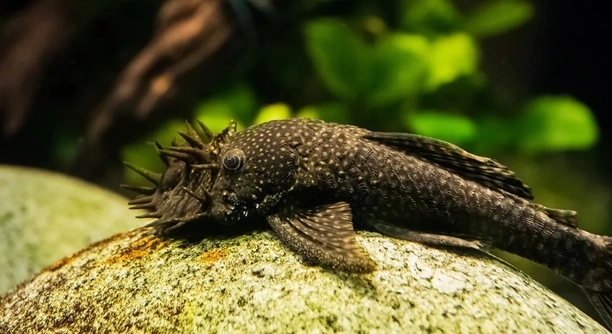
Have you ever noticed your pleco’s bristles growing unevenly or looking dull compared to healthy specimens? Many fish owners may not realize that a variety of environmental and dietary factors can influence bristle development over time.
Pleco bristle growth is primarily affected by diet, water quality, lighting, tank size, genetics, age, and stress levels. Each factor contributes to either promoting healthy bristle development or causing stunted, weak, or irregular growth in the fish.
Understanding these factors will help you provide better care and create the ideal environment for your pleco’s bristles to thrive naturally and consistently.
Diet and Nutrition
The diet of a pleco plays a major role in the growth and appearance of its bristles. A protein-rich diet with fresh vegetables and algae encourages healthy development. Feeding pellets alone may not provide all the nutrients needed, and some bristle issues can stem from missing vitamins. Including blanched zucchini, cucumber, and leafy greens gives fiber and nutrients, while occasional protein sources like shrimp pellets or bloodworms support overall health. Overfeeding can also cause water quality problems, indirectly affecting bristle growth, so it’s important to measure portions carefully. Observing how your pleco interacts with different foods helps identify preferences and any nutritional gaps.
Providing a balanced diet that combines fresh vegetables, algae, and protein sources is essential for strong, vibrant pleco bristles. Inadequate or inconsistent feeding directly impacts their growth and overall appearance.
Paying attention to your pleco’s food choices and intake patterns will help maintain healthy bristle growth and avoid future nutritional deficiencies.
Water Quality
Maintaining clean water is vital for your pleco’s health and bristle development. Regular water changes and proper filtration prevent toxins from building up, keeping the fish in a safe environment.
Dirty or unstable water conditions can stress plecos and weaken bristle growth. Ammonia, nitrite, and nitrate levels should be tested weekly, while temperature and pH need to remain consistent. Sudden changes can slow bristle formation or cause loss. Using a reliable filtration system helps remove waste, while partial water changes dilute pollutants and replenish minerals. Adding live plants can improve water quality naturally and provide hiding spots, reducing stress. Plecos are sensitive to their surroundings, and consistent monitoring creates the stability necessary for healthy bristle growth. Avoid overcrowding and overfeeding, as these practices increase waste levels and affect water chemistry. Careful attention to water parameters can prevent problems before they start, giving your pleco the ideal conditions for natural, strong bristle development over time.
Lighting Conditions
Proper lighting affects pleco bristle growth by influencing activity and stress levels. Too much bright light can make plecos hide and slow bristle development, while too little can reduce natural behaviors that stimulate growth. A balanced light cycle is essential for their well-being.
Maintaining consistent lighting for about 10–12 hours a day supports regular feeding and activity patterns, which indirectly helps bristle growth. Using dim or adjustable lighting mimics natural environments and reduces stress, encouraging plecos to explore and graze on algae. Avoid direct sunlight, as it can cause temperature spikes and promote unwanted algae growth. Observing your pleco’s behavior under different lighting helps find the right balance for optimal growth.
Using timers for your aquarium light ensures a steady schedule. Overly long exposure or sudden light changes can disturb sleep and stress your pleco, weakening bristle formation. Adjusting intensity and duration according to tank conditions keeps them active, healthy, and supports consistent bristle development.
Tank Size and Environment
A properly sized tank provides space for plecos to swim and graze, which is necessary for healthy bristles. Crowded tanks limit movement and increase stress, slowing growth. Decorations and hiding spots also play a role.
Providing ample space encourages natural behaviors, including grazing and exploration, which stimulate bristle growth. A tank with at least 30 gallons for smaller species, and larger for adult plecos, ensures they have enough room. Including driftwood and caves gives them hiding places, reducing stress and improving overall health. Plecos often rub against surfaces to keep bristles clean, so smooth, natural decorations support this behavior without causing damage. Maintaining an uncluttered layout allows for swimming, grazing, and territorial behavior, all contributing to stronger bristle development over time.
Consistent maintenance of the tank, combined with thoughtful layout, ensures plecos remain comfortable and active. Environmental enrichment helps mimic natural conditions, reducing stress-induced bristle loss. Careful planning of space, hiding areas, and substrate type allows your pleco to thrive physically and maintain healthy bristles while staying engaged in its habitat.
Genetics
Genetics determine the natural size, shape, and density of pleco bristles. Some species naturally develop longer, fuller bristles, while others grow shorter, thinner ones. Understanding your pleco’s breed sets realistic expectations for bristle growth.
Even within the same species, individual genetics influence growth patterns. A healthy environment may enhance bristle appearance, but genetics set the baseline for what is possible.
Age
Bristle growth changes as plecos age. Young plecos develop bristles slowly, and full development may not occur until they reach maturity. Older plecos may show slower growth or thinning due to natural aging processes.
Stress Levels
Stress directly affects bristle development. Frequent disturbances, aggressive tankmates, or inconsistent conditions can cause plecos to lose or stunt bristle growth. Maintaining a calm, stable environment helps them grow strong and healthy bristles naturally.
How often should I feed my pleco to support bristle growth?
Feeding frequency matters for pleco bristle health. Most plecos benefit from feeding once daily, with a combination of fresh vegetables, algae, and occasional protein treats. Overfeeding can lead to poor water quality, which negatively impacts bristle development, while underfeeding can slow growth. Observing how your pleco eats helps adjust portions. Providing small, balanced meals encourages regular grazing behaviors, which are natural and promote healthy bristle growth. Rotating vegetables like zucchini, cucumber, and spinach ensures a range of nutrients, while protein sources like shrimp pellets support overall health. Consistency is key to maintain both nutrition and water stability.
What water parameters are best for pleco bristle growth?
Stable water conditions are critical. Ideal water temperature usually ranges from 74–80°F, with a pH around 6.5–7.5 depending on species. Ammonia and nitrite should always be at 0 ppm, and nitrate kept below 20 ppm. Regular testing helps catch fluctuations early. Sudden changes in temperature or chemistry stress plecos and can stunt bristle development. Using a reliable filter, performing weekly partial water changes, and avoiding overcrowding maintain healthy water quality. Minerals naturally present in water also aid bristle formation, so ensuring a balanced environment supports both growth and overall vitality.
Can bristle growth be improved with supplements?
Yes, certain supplements can help, but they should not replace a proper diet. Vitamins, especially those containing biotin and vitamin C, support tissue development and bristle health. Adding algae wafers or fortified pellets provides additional nutrients that sometimes are missing from vegetables alone. Avoid over-supplementing, as excessive vitamins can cause water contamination or health problems. Observing your pleco’s bristle appearance over time helps determine whether supplements are effective. Combining a balanced diet, clean water, and occasional nutritional boosts is the best approach for encouraging healthy, natural bristle growth.
Will bristles grow back if they are damaged or lost?
Bristles can regrow if the underlying causes of damage are corrected. Stress, poor diet, or rough tankmates often lead to bristle loss. Once conditions improve, new growth usually begins slowly, and full restoration may take weeks to months depending on the pleco’s age and health. Regular monitoring and a stable environment increase the chances of complete regrowth. Providing gentle surfaces, hiding spots, and avoiding aggressive fish reduces repeated damage. Maintaining high water quality and proper nutrition ensures the pleco has the resources needed for healthy, strong bristle regeneration. Patience and consistent care are essential during this process.
How does tank environment affect bristle growth?
Tank layout influences both stress and natural behavior, which are critical for bristle development. Adequate space allows plecos to swim and graze, while caves and driftwood offer hiding places that reduce stress. Overcrowding or cluttered tanks limit movement and encourage aggression, which can stunt bristle growth or cause damage. Smooth surfaces prevent injuries when plecos rub against objects, supporting natural bristle maintenance. Substrate choice also matters; soft sand or fine gravel reduces abrasion. Combining proper tank size, hiding spots, and gentle décor encourages healthy behaviors and creates the stable environment plecos need to grow strong, vibrant bristles over time.
Do different species have different bristle growth patterns?
Yes, genetics and species characteristics affect bristle size, density, and growth rate. Male plecos generally develop longer, more prominent bristles, especially on the snout, while females may have smaller or fewer bristles. Some species naturally grow thick, bushy bristles, while others are shorter and finer. Understanding your pleco’s species helps set realistic expectations and tailor care to its specific needs. Diet, water quality, and stress management still play roles, but genetics determine the baseline of what is achievable. Recognizing these natural differences ensures care strategies support the pleco’s unique growth patterns without unnecessary concern.
Can bristle growth indicate overall health?
Bristle condition often reflects general health. Healthy, vibrant bristles usually indicate good nutrition, proper water conditions, and low stress. Dull, sparse, or broken bristles can signal dietary deficiencies, water quality issues, or stress from tankmates. Regular observation of bristle appearance provides early clues about potential health problems. Addressing environmental or nutritional issues promptly can restore bristle growth and improve overall vitality. While bristles are not the only health indicator, they are a visible and useful measure to track your pleco’s well-being. Maintaining proper care ensures that bristles grow strong and consistent.
What are the common mistakes that affect bristle growth?
Common mistakes include overfeeding, underfeeding, inconsistent water changes, and poor tank layout. Neglecting regular water testing or ignoring aggressive tankmates also contributes to stunted or damaged bristles. Using inappropriate decorations or rough surfaces can physically harm bristles. Correcting these errors by providing balanced nutrition, clean water, proper hiding spots, and compatible tankmates improves bristle development. Observing daily behavior and appearance allows you to catch problems early and make adjustments before permanent damage occurs. A well-planned, stable environment combined with proper feeding practices supports healthy, consistent bristle growth over the long term.
How long does it take for pleco bristles to fully develop?
Bristle development varies by species, age, and care conditions. Young plecos often show slow initial growth, with full bristle formation occurring after several months to a year. Proper diet, stable water conditions, and a low-stress environment accelerate growth. Patience is important, as some species naturally take longer to develop pronounced bristles. Adult males generally reach peak bristle length and density earlier than females. Monitoring progress regularly helps identify issues and adjust care as needed. Consistent attention to environmental factors ensures the pleco has the optimal conditions for steady, healthy bristle growth.
Can stress from other fish impact bristle growth?
Yes, aggressive or territorial tankmates create stress that directly affects bristle health. Stressed plecos may hide excessively, stop grazing, or lose bristles. Providing sufficient space, hiding spots, and compatible companions reduces stress and supports healthy growth. Avoid overcrowding and monitor interactions to prevent repeated damage. Stress management is a key factor in maintaining strong, consistent bristles. Creating a calm environment allows plecos to engage in natural behaviors like grazing and rubbing against surfaces without fear, which helps preserve bristle condition. Combining proper tankmates with consistent care maximizes the chances of healthy bristle development.
This FAQ section covers the essential questions about pleco bristle growth, providing guidance for proper nutrition, water care, stress reduction, and environmental setup. Following these practices ensures your pleco can grow healthy, vibrant bristles naturally over time.
Word count: 524
Taking care of pleco bristles requires attention to several small but important factors. Diet plays a major role, as balanced nutrition provides the vitamins and protein needed for strong, healthy bristles. Vegetables like zucchini, cucumber, and leafy greens give fiber and essential nutrients, while occasional protein sources like shrimp pellets or bloodworms support overall growth. Overfeeding or underfeeding can create problems, so portion control is important. Watching how your pleco eats and adjusting its diet gradually ensures that it receives consistent nutrition without affecting water quality. Even simple habits, like rotating fresh vegetables and using fortified pellets, can make a noticeable difference in bristle appearance over time.
Water quality and tank conditions are just as critical as diet. Regular water testing, filtration, and partial water changes help maintain stable conditions that support bristle growth. Ammonia and nitrite should always be kept at zero, with nitrate levels staying low, while temperature and pH remain consistent. Plecos are sensitive to sudden changes in their environment, so keeping their surroundings stable reduces stress and encourages healthy behaviors like grazing and swimming. Tank size, layout, and décor also matter, giving plecos space to move, hide, and interact naturally. Driftwood, caves, and smooth surfaces provide resting spots and grazing surfaces without damaging bristles. A calm, uncluttered environment prevents stress-induced bristle loss and promotes consistent development over time.
Finally, genetics, age, and stress levels all influence bristle growth in ways that cannot be entirely controlled. Some species naturally have longer or denser bristles, and males often grow larger bristles than females. Young plecos develop bristles slowly, while older fish may experience slower growth or thinning. Stress from aggressive tankmates, overcrowding, or sudden environmental changes can also stunt growth or cause damage. Observing your pleco’s behavior and bristle condition regularly helps identify problems early, so adjustments can be made promptly. Combining consistent care, proper nutrition, clean water, and a low-stress environment ensures the best chance for strong, healthy bristles. Paying attention to these details may feel like a lot, but over time it becomes routine, and the results are visible in the pleco’s overall health and the natural beauty of its bristles.
Word count: 407

Hello,
If you enjoy the content that we create, please consider saying a "Thank You!" by leaving a tip.
Every little bit helps us continue crafting quality advice that supports the health, happiness, and well-being of pets around the world, for pets of all shapes, sizes, and species.
We really appreciate the kindness and support that you show us!