
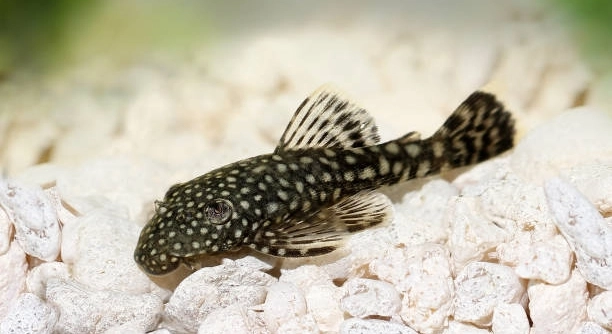
Do you ever find yourself arranging your aquarium and thinking about the best companions for your Bristlenose Pleco? Choosing tankmates can affect their health and overall behavior in surprising ways. Proper pairing ensures a peaceful, thriving environment.
Bristlenose Plecos can generally be kept with loaches if the tank provides sufficient space, hiding spots, and compatible water conditions. Monitoring territorial behavior and feeding habits is essential to maintain harmony between these species in a shared aquarium.
Understanding these factors will help you create a stable, peaceful tank environment. Proper planning and observation ensure both Bristlenose Plecos and loaches thrive together.
Understanding Bristlenose Pleco Behavior
Bristlenose Plecos are generally peaceful fish, but they can be territorial, especially with other bottom dwellers. They spend most of their time grazing on algae, driftwood, and other surfaces in the tank. These fish prefer having hiding spots, such as caves, plants, or decorations, where they can retreat when feeling stressed. Observing their behavior is crucial, as signs of aggression or overcompetition for space can affect their health. They are nocturnal, meaning they are more active at night and often prefer dimly lit environments. Feeding schedules should align with their natural activity to reduce stress and promote healthy growth. Proper water parameters are essential, including slightly acidic to neutral pH and stable temperature ranges. By understanding these traits, it becomes easier to select compatible tankmates and ensure a harmonious environment. Regular observation and minor adjustments can prevent conflicts before they escalate, making care more manageable.
Providing adequate space and hiding areas reduces territorial conflicts and encourages natural behaviors.
Compatibility with other species depends on overlapping activity periods, non-aggressive temperaments, and environmental needs. Observing interactions helps prevent stress.
Loaches and Their Compatibility
Loaches are bottom-dwelling fish that enjoy group living and require hiding spots, such as rocks, plants, or tunnels. They are more active during the evening, which complements the Bristlenose Pleco’s nocturnal activity. Loaches can be shy initially, but they adapt well in a stable environment with minimal disturbances. Providing sufficient space is important, as cramped conditions can trigger competition for food or territory. Loaches are generally peaceful but may become boisterous if their tank is overcrowded or lacks structure. They appreciate smooth surfaces and fine substrate to prevent damage to their sensitive barbels. Feeding routines should account for both species’ needs, ensuring enough food reaches all tank inhabitants. Maintaining clean water with regular filtration prevents stress-related illnesses, which is vital when keeping multiple species together. With careful planning and monitoring, loaches and Bristlenose Plecos can coexist, creating a balanced and visually engaging aquarium.
Choosing compatible tankmates requires attention to size, activity level, and environmental needs to maintain harmony.
A well-planned aquarium setup, including ample hiding spots, sufficient space, and compatible water conditions, is essential for cohabitation. Observing interactions between Bristlenose Plecos and loaches ensures stress-free coexistence, while feeding routines and activity patterns must accommodate both species. Regular tank maintenance and monitoring prevent aggression and support healthy growth, creating a thriving community tank for both species.
Tank Setup for Plecos and Loaches
Adequate space is crucial for both species. Providing caves, driftwood, and plants reduces stress and prevents territorial disputes. Substrate should be soft to protect loaches’ barbels, and water flow should be moderate to mimic natural conditions.
A tank of at least 30 gallons is recommended when keeping Bristlenose Plecos with loaches. Decorations like driftwood and rocks give Plecos places to graze and hide. Loaches benefit from tunnels and smooth surfaces to explore without injury. Water parameters should remain stable, with neutral to slightly acidic pH and temperatures between 74–80°F. Lighting should be subdued, reflecting their nocturnal habits. Filtration must accommodate both species’ bioloads to maintain water quality. Grouping loaches in small clusters of three to five helps reduce stress and encourages natural social behavior. Proper tank layout ensures both species can coexist without constant competition for space or food, promoting a calm environment.
Feeding routines should account for both species’ preferences. Algae wafers, vegetables, and occasional protein supplements support Plecos, while loaches enjoy sinking pellets, live, or frozen foods. Feed in multiple locations to ensure all fish get access, and remove uneaten food to prevent water contamination. Observing eating behavior helps identify stress or illness early.
Monitoring Behavior and Health
Regular observation is key to preventing issues. Look for aggression, hiding patterns, or changes in appetite. Stress signs should be addressed immediately.
Both Bristlenose Plecos and loaches may display subtle stress indicators such as fading color, frayed fins, or increased hiding. Aggressive behavior is rare but can occur if territories overlap or food is insufficient. Monitoring tank interactions daily allows for adjustments in decoration placement or feeding routines. Health checks should include inspecting barbels, gills, and skin for parasites or fungal infections. Water testing ensures parameters remain consistent, preventing conditions that can trigger disease. Understanding each species’ behavior helps anticipate problems before they escalate, making tank management easier.
Maintaining tank hygiene is essential. Regular water changes, substrate cleaning, and filter maintenance prevent toxin buildup. Quarantining new fish reduces disease risk, and careful observation ensures both species stay healthy. Adjusting tank layout or feeding practices based on behavior promotes long-term compatibility and well-being.
Feeding Tips for Plecos and Loaches
Provide sinking foods for both species to ensure everyone can eat. Supplement with fresh vegetables like zucchini or cucumber for Plecos.
Loaches enjoy small protein-rich treats like bloodworms or brine shrimp. Feed in multiple spots to prevent competition and reduce stress in the tank.
Water Parameters and Maintenance
Maintain a stable pH between 6.5 and 7.5 with temperatures around 74–80°F. Filtration should handle the combined waste of both species to keep water clean. Weekly water changes of 20–30% help prevent buildup of harmful toxins. Consistent monitoring of ammonia, nitrite, and nitrate levels ensures a safe environment. Plecos produce moderate waste, while loaches can stir up debris from the substrate. A gentle current supports both species’ natural activity without stressing them. Proper maintenance prevents disease, promotes growth, and supports healthy behavior in a shared tank. Attention to water conditions is key for long-term compatibility.
Choosing the Right Tankmates
Avoid aggressive or overly large species. Stick to peaceful community fish that occupy different areas of the tank.
FAQ
Can Bristlenose Plecos and loaches be kept together in a small tank?
Keeping both species in a small tank is not recommended. Bristlenose Plecos and loaches need adequate space to establish territories and avoid stress. A tank under 30 gallons can cause competition for hiding spots and food, leading to aggression or illness. Proper spacing allows each fish to display natural behaviors while reducing conflicts.
Do Bristlenose Plecos and loaches fight over food?
Competition can occur if feeding is limited or food is placed in one area. Sinking foods, algae wafers, and vegetables should be provided in multiple spots. This ensures both Plecos and loaches have access to nutrition without stress or aggression. Observing feeding habits helps prevent one species from dominating the food supply.
How many loaches can be kept with one Bristlenose Pleco?
Loaches are social fish and do best in small groups of three to five. A single Pleco can coexist with this group if the tank is large enough and contains sufficient hiding spots. Overcrowding increases stress and the risk of territorial disputes. Grouping loaches helps them display natural behaviors and reduces overall tension.
What type of hiding spots should be provided?
Bristlenose Plecos benefit from caves, driftwood, and dense plant areas where they can retreat. Loaches enjoy tunnels, smooth rocks, and hiding spaces near the substrate. Providing multiple hiding spots prevents overlap of territories and reduces aggressive encounters. Changing decor periodically can also help maintain a balanced environment.
Are Plecos and loaches compatible in terms of water temperature and pH?
Yes, both species prefer similar water conditions. Maintaining a temperature range of 74–80°F and a slightly acidic to neutral pH between 6.5 and 7.5 supports their health. Regular monitoring of water parameters is essential to prevent stress and promote long-term coexistence. Stability is more important than exact numbers.
How often should I clean the tank when keeping both species?
Weekly water changes of 20–30% are recommended. Plecos produce moderate waste, and loaches can stir up debris from the substrate. Regular cleaning of filters and substrate prevents ammonia and nitrite buildup, which can harm both species. Keeping water quality high supports healthy behavior and reduces disease risk.
Can Plecos and loaches be aggressive toward each other?
Aggression is rare but can occur if space is limited or hiding spots are insufficient. Plecos are territorial around caves, while loaches may compete for substrate areas. Proper tank size, multiple hiding spots, and careful observation reduce the risk of conflicts. Intervening early when aggression appears helps maintain harmony.
What is the best diet for both species together?
Bristlenose Plecos thrive on algae wafers, blanched vegetables, and occasional protein supplements. Loaches prefer sinking pellets, live, or frozen protein foods. Feeding in multiple areas ensures both species receive adequate nutrition. Observing eating habits can identify stress or health problems early. Rotating foods maintains variety and supports overall health.
Do Plecos and loaches need different lighting conditions?
Both species prefer subdued lighting. Plecos are nocturnal and may hide during bright periods, while loaches are more active in low light. Providing shaded areas, floating plants, or dimmable lighting allows both species to follow natural activity patterns, reducing stress and encouraging normal behavior.
How can I tell if either species is stressed?
Signs of stress include hiding excessively, fading color, frayed fins, or loss of appetite. Loaches may also scratch against surfaces if irritated. Plecos may remain inactive outside their usual hiding spots. Regular observation and maintaining stable water conditions help prevent and address stress before it impacts health.
Can adding new fish disrupt Pleco and loach compatibility?
Introducing new fish can temporarily disrupt the balance. Quarantining new arrivals and gradually introducing them prevents disease and reduces territorial disputes. Observing interactions closely allows you to adjust hiding spots or feeding routines if tensions arise, ensuring long-term harmony between Plecos, loaches, and other tankmates.
Are Bristlenose Plecos and loaches good for community tanks?
Yes, they are compatible with other peaceful, non-aggressive species that occupy different tank levels. Avoid large or aggressive fish that may harass either species. Both Plecos and loaches contribute to tank cleanliness and diversity while maintaining generally calm behavior, making them suitable additions to well-planned community aquariums.
Do Bristlenose Plecos and loaches require special care together?
No specialized care beyond standard tank maintenance is necessary, but attention to hiding spots, feeding routines, and water parameters is essential. Observing their interactions and adjusting the environment as needed ensures both species thrive. Proper care supports their natural behaviors and long-term health in a shared aquarium.
This FAQ section provides detailed guidance for keeping Bristlenose Plecos and loaches together, addressing common concerns and promoting a peaceful, healthy tank environment.
Keeping Bristlenose Plecos and loaches together can work well if the tank is set up properly and both species’ needs are met. Space is one of the most important factors. A tank that is too small can lead to competition for hiding spots and food, which increases stress and can cause aggression. Providing enough room for each fish to establish its territory ensures they can coexist peacefully. Multiple hiding spots, such as caves, tunnels, and plants, give each species a safe place to retreat. Driftwood is especially important for Plecos, as they graze on it and use it as shelter. Loaches benefit from smooth surfaces and fine substrates that allow them to explore without injury. Arranging these elements thoughtfully makes the tank more comfortable for everyone.
Feeding routines also play a crucial role in maintaining harmony. Both species have different dietary preferences, so providing a variety of foods ensures they all get proper nutrition. Plecos thrive on algae wafers, blanched vegetables like zucchini or cucumber, and occasional protein supplements. Loaches prefer sinking pellets, live or frozen protein foods, and sometimes small treats like bloodworms. Placing food in multiple locations prevents competition and allows all fish to eat without stress. Observing how they eat helps identify any issues early. It also makes it easier to spot if a fish is not eating properly or showing signs of illness. Maintaining a consistent feeding schedule supports their health and reduces conflicts over resources.
Water quality and regular maintenance are essential for both species to thrive together. Bristlenose Plecos produce moderate waste, while loaches can stir up debris from the substrate. Weekly water changes of 20–30%, cleaning the filter, and checking water parameters like pH, ammonia, nitrite, and nitrate levels help keep the environment stable and safe. Both species prefer temperatures around 74–80°F and a slightly acidic to neutral pH. Stable water conditions prevent stress, which in turn reduces the likelihood of aggression or illness. Observing fish behavior daily is important for catching any problems early. By providing adequate space, hiding spots, proper feeding, and stable water conditions, Bristlenose Plecos and loaches can live together peacefully, creating a balanced and healthy community tank.

Hello,
If you enjoy the content that we create, please consider saying a "Thank You!" by leaving a tip.
Every little bit helps us continue crafting quality advice that supports the health, happiness, and well-being of pets around the world, for pets of all shapes, sizes, and species.
We really appreciate the kindness and support that you show us!