
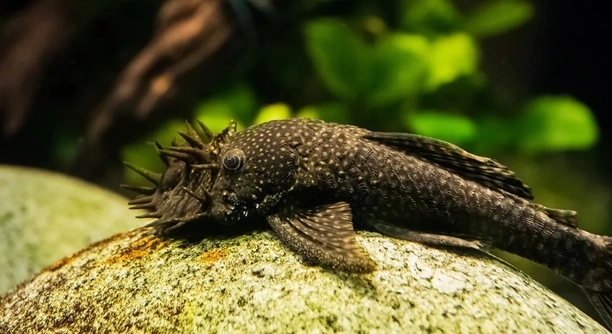
Have you ever noticed your pleco spending most of its time hiding in dark corners or behind aquarium decorations instead of swimming freely?
Plecos naturally avoid light because they are nocturnal fish. Their bodies are adapted for low-light environments, where they can safely feed and rest. Bright lighting can cause stress and discomfort, leading them to seek shelter during daytime hours.
Understanding your pleco’s natural behavior can help you create a comfortable and healthy environment that suits its nocturnal lifestyle.
Understanding Why Plecos Avoid Light
Plecos are nocturnal by nature, meaning they are most active during the night and prefer dim or shaded areas during the day. In the wild, they inhabit murky rivers, hiding under rocks or driftwood to stay away from predators and harsh sunlight. Their eyes are sensitive to bright light, which is why aquarium lighting can make them uncomfortable. This behavior is completely normal and should not be mistaken for illness or stress. If your pleco is hiding most of the time, it’s likely just following its natural instincts rather than showing signs of a problem.
To keep your pleco happy, it’s important to mimic its natural environment as much as possible.
Providing shaded spaces and hiding spots will make your pleco feel safe and comfortable while still allowing it to come out during feeding times or when lights are dimmed.
Creating a calm setup helps encourage normal behavior.
Creating the Right Environment
Your aquarium setup plays a big role in your pleco’s comfort and overall health.
Plecos thrive in tanks that resemble their natural habitats—dark, calm, and full of hiding spaces. You can use driftwood, caves, or plants to create shaded areas where your pleco can rest during the day. Avoid bright or harsh lighting; instead, use dim or adjustable lights that simulate a day-night cycle. Proper lighting helps your pleco maintain a healthy rhythm, staying hidden by day and active by night. Maintaining good water quality is equally important, as poor conditions can cause your pleco to become more withdrawn. Regular water changes, stable temperature, and a balanced diet will support its well-being. When your pleco feels secure in its environment, it becomes more confident and may even explore more when the lights are low, showing its calm and natural behavior.
Light Sensitivity and Stress
Plecos are highly sensitive to light, and exposure to bright or constant lighting can make them feel threatened. This sensitivity is part of their natural defense mechanism, helping them avoid predators and remain safe in shaded environments.
When the light in your aquarium is too strong, your pleco may react by hiding constantly or becoming less active. Prolonged exposure to bright light can increase stress, affecting both behavior and appetite. To reduce this, consider adjusting your lighting schedule to create darker periods during the day. Adding floating plants or decorations can also help block direct light and provide a comfortable atmosphere for your pleco.
A calm and shaded tank allows your pleco to rest properly and display its natural behaviors without fear. Watching it explore in low light can also give you a glimpse into its gentle and fascinating nighttime habits.
Signs Your Pleco Is Uncomfortable
When a pleco feels uneasy, its behavior changes noticeably. It may hide more often, refuse to eat, or appear sluggish. These signs are usually linked to lighting, water quality, or lack of proper hiding spots in the tank.
If your pleco’s hiding behavior becomes excessive, it’s important to check the tank’s conditions. Bright light, unstable temperature, or sudden changes in lighting patterns can cause stress. Make sure your pleco has enough shaded areas and the lighting isn’t on for more than eight to ten hours daily. A gradual dimming effect when turning lights on or off can also reduce stress. Paying attention to these small details ensures your pleco feels secure, leading to healthier behavior and a more active fish during its preferred nighttime hours.
Adjusting Tank Lighting
If your pleco hides often, lowering the tank’s brightness can make a big difference. Use dim lights or choose bulbs made for nocturnal species. Creating a soft glow instead of harsh lighting helps your pleco feel safe and relaxed.
You can also use a timer to control lighting hours, ensuring a steady day-night routine. Gradually dimming lights before turning them off prevents sudden changes that may startle your pleco. Consistent, gentle lighting keeps stress low and encourages natural nighttime activity.
Importance of Hiding Spots
Hiding spaces are essential for a pleco’s comfort and well-being. Driftwood, rocks, and aquarium caves give them security and a place to rest. Adding plants, both real or artificial, can create shaded areas that mimic their natural environment, reducing stress and supporting healthy behavior.
Monitoring Behavior Changes
Keeping an eye on how your pleco behaves helps you understand its comfort level. If it begins hiding more or eating less, something in the tank might need adjusting. Observing these changes allows you to act quickly and maintain a healthy balance in its environment.
FAQ
Why does my pleco hide all the time?
Plecos are naturally shy and nocturnal. They prefer darker spaces because it feels safe and closer to their natural environment. In the wild, they spend most of the day hiding under rocks or driftwood to avoid predators. If your pleco hides all day, it’s most likely acting normally. However, excessive hiding could also indicate stress caused by bright lights, poor water quality, or loud disturbances near the tank. Providing shaded areas, stable water conditions, and a calm environment usually helps your pleco feel secure enough to come out more often at night.
Is it bad if my pleco avoids light completely?
No, it’s not bad. Plecos are sensitive to bright lighting due to their nocturnal instincts. Many plecos will only come out when the lights are dim or off. This doesn’t mean they’re unhealthy; it simply reflects their natural behavior. If you want to observe your pleco more often, try using a soft, low-intensity blue or red night light. These colors don’t disturb them but allow you to see their nighttime activities without causing stress. Maintaining this type of lighting setup supports both your pleco’s comfort and your viewing enjoyment.
Can bright light harm my pleco?
While bright light doesn’t physically injure plecos, it can make them feel exposed and anxious. Prolonged exposure may cause them to stop eating, hide constantly, or become less active. Over time, this can lead to stress-related health issues. It’s best to use dim lighting and provide shaded areas in the tank. If your aquarium houses other fish that require stronger lighting, add more hiding spots so your pleco can stay comfortable without being disturbed. Finding the right balance helps keep all your fish content and active.
Why does my pleco only come out at night?
Plecos are nocturnal fish, meaning they’re naturally more active after dark. They use this time to feed and explore when the environment feels safer. This behavior is completely normal and should be encouraged rather than changed. If you rarely see your pleco during the day, it doesn’t mean something is wrong—it’s just following its instincts. To see more of your pleco, try feeding it at night or right after dimming the lights. It will gradually learn your routine and may appear more often once it feels secure.
How can I make my pleco feel more comfortable with light?
Start by creating gradual lighting changes in your tank. Avoid switching lights on or off suddenly, as that can startle your pleco. Use a timer or dimmer to slowly transition between light and dark periods. Adding floating plants or driftwood helps filter harsh light and gives your pleco safe hiding spots. Over time, it may become more tolerant of brighter areas while still preferring dim zones. The key is to maintain consistency—plecos thrive when their environment remains predictable and calm.
What lighting schedule works best for plecos?
A consistent light cycle of around eight to ten hours per day is ideal. Too much light can stress your pleco, while too little can affect other plants or fish in the tank. Set up a timer to keep a steady routine. During daylight hours, ensure there are enough shaded areas where your pleco can rest. At night, reduce brightness or use a dim blue light to mimic moonlight. This balance helps your pleco stay comfortable and active during its natural nocturnal hours.
Could hiding behavior mean my pleco is sick?
Sometimes, constant hiding may point to a health problem. If your pleco also shows signs like not eating, rapid breathing, or pale coloration, you should check the water parameters immediately. Poor water quality often causes stress and illness in plecos. Test for ammonia, nitrite, nitrate, and pH levels. A sudden change in temperature or tank mates being too aggressive can also cause stress. If everything seems fine and your pleco still hides excessively, it may simply need more time to adjust or a darker tank setup to feel secure.
Do plecos need complete darkness to feel comfortable?
They don’t need complete darkness, but they do appreciate dim or shaded conditions. Soft lighting during the day and darkness at night is usually best. Complete darkness all the time can disrupt your tank’s ecosystem, especially if you have plants that need light. Instead, balance both needs—use dimmed lights for short periods and give your pleco plenty of hiding spots to retreat into when it wants shade. This approach helps maintain both the aquarium’s visual appeal and your pleco’s well-being.
Can I train my pleco to come out during the day?
You can’t fully change its nocturnal instincts, but you can encourage limited daytime activity. Feeding your pleco in the early morning or late evening, when light levels are low, can help it associate those times with safety and food. Over time, it may venture out briefly during daylight hours, especially if the lighting is soft. Keep the environment calm, avoid sudden movements near the tank, and ensure there are plenty of safe hiding areas. With patience, your pleco may feel comfortable enough to appear more often, even when the lights are on.
Final Thoughts
Caring for a pleco means understanding that it is not like other aquarium fish. Plecos have unique habits and preferences, and avoiding light is one of them. Their natural instinct to stay in shaded or darker areas keeps them calm and comfortable. In the wild, they live in murky rivers and under submerged logs, where sunlight barely reaches. This environment protects them from predators and harsh brightness. When kept in an aquarium, they naturally carry over this behavior, seeking out places that remind them of their natural home. Knowing this helps you better understand your pleco’s actions and avoid unnecessary worry when you don’t see it often during the day.
A pleco’s well-being depends on how well you recreate its natural surroundings. Lighting, tank decor, and water quality all play a part in its comfort. If the light in your aquarium is too bright, your pleco may become stressed and hide more often. Adding driftwood, caves, and plants can provide both shade and security. Soft, indirect lighting works best, as it keeps the tank bright enough for you to enjoy while ensuring your pleco feels safe. Maintaining clean water, stable temperature, and a steady light schedule helps your pleco feel at ease. When it feels secure, it becomes more active and displays its natural behaviors—such as grazing on algae, exploring at night, or resting calmly under cover during the day. Small adjustments in your setup can make a big difference in its comfort and overall health.
Observing your pleco over time will also teach you its habits and preferences. Some plecos might adapt to moderate light levels if the environment is peaceful and consistent, while others will always prefer deeper shadows. There is no single rule that fits every pleco, but paying attention to how yours reacts helps you find the right balance. Watching your pleco thrive in a tank that suits its needs is rewarding—it shows that even simple changes can create a more natural and stress-free space. Remember, hiding is not a sign of fear but of instinct. By respecting that instinct, you create a home where your pleco feels safe enough to live comfortably and show its quiet charm. In the end, understanding and patience go a long way in ensuring your pleco’s happiness and long-term health.

Hello,
If you enjoy the content that we create, please consider saying a "Thank You!" by leaving a tip.
Every little bit helps us continue crafting quality advice that supports the health, happiness, and well-being of pets around the world, for pets of all shapes, sizes, and species.
We really appreciate the kindness and support that you show us!