
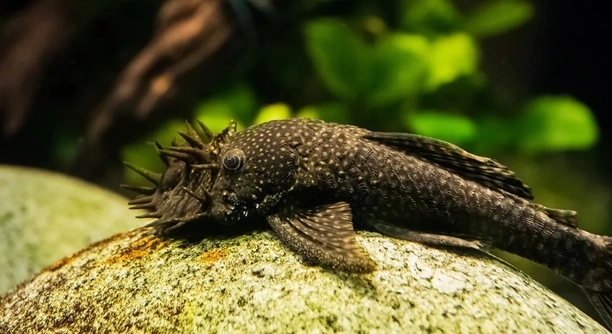
Do you ever notice your pleco spending most of its time at the bottom of the tank, moving slowly, or refusing to eat? Cold water can have subtle effects on their behavior and overall well-being.
Plecos are sensitive to water temperature, and prolonged exposure to cold conditions can lead to stress, reduced metabolism, lethargy, and weakened immune function. Identifying behavioral and physical changes early is essential for maintaining their health and vitality.
Recognizing the signs of a cold pleco can prevent serious health issues. Observing behavior, movement, and feeding patterns will help you maintain a happy, thriving fish.
Slow Movement and Lethargy
Plecos naturally have periods of rest, but extended inactivity can signal that your tank is too cold. When the water temperature drops below their comfort zone, their metabolism slows down, causing them to move sluggishly or remain in one spot for hours. You might notice them hiding more than usual or failing to explore the tank. Feeding becomes less frequent, as their digestive system struggles to process food efficiently in colder water. Over time, prolonged lethargy can weaken their immune system, making them more prone to infections. Observing their swimming patterns and energy levels is a practical way to gauge if your pleco is uncomfortable. Even if the tank looks healthy, subtle changes in behavior can indicate a temperature problem that requires attention. Adjusting the heater and monitoring water temperature consistently can restore their usual activity levels and prevent long-term health issues.
Maintaining proper warmth encourages your pleco to be active and eat regularly, supporting overall health and vitality.
A slow pleco can also affect tank dynamics. Other fish may notice the change in behavior, which can alter social interactions. Cold water reduces oxygen availability, adding extra stress to all aquatic life. Checking for signs such as clamped fins, lack of appetite, or unusual hiding spots helps detect problems early. Gradually increasing water temperature and observing responses ensures that the pleco recovers without shock. Proper care, including consistent monitoring, helps maintain a balanced and healthy aquarium ecosystem, keeping all residents comfortable.
Loss of Appetite
When a pleco’s eating habits decline, temperature is often a key factor. Cold water slows digestion, reducing their interest in food and affecting their nutritional intake.
Extended periods without feeding can result in weight loss, weakened immunity, and increased vulnerability to disease. Gradually restoring water temperature improves appetite and supports overall health. Consistently monitoring feeding patterns ensures you can identify temperature-related issues before they escalate. Adjusting diet types or feeding times may also help stimulate eating, especially during seasonal temperature fluctuations.
Loss of appetite in plecos is a gradual process that signals environmental stress. Unlike sudden illness, temperature-related appetite decline often occurs alongside other behavioral changes, including inactivity, hiding, and reduced interaction with the tank environment. Observing these subtle signs allows you to intervene before serious complications develop. Consistent temperature maintenance, regular monitoring, and offering easily digestible foods help your pleco regain normal eating patterns. Providing a variety of foods, such as algae wafers, vegetables, and occasional protein sources, supports recovery and ensures balanced nutrition. Ensuring the tank heater functions properly and that the water temperature stays within the recommended range creates a stable environment. Temperature fluctuations, even minor, can trigger appetite loss, so careful attention is essential. Proper care not only restores eating habits but also strengthens immunity, improving resistance to stress and illness. With patience and observation, plecos can return to active, healthy feeding routines, reflecting overall well-being.
Gasping at the Surface
Cold water lowers oxygen levels, forcing plecos to gasp near the surface more frequently. This behavior indicates they are struggling to get enough oxygen, which can quickly affect their overall health if not addressed.
Plecos rely on adequate oxygen for proper metabolism and immune function. When the water is too cold, oxygen solubility decreases, making it harder for them to breathe efficiently. You may notice them lingering at the top, moving slowly, or making repeated attempts to gulp air. These signs often appear alongside other symptoms of cold stress, such as lethargy or loss of appetite. Ensuring proper aeration, adjusting water temperature gradually, and checking filtration can help restore oxygen levels. Observing their breathing patterns is an easy way to gauge whether environmental conditions are optimal.
Addressing surface gasping promptly prevents long-term complications. Prolonged oxygen deficiency can weaken the pleco, reduce activity, and increase susceptibility to infections. Adding an air stone, regulating heater output, and performing water checks maintain both oxygen levels and comfort. Consistent observation and minor adjustments create a safer, more stable environment.
Clamped Fins
Clamped fins are a clear sign that a pleco is uncomfortable, often due to cold water. The fins stay tight against the body rather than spreading naturally. This restricts movement and indicates stress.
When plecos are exposed to temperatures below their preferred range, fin clamping reduces energy expenditure. The behavior is linked to metabolic slowdown, making them less active and more vulnerable to infections. Clamped fins can also appear with other environmental stressors, but temperature is a common trigger. Monitoring fin condition regularly allows you to catch problems early. Gradually warming the tank, along with maintaining proper water quality, encourages fin relaxation. Recovery may take several days, and observing overall behavior ensures the fish returns to normal activity levels.
Beyond reducing movement, clamped fins can affect balance and swimming efficiency. Plecos may struggle to navigate decorations or maintain position in the tank. This can limit feeding opportunities and interaction with other fish. Stress from cold water combined with fin clamping can lead to more serious health issues over time. Addressing temperature and providing hiding spots reduces stress while promoting fin recovery. Maintaining steady heat, checking water parameters, and observing swimming behavior help prevent recurrence and keep the pleco active and healthy.
Color Fading
Cold water can cause a pleco’s colors to appear dull or faded. This is a subtle yet noticeable sign that their environment is not within the optimal temperature range.
Reduced pigmentation often accompanies stress and lowered metabolic activity. A pleco in colder water may also show less interest in its surroundings or hide more frequently, highlighting the link between temperature and overall vitality.
Hiding More Than Usual
Plecos naturally enjoy hiding, but excessive concealment signals stress from cold water. They may spend most of the day under rocks or decorations, avoiding open areas. This behavior reduces activity and can affect feeding, making it an important sign to monitor carefully.
Rapid Gill Movement
Plecos may display faster gill movement when the water is too cold. This is their attempt to regulate oxygen intake as metabolism slows. Observing this can help identify temperature issues before they escalate into serious health concerns.
FAQ
What is the ideal temperature for a pleco?
Plecos generally thrive in water between 74°F and 80°F (23°C–27°C). Temperatures consistently below this range can slow metabolism, reduce appetite, and increase susceptibility to disease. Maintaining a stable temperature with a reliable heater is essential for their overall health and activity.
How can I gradually warm my tank if it’s too cold?
Adjust the heater slowly, increasing the temperature by 1–2°F (0.5–1°C) per day. Sudden changes can shock your pleco, leading to stress or illness. Monitor water with a thermometer and observe the fish’s behavior to ensure it is adjusting comfortably.
Why does my pleco hide all the time?
While plecos naturally enjoy hiding, excessive concealment can indicate cold stress. Cold water slows metabolism and encourages them to conserve energy. Check the temperature and consider adding decorations or caves, which give them a secure spot while keeping the water warm.
What should I do if my pleco stops eating?
Loss of appetite often signals low water temperature. Slowly raising the water to the recommended range helps restore normal feeding. Offering easily digestible foods such as algae wafers, blanched vegetables, or occasional protein can encourage eating. Monitor daily intake to track improvement.
Can cold water make my pleco sick?
Yes, prolonged exposure to cold water can weaken the immune system, making plecos more vulnerable to infections like fin rot or bacterial disease. Ensuring proper temperature and water quality is crucial to prevent illness and support recovery if symptoms appear.
How do I know if my pleco is too cold?
Signs include sluggish movement, surface gasping, clamped fins, color fading, hiding excessively, loss of appetite, and rapid gill movement. Observing behavior regularly helps identify temperature-related stress before it causes serious health issues.
Can other tank conditions affect how my pleco reacts to cold?
Yes, low oxygen, poor filtration, or dirty water can worsen cold stress. Even if the temperature is slightly low, maintaining clean water, proper aeration, and a well-functioning filter supports the pleco’s resilience and reduces overall stress.
Is it safe to use a heater in a pleco tank?
Absolutely. A properly rated heater ensures stable water temperature. Submersible heaters are recommended to avoid sudden temperature drops. Use a thermometer to verify readings and avoid overheating, which can be as harmful as cold water.
How quickly should my pleco recover once the water is warmed?
Recovery can take several days. Activity and appetite should gradually return, and fins may relax. Monitor the pleco closely for continued improvement, and maintain stable water conditions to prevent relapse or additional stress.
Can seasonal changes affect my pleco?
Yes, cooler ambient temperatures can lower water temperature, particularly in unheated tanks. Monitoring and adjusting the heater during colder months helps maintain consistent conditions and prevents temperature-related health problems.
Are there foods that help plecos cope with cold stress?
High-nutrient, easily digestible foods support weakened metabolism. Algae wafers, blanched vegetables like zucchini or cucumber, and occasional protein sources like shrimp pellets provide energy without overloading their system, promoting recovery during temperature fluctuations.
How often should I check the water temperature?
Daily checks are recommended, especially during seasonal shifts or if the heater is newly installed. Consistent monitoring allows for early detection of drops in temperature, ensuring your pleco remains healthy and active.
Can multiple plecos in the same tank affect temperature tolerance?
Yes, crowded tanks can create localized cold spots or uneven heat distribution. Make sure heaters and thermometers are positioned to maintain uniform temperature, and avoid overcrowding to reduce stress and competition for warm areas.
What immediate steps should I take if I notice cold stress?
Gradually increase water temperature, improve aeration, and monitor water quality. Remove uneaten food to prevent decay, offer easily digestible meals, and observe the pleco for signs of improvement or worsening behavior. Prompt action can prevent long-term health consequences.
How long can a pleco survive in cold water?
Survival depends on the temperature drop and duration. Short exposures to slightly lower temperatures may cause temporary lethargy, but prolonged cold can lead to serious illness or death. Maintaining consistent warmth is key to long-term health and activity.
Can I use a backup heater if mine fails?
Yes, a backup heater or aquarium heater with a thermostat is recommended for emergencies. It prevents sudden temperature drops that can stress or harm your pleco. Ensure it is compatible with your tank size and maintain regular checks.
What other environmental factors interact with cold stress?
pH, ammonia, nitrite, nitrate levels, and oxygen availability all affect how plecos handle cold. Balanced water chemistry combined with proper temperature control reduces stress and supports a healthy, active fish.
Is it normal for a pleco to be less active in cooler water?
Yes, reduced activity is a natural response to lower temperatures. While some rest is normal, prolonged lethargy combined with other symptoms like loss of appetite or clamped fins indicates the need for temperature adjustment.
How can I prevent cold stress in the future?
Regularly monitor water temperature, maintain heaters and thermometers, ensure proper aeration, and avoid drafts near the tank. Seasonal preparation and stable tank conditions are essential for keeping plecos healthy and active year-round.
What signs mean I should consult a vet or fish specialist?
If plecos continue to hide excessively, refuse food, show rapid gill movement, or develop visible infections despite stable temperature and water quality, seek professional advice to prevent irreversible health issues.
Final Thoughts
Maintaining the right water temperature is one of the most important aspects of caring for a pleco. These fish are sensitive to cold, and even a small drop below their preferred range can affect their behavior, appetite, and overall health. Observing your pleco regularly allows you to notice subtle changes, such as slower movement, clamped fins, or hiding more than usual. Early detection of these signs can prevent serious health issues and ensure your pleco remains active and thriving. Adjusting the water gradually and consistently maintaining the correct temperature creates a stable environment that supports their natural behavior and metabolism.
Cold stress can affect multiple areas of your pleco’s health simultaneously. Reduced activity, loss of appetite, and color fading often appear together, along with rapid gill movement or surface gasping. When these signs occur, it is important to act quickly to restore proper conditions. Gradual warming, improving aeration, and maintaining clean water are all steps that can help your pleco recover. Providing appropriate food during recovery supports their weakened metabolism and encourages regular feeding. Observing changes in behavior and appearance over time gives valuable insight into how your pleco is responding and allows for timely adjustments to prevent further stress or illness.
Consistency and careful monitoring are key to keeping plecos healthy in the long term. Sudden changes in temperature or neglecting tank conditions can have lasting effects, so using a reliable heater and thermometer is essential. Beyond temperature, water quality, oxygen levels, and suitable hiding spots contribute to their well-being. By keeping the tank stable and observing your pleco’s behavior closely, you can respond promptly to any signs of discomfort. Small, consistent steps in care help ensure a balanced environment where your pleco can thrive. Paying attention to these details fosters not only physical health but also a more active, natural lifestyle for your fish, making your aquarium a healthier and more enjoyable space.

Hello,
If you enjoy the content that we create, please consider saying a "Thank You!" by leaving a tip.
Every little bit helps us continue crafting quality advice that supports the health, happiness, and well-being of pets around the world, for pets of all shapes, sizes, and species.
We really appreciate the kindness and support that you show us!