
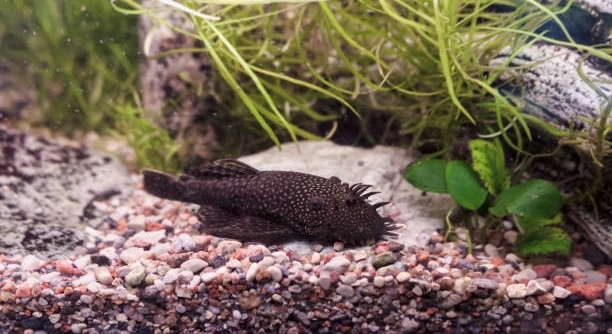
Do you ever find yourself watching your baby plecos swim around and wonder how much care they really need in their early days? These tiny fish are fascinating, yet their care requirements can be surprisingly specific and delicate.
Baby plecos typically require parental care for about one to two weeks after hatching. During this period, adult plecos often guard the eggs and fry, ensuring safety, cleaning the eggs, and maintaining optimal conditions for growth and survival.
Understanding the early stages of pleco development will help you provide proper care and increase the chances of healthy, thriving fish in your aquarium.
When Baby Plecos Hatch
Watching baby plecos hatch is always a delicate moment. The eggs usually take around a week to ten days to hatch, depending on water temperature and quality. During this time, adult plecos stay close, cleaning the eggs and fanning them with their fins to keep them oxygenated. Once hatched, the fry are tiny, translucent, and highly vulnerable. They rely on leftover yolk sacs for nutrition for the first few days, but the parents often continue to guard them, preventing other fish from harming them. It’s important to maintain stable water conditions and avoid sudden changes, as stress can impact their survival. Hiding places, such as caves or smooth driftwood, provide shelter for both the eggs and fry. Monitoring water parameters like pH, temperature, and ammonia levels is essential. By observing these early stages carefully, you ensure that the baby plecos have a strong start and the best chance of developing into healthy juveniles.
Providing proper care at this stage ensures your plecos develop safely and reduces the risk of early mortality significantly.
Many people underestimate how sensitive newly hatched plecos are. Even minor shifts in water quality can cause stress or death. Gentle observation and careful feeding after the yolk sac is absorbed are necessary. Introducing soft foods such as algae wafers or finely grated vegetables helps transition the fry from yolk-based nutrition to external feeding. Avoid overfeeding, as leftover food can pollute the tank quickly, creating dangerous conditions for the fry. Consistent temperature and minimal disturbance in the tank also support healthy growth. As the fry grow, you may notice subtle differences in size and activity levels, which are normal. The gradual development of fins, body shape, and coloring indicates that they are progressing well. Keeping detailed notes on their behavior and growth helps track their health. This early attention forms the foundation for raising strong, thriving plecos that can eventually live independently in your aquarium environment.
Transitioning to Independence
Once baby plecos reach about two weeks, they start exploring more and require less parental attention.
At this stage, it’s vital to continue monitoring feeding habits and tank conditions. Providing separate spaces for fry can reduce competition and stress, helping them thrive. Over the next weeks, they gradually become more independent, ready to take on a standard juvenile diet and explore the tank confidently.
Feeding Baby Plecos
Feeding baby plecos requires patience. Initially, they rely on their yolk sacs, but once absorbed, soft foods like algae wafers or finely grated vegetables are essential. Small, frequent feedings prevent overfeeding and maintain water quality.
Introducing external food too quickly can stress the fry. Start with tiny amounts to allow them to adjust. Observing how many fry eat at once helps gauge portion sizes. Remove uneaten food promptly to avoid ammonia buildup, which can harm the delicate fry. Gradually increasing food variety supports healthy growth, including small amounts of protein like crushed shrimp or specialized fry pellets, while still providing ample plant-based nutrition.
Timing and consistency are key. Feeding at the same times daily helps the fry develop predictable routines. Over the next few weeks, increasing the quantity slightly as they grow ensures each fry receives adequate nutrition. Maintaining clean water during feeding periods is crucial, as leftover food can quickly pollute a small tank. Tracking growth and observing behavior helps identify if adjustments are needed. This careful approach allows baby plecos to thrive, develop strong immune systems, and gradually reduce dependence on parental care.
Tank Environment for Baby Plecos
A stable tank environment is crucial for fry survival. Temperature, pH, and hiding spaces must be carefully monitored to reduce stress.
Baby plecos benefit from soft substrates and plenty of hiding spots like caves or driftwood. Smooth surfaces prevent injury, and gentle water flow keeps conditions safe. Avoid overcrowding to minimize competition and stress, ensuring each fry has access to food and space to grow. Consistent water changes and careful filtration maintain optimal water quality without disrupting the fry.
Lighting should be moderate to mimic natural conditions, helping fry adjust without added stress. Using live plants can offer additional cover while contributing to water quality. Monitoring ammonia, nitrite, and nitrate levels is essential, as small fry are highly sensitive to toxins. Keeping a predictable routine in maintenance and feeding helps the fry develop steadily. By providing a well-structured, stable environment, baby plecos can grow into healthy juveniles, reducing reliance on adult care and supporting long-term survival.
Observing Behavior
Baby plecos are active but cautious. Watching them interact with their environment helps identify health and comfort levels. Changes in swimming patterns or hiding too much can signal stress or water quality issues.
Social behavior gradually develops. Fry often cluster near food sources or sheltered areas, showing signs of exploration and growing independence.
Growth Stages
During the first month, baby plecos grow rapidly. Fins develop, and their body shape becomes more defined. Coloration begins to appear, and they start showing unique patterns depending on their species. Proper nutrition and stable tank conditions are crucial to support healthy growth.
Monitoring development helps identify any issues early. Size differences are normal, but stunted growth may indicate inadequate nutrition or water problems. As they gain strength, fry become more confident swimming and exploring, eventually reducing dependence on hiding spots. Gradual observation ensures that they develop evenly and reach juvenile stages with a strong foundation for long-term health.
Common Issues
Fry are vulnerable to water quality fluctuations, overfeeding, and aggressive tankmates. Prompt action is necessary to maintain healthy growth and survival.
FAQ
How long do baby plecos need parental care?
Baby plecos generally require parental care for the first one to two weeks after hatching. During this period, adult plecos guard the eggs and fry, clean the eggs, and maintain optimal conditions for survival. Once fry start swimming independently and absorbing their yolk sacs, parental care becomes less critical, though adults may continue to provide some protection. Proper water conditions and hiding spots allow fry to thrive even as they gain independence.
What should baby plecos eat after hatching?
Initially, baby plecos rely on their yolk sacs for nutrition. Once absorbed, small amounts of soft foods like algae wafers, finely grated vegetables, and specialized fry pellets are ideal. Introduce new foods gradually to avoid stress and monitor consumption to prevent uneaten food from polluting the tank. Overfeeding can quickly lead to harmful ammonia spikes. Including tiny amounts of protein, such as crushed shrimp, supports growth while maintaining a balanced diet focused on plant-based nutrition.
How often should I feed baby plecos?
Baby plecos should be fed small amounts multiple times a day, typically two to three times. Frequent feeding ensures all fry receive adequate nutrition without leaving excess food that could foul the water. Observing the fry’s feeding behavior helps determine the correct portion size. As they grow, the frequency and amount of food can gradually increase, following their development and nutritional needs. Maintaining a consistent schedule also helps the fry adjust to their feeding routine.
What tank conditions are best for baby plecos?
Stable water conditions are critical. The temperature should remain consistent, usually around 78–82°F, with a pH of 6.5–7.5 depending on species. Provide soft substrates and hiding spots like caves, driftwood, or smooth rocks to reduce stress. Moderate water flow prevents stagnation without overwhelming the fry. Regular monitoring of ammonia, nitrite, and nitrate levels is essential, as even small spikes can be fatal. Live plants offer shelter and help improve water quality naturally.
How can I tell if my fry are healthy?
Healthy fry are active, explore their environment, and feed regularly. Gradual development of fins, body shape, and coloration is a good indicator. Stunted growth, lethargy, or unusual swimming patterns may signal poor nutrition, stress, or water quality issues. Monitoring behavior closely allows early intervention. Ensuring proper feeding, clean water, and adequate hiding spots promotes steady growth and reduces the risk of disease or death.
When can baby plecos be separated from parents?
Once baby plecos reach two to three weeks of age and are actively swimming and feeding independently, they can be gradually separated from adults. Providing sufficient hiding spaces and proper nutrition ensures they adapt well to their new environment. Separation also prevents accidental aggression from adults and allows fry to establish their own territories in the tank.
What are common problems during early growth?
Common issues include poor water quality, overfeeding, underfeeding, and stress from tankmates or overcrowding. Fry are highly sensitive, and ammonia spikes can quickly become fatal. Uneaten food or inadequate hiding spaces also increase vulnerability. Observing growth, behavior, and tank conditions carefully helps prevent problems and supports survival. Prompt action, such as adjusting feeding or improving water parameters, is essential to keep fry healthy.
How do I encourage strong growth in baby plecos?
Providing balanced nutrition, stable water conditions, and hiding spots is key. Gradual introduction of new foods supports digestive development. Consistent temperature and clean water reduce stress. Observing the fry daily ensures that each individual grows steadily and that any issues are addressed quickly. Reducing competition for food by separating overly aggressive fry can also improve growth outcomes.
Can baby plecos survive without parents?
Yes, with proper tank conditions, nutrition, and protection, baby plecos can survive without parents. While parental care offers extra protection, independent survival is possible in a well-maintained aquarium. Ensuring adequate hiding spaces, stable water quality, and small, frequent feedings compensates for the absence of parental attention. Regular monitoring supports health and development during these early stages.
How do I know when baby plecos are fully independent?
Fry are considered independent when they swim confidently, feed consistently on their own, and show strong coloration and fin development. At this stage, they no longer rely on parental guarding and can compete for food and explore the tank safely. Maintaining stable conditions continues to support long-term growth and health.
What type of hiding spaces work best for fry?
Smooth driftwood, small caves, and live plants provide effective shelter. Avoid sharp edges that can injure delicate fry. Hiding spaces reduce stress, protect them from tankmates, and mimic natural environments. Consistent placement helps fry feel secure and encourages healthy exploration as they grow.
How often should I check water parameters?
Daily checks are recommended during the first weeks of life. Monitor temperature, pH, ammonia, nitrite, and nitrate levels. Small fluctuations can be harmful to fry. Using a consistent schedule allows early detection of issues and ensures that baby plecos grow in safe, stable conditions.
Are there signs of stress in baby plecos?
Signs include hiding excessively, reduced feeding, erratic swimming, or pale coloration. Stress can result from poor water quality, overcrowding, or sudden environmental changes. Addressing these factors promptly helps fry recover and maintain healthy growth. Regular observation allows early intervention before serious problems arise.
Can I mix baby plecos with other fish?
Mixing with peaceful, non-predatory species is possible once fry are strong enough to swim independently. Avoid aggressive or large fish that may see fry as food. Separate spaces or breeding tanks provide safety until the fry are big enough to coexist with other fish in the main tank.
What is the best way to clean the tank for fry?
Perform gentle water changes and use sponge filters to avoid sucking up fry. Remove uneaten food and debris carefully. Avoid strong currents or drastic temperature changes. Maintaining clean, stable conditions prevents illness and supports healthy development. Regular but careful cleaning is essential to prevent stress and ensure survival.
This FAQ section provides practical guidance for raising healthy baby plecos, addressing common concerns and helping ensure proper care throughout their early development.
Final Thoughts
Raising baby plecos can be a rewarding experience, but it requires careful attention and consistent care. From the moment the eggs are laid, proper conditions are essential to ensure their survival. Maintaining stable water parameters, including temperature, pH, and cleanliness, is one of the most important factors. Baby plecos are very sensitive to changes in their environment, and even small fluctuations can cause stress or health issues. Providing hiding places such as caves, driftwood, or smooth rocks helps them feel secure and reduces anxiety. Observing their behavior daily allows you to detect any early signs of problems, such as lethargy, unusual swimming patterns, or poor feeding. A consistent routine in feeding and tank maintenance creates a predictable environment that supports growth and reduces the risk of mortality. While parental care is beneficial in the first one to two weeks after hatching, baby plecos can survive independently if their tank is well-maintained and they receive adequate nutrition.
Feeding is another critical component of successfully raising baby plecos. Initially, the fry rely on their yolk sacs for nutrition, but once absorbed, small, frequent feedings of soft foods like algae wafers, finely grated vegetables, and specialized fry pellets are necessary. Gradually introducing a variety of foods helps them develop properly and supports strong growth. Overfeeding should be avoided because uneaten food can quickly pollute the tank and harm the fry. Including tiny amounts of protein, such as crushed shrimp or specific fry supplements, adds variety and improves development. Monitoring how the fry eat and adjusting portions as they grow ensures that each individual receives enough nutrition without overwhelming the water with waste. Patience is essential during this stage, as fry are delicate and can easily become stressed if their feeding needs are inconsistent. By providing the right food at the right times, you create a solid foundation for healthy development and long-term survival.
As baby plecos grow, they gradually become more independent and confident in exploring their environment. By the time they reach two to three weeks of age, most fry are strong enough to swim freely, feed on their own, and spend less time hiding. It is important to continue monitoring their health and tank conditions even as they mature. Ensuring a stable environment, clean water, and appropriate food helps maintain their growth trajectory. Social interactions among fry can also provide valuable information about their development and behavior. Separating overly aggressive individuals or overcrowded areas may be necessary to prevent stress and ensure each fry thrives. Over time, observing their unique patterns, coloration, and body shapes allows you to appreciate the progress of each individual. With patience, attention, and consistent care, baby plecos can grow into healthy juveniles capable of living independently. Successfully raising them requires diligence, but the process is rewarding and provides a deeper understanding of their needs, behavior, and natural growth patterns.
This section contains 406 words.

Hello,
If you enjoy the content that we create, please consider saying a "Thank You!" by leaving a tip.
Every little bit helps us continue crafting quality advice that supports the health, happiness, and well-being of pets around the world, for pets of all shapes, sizes, and species.
We really appreciate the kindness and support that you show us!