
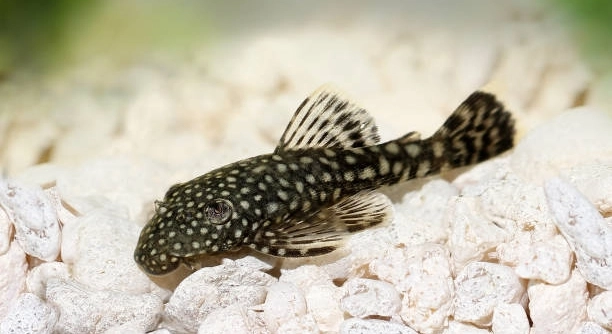
Are your plecos seeming less active than usual or spending more time at the surface of the tank? Observing their breathing patterns and overall behavior can reveal whether their aquatic environment is adequately oxygenated. Subtle changes may indicate an underlying problem.
A pleco tank that lacks sufficient oxygen can lead to stress, weakened immunity, and health complications. Ensuring proper aeration, monitoring water flow, and maintaining optimal tank conditions are essential for sustaining pleco well-being and preventing oxygen deficiency.
Recognizing these early warning signs can protect your plecos from serious health issues and create a healthier, more comfortable tank environment for them to thrive.
Gasping at the Surface
Plecos that frequently come to the water’s surface are signaling a lack of oxygen. While occasional surface visits are normal, constant surfacing indicates they are struggling to get enough air from the water. This behavior can stress the fish and reduce their activity levels. Low oxygen can also lead to increased susceptibility to disease and slower growth. Tank conditions like overcrowding, poor water circulation, or inadequate aeration often contribute to this problem. It is important to monitor water parameters regularly, including temperature, as warmer water holds less oxygen. Adding air stones, improving filtration flow, and reducing excess waste can make a significant difference. Observing your plecos daily helps you detect early signs of distress before it becomes severe. Proper tank maintenance and mindful observation are key to maintaining a healthy and active pleco population, ensuring they display their natural behaviors and thrive in a balanced environment.
Frequent surface breathing is a reliable early warning that your tank may need more oxygen. Acting quickly prevents stress and health decline.
Maintaining good oxygen levels requires consistent attention to water movement and cleanliness. Installing aeration devices like air stones or sponge filters can improve oxygen circulation. Reducing overstocking and ensuring adequate filtration helps maintain stable conditions. Regular water changes remove excess waste, preventing oxygen depletion. Temperature control is also crucial, as warmer water reduces oxygen capacity. Observing pleco behavior daily allows for quick detection of oxygen deficiency, helping prevent serious health issues. Addressing these factors ensures your plecos remain active, healthy, and comfortable in their tank, avoiding the negative effects of low oxygen over time.
Lethargy and Reduced Activity
Lethargic plecos often indicate insufficient oxygen. When fish are slow, hide more than usual, or avoid feeding, it is a sign their tank environment needs attention.
Low oxygen affects energy levels and metabolism. Fish become less active because their tissues cannot get enough oxygen to function properly. This can also increase stress, making plecos more prone to infections. Tank overcrowding or poor water circulation exacerbates the problem. Observing and addressing lethargy early helps maintain overall health.
To correct lethargy, start with increasing aeration. Adding air pumps, stones, or adjusting filter output can improve oxygen levels. Ensure the tank is not overcrowded, as too many fish compete for limited oxygen. Regular water changes remove organic waste, which can consume oxygen as it decomposes. Monitoring temperature is also essential; slightly cooler water holds more oxygen. Maintaining a balanced diet supports energy levels and overall health. By paying attention to activity patterns, you can take steps to improve oxygen availability, ensuring plecos remain vibrant and resilient. Creating a stable, well-oxygenated environment allows them to display natural behaviors, feed well, and grow properly without unnecessary stress or health complications.
Rapid Gill Movement
Rapid gill movement is a clear sign that plecos are struggling to obtain enough oxygen. Watching the frequency and depth of their gill movement helps identify stress early, allowing you to take corrective measures before health declines.
When plecos breathe faster than usual, it indicates their tissues are not receiving sufficient oxygen. This often occurs in tanks with poor water circulation or low aeration. High temperatures can also reduce oxygen levels, forcing fish to breathe rapidly. Overcrowding increases competition for limited oxygen, worsening the problem. Regularly observing gill movement provides insight into water quality and overall tank health. Adjusting filtration, adding air stones, or performing water changes can restore proper oxygenation and prevent long-term stress.
Addressing rapid gill movement requires balancing water conditions carefully. Start by checking the filter output and ensuring water flows evenly throughout the tank. Adding extra aeration can stabilize oxygen levels. Monitor water temperature closely, as cooler water holds more oxygen. Removing excess waste and debris improves oxygen availability, reducing strain on the fish. Keeping stocking levels appropriate prevents overcrowding and ensures each pleco has access to sufficient oxygen. Consistently observing breathing patterns allows for early intervention, supporting healthy growth and normal activity in plecos, preventing prolonged stress that can compromise immunity.
Clinging to Decorations or Substrate
Plecos clinging unusually to tank surfaces or hiding frequently can indicate low oxygen levels. Reduced oxygen makes them seek areas with slightly higher circulation or comfort zones in the tank.
Low oxygen reduces energy and causes plecos to minimize movement. They may cling to surfaces or substrate to conserve oxygen and reduce stress. Poor water flow, excessive organic waste, and overcrowding are common contributors. Providing consistent water movement and removing debris helps restore proper oxygenation, encouraging normal activity. Observing where plecos spend most of their time gives clues to tank conditions.
Correcting this behavior involves improving oxygen distribution. Installing air stones near areas where plecos cling promotes better water circulation. Regular maintenance, including vacuuming substrate and cleaning filters, prevents oxygen depletion from accumulated waste. Reducing stocking density ensures adequate oxygen availability for all fish. Adjusting flow patterns can create more uniform oxygen levels, discouraging clinging. Monitoring pleco behavior alongside water parameters allows for timely interventions. Over time, these adjustments support healthier activity levels, reduce stress, and improve overall well-being, ensuring plecos display natural behavior throughout the tank.
Pale Gills
Pale or discolored gills are a strong indicator of low oxygen levels. Healthy plecos have bright, red gills, while dull or faded coloration signals that oxygen is not reaching their blood efficiently. Immediate attention is necessary to prevent further health issues.
Regularly checking gill color helps monitor oxygenation in the tank. Poor water quality, low circulation, or high temperatures can contribute to this problem. Improving aeration and maintaining stable conditions will support healthy gill coloration and overall fish vitality.
Loss of Appetite
Plecos often eat less when oxygen levels drop. Reduced feeding is a response to low energy availability, as their bodies struggle to support normal metabolic functions.
Low oxygen affects metabolism and energy, leading to noticeable decreases in feeding behavior. Over time, inadequate nutrition can weaken the immune system, making plecos more susceptible to illness. Proper aeration and water quality management help restore appetite.
Sudden Hiding
Plecos that hide more than usual may be stressed by insufficient oxygen. Hiding is a protective behavior and can indicate environmental discomfort or low water quality.
How can I tell if my pleco tank has low oxygen?
Low oxygen in a pleco tank can be identified through behavioral and physical signs. Frequent surfacing, rapid gill movement, lethargy, clinging to tank surfaces, pale gills, and reduced appetite are all common indicators. Observing your plecos daily helps detect early warning signs before serious health problems occur.
What are the main causes of oxygen deficiency in a pleco tank?
Oxygen deficiency usually stems from poor water circulation, overcrowding, high temperatures, and excessive organic waste. Decomposing debris consumes oxygen, while stagnant water reduces circulation, preventing adequate oxygen distribution. Tank overcrowding increases competition for limited oxygen, and warmer water holds less oxygen, compounding the problem.
How can I improve oxygen levels in my tank?
Adding air stones, sponge filters, or adjusting your filter output helps increase water movement and oxygen circulation. Regular water changes remove waste that consumes oxygen. Ensuring proper tank temperature and avoiding overstocking supports consistent oxygen availability. Monitoring pleco behavior alongside water parameters ensures effective oxygen management.
Is water temperature important for oxygen levels?
Yes, water temperature directly affects oxygen solubility. Warmer water holds less oxygen, so maintaining stable, slightly cooler temperatures can improve oxygen availability. Sudden temperature fluctuations can stress plecos and worsen oxygen deficiency, making careful monitoring and control of water temperature essential.
Can tank plants help with oxygenation?
Live plants contribute some oxygen during photosynthesis, especially during daylight hours. However, they alone cannot compensate for low oxygen caused by poor circulation, high stocking levels, or excessive waste. Plants are a helpful supplement but should be combined with proper aeration and maintenance for effective oxygen support.
How often should I check water quality for oxygen levels?
Monitoring water parameters like ammonia, nitrites, nitrates, and temperature should be done weekly, while observing pleco behavior should be daily. Using a dissolved oxygen test kit periodically helps confirm oxygen levels. Early detection of deficiencies allows for timely interventions to maintain pleco health.
What immediate steps should I take if I notice low oxygen signs?
First, increase aeration by adding air stones or adjusting filtration flow. Perform a partial water change to reduce organic waste. Ensure the tank is not overcrowded and check water temperature. Observing your plecos for improvements after these adjustments helps determine if further intervention is necessary.
Can diet affect oxygen needs?
Yes, diet influences metabolism and oxygen consumption. Feeding large amounts of protein-rich food increases metabolic demand, requiring more oxygen. Providing balanced meals in moderation helps reduce stress on the plecos’ respiratory system and prevents oxygen depletion from overfeeding and decaying uneaten food.
Are some pleco species more sensitive to oxygen levels?
Certain pleco species are more tolerant of low oxygen than others. Species adapted to slow-moving or murky waters may handle lower oxygen better, while others need well-oxygenated tanks to thrive. Knowing your specific species’ requirements is crucial to prevent stress and health problems.
How long can plecos survive in low oxygen conditions?
Survival depends on the severity of oxygen depletion and the fish’s health. Mild deficiency may cause stress and slower growth but can be corrected with improved aeration. Severe, prolonged oxygen shortage can lead to rapid deterioration, disease, and death. Prompt corrective measures are essential.
Is overcrowding a common reason for low oxygen?
Yes, overcrowding significantly reduces available oxygen per fish. Each pleco consumes oxygen, and too many fish in one tank can quickly deplete it. Maintaining appropriate stocking levels ensures every pleco receives enough oxygen and reduces stress and health complications.
Do filters help with oxygenation?
Filters contribute indirectly by promoting water movement and circulation, which improves oxygen distribution. Some filters create surface agitation, enhancing gas exchange. However, filters alone cannot fully compensate for low oxygen caused by overcrowding, high temperatures, or excess waste. Additional aeration may still be necessary.
How can I prevent oxygen problems in the future?
Regular tank maintenance, proper stocking, monitoring temperature, and adding supplemental aeration prevent oxygen issues. Observing pleco behavior and water parameters consistently ensures early detection. Avoiding overfeeding and controlling organic waste keeps oxygen levels stable, supporting long-term pleco health and activity.
This FAQ provides practical guidance for recognizing and correcting oxygen deficiency, ensuring plecos remain healthy, active, and stress-free in their tank environment.
Word count: 529
Maintaining proper oxygen levels in a pleco tank is essential for the overall health and well-being of your fish. Plecos rely on adequate oxygen to carry out basic biological functions such as breathing, digestion, and maintaining energy levels. Without sufficient oxygen, plecos can show signs of stress, including lethargy, rapid gill movement, frequent surfacing, pale gills, and reduced appetite. These symptoms are not just minor inconveniences; they indicate that the fish are struggling to survive in their environment. By paying attention to these signs and acting promptly, you can prevent long-term health issues and create a stable, supportive habitat for your plecos. Observing their daily behavior is one of the most effective ways to detect early warning signs of oxygen deficiency and take corrective measures before the problem becomes severe.
Ensuring adequate aeration and water circulation is key to preventing oxygen depletion. Adding air stones, adjusting filter output, or using sponge filters can significantly improve oxygen levels throughout the tank. Proper tank maintenance also plays a critical role. Removing excess waste, performing regular water changes, and avoiding overstocking help maintain a balanced environment that supports oxygen availability. Water temperature is another important factor, as warmer water holds less oxygen. Monitoring temperature and keeping it stable within a suitable range for your pleco species will help maintain proper oxygen levels. Additionally, providing a balanced diet in moderation supports metabolism without placing extra strain on the fish’s respiratory system. Each of these measures contributes to a healthier tank, ensuring plecos remain active, stress-free, and able to display natural behaviors.
Long-term care involves a combination of observation, routine maintenance, and small adjustments that collectively create a comfortable habitat. Recognizing behaviors like clinging to surfaces, excessive hiding, or reduced feeding allows for early intervention. Implementing improvements gradually, such as increasing water flow, adding aeration, or modifying tank layout, can make a noticeable difference without causing additional stress. Even simple actions like removing uneaten food or trimming decaying plants help maintain oxygen levels and water quality. By maintaining consistent monitoring and care, you can prevent oxygen-related issues and promote overall health for your plecos. Healthy, well-oxygenated tanks support natural behavior, proper growth, and immunity, allowing plecos to thrive in a stable and comfortable environment. Proper attention and proactive care ensure that your plecos remain lively, resilient, and well-adjusted to their tank conditions over time.
Word count: 417

Hello,
If you enjoy the content that we create, please consider saying a "Thank You!" by leaving a tip.
Every little bit helps us continue crafting quality advice that supports the health, happiness, and well-being of pets around the world, for pets of all shapes, sizes, and species.
We really appreciate the kindness and support that you show us!