
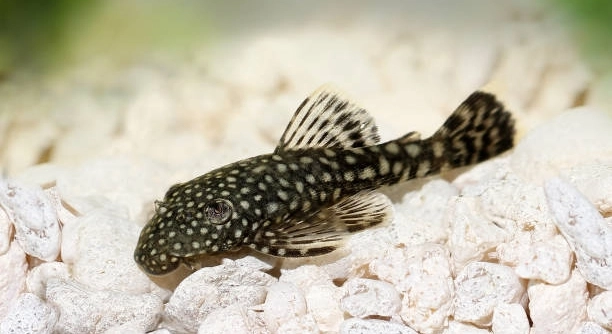
Are your plecos showing unusual behavior in the aquarium? These peaceful fish are often quiet, but subtle changes can signal stress that may affect their health and well-being in ways that are easy to overlook.
Overstressed plecos often display physical signs such as faded coloration, rapid breathing, or irregular swimming patterns. Environmental stressors, improper water conditions, and insufficient hiding spaces are primary contributors, and early recognition is essential for maintaining their health and preventing long-term harm.
Recognizing stress early can make a significant difference in your pleco’s life. These simple observations will help you keep your fish healthy and comfortable.
Faded or Dull Coloring
A healthy pleco typically has vibrant patterns and rich, consistent coloration. When you notice their colors fading or appearing dull, it can indicate prolonged stress. Stress in plecos can result from poor water quality, sudden changes in temperature, or lack of proper nutrition. Over time, these factors affect their immune system, making them more susceptible to illness. Observing your pleco’s colors daily is important. Even slight changes can signal discomfort that may not be otherwise obvious. Plecos often hide when stressed, so you may only notice subtle shifts in their appearance. Ensuring consistent water parameters, including temperature, pH, and cleanliness, can help restore their natural hues. Adequate hiding spots and proper diet also contribute to their well-being. Avoid overfeeding or introducing aggressive tank mates, as these can also trigger stress and affect coloration. Tracking changes and responding promptly is key to maintaining a healthy and visually vibrant pleco.
Dull or fading colors are one of the earliest signs of stress, signaling an immediate need to evaluate tank conditions.
Paying attention to the vibrancy of your pleco’s coloration is an easy, practical way to assess stress. Small improvements in water quality and environment can quickly restore natural patterns and overall vitality. Observing color changes alongside other behaviors ensures you respond before more serious health issues develop.
Hiding More Than Usual
When plecos start hiding more often than normal, it usually indicates that they feel unsafe or uncomfortable in their environment. Excessive hiding is a common stress response, as they seek security in caves, under decorations, or behind plants. This behavior may be triggered by bright lighting, aggressive tank mates, or overcrowding. While plecos naturally enjoy hiding at times, consistent avoidance of open areas signals a problem. Observing their patterns of movement and retreating habits provides insight into their comfort level and overall well-being.
Persistent hiding can lead to decreased appetite and reduced activity levels, further impacting health. Monitoring and adjusting the tank setup, lighting, and water flow can help reduce stress.
To address hiding behavior, review your pleco’s environment carefully. Ensure there are enough shaded areas and proper shelters without making the tank feel cramped. Reduce strong lighting and maintain stable water parameters, as sudden changes can intensify stress. Observing interactions with other tank mates is important; removing aggressive or overly active fish can create a calmer atmosphere. Providing varied hiding options, including driftwood and rocks, encourages natural behavior while keeping your pleco comfortable. Consistency in feeding routines also helps them feel secure, as predictable schedules reduce anxiety. Over time, these adjustments can restore confidence and visibility, allowing your pleco to resume normal activity and improve overall health and coloration.
Loss of Appetite
A stressed pleco often stops eating or shows less interest in food. Ignoring regular feeding habits can quickly impact health and growth. Changes in diet or environment may be contributing factors, and monitoring consumption is essential to identify and address stress early.
When plecos reduce their food intake, it is usually a response to discomfort or an unsuitable environment. Poor water quality, strong currents, or aggressive tank mates can make them anxious and less likely to eat. Nutritional deficiencies from a limited diet may also contribute. Tracking feeding patterns daily helps detect issues before they worsen, and providing a balanced diet encourages recovery. Adjusting feeding times or offering preferred foods like algae wafers or fresh vegetables can stimulate appetite and reduce stress.
Plecos that consistently avoid food may face weakened immunity, increasing the risk of illness. Ensuring stable water parameters, proper tank size, and adequate hiding spaces improves comfort. Gradually reintroducing favorite foods and maintaining a predictable feeding schedule can help restore appetite. Observing behavior alongside feeding habits allows for timely intervention, supporting long-term health and well-being while reducing stress levels effectively.
Rapid or Erratic Swimming
Rapid or erratic swimming is a clear indicator of stress in plecos. Sudden bursts, darting, or frantic movements often suggest discomfort, fear, or irritation. Monitoring swimming patterns helps detect underlying problems and ensures the environment is suitable for the fish.
Plecos may swim frantically due to strong water currents, sudden temperature changes, or aggressive tank mates. Overcrowding can also contribute, as limited space increases tension and triggers defensive or stressed behavior. Maintaining calm water flow and stable temperature reduces unnecessary stress. Providing multiple hiding spots and ensuring tank mates are compatible creates a secure environment. Observation of swimming behavior alongside other signs, like color fading or hiding, helps identify the root causes. Prompt adjustment of conditions often restores normal swimming patterns and overall well-being.
Erratic swimming can strain plecos physically and compromise their immune systems. Gradual changes in environment, adequate oxygenation, and consistent water parameters allow them to regain normal behavior. Avoid sudden rearrangements of decorations or aggressive species introductions. Monitoring water chemistry, including pH, ammonia, and nitrate levels, ensures safe conditions. Offering balanced nutrition and minimizing disturbances during the day helps the fish feel secure. Over time, these measures reduce stress-induced swimming behaviors and encourage consistent activity. Tracking patterns regularly provides insight into health trends, helping prevent long-term complications while maintaining a calm and stable aquarium environment.
Gasping at the Surface
Plecos gasping at the water surface often indicate low oxygen levels or poor water quality. This behavior is a serious stress signal that requires immediate attention to prevent health complications.
Improving aeration and performing water changes can quickly alleviate this stress. Using an air stone or adjusting the filter flow helps increase oxygen levels. Monitoring water parameters regularly ensures safe and comfortable conditions for plecos, reducing the risk of recurring surface gasping.
Clamped Fins
Clamped fins, where the pleco keeps its fins close to its body, are a common stress response. This behavior signals discomfort and may result from water issues, illness, or aggressive tank mates. Early detection and corrective measures prevent further health decline.
Scraping Against Surfaces
Plecos scraping against tank walls or decorations excessively may indicate irritation or stress. Observing this behavior helps identify water quality problems, parasites, or dietary deficiencies. Adjusting tank conditions and maintaining a clean environment reduces irritation and promotes normal behavior.
FAQ
How do I know if my pleco is stressed?
Stress in plecos can show in various ways, including faded colors, hiding excessively, erratic swimming, reduced appetite, clamped fins, and gasping at the surface. Observing daily behavior and checking water parameters are key steps in identifying stress early.
Can water quality alone stress my pleco?
Yes. Poor water quality is one of the main stress factors for plecos. High ammonia, nitrite, or nitrate levels, incorrect pH, or sudden temperature changes can all trigger stress. Regular water testing and partial water changes help maintain a stable environment.
Does tank size affect pleco stress?
Absolutely. Plecos need space to swim and hide. A tank that is too small or overcrowded can make them feel insecure, causing stress. Providing enough room, hiding spots, and compatible tank mates supports their natural behavior and reduces tension.
Can diet influence stress levels?
Yes, nutrition plays a significant role. A diet lacking variety or essential nutrients can weaken the immune system and increase stress. Algae wafers, fresh vegetables, and occasional protein sources maintain health and prevent behavioral problems caused by dietary deficiencies.
Why is my pleco hiding so much?
Excessive hiding is a common stress response. Bright lights, aggressive tank mates, or environmental changes can make plecos feel unsafe. Adequate shelters, dim lighting, and calm tank mates encourage comfort and reduce hiding behavior.
Is erratic swimming always a stress sign?
Not always, but frequent or sudden erratic swimming often points to discomfort. Strong currents, overcrowding, or aggressive tank mates can trigger this behavior. Observing swimming patterns alongside other stress indicators helps determine whether intervention is needed.
What should I do if my pleco is gasping at the surface?
Gasping usually signals low oxygen or poor water conditions. Increase aeration with an air stone, perform partial water changes, and check filtration efficiency. Maintaining stable water chemistry prevents recurring oxygen-related stress.
Can clamped fins recover on their own?
Sometimes, but often clamped fins indicate ongoing stress or illness. Improving water quality, providing hiding spaces, and addressing any disease promptly helps plecos regain normal fin posture. Observing for other symptoms ensures comprehensive care.
Do aggressive tank mates affect pleco stress?
Yes, aggressive or overly active fish can intimidate plecos. They may hide constantly or swim erratically. Selecting compatible species and monitoring interactions is essential for creating a calm and stress-free environment.
How can I prevent stress in my pleco long-term?
Consistent tank maintenance, stable water parameters, proper diet, adequate hiding spots, and compatible tank mates are crucial. Regular observation allows you to notice subtle changes in behavior early, addressing issues before they become serious. A predictable routine reduces anxiety and promotes overall health.
Is sudden color fading reversible?
Yes, if the underlying cause of stress is addressed promptly. Restoring water quality, improving diet, and minimizing disturbances often allow plecos to regain their natural coloration over time. Continuous monitoring prevents recurrence and ensures long-term vibrancy.
When should I consult a veterinarian?
If stress behaviors persist despite proper care, or if physical symptoms such as sores, fin rot, or unusual growths appear, consulting an aquatic veterinarian is necessary. Professional guidance ensures proper diagnosis and treatment to protect your pleco’s health.
Can adding decorations or plants help reduce stress?
Yes. Plecos feel safer with adequate hiding spots and shaded areas. Driftwood, rocks, and plants provide comfort and allow natural behaviors, which reduces anxiety and promotes healthy activity within the tank.
How often should I monitor my pleco’s behavior?
Daily observation is ideal. Monitoring eating habits, swimming patterns, coloration, and interactions with tank mates helps catch stress signs early. Keeping a simple log can track patterns and highlight any environmental or behavioral changes that require attention.
Does lighting affect pleco stress?
Yes. Bright, constant lighting can cause discomfort. Providing shaded areas or adjusting the lighting schedule to mimic natural day-night cycles helps plecos feel secure and reduces stress-related behaviors.
What role does water temperature play in stress?
Temperature fluctuations or extremes can shock plecos, leading to stress. Maintaining a stable, species-appropriate temperature range supports immune function and reduces erratic behavior. Using a reliable heater and thermometer ensures consistency.
Can plecos recover from prolonged stress?
With timely intervention, they can. Correcting water conditions, providing proper nutrition, safe tank mates, and adequate hiding spaces helps plecos regain normal behavior and health. Early detection significantly improves recovery chances.
Are there behavioral signs that indicate stress before physical symptoms appear?
Yes. Hiding excessively, reduced activity, sudden changes in swimming patterns, and reluctance to eat often appear before visible physical signs like faded colors or clamped fins. Early behavioral observation is critical to preventing long-term health issues.
How does overcrowding impact plecos?
Overcrowding increases competition for space and resources, elevating stress levels. Plecos may hide more, swim erratically, or lose appetite. Ensuring adequate tank size and reducing the number of inhabitants promotes a calmer and healthier environment.
Can changes in water chemistry cause sudden stress episodes?
Yes. Sudden pH shifts, high ammonia or nitrite spikes, or rapid temperature changes can shock plecos. Gradual adjustments and regular monitoring prevent abrupt environmental changes, reducing stress and promoting long-term well-being.
What is the most effective immediate response to stress?
Check water parameters, improve aeration, offer hiding spaces, and ensure proper nutrition. Observing behavior while maintaining stable conditions allows plecos to regain comfort quickly. Prompt action prevents escalation and long-term health problems.
How long does it take for a pleco to recover from stress?
Recovery depends on severity and promptness of intervention. Minor stress may resolve within days, while prolonged stress requires weeks of stable care, consistent feeding, and environmental adjustments for full recovery. Monitoring behavior ensures the process is progressing effectively.
Can I prevent stress through tank design?
Yes. Thoughtful design with hiding spots, gentle water flow, and shaded areas helps plecos feel secure. A well-structured tank reduces exposure to triggers, encourages natural behavior, and supports long-term health and well-being.
Are there signs that indicate permanent damage from stress?
Persistent physical issues, such as chronic faded coloration, fin deterioration, or stunted growth, may suggest long-term effects. Early detection and consistent care are critical to minimizing permanent damage and promoting recovery.
Final Thoughts
Caring for a pleco requires attention to both the fish’s environment and its behavior. Plecos are generally quiet and low-maintenance, but they are sensitive to changes in water quality, tank conditions, and interactions with other fish. Stress in plecos can develop gradually, making it easy to overlook until physical or behavioral signs become obvious. Faded colors, clamped fins, hiding excessively, erratic swimming, reduced appetite, and gasping at the surface are all indicators that a pleco may be experiencing stress. Recognizing these signs early is essential for preventing more serious health problems. Regular observation, along with monitoring water parameters and maintaining a consistent care routine, ensures that the fish remains healthy and comfortable. By keeping the tank clean and stable, providing sufficient hiding spaces, and offering a varied diet, owners can minimize the stressors that commonly affect plecos. Understanding their natural behaviors and environmental needs is key to creating a supportive home that promotes well-being.
Stress can impact a pleco’s overall health if left unaddressed. Prolonged exposure to poor water conditions, strong currents, aggressive tank mates, or insufficient nutrition can weaken the immune system, making plecos more susceptible to illness. Maintaining appropriate water temperature, pH, and oxygen levels helps prevent stress and supports healthy growth. Observing daily feeding habits and swimming patterns allows owners to spot changes that may indicate discomfort or environmental issues. Adjustments such as adding driftwood, plants, or caves for hiding, reducing lighting intensity, or modifying the tank layout can create a calmer environment for the pleco. These small but consistent interventions often result in noticeable improvements in behavior and coloration. Being proactive with tank maintenance and attentive to your pleco’s signals ensures a higher quality of life. Over time, these practices not only reduce stress but also encourage natural behaviors, making your pleco more active, confident, and visually vibrant.
Long-term care involves consistency and patience. Plecos thrive when their environment is predictable and safe, with minimal sudden changes in water quality or tank setup. Regular water testing, partial water changes, and maintaining proper filtration are fundamental steps in preventing stress. Observing behavior consistently, including how your pleco interacts with tank mates and its reaction to feeding, provides insight into its comfort and overall health. Diet should remain balanced, with a mix of algae wafers, fresh vegetables, and occasional protein sources, to support both nutrition and activity. While some signs of stress may resolve quickly with proper care, others require ongoing attention and gradual adjustment to the environment. Remaining attentive to subtle cues allows you to act before issues escalate, helping your pleco maintain a strong immune system and consistent energy. By fostering a stable, enriched environment, owners ensure their pleco can thrive, displaying natural behaviors, vibrant coloration, and a healthy, long life.

Hello,
If you enjoy the content that we create, please consider saying a "Thank You!" by leaving a tip.
Every little bit helps us continue crafting quality advice that supports the health, happiness, and well-being of pets around the world, for pets of all shapes, sizes, and species.
We really appreciate the kindness and support that you show us!