
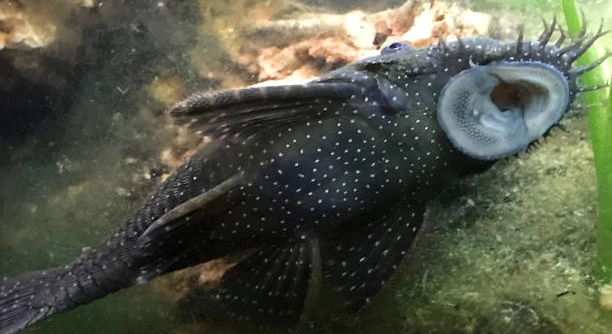
Are your plecos not growing as fast as you expected, leaving you worried about their health and overall development in your aquarium?
The main reason plecos experience stunted growth is due to a combination of environmental stressors, poor diet, and improper tank maintenance. These factors disrupt their natural growth patterns, leading to slower development, weakened immunity, and reduced lifespan.
Understanding these common mistakes will help you create the right conditions for your plecos to thrive and reach their full potential.
Overfeeding and Poor Diet
Feeding plecos too often or giving them the wrong type of food can significantly affect their growth. Many people assume these fish will eat anything, but plecos need a balanced diet rich in plant matter and proteins. Excessive feeding can lead to water pollution, causing ammonia spikes that stress the fish. In contrast, a diet lacking in variety can deprive them of essential nutrients. Algae wafers, blanched vegetables, and occasional protein-based treats like bloodworms or shrimp are ideal for supporting steady growth and strong immune health. Maintaining consistency in feeding and offering nutritional diversity promotes healthy development.
Overfeeding can also cause bloating and digestive issues, which further limit growth. Monitoring feeding habits and adjusting portions based on fish size can prevent these problems while improving tank conditions.
By focusing on quality over quantity, you can create a feeding routine that supports your plecos’ natural growth without overwhelming their environment.
Inadequate Tank Size and Space
Plecos are known to outgrow small tanks faster than expected, often requiring more space than many beginners realize. A cramped environment restricts movement, reduces oxygen levels, and increases waste buildup, leading to slow growth and potential deformities.
When confined to a small tank, plecos struggle to establish territories and perform natural behaviors such as grazing and resting under shaded areas. Limited swimming space can stress them, weakening their immune system and slowing their metabolism. The lack of proper filtration and poor water flow in undersized tanks also prevents waste from dispersing, further compromising health. A tank size of at least 75 gallons is recommended for most species, with adequate hiding spots made from driftwood and rocks. These additions mimic their natural habitat, helping them feel secure and active. Regular water changes, good filtration, and consistent water parameters are essential for sustaining healthy growth and long-term well-being.
Poor Water Quality
Dirty or unstable water conditions can quickly slow a pleco’s growth and damage its overall health. Ammonia, nitrite, and nitrate buildup stress the fish, affecting their appetite, energy, and ability to process nutrients properly.
Regular water testing is essential to maintain a stable and clean environment. Performing partial water changes every week helps remove toxins and replenish essential minerals. Using a strong filter system suitable for the tank size keeps debris under control, while monitoring temperature and pH ensures stability. Plecos prefer slightly acidic to neutral water, ideally between 6.5 and 7.5 pH. Consistent conditions encourage better digestion, stronger immunity, and steady growth. Ignoring water maintenance often leads to algae overgrowth, which may seem harmless but signals poor balance.
A clean, stable tank not only improves growth but also enhances coloration and activity levels, making plecos healthier and more vibrant over time.
Lack of Hiding Spots and Shelter
Plecos are nocturnal and rely on shaded areas and caves to rest and feel secure. Without proper shelter, they become stressed and less active, which affects feeding behavior and growth. Providing natural hiding spaces helps them feel comfortable and maintain a healthy routine.
Decorating the aquarium with driftwood, stones, and cave-like structures mimics their natural habitat and supports their physical and emotional well-being. Driftwood also serves as a food source for many pleco species, offering fiber that aids digestion. When fish feel safe, they eat better and explore more, leading to healthier development. Lighting should be dim or indirect, as bright light can increase anxiety. Creating an environment that respects their natural instincts allows plecos to thrive and express normal behaviors, leading to steady growth, stronger immunity, and longer lifespans in captivity.
Inconsistent Water Temperature
Frequent temperature changes can stress plecos and affect their metabolism. Sudden drops or rises weaken their immune system, making them more prone to infections and slower growth. Consistency is key to keeping them comfortable and maintaining steady development.
Keeping the water between 74°F and 80°F ensures proper digestion and energy balance. Using a reliable aquarium heater and thermometer helps prevent fluctuations. Plecos thrive when temperature remains stable, as constant adjustments can cause stress and reduce appetite. Stable warmth promotes strong, healthy growth and keeps their natural rhythms in balance.
Overcrowded Tank Conditions
When too many fish share the same space, plecos struggle to find territory, food, and clean water. Overcrowding increases waste production, reduces oxygen, and raises stress levels, leading to stunted growth and frequent illnesses.
Ignoring Regular Maintenance
Neglecting regular tank maintenance allows harmful waste and bacteria to build up, creating unsafe conditions. Skipping cleanings or delaying filter changes can affect water clarity, oxygen levels, and overall stability. Consistent upkeep keeps the environment balanced and ensures your plecos stay healthy and continue growing at a natural pace.
FAQ
How fast do plecos grow in captivity?
Plecos generally grow at a steady pace, especially during their first year. Smaller species like bristlenose plecos can reach their adult size of about five inches within a year when cared for properly. Larger species, such as the common pleco, can take two to three years to reach their full length, which can exceed a foot. Growth speed depends heavily on water quality, diet, and tank space. Poor conditions can slow their development, while consistent care encourages steady, healthy growth over time.
What is the ideal diet for promoting pleco growth?
A balanced diet is crucial for maintaining strong, healthy plecos. They thrive on a mix of algae wafers, blanched vegetables such as zucchini, cucumber, and spinach, and occasional protein sources like bloodworms or shrimp. Driftwood is also important for certain species, as it helps digestion and provides natural fiber. Feeding once or twice daily in small amounts ensures proper nutrition without polluting the tank. Consistency in diet supports healthy growth and prevents malnutrition-related issues.
How often should I clean my pleco’s tank?
Tank maintenance should be done regularly to prevent waste buildup and toxin spikes. Partial water changes—about 25% of the tank volume—should be performed weekly. Cleaning filters monthly and removing uneaten food help maintain water quality. Avoid cleaning everything at once, as beneficial bacteria play a vital role in keeping the environment stable. Consistent cleaning routines prevent stress, support faster growth, and keep your plecos active and healthy.
Can poor lighting affect pleco growth?
Yes, lighting plays a small but important role. Plecos prefer low or moderate lighting since bright conditions make them feel exposed. Excessive light can discourage them from coming out to feed, which impacts growth. Maintaining subdued or indirect lighting encourages natural behavior and feeding patterns. Adding shaded areas with plants or driftwood helps reduce light intensity and makes them feel secure, promoting better health overall.
Do plecos need tank mates to grow properly?
Plecos do not rely on other fish for growth, but peaceful tank mates can create a balanced environment. Avoid keeping them with aggressive species that may compete for food or stress them out. Good companions include tetras, mollies, or corydoras. Providing enough space and hiding spots ensures all fish coexist without conflict. Stress-free surroundings directly influence their appetite, immune function, and growth rate.
What happens if plecos outgrow their tank?
When plecos become too large for their tank, their movement becomes restricted, and waste levels increase quickly. Limited swimming space and poor filtration can lead to stunted growth and health issues. Transferring them to a larger tank with stronger filtration and better oxygen circulation restores balance. Adequate room allows for natural activity, which supports healthy growth and longevity.
Can stress slow pleco growth?
Yes, stress is one of the main factors affecting growth. Poor water quality, aggressive tank mates, or frequent disturbances can cause plecos to eat less and become inactive. Long-term stress weakens their immune system and hinders proper development. Minimizing noise, maintaining clean water, and providing shelters reduce stress levels significantly. A calm, stable environment helps them thrive and grow steadily.
Why is my pleco not eating or hiding all the time?
Plecos are nocturnal, so it is natural for them to stay hidden during the day. However, if hiding becomes excessive or feeding stops, it may indicate poor water quality, wrong temperature, or lack of shelter. Testing water parameters and offering fresh food at night can help. Improving tank conditions and ensuring safe hiding spots usually restore normal behavior and appetite.
How long do plecos live with proper care?
With good care, plecos can live for many years. Smaller species often live between 8 to 10 years, while larger ones like common plecos can exceed 15 years in captivity. Consistent maintenance, proper feeding, and spacious environments contribute greatly to their longevity. Healthy, well-kept plecos remain active and vibrant throughout their lives.
Final Thoughts
Caring for plecos requires attention to detail, patience, and consistency. These fish may seem easygoing, but their health and growth depend on stable water conditions, proper nutrition, and a suitable environment. Many problems that cause stunted growth or illness are preventable with regular care and observation. By maintaining a balanced diet, keeping the tank clean, and ensuring enough space, plecos can grow steadily and stay active. They thrive when the water quality remains consistent and their surroundings allow them to feel secure. A healthy environment encourages their natural behaviors, from grazing on algae to resting in shaded areas, giving them the stability they need to reach their full potential.
Plecos are more than just tank cleaners; they are unique, intelligent creatures that bring personality and balance to an aquarium. Understanding their needs goes beyond providing food—it includes respecting their natural habits and maintaining a stable setting. Avoiding overfeeding, overcrowding, and poor maintenance can make a significant difference in their growth. Clean water, consistent temperature, and regular monitoring help prevent stress-related issues. When they feel safe and well cared for, plecos become more active, display richer colors, and interact more freely within their environment. Their growth is a reflection of the care they receive, and creating the right balance ensures they live long, fulfilling lives.
Taking the time to provide proper care not only benefits your plecos but also enhances the overall health of your aquarium. Every adjustment, from feeding routines to tank maintenance, contributes to a more balanced ecosystem. Watching your plecos grow and thrive is rewarding, especially knowing you’ve created a safe and nurturing environment. Consistency is the key to success—sticking to regular cleaning schedules, monitoring water parameters, and offering a varied diet helps them flourish. Small, mindful changes can make a lasting impact, leading to healthier, happier fish. Whether you keep one pleco or several, understanding their needs and maintaining good aquarium habits ensures they continue to grow beautifully and remain an essential part of your aquatic setup. With steady care, your plecos will not only survive but truly thrive for years to come.

Hello,
If you enjoy the content that we create, please consider saying a "Thank You!" by leaving a tip.
Every little bit helps us continue crafting quality advice that supports the health, happiness, and well-being of pets around the world, for pets of all shapes, sizes, and species.
We really appreciate the kindness and support that you show us!