
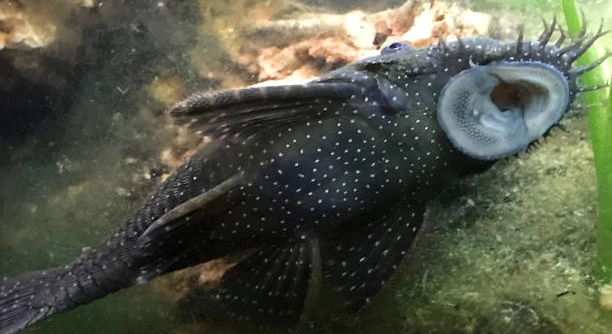
Do you enjoy keeping aquariums but find yourself fascinated by the unique behaviors of your fish? Bristlenose plecos are popular for their algae-eating habits and interesting personalities, making them a favorite among hobbyists and beginners alike.
Bristlenose plecos can be trained to recognize feeding routines and respond to simple cues, although their intelligence is limited compared to other freshwater species. Consistent repetition and positive reinforcement are key factors in achieving predictable behaviors in these fish.
Understanding how bristlenose plecos interact with their environment can improve care and feeding strategies. Learning these patterns allows owners to foster a more engaging and manageable aquarium experience.
Understanding Bristlenose Pleco Behavior
Bristlenose plecos are naturally curious yet cautious fish. They spend most of their time exploring the surfaces of the tank, searching for algae and detritus to eat. These plecos are nocturnal by nature, becoming more active in low light or at night. While they may appear shy during the day, repeated observation can reveal distinct behaviors, such as grazing patterns, hiding preferences, and interactions with tankmates. Recognizing these patterns helps in establishing feeding routines and improving tank management. Plecos also respond to gentle movement and vibrations near their habitat, which can be incorporated into training sessions. Their intelligence allows them to learn simple cues over time, although progress may be gradual. Observing their habits closely and consistently is essential to understanding individual fish behavior and setting realistic expectations. In addition, providing hiding spaces, driftwood, and proper water conditions enhances comfort, encouraging activity and receptiveness to training methods.
Consistency and patience are key when monitoring pleco activity, as each fish develops unique preferences and responses over time.
Tracking pleco behavior daily allows owners to identify the most effective feeding schedules. Using predictable times and gentle cues strengthens their recognition of signals. Gradual repetition ensures they associate specific actions with food or interaction, building simple learned responses. Tank setup and environmental stability also influence their engagement, making proper care crucial.
Training Techniques for Bristlenose Plecos
Training plecos requires small, repeatable steps and a calm approach. Avoid sudden changes in lighting or movements during sessions.
Positive reinforcement, primarily through food rewards, is effective for shaping simple behaviors in bristlenose plecos. Start with predictable feeding times, presenting food in the same location while using subtle visual or tactile cues. Over time, plecos begin associating these cues with feeding, learning to respond with movement toward the stimulus. Introducing a consistent, gentle signal such as tapping the tank or lightly moving a feeding stick can reinforce desired actions. Sessions should remain short to prevent stress, and repetition is critical for long-term recognition. Tracking responses and gradually increasing complexity can help refine behaviors, such as following a finger or recognizing specific feeding zones. Environmental stability, including water quality, tank layout, and compatible tankmates, plays a significant role in receptiveness to training.
When practiced carefully, these techniques foster more interactive and manageable plecos, improving both observation opportunities and tank care efficiency. Over time, fish may reliably respond to cues, making daily routines smoother and feeding times more predictable. Consistency, gentle reinforcement, and attentiveness to individual personalities ensure training success without compromising fish health or comfort.
Feeding and Reinforcement
Using food as a reward is the most effective way to reinforce behaviors in bristlenose plecos. Small portions given immediately after a desired action help them associate the cue with a positive outcome. Consistency is critical to success.
Plecos respond best to algae wafers, vegetables, or small pieces of sinking food during training. Offering these rewards at regular intervals encourages recognition of cues, whether it’s tapping the tank or approaching a specific area. Avoid overfeeding, as it can lead to health issues. Gradually, the fish learns that certain behaviors bring a reward, strengthening the bond between routine and action. Short, frequent sessions are more effective than long, irregular ones.
It is important to observe each fish’s preferences and pace. Some plecos may respond quickly, while others need repeated exposure. Patience ensures progress without stressing the fish. Using a variety of foods can maintain interest and motivation, keeping training engaging and productive. Rewards should remain small but consistent to avoid disrupting diet balance and water quality, ensuring the fish remains healthy and responsive over time.
Environmental Considerations
Tank setup significantly affects pleco training success. Hiding spaces, smooth surfaces, and clean water promote comfort and activity, which improves responsiveness.
Stable water parameters, proper temperature, and low-stress conditions are essential for behavior reinforcement. Plecos are sensitive to sudden changes, so maintaining a predictable environment helps them feel secure during training sessions. Substrate choice, placement of decorations, and lighting influence movement patterns. Ensuring adequate space allows them to explore and recognize cues without interference. A well-maintained tank reduces stress-related behaviors, such as hiding or inactivity, which can hinder training progress. Monitoring water quality and adjusting routines when needed helps maintain both health and receptiveness.
Environmental enrichment, like driftwood or smooth rocks, encourages natural behaviors that can be incorporated into training. Using visual markers or consistent feeding locations within the tank helps plecos associate cues with specific areas. Regularly observing interactions with tankmates and rearranging spaces minimally supports comfort and focus. By combining proper care with structured reinforcement, plecos become more predictable in behavior, improving both training outcomes and overall aquarium enjoyment.
Signs of Learning
Bristlenose plecos show learning through repeated behaviors like approaching feeding areas or following subtle cues. These signs indicate they recognize patterns and respond consistently to reinforcement. Observing these responses helps track progress.
Patience is important, as some plecos may take longer to exhibit learned behaviors. Consistent repetition ensures they understand the association between action and reward.
Common Challenges
Plecos can be slow to respond due to stress, illness, or environmental changes. Inconsistent cues or irregular feeding schedules can confuse them and delay learning progress. Maintaining a stable routine and observing behavior closely helps minimize these issues.
Tracking Progress
Recording responses to cues over time allows owners to measure improvement. Small changes in behavior indicate that training is working and helps adjust methods as needed.
Maintaining Engagement
Keep sessions short and rewards appealing to ensure plecos remain motivated. Frequent, gentle interaction supports continued learning without causing stress.
FAQ
Can bristlenose plecos recognize their owners?
Bristlenose plecos do not recognize people in the same way mammals do, but they can become familiar with routine movements and feeding patterns. Over time, they may respond to the approach of someone who regularly feeds them or interacts gently with the tank.
How long does it take to train a bristlenose pleco?
Training varies depending on the individual fish and consistency of the sessions. Some plecos respond in a few weeks, while others may take several months. Short, daily sessions with immediate rewards tend to produce faster results compared to sporadic or lengthy attempts.
What is the best food for training?
Algae wafers, zucchini slices, cucumber, or small pieces of sinking pellets work well. The key is to use something the pleco enjoys and provide it immediately after the desired behavior. Avoid overfeeding, as it can affect water quality and overall health.
Can bristlenose plecos learn tricks like other fish?
They can learn simple behaviors, such as following a finger, coming to a feeding spot, or recognizing specific cues, but they are not capable of complex tricks. Their intelligence supports basic recognition and routine response rather than advanced problem-solving.
How often should training sessions be done?
Short, frequent sessions are best. Sessions of five to ten minutes daily are more effective than long, irregular attempts. Consistency reinforces the association between cues and rewards, allowing the pleco to learn reliably.
What environmental factors affect training success?
Stable water conditions, adequate hiding spaces, and low-stress surroundings are crucial. Plecos are sensitive to sudden changes, which can make them withdraw or become inactive, slowing training progress. Proper tank layout and regular maintenance improve engagement.
Is it necessary to train a pleco?
Training is not required for their health, but it can improve interaction and make feeding easier. Recognizing cues helps manage tank routines and adds enrichment to the fish’s environment. Training also provides observation opportunities for understanding behavior.
Can multiple plecos be trained together?
Yes, but progress may vary. Some plecos may dominate food access, while others remain shy. Individual attention during sessions can ensure all fish understand cues. Adjusting food placement or conducting separate sessions helps maintain fairness.
How do I know if my pleco is stressed?
Signs include hiding excessively, loss of appetite, erratic swimming, or rubbing against surfaces. Stress can reduce responsiveness to training. Maintaining consistent conditions and gentle interaction helps reduce anxiety and supports learning.
What should I avoid during training?
Avoid sudden movements, overfeeding, or long sessions. Inconsistent cues confuse plecos, and drastic tank changes can make them withdraw. Patience and gradual repetition are essential for successful reinforcement.
Can training improve pleco health?
Indirectly, yes. Regular interaction allows monitoring of behavior, appetite, and physical condition. Recognizing changes early helps prevent illness, and consistent feeding supports proper nutrition, both of which contribute to overall wellbeing.
Are plecos smarter than other freshwater fish?
Bristlenose plecos have moderate intelligence. They can learn routines and respond to cues but are less capable of complex behaviors than cichlids or some catfish species. Their learning potential is sufficient for basic interaction and feeding recognition.
What is the most common mistake owners make?
Inconsistent training and irregular feeding schedules are the main mistakes. Skipping sessions or changing cues frequently can confuse plecos, slowing learning. Maintaining consistency and using preferred foods increases chances of success.
Can plecos be trained without food?
Food is the primary motivator for plecos. Non-food-based reinforcement is generally ineffective, as they respond mainly to predictable routines that provide nutrition or comfort. Using visual or tactile cues without food rarely produces reliable results.
How do I keep training interesting for my pleco?
Varying food types, providing small environmental changes, and keeping sessions brief maintain interest. Avoid repetition that feels monotonous, and always ensure the pleco remains comfortable and unstressed during the process.
Is it okay if my pleco only learns slowly?
Yes, each pleco has its own pace. Slow learners can still develop recognition of feeding cues over time. Patience and gentle reinforcement ensure that even hesitant fish eventually respond consistently.
Can training reduce aggression in plecos?
Training itself does not change natural aggression, but predictable routines and feeding schedules can reduce stress-related confrontations. Providing enough space and hiding spots is more effective in managing territorial behavior.
Should I keep a training log?
Tracking responses, cues, and rewards helps measure progress and adjust methods. Logs also allow owners to notice subtle changes in behavior, health, and responsiveness that may not be immediately obvious during daily observation.
Are there limits to what plecos can learn?
Yes, plecos are limited to simple cue recognition and routine response. They are not capable of complex tricks, problem-solving, or long-term memory like some other species. Training should focus on achievable behaviors for consistent success.
Can pleco training improve tank management?
Yes, trained plecos responding to cues or feeding locations make tank routines easier. Owners can feed efficiently, monitor health, and minimize stress, resulting in a smoother and more predictable aquarium environment.
How do I handle multiple plecos with different learning speeds?
Focus on one at a time if possible. Separate sessions or staggered feeding reduces competition. Observing individual progress allows each fish to respond at its own pace without causing stress or confusion for others.
What is the best cue to use?
Simple, consistent signals work best, such as tapping the tank lightly, moving a feeding stick, or approaching the same area at feeding time. The key is reliability and repetition to build recognition.
Does pleco age affect learning?
Younger plecos tend to adapt faster, while older fish may take longer to recognize cues. Regardless of age, patience and consistent reinforcement can produce measurable responses in all adult plecos.
Can plecos forget trained behaviors?
Yes, lack of reinforcement or long breaks can cause behaviors to fade. Regular practice ensures cues remain effective and the fish continues to respond reliably.
Is training stressful for plecos?
When done properly with short sessions and gentle cues, training is low stress. Avoid forcing interactions, overfeeding, or creating sudden changes, which can cause anxiety and reduce engagement.
How do I motivate a shy pleco?
Use small rewards and approach slowly. Maintaining a calm environment and predictable schedule encourages participation. Repetition over time helps shy plecos feel secure enough to respond consistently.
Can plecos learn to interact with other species during training?
They may recognize cues while other species are present, but interactions are limited to feeding behaviors. Plecos generally focus on their own routines rather than actively learning from other fish.
Are there signs my training is working?
Responses such as approaching the feeding area on cue, recognizing signals, or moving predictably show progress. Small, consistent behaviors indicate learning even if changes are subtle.
Should I adjust training for different tank sizes?
Yes, larger tanks may require more visible or repeated cues, while smaller tanks allow quicker recognition. Adjust placement, timing, and signal intensity to suit the environment and ensure consistency.
Can training help with algae control?
Indirectly, yes. Trained plecos that respond to feeding cues will graze consistently, reducing excess algae in predictable areas. Combining feeding and environmental maintenance ensures more effective tank management.
How long should a training session last?
Five to ten minutes is ideal. Longer sessions risk fatigue or stress. Short, frequent intervals maintain attention and motivation while allowing gradual learning without causing harm.
Are all plecos equally trainable?
No, individual personality affects responsiveness. Some are naturally curious and quick learners, while others are shy and cautious. Adjusting expectations and techniques for each fish ensures the best results.
Can plecos learn from visual cues alone?
They respond best to a combination of visual and food-based cues. Visual signals without a reward rarely create reliable behavior, as motivation is primarily tied to food or routine reinforcement.
What is the final takeaway for training plecos?
Consistency, patience, and proper rewards are essential. Focus on achievable behaviors, maintain stable conditions, and observe each fish individually to ensure success in reinforcing simple routines and cues.
Bristlenose plecos are fascinating fish to care for, and training them can be a rewarding experience. While they may not learn complex tricks like some other species, they are capable of recognizing simple cues and routines. Observing their natural behavior closely is the first step in understanding how they interact with their environment. By paying attention to their grazing patterns, hiding spots, and responses to feeding, owners can identify the best ways to encourage predictable behaviors. Patience is essential, as progress is often gradual. Some plecos respond quickly, while others need consistent repetition over weeks or months. Providing a calm and stable environment helps the fish feel secure, which increases their willingness to engage with training efforts. Even small improvements, like responding to a feeding signal or moving to a specific area, show that the fish is learning.
Using food as a reward is the most effective method for training bristlenose plecos. Algae wafers, vegetables, or small sinking pellets serve as incentives, reinforcing the association between a cue and a positive outcome. Short, frequent sessions work better than long, irregular attempts, as consistency helps the fish recognize patterns more clearly. It is important to avoid overfeeding, which can cause health problems or affect water quality. Observing individual preferences is equally important, as each fish has unique motivations. Some may respond readily to certain foods, while others need a variety to remain interested. By keeping sessions brief and maintaining a predictable routine, owners can foster a sense of familiarity and trust with their plecos. These small steps contribute to a healthier, more responsive aquarium environment overall.
Environmental factors play a crucial role in the success of training. Clean water, proper temperature, and low-stress conditions encourage activity and improve responsiveness to cues. Providing hiding spots and decorations allows plecos to explore safely, which also supports learning. Predictable lighting and feeding schedules help reinforce routine behaviors. Monitoring the fish for signs of stress, illness, or disinterest ensures that training remains beneficial rather than harmful. Even subtle changes, like repositioning driftwood or adjusting feeding locations, can affect engagement and motivation. By combining consistent reinforcement with careful observation and proper care, owners can improve both the behavior and well-being of their bristlenose plecos. Over time, this approach not only makes feeding and tank management easier but also provides a more interactive and enriching experience for both the fish and their caretaker.

Hello,
If you enjoy the content that we create, please consider saying a "Thank You!" by leaving a tip.
Every little bit helps us continue crafting quality advice that supports the health, happiness, and well-being of pets around the world, for pets of all shapes, sizes, and species.
We really appreciate the kindness and support that you show us!