
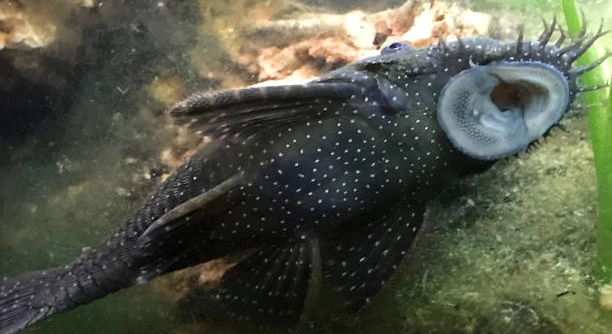
Are your plecos showing signs of tension or unusual behavior in the tank? Many fish owners encounter shifts in temperament, and understanding these changes early can help maintain a peaceful and healthy aquarium environment.
Aggressive behavior in plecos often manifests through territorial displays, fin nipping, chasing, and sudden defensive postures. Monitoring these signs is crucial, as aggression can impact both the pleco’s well-being and the overall harmony of the aquarium ecosystem.
Identifying these behaviors early can prevent serious conflicts and ensure your plecos thrive in a calm and balanced environment. Observing patterns closely will provide clarity on what triggers their aggression.
Increased Territorial Behavior
When plecos start becoming aggressive, one of the most noticeable signs is heightened territorial behavior. They may claim certain areas of the tank and chase other fish away from hiding spots, decorations, or feeding zones. This behavior often emerges when tank space is limited or when new tankmates are introduced. Territorial disputes can escalate quickly, especially if there are multiple plecos in the same aquarium. Watching how your pleco interacts with others during feeding or while resting is important. Some plecos are naturally more defensive and will stake out their favorite caves or plants as their own. Over time, if these behaviors persist, they can cause stress in other fish and lead to injuries. Providing ample hiding places, rearranging decorations, and ensuring sufficient space can help reduce the intensity of these territorial disputes, promoting a calmer tank environment for all inhabitants.
Recognizing and addressing territorial behavior early is essential to maintaining harmony in your aquarium.
Keeping track of when and where your pleco exhibits territorial actions will help identify triggers. Consistent observation allows you to adjust tank setup and reduce conflict, ensuring all fish have their own safe spaces and preventing aggressive encounters before they escalate further.
Fin Nipping and Aggressive Chasing
Fin nipping is a clear sign of a pleco becoming aggressive.
Plecos may nip at the fins or tails of other fish during feeding times or when asserting dominance. This behavior can result in torn fins and stress for other tank residents. It often occurs when the tank is overcrowded or when there are insufficient hiding spots. Observing feeding routines and tank interactions can help you notice patterns. Sometimes, nipping is linked to competition for food, especially if your pleco feels it needs to defend its share. Addressing these behaviors involves both environmental adjustments and careful observation. Adding more plants, driftwood, or caves can provide personal spaces and reduce confrontation. You may also need to rearrange decorations periodically to prevent your pleco from becoming too attached to a single territory. Feeding smaller portions across multiple locations can minimize competition and reduce aggressive chasing. Monitoring behavior consistently ensures that aggression does not escalate, protecting the health and well-being of all fish in the tank.
Hiding and Ambushing Behavior
Hiding more than usual can indicate aggression. Plecos may lurk in caves or behind decorations, waiting to ambush other fish that come too close.
This behavior often reflects territorial instincts or stress. Aggressive plecos may spend long periods concealed, only emerging to chase or nip at other tankmates. Watching where and when your pleco hides can reveal patterns. Some fish may become stressed if their space is constantly invaded, prompting the pleco to assert dominance through ambush tactics. Rearranging hiding spots and providing multiple shelters can reduce tension and allow all fish to feel secure without constant confrontation.
Hiding and ambushing can be subtle at first. Monitoring these patterns over time helps determine if aggression is increasing and whether adjustments to tank layout or population density are needed to maintain balance and prevent injuries.
Overfeeding and Food Guarding
Plecos guarding food may show aggression toward other fish trying to eat at the same time.
Food guarding is common when plecos feel competition for resources. Aggressive plecos may chase, nip, or block access to food, leading to stress and potential injury in other tank inhabitants. Observing feeding behavior closely helps identify which fish are most affected. Feeding in multiple locations or adjusting portion sizes can minimize aggressive encounters and distribute food more evenly. Maintaining a structured feeding routine reduces tension and allows all fish to access nourishment safely, creating a calmer feeding environment overall.
Overfeeding can also exacerbate aggression. When excess food is present, plecos may become territorial over specific areas where food settles. Removing uneaten portions promptly and spreading food across the tank discourages dominance behavior. Pairing these adjustments with adequate hiding spaces ensures that all fish can feed without confrontation, reducing stress and promoting healthier social interactions in the aquarium.
Sudden Changes in Behavior
Sudden changes in your pleco’s behavior can indicate rising aggression. A previously calm fish may start chasing others or defending territory more intensely.
These shifts often result from stress, overcrowding, or changes in tank conditions. Monitoring water quality, tankmates, and environment is essential to identify causes and address them quickly.
Damaged Fins or Scales
Damaged fins or scales are a physical sign of aggression. Continuous chasing or nipping leads to visible injuries on both the pleco and other fish. Regularly inspecting your pleco helps track any worsening aggression and prevents health issues from developing further.
Excessive Movement at Night
Plecos normally move mostly at night. Excessive nighttime activity can indicate agitation or aggression.
Observing your pleco’s nocturnal patterns allows you to identify stressors or conflicts in the tank. Adjusting tank layout, providing hiding spaces, and checking water conditions can calm restless plecos and reduce aggressive nighttime behavior.
FAQ
How can I tell if my pleco is aggressive or just playful?
Aggression in plecos is typically consistent and targeted, while playful behavior is brief and does not cause harm. Aggressive plecos chase, nip, or guard territory repeatedly. Playful actions usually involve brief exploration or interacting with tank decorations without stressing other fish. Observing patterns over time helps distinguish between normal activity and aggression.
What tank conditions increase aggression in plecos?
Limited space, poor water quality, overcrowding, and lack of hiding spots are common triggers. Plecos can become defensive when stressed or competing for food. Maintaining clean water, sufficient space, and multiple shelters reduces tension. Regularly checking parameters like temperature, pH, and ammonia levels also helps prevent aggressive behavior from escalating.
Can aggression in plecos be managed without removing them from the tank?
Yes. Providing additional hiding spaces, rearranging decorations, and creating multiple feeding areas can reduce confrontations. Dividing territories with rocks or driftwood helps plecos feel secure. Adjusting the number of tankmates and ensuring adequate space can prevent prolonged stress and lower aggressive tendencies. Observation and timely interventions are key.
Is aggression more common in certain pleco species?
Some species, like common plecos or larger carnivorous types, are naturally more territorial. Smaller species may display milder aggression but can still become defensive. Understanding the species’ behavior and social tendencies helps manage aggression effectively. Researching species-specific requirements ensures compatible tank setups and reduces conflict.
How can I prevent injuries from an aggressive pleco?
Providing multiple hiding spots and arranging decorations to break line-of-sight between tankmates reduces chases. Feeding food in several locations lowers competition. In severe cases, separating the aggressive pleco temporarily or permanently may be necessary. Regular health checks ensure that injured fish receive proper care promptly.
Does diet affect pleco aggression?
Yes. A poorly balanced diet can increase competition and defensive behavior. Feeding a variety of foods such as algae wafers, vegetables, and occasional protein sources keeps plecos satisfied. Ensuring enough food reaches all fish reduces the likelihood of aggressive food-guarding behavior. Observing feeding habits helps adjust portions and placement for harmony.
Are there signs that aggression is due to illness rather than natural behavior?
Sudden aggression accompanied by lethargy, discoloration, or loss of appetite may indicate illness. Infections, parasites, or injury can trigger defensive behaviors. Monitoring overall health and water conditions is essential. Consulting a veterinarian or experienced aquarist can provide guidance if illness is suspected.
Can plecos calm down as they age?
In some cases, older plecos become less territorial and aggressive once they establish their preferred spaces. However, environmental stressors can continue to trigger aggression regardless of age. Maintaining stable conditions and adequate shelter supports calmer behavior over time.
What role does tank size play in pleco aggression?
A tank that is too small increases stress and territorial disputes. Larger tanks allow for personal space, multiple hiding spots, and separate feeding areas. Proper tank size tailored to species and number of fish significantly reduces aggressive encounters. Consistently reviewing tank layout ensures long-term harmony.
Should aggressive plecos be moved to a separate tank?
If aggression persists despite adjustments, moving the pleco to a dedicated tank may be necessary. This prevents injury to other fish and allows the pleco to thrive without conflict. Temporary separation can also provide insight into whether aggression is situational or inherent.
How do I reintroduce a pleco after separation?
Ensure the tank has multiple hiding spots and ample space. Monitor interactions closely for signs of renewed aggression. Gradually reintroduce during feeding times to reduce stress. Observing behavior over several days helps confirm whether coexistence is possible.
Can aggressive behavior affect other fish long-term?
Yes. Chronic stress from aggressive tankmates can lead to illness, reduced appetite, or stunted growth in other fish. Addressing aggression early is essential to maintain the health and well-being of all aquarium inhabitants. Prevention and careful management are key strategies.
Are there environmental cues that trigger aggression during the night?
Plecos are nocturnal, and changes in lighting, sudden movement near the tank, or disturbances during night hours can trigger defensive or territorial behavior. Keeping a stable light schedule and minimizing nighttime interference helps reduce agitation and aggressive nighttime activity.
Is it possible to rehabilitate an aggressive pleco?
In many cases, modifying the tank environment, adjusting feeding routines, and providing proper hiding spaces can reduce aggression. Consistent observation and adjustments based on behavior patterns are necessary. While some plecos remain naturally territorial, careful management can improve overall harmony in the aquarium.
How often should I monitor my pleco for signs of aggression?
Daily observation, especially during feeding and active periods, helps identify early signs of aggression. Noting patterns over time allows for timely interventions. Checking for injuries, territorial disputes, and stress behaviors ensures the pleco and other tankmates remain healthy.
Can tank decorations influence pleco aggression?
Yes. Hiding spaces, caves, and driftwood help reduce disputes by allowing plecos to claim territories and feel secure. Lack of decorations can lead to constant confrontations. Rearranging tank items periodically can prevent over-attachment to a single territory and minimize aggression.
Do plecos become aggressive toward new tankmates?
New introductions often trigger territorial behavior. Plecos may chase or nip at newcomers to assert dominance. Gradual introductions, adequate space, and multiple hiding areas can ease tension and improve compatibility. Monitoring interactions during the first days is essential to prevent injuries.
Are male plecos more aggressive than females?
Males often display stronger territorial tendencies, especially when breeding or protecting favored areas. Female plecos may also show aggression but usually less intensely. Understanding gender differences helps anticipate behavior and plan tank setups to reduce conflicts.
What is the best approach if aggression escalates despite all adjustments?
Severe aggression may require separating the pleco permanently or rehoming it. Ensuring safety for other fish takes priority. Observing behavior carefully before and after separation provides insight into the pleco’s temperament and prevents ongoing stress or injury in the tank.
Final Thoughts
Observing plecos in your aquarium closely is the most effective way to understand their behavior. Aggression can appear in subtle ways, such as guarding food, chasing other fish, or claiming certain areas of the tank. These behaviors often signal stress, territorial instincts, or competition for resources. Addressing these issues early can prevent injuries and maintain a balanced environment. Adjustments like adding hiding spots, spreading food across multiple areas, and rearranging decorations can make a significant difference. A calm, structured tank encourages healthier interactions between your pleco and its tankmates, allowing all fish to coexist peacefully. Being consistent with observation and care helps catch early signs of aggression before they escalate, making your aquarium a safer and more enjoyable space.
Understanding the causes of aggression is also important. Limited tank space, overcrowding, sudden changes in water conditions, or introducing new fish can trigger defensive or territorial behavior. Some pleco species are naturally more prone to aggression due to size or personality, while others may act aggressively only under stress. Monitoring water parameters like temperature, pH, ammonia, and nitrate levels ensures a stable environment and reduces the likelihood of stress-induced aggression. Ensuring each fish has enough personal space and access to food prevents conflicts and supports overall health. By learning how your pleco behaves in different situations, you can take proactive steps to reduce tension and create a more peaceful tank.
It is important to remember that some level of aggression is normal in plecos, especially when establishing territories or interacting with other fish. The goal is not to eliminate all aggressive behavior but to manage it effectively. Regular monitoring, providing adequate shelter, and ensuring proper feeding practices all contribute to reducing harmful encounters. If aggression persists despite adjustments, temporary or permanent separation of the aggressive pleco may be necessary to protect other tank residents. Overall, understanding, observation, and timely intervention are key to maintaining harmony in the aquarium. With careful attention and thoughtful management, plecos can thrive alongside other fish while minimizing aggressive behaviors and promoting a healthy, balanced tank environment.

Hello,
If you enjoy the content that we create, please consider saying a "Thank You!" by leaving a tip.
Every little bit helps us continue crafting quality advice that supports the health, happiness, and well-being of pets around the world, for pets of all shapes, sizes, and species.
We really appreciate the kindness and support that you show us!