
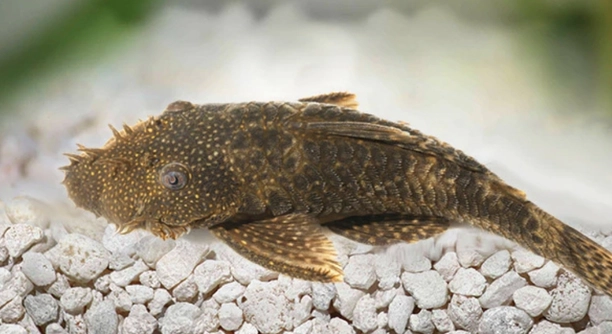
Are your pleco tanks turning murky and leaving your fishless visible beneath cloudy water? Maintaining clear water can be challenging, especially with algae growth, leftover food, and varying water conditions. Understanding common causes is essential for healthier tanks.
Cloudy water in pleco tanks typically results from excess organic matter, overfeeding, poor filtration, bacterial blooms, improper substrate maintenance, chemical imbalances, or new tank setups. Identifying and addressing these factors ensures clearer water and a healthier aquatic environment.
By recognizing these common causes, you can take proper measures to improve water clarity and support your pleco’s well-being over time. Small adjustments often lead to noticeable improvements in tank health.
Overfeeding Your Pleco
Overfeeding is one of the most common reasons for cloudy water in pleco tanks. When too much food is added, the uneaten portion quickly decays, releasing particles and nutrients that cloud the water. Plecos are not fast eaters, so food often sits at the bottom, promoting bacterial growth. Even small daily overfeeding can accumulate waste, overwhelming the tank’s filtration system. This can lead to cloudy water, foul odors, and unhealthy conditions for your fish. It is important to measure portions carefully and remove any leftovers promptly. Feeding your pleco once or twice a day in controlled amounts prevents water from becoming murky. Adjust feeding based on the number of fish and tank size. Observation is key; if the pleco finishes food quickly, small increments are sufficient. A clean feeding routine contributes greatly to water clarity and the overall health of the tank ecosystem.
Monitoring portion sizes and removing uneaten food can quickly reduce water cloudiness and improve overall tank conditions.
Establishing a feeding schedule helps maintain balance. Overfeeding not only clouds the water but can also increase ammonia and nitrate levels, stressing your pleco. Maintaining a consistent routine, using the right portion sizes, and observing your fish closely ensures a stable environment. Filtration and partial water changes work best when feeding is managed properly, keeping the tank clean and safe.
Poor Filtration
Inadequate filtration can cause persistent cloudiness in pleco tanks.
A filter that is too small or poorly maintained will fail to remove debris, uneaten food, and waste efficiently. Mechanical filtration captures particles, while biological filtration processes harmful ammonia and nitrites. Without proper filtration, these substances accumulate, causing water to appear cloudy and increasing the risk of stress or disease for plecos. Regularly cleaning or replacing filter media ensures optimal performance. Additionally, matching the filter’s capacity to tank size is crucial; an undersized filter cannot handle the bioload, especially in tanks with multiple fish. Even high-quality filters require maintenance. Rinsing filter pads, sponges, and cartridges in dechlorinated water prevents buildup and preserves beneficial bacteria. Combining filtration with routine partial water changes improves clarity and supports a stable environment. A clean filter promotes consistent water quality, allowing your pleco to thrive while keeping the tank visually clear. Consistency in both maintenance and monitoring is key to avoiding prolonged murkiness.
Bacterial Bloom
Bacterial bloom occurs when beneficial bacteria rapidly multiply, causing cloudy water. It is common in new tanks or after cleaning. This temporary cloudiness can clear once the bacterial population stabilizes and water conditions normalize.
Bacterial blooms are often triggered by excess nutrients in the water, such as leftover food or decaying plant matter. When ammonia and nitrite levels rise, bacteria reproduce quickly to process these compounds, which temporarily clouds the water. This is a natural response of the tank’s ecosystem but can appear alarming. Monitoring water parameters and maintaining proper feeding habits help prevent extreme blooms. Patience is essential, as the bloom usually subsides once the bacterial balance is restored. Overcleaning the tank or filter can worsen the issue, as it removes the bacteria needed for stability. Understanding this process allows for better long-term tank management.
Proper filtration and routine partial water changes support bacterial balance. Avoid drastic cleaning, and allow the ecosystem to stabilize gradually for clear water.
Improper Substrate Maintenance
Uneaten food, fish waste, and debris often settle into the substrate, causing murky water if not cleaned regularly. Plecos stir the substrate, which can resuspend particles and cloud the tank.
Neglecting substrate maintenance allows waste to accumulate, feeding bacteria and algae that contribute to water cloudiness. Gravel, sand, or other substrate types trap organic matter, which decomposes over time. Using a siphon during water changes removes trapped debris, preventing excessive buildup. Vacuuming the substrate ensures that hidden waste does not degrade water quality. Substrate maintenance is especially important in tanks with bottom-dwelling plecos, as their activity can stir settled particles into the water column. Regular cleaning prevents prolonged cloudiness and keeps ammonia and nitrate levels stable. Pairing proper substrate care with filtration and controlled feeding improves water clarity significantly.
Maintaining substrate cleanliness and monitoring accumulation prevents prolonged murkiness, promoting a healthier environment for your pleco.
Algae Overgrowth
Algae can grow quickly in pleco tanks with excess light or nutrients, leading to green or cloudy water. Controlling light exposure and limiting excess food helps prevent rapid algae buildup.
Regular tank maintenance, including scraping surfaces and cleaning decorations, reduces algae accumulation. Algae-eating plecos contribute but cannot fully prevent growth.
Chemical Imbalance
Imbalances in pH, hardness, or ammonia levels can cloud water and stress plecos. Regular testing helps maintain stable conditions and prevents sudden shifts in water chemistry.
New Tank Syndrome
Newly established tanks often experience cloudy water due to developing bacterial colonies and untreated substrate. This phase is temporary and resolves as the ecosystem stabilizes naturally.
Decaying Plant Matter
Dead or rotting plants release organic compounds that cloud the water. Removing decaying material promptly helps maintain clarity and prevents excessive bacterial growth.
FAQ
Why is my pleco tank water cloudy even though I feed them properly?
Even with careful feeding, cloudy water can occur due to bacterial blooms, inadequate filtration, or leftover debris in the substrate. Plecos stir the tank bottom, which can resuspend particles. Regular partial water changes and proper filter maintenance are crucial to maintain clear water.
How often should I clean my pleco tank to prevent cloudiness?
Cleaning frequency depends on tank size, number of fish, and filtration efficiency. Generally, a 20–30% water change weekly helps maintain clarity. Substrate vacuuming and filter maintenance every 2–4 weeks prevent waste buildup that contributes to cloudy water.
Can over-cleaning my tank cause cloudy water?
Yes. Removing too much beneficial bacteria during cleaning can trigger bacterial blooms, which temporarily cloud the water. Avoid using untreated tap water to rinse filter media and substrate, as this kills helpful bacteria needed for stability.
Are plecos prone to causing cloudy water?
Yes, plecos are bottom dwellers that stir up substrate while foraging. Their movements resuspend debris, which can cloud water. Proper substrate maintenance and partial water changes help minimize this effect.
Does the type of substrate affect water clarity?
Certain substrates, like fine sand, can release particles into the water more easily than gravel. Organic substrates may also retain decaying matter. Using a siphon during water changes helps remove trapped debris and keeps water clear.
Can algae cause long-term cloudiness?
Algae growth, fueled by excess light or nutrients, can turn water green or hazy. Plecos eat some algae, but controlling light exposure and nutrient levels is essential for long-term clarity. Regular scraping of tank surfaces and decorations helps prevent buildup.
How do water parameters influence cloudiness?
Imbalanced pH, hardness, ammonia, nitrite, or nitrate levels can promote bacterial growth or stress fish, which may increase waste production. Testing water regularly ensures stable conditions, which reduces the risk of persistent cloudiness.
Is cloudy water dangerous for plecos?
Cloudy water itself is not directly harmful, but it often signals underlying issues like excess waste, bacteria, or chemical imbalances. These factors can stress plecos and lead to health problems if not addressed promptly.
Will new tanks always have cloudy water?
Yes, new tank syndrome is common. Establishing beneficial bacteria to process waste takes time, which often causes temporary cloudiness. Regular monitoring, patience, and gradual introduction of fish help the tank stabilize.
How can I prevent cloudy water long-term?
Preventing cloudiness requires a combination of controlled feeding, regular water changes, proper filtration, substrate cleaning, and monitoring of water parameters. Balancing these elements creates a stable environment that supports clear water and healthy plecos.
Can additives help clear cloudy water?
Water conditioners or clarifiers may temporarily improve clarity by causing particles to clump and settle. However, they do not solve the root cause. Addressing overfeeding, filtration, substrate maintenance, and chemical balance is necessary for lasting results.
Do plecos’ waste levels affect water clarity differently than other fish?
Yes, plecos produce significant waste due to their size and feeding habits. Their excrement contributes to organic buildup, especially in the substrate. Regular cleaning and strong filtration are important to manage this naturally occurring waste.
How do I know if the cloudy water is bacterial or due to debris?
Bacterial blooms often create a uniform milky cloud, especially in new tanks. Debris-related cloudiness appears as floating particles, often near the bottom or after disturbance. Observing the water and noting recent cleaning or feeding events helps determine the cause.
Is it necessary to remove all uneaten food immediately?
Yes, leftover food decomposes and promotes bacterial growth, clouding the water. Removing it promptly reduces excess nutrients, improves water quality, and prevents harmful ammonia spikes, ensuring a healthier environment for your pleco.
Can overstocking my tank lead to cloudy water?
Yes, too many fish increase waste and nutrient load, overwhelming filtration and substrate absorption. This often leads to persistent cloudiness, higher ammonia levels, and stress. Maintaining appropriate stocking levels is critical for water clarity and pleco health.
How long does it take for cloudy water to clear?
The timeframe depends on the cause. Bacterial blooms usually settle in a few days once conditions stabilize. Debris-related cloudiness clears after water changes and substrate cleaning. Persistent issues may take longer, requiring adjustments in feeding, filtration, or maintenance routines.
Is cloudy water a sign of poor fish health?
Not directly, but it can indicate stressors like excess waste, improper filtration, or chemical imbalances. Cloudy water should prompt inspection of tank conditions, as prolonged exposure to poor water quality can affect pleco health.
Are there fish-safe methods to speed up water clearing?
Partial water changes, substrate vacuuming, careful feeding, and cleaning filter media without killing beneficial bacteria are effective methods. These practices improve clarity without introducing chemicals that could harm plecos.
Can plants help reduce cloudy water?
Yes, live plants absorb excess nutrients, compete with algae, and provide surfaces for beneficial bacteria. Healthy plant growth can naturally reduce particles and improve overall water clarity over time.
Should I test water more frequently if it turns cloudy?
Yes, frequent testing of ammonia, nitrite, nitrate, and pH levels helps identify underlying issues causing cloudiness. Monitoring these parameters allows for timely interventions, preventing long-term problems and supporting pleco health.
Final Thoughts
Maintaining clear water in a pleco tank requires consistent care and attention. Cloudy water is rarely caused by a single factor; it usually results from a combination of overfeeding, inadequate filtration, substrate buildup, and natural bacterial activity. Plecos, as bottom-dwelling fish, contribute to the problem because they constantly stir the substrate while foraging. Uneaten food, decaying plants, and fish waste can settle at the bottom and release particles into the water. Over time, these particles accumulate, making the tank appear murky. Even small amounts of leftover food can lead to cloudiness if not removed promptly. Following a regular cleaning schedule, monitoring feeding amounts, and observing how your pleco interacts with the tank can prevent minor issues from becoming major problems. Small, consistent actions are more effective than occasional deep cleanings, which can disrupt the balance of beneficial bacteria that keep the tank healthy.
Water quality is closely tied to filtration and chemical balance. Filters not only remove visible debris but also support beneficial bacteria that process waste, reducing ammonia and nitrite levels. A poorly maintained or undersized filter can quickly become overwhelmed, leading to persistent cloudiness. Checking and cleaning filter media regularly, without using untreated tap water that can kill bacteria, ensures the filter functions effectively. Water parameters such as pH, hardness, and nutrient levels also affect clarity. Imbalances create conditions favorable for bacterial blooms or algae growth, which contribute to cloudy water. Regular testing allows you to identify these problems early and take corrective measures. Pairing good filtration with scheduled partial water changes helps maintain a stable environment. Over time, this routine improves both water clarity and overall tank health, giving plecos a safer and more comfortable habitat.
Patience is an essential part of keeping pleco tanks clear. New tanks, in particular, may experience temporary cloudiness as bacterial colonies establish themselves. This “new tank syndrome” is normal and usually resolves with proper monitoring and maintenance. Even in established tanks, occasional minor cloudiness is natural due to pleco activity, plant decay, or slight overfeeding. Addressing the root causes rather than relying solely on chemical clarifiers ensures long-term success. Regular substrate cleaning, careful feeding, and consistent observation of water parameters create an environment where plecos thrive and the water remains clear. By maintaining these routines, you not only improve the visual appearance of the tank but also support the health and well-being of your fish. Over time, these practices become second nature, making it easier to prevent cloudy water and enjoy a stable, balanced aquatic environment.

Hello,
If you enjoy the content that we create, please consider saying a "Thank You!" by leaving a tip.
Every little bit helps us continue crafting quality advice that supports the health, happiness, and well-being of pets around the world, for pets of all shapes, sizes, and species.
We really appreciate the kindness and support that you show us!