
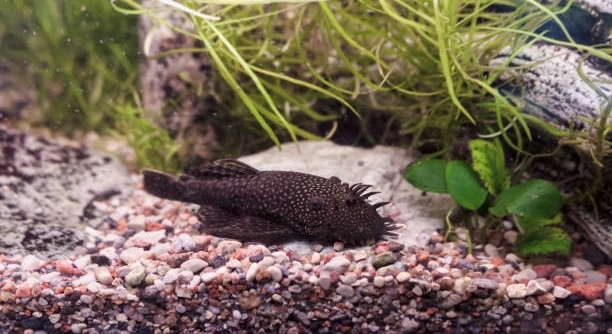
Plecos are popular freshwater fish known for their unique appearance and gentle nature. Many aquarists enjoy watching them glide along tank surfaces, quietly interacting with their environment and maintaining the cleanliness of the aquarium.
Research indicates that plecos generally prefer a calmer environment with minimal loud or sudden noises. Consistent background noise, such as gentle filter hums or soft water movement, is usually tolerated, whereas abrupt or intense sounds can cause stress and alter behavior.
Observing plecos’ reactions to their surroundings can provide helpful insight for creating a peaceful, healthy aquarium environment for them to thrive.
Understanding Plecos and Their Environment
Plecos are naturally adapted to calm riverbeds and slow-moving waters. In aquariums, replicating this environment helps reduce stress and promote healthy behavior. While they are hardy fish, sudden loud noises like tapping on glass or high-volume household sounds can startle them. Observing their routine can reveal subtle stress signals, such as hiding more than usual or changing feeding habits. Filters, air pumps, and water flow create constant background noise, which plecos often tolerate if introduced gradually. Tank decorations, plants, and hiding spots also provide comfort, allowing plecos to feel secure. Proper lighting, regular feeding schedules, and consistent water parameters contribute to their overall sense of stability. By paying attention to these factors, it’s possible to create an environment where plecos remain active, healthy, and stress-free, ensuring they display their natural behaviors consistently. Maintaining a quiet, stable tank enhances both their well-being and your observation experience.
Gradual adjustments to tank noise levels help plecos adapt without causing prolonged stress or behavioral issues.
Creating a balanced aquarium involves more than just water and food. Decorations, gentle currents, and consistent lighting all influence pleco behavior. Noise isn’t always harmful, but excessive or sudden sounds can disrupt their routine, leading to hiding or reduced activity. Observing their reactions over time allows for small changes that improve comfort. Combining noise management with a stable environment helps plecos remain calm, healthy, and visible, giving a rewarding experience for anyone maintaining the tank.
Practical Tips for Managing Tank Noise
Small adjustments in tank setup can reduce disruptive sounds for plecos.
Placing filters and pumps on soft surfaces or using vibration-absorbing pads minimizes loud vibrations. Avoid tapping on the glass or placing the aquarium near high-traffic areas. Introduce new equipment gradually to let plecos adjust. Observing their reactions helps determine acceptable noise levels. Background sounds like soft filter hums or gentle bubbling are typically fine and can even mimic natural conditions. Regular maintenance, such as cleaning filters and checking pumps, ensures equipment runs quietly and efficiently. Using thick substrate or adding plants can further dampen sound and provide hiding spots. These small steps create a more peaceful environment, reducing stress and promoting healthy behavior. Attention to these details improves not only the plecos’ well-being but also the enjoyment of watching them thrive in their habitat.
Managing noise is only one part of keeping plecos comfortable. Consider the full setup, including water temperature, pH, and lighting. Gentle water movement is preferred, mimicking river conditions, while abrupt changes can startle them. Providing adequate hiding places, such as caves or driftwood, helps plecos feel secure when noises occur. Maintaining a consistent feeding schedule and monitoring behavior ensures they remain active and healthy. Even minor adjustments in tank arrangement or equipment placement can significantly improve the overall atmosphere, fostering a calm environment. Regular observation is key; noticing subtle changes in activity or stress signals allows timely modifications. By combining noise control with stable environmental conditions, plecos thrive in a tank that supports natural behavior, long-term health, and visible activity.
Recognizing Signs of Stress in Plecos
Hiding more than usual or refusing food can indicate stress. Increased activity at night or unusual color changes may also signal discomfort. Observing these behaviors helps adjust tank conditions promptly.
Stress in plecos often stems from sudden noise, changes in water conditions, or lack of hiding spots. They may flick their fins excessively, scrape against surfaces, or swim erratically. Consistent observation allows identification of these subtle behaviors early. Ensuring stable water temperature, gentle currents, and minimal disturbances supports their well-being. Stress can affect feeding habits, growth, and immune function, so addressing issues quickly is essential. Providing adequate plants and driftwood creates natural hiding spaces that reduce stress and promote comfort.
Behavioral cues also reveal how plecos respond to tank noise. Calm fish resting near decorations or slowly grazing on surfaces indicate comfort, while rapid darting or constant movement may suggest disruption. Quiet observation over days shows patterns, helping decide if adjustments are necessary. Gradual changes in environment, such as repositioning equipment or softening vibrations, allow plecos to adapt without prolonged anxiety. Proper stress management ensures active, healthy plecos and a more enjoyable aquarium experience.
Creating a Quiet and Comfortable Tank Environment
Positioning the aquarium away from loud appliances or foot traffic helps minimize disturbances. Soft background noise from filters is generally tolerable.
Using sponge pads under pumps or filters reduces vibrations. Driftwood, plants, and rocks absorb sound while providing hiding spots. Gradual introduction of new equipment prevents sudden disruptions. Soft lighting and consistent water flow contribute to a peaceful environment. Monitoring pleco behavior after changes confirms comfort levels. Maintaining stable water parameters alongside these adjustments supports long-term health. A well-planned layout balances functionality with noise reduction, creating a calm setting where plecos thrive naturally. Regular observation ensures early detection of stress.
Attention to tank placement and layout directly impacts pleco comfort. Noise-absorbing decorations, careful equipment positioning, and routine maintenance minimize sudden disturbances. Plecos benefit from areas to retreat, such as caves or dense plants, which allow them to rest safely. Background sounds that mimic natural habitats, like soft filter hums or gentle bubbling, can be calming. Combining these strategies with stable water quality and lighting supports natural behaviors. Adjustments should be made gradually, with close observation to ensure plecos are adapting well. Consistent care and a thoughtfully arranged tank create a peaceful environment where plecos remain active, healthy, and stress-free over time.
Adjusting to New Tank Conditions
Plecos may hide or remain inactive when introduced to a new tank. Gentle handling and gradual adjustments help them feel secure.
Introducing new equipment, decorations, or tank mates slowly reduces stress. Maintaining consistent water parameters and quiet surroundings allows plecos to explore safely and adapt comfortably.
Monitoring Feeding Behavior
Plecos’ eating habits often reflect their comfort level. Sudden changes in appetite or feeding patterns can indicate stress or environmental issues. Observing these behaviors daily helps identify potential problems early. Consistent feeding schedules and providing a variety of foods, including algae wafers, vegetables, and occasional protein sources, support healthy growth. Proper portioning ensures they consume enough without polluting the water. Placement of food near hiding spots encourages shy or stressed plecos to eat. Tracking their response to feeding also helps gauge overall tank conditions. Adjustments to diet or environment may be necessary to maintain active, healthy fish.
Managing Tank Companions
Aggressive or overly active fish can disturb plecos and increase stress levels.
FAQ
Do plecos prefer total silence in the tank?
Plecos do not require total silence. They are accustomed to gentle background noise like filter hums or soft bubbling, which can mimic natural river environments. Sudden, loud noises are more stressful than consistent low-level sounds. Gradual introduction of new equipment or sounds allows them to adapt comfortably without long-term stress.
Can loud household sounds harm plecos?
Yes, abrupt noises like dropping items near the tank, loud conversations, or television volume spikes can startle plecos. Prolonged exposure to high-volume sounds may lead to hiding, reduced activity, or even appetite loss. Positioning the aquarium away from high-traffic areas and using vibration-dampening pads under equipment can minimize stress.
How can I tell if my pleco is stressed by noise?
Stress indicators include hiding more than usual, rapid fin movements, scraping against surfaces, or sudden color changes. Decreased appetite and unusual swimming patterns are also signs. Regular observation helps identify stress early. Adjusting tank conditions, such as lowering noise levels or adding hiding spots, can improve comfort.
Are plecos more active at night?
Yes, plecos are nocturnal. They naturally become more active during low-light periods, grazing on algae or exploring hiding spots. While daytime noise may affect their resting periods, ensuring quiet during their inactive hours promotes better health and natural behavior patterns.
Does tank layout affect noise tolerance?
Absolutely. Plants, driftwood, rocks, and decorations help absorb vibrations and provide safe spaces for plecos. Well-placed hiding spots allow them to retreat when they feel disturbed. A thoughtful layout reduces stress and supports their natural behaviors. Regular rearrangements should be done gradually to prevent sudden disruption.
How do new tankmates influence pleco stress?
Aggressive or highly active fish can create excessive movement and noise, disturbing plecos. Peaceful tankmates that maintain their own territory and avoid chasing the pleco help create a calm environment. Observing interactions and providing ample hiding spaces is key to reducing tension.
Is background noise from filters harmful?
Consistent, gentle noise from filters or air pumps is generally well-tolerated and may even resemble natural currents. Sudden changes in equipment or noisy, vibrating pumps can cause stress. Using sponge pads and ensuring stable operation reduces potential disruptions.
Do plecos react differently to different types of noise?
Yes, sudden, sharp noises provoke stronger reactions than steady, low-level sounds. Continuous vibrations from nearby appliances can also cause discomfort. Plecos respond best to predictable, consistent conditions, which allow them to maintain normal feeding and resting routines.
Can plecos adapt to a noisy environment over time?
Some adaptation is possible if the noise is consistent and not overly intense. Gradual exposure helps them tolerate minor disturbances. However, sudden or unpredictable sounds are always stressful. Combining noise management with proper hiding spaces ensures long-term comfort and activity.
What steps help reduce pleco stress in a noisy home?
Place the tank away from loud appliances or high-traffic areas, use vibration-dampening pads, and provide plants, driftwood, or caves for hiding. Monitor behavior regularly and make gradual changes rather than sudden adjustments. Ensuring stable water parameters and gentle water flow further supports their well-being.
How important is observation for maintaining a healthy pleco environment?
Observation is critical. Noticing subtle behavior changes, feeding patterns, and interaction with tankmates provides insight into stress levels. Regular monitoring allows timely adjustments, improving comfort and ensuring long-term health. Consistency, quiet surroundings, and appropriate tank layout all work together to create a supportive environment.
Can plecos get used to household routines?
Yes, plecos can become accustomed to predictable daily patterns, including feeding times and low-level background noise. Predictability reduces stress and encourages normal behaviors. Sudden changes in routines or equipment placement should be minimized to maintain a stable, calm environment.
Are there any signs of long-term stress from noise?
Long-term stress can manifest as stunted growth, repeated hiding, loss of appetite, or illness. Persistent exposure to loud or sudden noises without relief can compromise their immune system. Preventive measures, including noise management, proper tank setup, and regular observation, are essential to avoid chronic stress.
Do plecos prefer noise from natural sources?
They respond positively to gentle, consistent sounds that mimic their natural habitats, like water movement or filter hums. Noise that resembles environmental conditions allows plecos to feel secure, while abrupt, artificial sounds are more likely to provoke stress.
How can I introduce new equipment without stressing my pleco?
Introduce pumps, filters, or decorations gradually. Place new items at a distance first, allowing plecos to explore slowly. Monitor behavior and provide extra hiding spaces during this period. Gradual changes help them adapt without disrupting feeding or resting habits.
What role does lighting play alongside noise management?
Lighting affects activity patterns and stress levels. Bright lights combined with sudden noises can increase anxiety. Using consistent light cycles and dimming lights when noise is unavoidable helps maintain calm and supports natural nocturnal behaviors.
Are plecos more sensitive during certain times of day?
Plecos are generally more sensitive during their resting periods, typically daylight hours. Minimizing disturbances during this time ensures proper rest, reduces stress, and helps maintain overall health. Nighttime activity is less affected by minor background noise.
Can diet influence how plecos handle stress?
Yes, a balanced diet helps maintain strong health and resilience to environmental stress. Providing vegetables, algae wafers, and occasional protein supports immune function and energy levels, making plecos better able to cope with minor disturbances in their surroundings.
Do plecos ever enjoy stimulation from tank activity?
Mild, predictable activity like slow water currents or gentle movement in the tank is generally acceptable. Overly erratic or aggressive disturbances, however, are stressful. Plecos thrive best in calm, consistent conditions with safe areas to retreat if needed.
How often should I check for stress indicators?
Daily observation is ideal. Monitoring behavior, feeding patterns, and interactions with tankmates helps detect stress early. Promptly addressing issues such as hiding, reduced appetite, or erratic swimming prevents long-term problems and maintains a healthy, active pleco population.
This FAQ provides a detailed guide to understanding plecos’ response to noise and creating an environment that balances calm, comfort, and natural activity.
Final Thoughts
Plecos are remarkable fish that thrive best in stable, calm environments. They are naturally adapted to quiet riverbeds and slow-moving waters, which means abrupt changes in their surroundings can be stressful. While they tolerate low-level background noise from filters and gentle water movement, loud or sudden sounds may trigger hiding, erratic swimming, or reduced feeding. Observing their behavior regularly allows aquarists to notice subtle signs of discomfort early, such as hiding more often, color changes, or changes in activity. Providing a peaceful tank environment with adequate hiding spots, stable water conditions, and predictable routines is essential for their well-being. The more attention given to these small but important details, the more likely plecos are to display natural, healthy behaviors consistently.
Noise management in the tank goes beyond simply lowering volume levels. The placement of equipment, substrate choices, and even decorations can influence how sound travels through water. Using sponge pads under pumps and filters or adding driftwood and plants helps reduce vibrations and creates areas where plecos can retreat if disturbed. Gradual introduction of new equipment, rearrangements, or changes in tankmates allows plecos to adjust without excessive stress. Observing how they react to these adjustments ensures that the tank remains a comfortable space. Over time, these careful adjustments not only improve plecos’ physical health but also encourage natural behaviors like grazing, exploring, and resting in secure areas. A well-thought-out setup enhances both the fish’s comfort and the experience of maintaining a thriving aquarium.
Maintaining a calm environment also involves consistency in feeding, water parameters, and lighting. A balanced diet of algae wafers, vegetables, and occasional protein supports healthy growth and immune function, making plecos better equipped to handle minor disturbances. Light cycles should mimic natural patterns to support nocturnal activity and proper rest periods. Paying attention to tankmates and their behavior ensures that plecos are not stressed by aggressive or overly active fish. By combining these factors—noise management, tank layout, feeding, and careful observation—plecos are more likely to remain active, healthy, and comfortable. Creating a stable, calm environment requires attention to detail, but the result is a tank where plecos can thrive and exhibit their natural behaviors without unnecessary stress, making the aquarium a more enjoyable and rewarding space for both the fish and the keeper.

Hello,
If you enjoy the content that we create, please consider saying a "Thank You!" by leaving a tip.
Every little bit helps us continue crafting quality advice that supports the health, happiness, and well-being of pets around the world, for pets of all shapes, sizes, and species.
We really appreciate the kindness and support that you show us!