
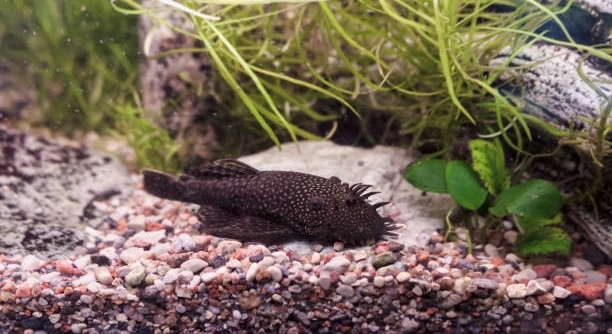
Have you ever wondered how long bristlenose plecos can stay with you in your aquarium? These small fish are admired for their unique bristles and algae-eating abilities, making them both useful and charming companions.
Bristlenose plecos generally live between five and ten years when kept in proper conditions. Their lifespan is influenced by water quality, nutrition, tank size, and general care. Maintaining a stable environment and balanced diet promotes their overall health and longevity.
Understanding their lifespan helps plan care and habitat needs. Ensuring the right environment supports their health and allows them to thrive for many years.
Factors Affecting Bristlenose Pleco Lifespan
Several factors determine how long bristlenose plecos live in captivity. Water quality is one of the most important. Clean, stable water reduces stress and prevents disease, which can shorten their lifespan. Temperature fluctuations can also affect their health. Maintaining the proper range of 72–78°F helps them thrive. Diet is another key factor. Providing a variety of foods, including algae wafers, fresh vegetables, and occasional protein, supports their growth and longevity. Overfeeding or underfeeding can lead to health issues. Tank size and environment play roles as well. A spacious tank with hiding spots allows them to explore without stress. Stress from overcrowding or aggressive tank mates can significantly reduce their lifespan. Regular monitoring and maintenance create a healthy environment. By paying attention to these details, their natural lifespan can be achieved and even extended slightly. Consistency in care is crucial for their well-being.
Water quality and proper diet are the most critical factors in ensuring bristlenose plecos live to their full potential.
Maintaining optimal conditions requires attention to daily care. Regular water changes prevent the buildup of toxins like ammonia and nitrites, which can harm fish quickly. Monitoring pH levels and hardness ensures a stable environment. Including driftwood and hiding spaces reduces stress and encourages natural behavior. Feeding should balance plant-based foods and occasional protein, avoiding overfeeding that can pollute the tank. Observing their activity and appearance helps detect early signs of illness. By staying consistent with tank maintenance and providing a varied diet, bristlenose plecos can remain healthy for years. Tank decorations and substrate should also be considered, as they impact their comfort and ability to forage naturally. Overall, a stable, well-maintained tank is essential for extending their lifespan.
Common Health Concerns
Bristlenose plecos are generally hardy but still face health challenges.
Stress, poor water quality, and inadequate nutrition can lead to illnesses. External parasites, fungal infections, and digestive issues are the most frequent problems. Maintaining a clean tank, offering a balanced diet, and monitoring for unusual behavior or appearance can prevent many health issues. Regular observation helps catch problems early, improving recovery chances.
Ideal Tank Conditions
Bristlenose plecos thrive in tanks with stable water parameters and enough space. A minimum of 20 gallons is recommended for one adult, with larger tanks better for multiple fish. Hiding spots, smooth decorations, and driftwood improve comfort and reduce stress.
Maintaining proper water conditions is essential for bristlenose plecos. Regular water changes, at least 25% weekly, keep ammonia and nitrite levels low. Temperature should remain between 72–78°F, and pH around 6.5–7.5. Filtration must be sufficient to handle waste but avoid strong currents that stress the fish. Substrate choice also matters; smooth sand or fine gravel prevents injuries while allowing natural foraging. Driftwood is beneficial, aiding digestion and providing shelter. Monitoring water parameters frequently ensures stability. Overcrowding should be avoided, as it increases stress and susceptibility to disease.
Decorating the tank thoughtfully helps replicate a natural environment. Include caves, rocks, and plants that create hiding spots. Driftwood not only offers shelter but also a food source as bristlenose plecos scrape off biofilm. Avoid sharp edges that could harm their fins. Spacing out decorations provides swimming space while maintaining security zones. Live plants can help maintain water quality and oxygenation. Observing how the fish interact with the tank helps identify areas needing adjustment. A well-structured environment supports long-term health, reduces stress, and encourages natural behavior, which contributes directly to lifespan.
Feeding and Nutrition
Bristlenose plecos require a varied diet to stay healthy and active. Algae wafers, fresh vegetables, and occasional protein provide necessary nutrients. Overfeeding can pollute the tank and harm their health.
A balanced diet is crucial for growth and longevity. Vegetables like zucchini, cucumber, and spinach should be offered regularly, while algae wafers provide consistent nutrition. Protein can be given sparingly through bloodworms or shrimp. Feeding should be measured, usually once daily, removing uneaten food to prevent decay. Supplementing with calcium-rich foods, like cuttlebone, helps maintain strong bones and healthy fins. Observing feeding behavior ensures all fish get adequate portions. Rotating vegetables and monitoring nutrient intake prevent deficiencies, supporting immune function and overall vitality. A consistent feeding routine promotes long-term health.
Providing the right food and feeding schedule helps maintain optimal health. Fresh vegetables should be blanched to soften them, making them easier to eat. Algae wafers should not replace fresh foods but complement them. Protein treats should remain occasional to prevent digestive issues. Removing leftover food prevents water contamination and reduces stress from poor conditions. Monitoring the fish ensures each one eats enough, as weaker individuals may need extra attention. Over time, a consistent feeding plan results in healthier fish, better coloration, and a stronger immune system. A careful approach to nutrition directly influences lifespan and activity levels.
Common Diseases
Bristlenose plecos can be affected by ich, fin rot, and bacterial infections. Poor water quality and stress increase the risk. Observing your fish daily helps catch early signs before the condition worsens.
Treating illnesses quickly improves recovery chances. Isolating affected fish and adjusting water parameters can prevent spread. Medications should match the specific disease, and maintaining tank cleanliness reduces recurrence. Consistent monitoring of diet and environment keeps the fish resilient and lowers vulnerability to infections.
Handling and Care Tips
Handling bristlenose plecos should be minimal. They have delicate fins and sensitive slime coats that protect against disease. Using a soft net or container when necessary reduces stress and prevents injury. Avoid frequent handling to maintain health and well-being. Proper care ensures they remain active and vibrant, preserving their lifespan.
Seasonal Changes
Seasonal temperature fluctuations can affect plecos. Maintaining stable water conditions indoors helps reduce stress.
Signs of Stress
Stress in bristlenose plecos is visible through erratic swimming, hiding excessively, or loss of appetite. Identifying stress early allows adjustments in environment and care to restore balance and health.
FAQ
How long do bristlenose plecos live in captivity?
Bristlenose plecos typically live between five and ten years in a well-maintained aquarium. Their lifespan depends heavily on water quality, diet, tank size, and general care. Consistency in maintenance and providing a stable environment helps them reach their full potential lifespan.
What size tank is best for bristlenose plecos?
A minimum of 20 gallons is recommended for a single adult pleco. Larger tanks are better if you plan to keep multiple fish or other species. Adequate space reduces stress, allows for natural swimming behavior, and provides room for hiding spots and decorations.
What water conditions do they need?
Bristlenose plecos thrive in temperatures between 72–78°F and a pH range of 6.5–7.5. Maintaining stable water parameters is essential. Regular water changes, proper filtration, and monitoring ammonia, nitrite, and nitrate levels ensure a safe environment for long-term health.
What should I feed my bristlenose pleco?
Their diet should include algae wafers, fresh vegetables like zucchini and cucumber, and occasional protein sources such as bloodworms or shrimp. Blanch vegetables to make them easier to eat. Avoid overfeeding to prevent water pollution and digestive issues. A balanced diet supports growth, coloration, and immune health.
Can bristlenose plecos live with other fish?
Yes, they are peaceful and compatible with many community fish, including tetras, guppies, and corydoras. Avoid aggressive or territorial species that may stress plecos. Providing hiding spots and monitoring interactions helps reduce conflict and ensures a calm environment for all tank inhabitants.
How do I breed bristlenose plecos?
Breeding requires a stable tank with hiding spots, caves, or driftwood. Males guard eggs laid in caves, and consistent water quality encourages successful spawning. Eggs typically hatch in about a week. Regular monitoring ensures eggs remain healthy and the fry grow properly.
What are common health issues in bristlenose plecos?
They can develop ich, fin rot, and bacterial infections, often caused by poor water quality or stress. Early detection is key. Observing changes in behavior, appetite, or appearance allows prompt treatment. Isolating affected fish and maintaining cleanliness reduces the risk of further problems.
How do I know if my pleco is stressed?
Signs include hiding excessively, erratic swimming, loss of appetite, and faded coloration. Stress often results from poor water quality, overcrowding, or aggressive tank mates. Addressing the cause by improving the environment, adding hiding spots, or adjusting tank mates restores comfort and health.
Do bristlenose plecos need decorations or hiding spots?
Yes, driftwood, rocks, and plants provide shelter and reduce stress. Driftwood also aids digestion and serves as a food source. Smooth surfaces prevent injury, and hiding spaces allow plecos to feel secure. A well-decorated tank supports natural behavior and longevity.
How often should I perform water changes?
Weekly water changes of at least 25% help maintain clean water and stable parameters. Removing debris and monitoring ammonia, nitrite, and nitrate levels prevents stress and disease. Consistent maintenance is critical for keeping plecos healthy and extending their lifespan.
Can bristlenose plecos adapt to new tanks easily?
They adapt better if introduced slowly. Quarantine new fish to prevent disease. Gradually acclimate plecos to water temperature and chemistry differences. Observing them during the first few weeks ensures they adjust comfortably without stress or aggression from tank mates.
How do I care for an aging pleco?
Older plecos may move slower and have faded coloration. Ensure they have easy access to food and shelters. Maintain stable water conditions, continue regular feeding, and avoid adding aggressive tank mates. Monitoring their health helps prevent age-related stress or illness.
What role does driftwood play in their diet?
Driftwood is beneficial for digestion and provides natural fiber. Plecos rasp on it, which helps with gastrointestinal health. Including driftwood in the tank supports both nutrition and behavior, mimicking their natural environment.
How can I prevent diseases in bristlenose plecos?
Maintaining clean water, a balanced diet, and minimal stress are essential. Quarantine new fish, remove uneaten food, and provide hiding spots. Regular observation allows early detection of illness. Prevention is always more effective than treatment.
Are bristlenose plecos suitable for beginners?
Yes, they are hardy, peaceful, and adaptable, making them ideal for first-time fish keepers. They require regular tank maintenance, stable water conditions, and a balanced diet, but their overall care is straightforward compared to more delicate species.
This FAQ covers the most common concerns, offering practical advice for maintaining a healthy and long-lived bristlenose pleco. Proper attention to water, diet, and environment ensures they thrive and remain active companions for years.
Final Thoughts
Bristlenose plecos are small but fascinating freshwater fish that can provide years of enjoyment in a home aquarium. Their unique appearance, especially the characteristic bristles on males, makes them stand out among other common tank fish. Beyond their looks, they serve a practical purpose by helping control algae, which can keep an aquarium cleaner. Understanding their lifespan, which generally ranges from five to ten years in captivity, allows aquarists to plan proper care and make long-term commitments. Providing a stable environment with clean water, proper filtration, and adequate hiding spots is essential for their well-being. Plecos are hardy fish, but consistency in care is critical for ensuring they remain healthy throughout their life. Over time, small adjustments to water quality, tank layout, and diet can have a significant impact on their health and longevity.
Feeding is another key aspect of caring for bristlenose plecos. They thrive on a varied diet that includes algae wafers, blanched vegetables such as zucchini or cucumber, and occasional protein sources like bloodworms or shrimp. Overfeeding should be avoided, as leftover food can pollute the tank and cause digestive issues. Including driftwood in the tank not only provides hiding spaces but also helps with digestion and mimics their natural environment. Observing feeding behavior is important to ensure all fish get their share, especially in community tanks where more active fish may dominate. Rotating foods and paying attention to their nutritional needs supports overall health, enhances coloration, and strengthens their immune system. By maintaining a consistent feeding schedule and a balanced diet, plecos can thrive and display natural behaviors that indicate good health.
Tank setup and maintenance are equally important in promoting a long and healthy life for bristlenose plecos. A tank of at least 20 gallons is recommended for a single adult, with more space for multiple fish or community setups. Hiding spots, caves, and smooth decorations create a secure environment, reducing stress and encouraging natural behavior. Regular water changes, monitoring ammonia, nitrite, and nitrate levels, and maintaining a stable temperature and pH are essential for preventing disease. Observing fish daily allows early detection of stress, illness, or behavioral changes, making it easier to take corrective measures. Choosing compatible tank mates reduces aggression and further supports a calm environment. By focusing on proper tank conditions, nutrition, and monitoring health, bristlenose plecos can live comfortably for many years, offering both aesthetic appeal and practical benefits to the aquarium. Consistent care and attention to detail are the most reliable ways to ensure a happy and long-lived pleco.

Hello,
If you enjoy the content that we create, please consider saying a "Thank You!" by leaving a tip.
Every little bit helps us continue crafting quality advice that supports the health, happiness, and well-being of pets around the world, for pets of all shapes, sizes, and species.
We really appreciate the kindness and support that you show us!