
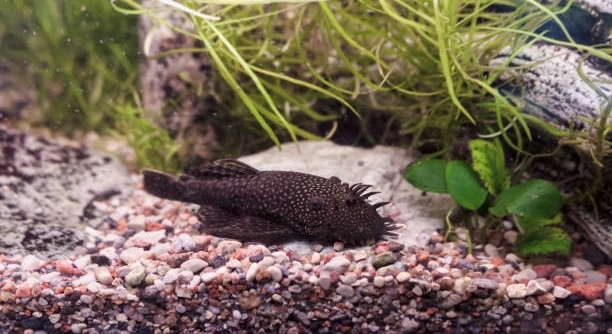
Do your plecos seem restless or less active in their aquarium? Many fish owners do not realize that tank size plays a crucial role in their health and overall behavior. Observing them closely can reveal hidden stress signs.
A pleco tank that is too small can negatively impact the fish’s growth, behavior, and overall health. Insufficient space restricts movement, increases waste accumulation, and elevates stress levels, ultimately compromising the well-being of these aquatic animals.
Recognizing these signs early can prevent long-term health issues and ensure your plecos thrive comfortably in their aquatic environment.
Excessive Algae Growth
When a pleco tank is too small, algae can quickly take over. Plecos produce waste that increases nutrient levels in the water, promoting faster algae growth. In cramped tanks, water circulation is often poor, making it harder to manage these spikes. Algae not only makes the tank look dirty but also reduces oxygen levels. Fish may struggle to breathe and become stressed, which can impact their immune systems. Over time, unchecked algae can cover decorations, glass, and even the substrate, making maintenance more difficult. Owners might notice plecos scraping surfaces more often, a sign that the tank is becoming unhealthy. Regular water testing and proper cleaning routines are essential, but increasing tank size can often solve the root problem. Ensuring the right balance of lighting, filtration, and space is key to keeping algae under control. Small adjustments alone may not suffice when the tank is too tight for the fish.
Excessive algae is a clear indicator your plecos may not have enough space to thrive.
Providing a larger tank allows for better water flow, reduces nutrient buildup, and gives plecos more room to move. This change helps maintain cleaner surfaces, healthier fish, and a more balanced ecosystem, making maintenance easier and improving overall tank health.
Unusual Behavior and Restlessness
Restless swimming and constant hiding are often observed in plecos kept in undersized tanks. These behaviors indicate discomfort, stress, or a lack of proper territory.
Plecos are naturally territorial and require space to explore, feed, and establish resting areas. In a cramped tank, they may collide with decorations, other fish, or the tank walls, leading to injury or stress. Restless behavior often manifests as pacing along tank edges, frequent hiding, or excessive scraping against surfaces. Over time, stress can weaken their immune systems, making them more susceptible to disease. Observing these behaviors closely can help identify the need for a larger tank before serious health issues arise. Adequate space allows plecos to express natural behaviors, reduces stress-related actions, and improves overall well-being. Adjusting tank size, adding hiding spots, and monitoring activity levels are practical steps to ensure a comfortable environment for these fish. Providing a spacious, well-maintained habitat is essential to support their physical and mental health effectively.
Poor Growth and Development
Small tanks limit plecos’ growth due to restricted swimming space and higher stress levels. Overcrowding reduces access to nutrients and can stunt their natural development.
Plecos in undersized tanks often show slower growth rates. Stress from confinement increases cortisol levels, which can negatively affect metabolism and appetite. Limited swimming space also prevents proper muscle development, resulting in weaker, less active fish. In addition, overcrowded conditions can lead to competition for food, leaving some plecos undernourished. Proper nutrition alone cannot counteract the effects of an inadequate environment. Ensuring enough space allows plecos to grow at a healthy pace, maintain strong muscles, and develop their natural behaviors.
Long-term effects of poor growth include shorter lifespans and increased susceptibility to illness. A larger tank provides both physical room and mental stimulation, promoting optimal health, better immune function, and natural development.
Frequent Disease and Health Issues
Small tanks increase the risk of infections, fin rot, and other common diseases in plecos. Poor water quality and stress are major contributors.
High waste accumulation in cramped tanks leads to elevated ammonia, nitrite, and nitrate levels, which compromise the immune system and make plecos vulnerable to pathogens. Constant stress from lack of space weakens their defenses, allowing bacteria and parasites to take hold more easily. Even minor injuries from bumping into tank walls or decorations can become serious infections in these conditions. Regular water changes help but do not fully address the root problem. A larger tank reduces waste buildup, allows for better filtration efficiency, and creates a healthier environment overall.
Preventing disease requires more than just treatment after the fact. Providing sufficient space, monitoring water parameters, and maintaining a clean habitat significantly lowers the likelihood of health issues. Well-maintained larger tanks improve oxygen levels, reduce stress, and support natural behaviors, all of which enhance immunity. Proper tank size is essential for keeping plecos strong, active, and disease-resistant over time.
Aggressive Behavior
Plecos in small tanks often display increased aggression toward each other and other fish. Limited space prevents them from establishing proper territory, leading to frequent confrontations.
Stress and overcrowding amplify these aggressive tendencies. Fish may chase, nip fins, or dominate feeding areas, causing injury or further stress to tank mates.
Constant Hiding
Plecos may spend excessive time hiding when they feel cramped. Lack of open space forces them to retreat into caves, decorations, or corners, limiting normal activity and exploration.
Loss of Appetite
Stress from a small tank can reduce plecos’ interest in food. Continuous confinement often affects their natural feeding behaviors, leading to irregular eating patterns and potential malnutrition.
Cloudy or Dirty Water
Small tanks accumulate waste quickly, causing water to become cloudy or dirty despite regular cleaning. Poor water quality affects fish health and overall tank balance.
What size tank is appropriate for a pleco?
A pleco’s tank size depends on its species, but most common plecos need at least a 30-gallon tank as juveniles. Larger species like the common pleco require 75 gallons or more as adults. Providing ample swimming space ensures proper growth, reduces stress, and supports natural behaviors. Crowded conditions stunt growth and increase aggression.
How often should I clean a pleco tank?
Frequent cleaning is essential in small tanks, as waste builds up quickly. Partial water changes of 25–30% once or twice a week help maintain water quality. Filters must be cleaned regularly to prevent clogging and inefficiency. Even with proper cleaning, a tank that is too small will still accumulate toxins faster than a larger, well-maintained tank.
Why is my pleco hiding constantly?
Constant hiding usually indicates stress, often caused by inadequate space. Small tanks leave plecos feeling insecure, preventing them from exploring or resting in the open. Overcrowding or excessive decorations can also contribute. Adding hiding spots is helpful, but the underlying issue is usually the limited tank size.
Why is my pleco losing appetite?
Loss of appetite is a stress response. In cramped tanks, water quality can decline rapidly, and constant confinement raises cortisol levels, reducing feeding interest. Plecos may also compete for food in crowded tanks, leaving some individuals underfed. Ensuring adequate space, clean water, and a calm environment helps restore normal feeding behavior.
How can I tell if my pleco tank is too small?
Signs include excessive algae growth, unusual aggression, constant hiding, restlessness, slow growth, loss of appetite, and frequent disease. Monitoring behavior and tank conditions closely reveals whether the environment meets your pleco’s needs. Even minor stress signs suggest it’s time to consider a larger tank.
Can plecos adapt to a small tank?
Plecos may survive temporarily in smaller tanks, but long-term confinement affects health, growth, and lifespan. Stress increases susceptibility to disease and stunts natural development. While some fish adapt behaviorally, their overall well-being is compromised, making a proper tank size essential for thriving plecos.
What is the impact of small tanks on water quality?
Small tanks accumulate waste faster, causing ammonia, nitrite, and nitrate levels to rise. Poor water quality stresses plecos, weakens immunity, and encourages algae growth. Regular cleaning helps, but increasing tank size significantly improves water stability, provides better oxygenation, and supports a healthier environment for all tank inhabitants.
Are there ways to make a small tank more comfortable temporarily?
Adding hiding spots, proper filtration, and reducing stocking levels can alleviate stress short-term. Maintaining water quality through frequent changes is essential. However, these measures do not replace the benefits of a larger tank. Long-term health and natural behavior require sufficient swimming space.
How do I transition plecos to a larger tank?
Move plecos gradually to reduce stress. Set up the new tank with similar water parameters, decorations, and hiding spots. Float their old water in the new tank during the transition to maintain temperature and chemical balance. Introduce the fish gently and monitor behavior closely to ensure adaptation.
What long-term benefits come from providing a larger tank?
A larger tank supports growth, reduces aggression, improves water quality, and lowers disease risk. Plecos can display natural behaviors, explore freely, and maintain a healthy appetite. Their overall stress decreases, resulting in a longer lifespan and a more stable, balanced aquatic environment.
Providing the right tank size for plecos is one of the most important steps in ensuring their health and well-being. A small tank may seem manageable at first, but it can lead to a variety of problems that affect both the fish and the overall tank environment. Stress, poor growth, and aggressive behavior are common in confined spaces, and these issues often worsen over time. Plecos are naturally active and territorial fish, and they require enough room to swim, explore, and establish resting areas. Without sufficient space, they may hide constantly, lose interest in food, or display unusual behaviors that indicate discomfort. Observing these signs early is crucial to prevent long-term health issues and to maintain a stable, healthy tank.
Water quality is another major factor that is directly affected by tank size. In a small tank, waste builds up quickly, raising ammonia, nitrite, and nitrate levels. This poor water quality can weaken the immune system of plecos, making them more vulnerable to diseases and infections. Even with regular cleaning and filtration, a cramped tank struggles to maintain the stable conditions plecos need. Algae growth may also increase due to higher nutrient levels, which can further reduce oxygen levels and create a less comfortable environment. A larger tank not only provides more room for swimming but also allows filtration systems to work more effectively, keeping the water cleaner and more balanced. This creates a healthier environment that supports natural behaviors and reduces stress.
Investing in a properly sized tank benefits both the plecos and the aquarium ecosystem as a whole. Adequate space reduces competition for food, decreases aggression, and encourages normal growth patterns. Plecos in a larger tank are less likely to develop health issues or stress-related behaviors, and they can maintain a steady appetite while exploring their environment. Additionally, maintenance becomes more manageable over time, as cleaner water and a balanced ecosystem require less frequent intervention. By prioritizing tank size, owners create a more sustainable and enjoyable habitat that allows plecos to thrive. Ensuring that these fish have enough space is not only a matter of comfort but also a key factor in their longevity, overall health, and natural behavior, making the investment in a larger tank worthwhile for long-term care.

Hello,
If you enjoy the content that we create, please consider saying a "Thank You!" by leaving a tip.
Every little bit helps us continue crafting quality advice that supports the health, happiness, and well-being of pets around the world, for pets of all shapes, sizes, and species.
We really appreciate the kindness and support that you show us!