
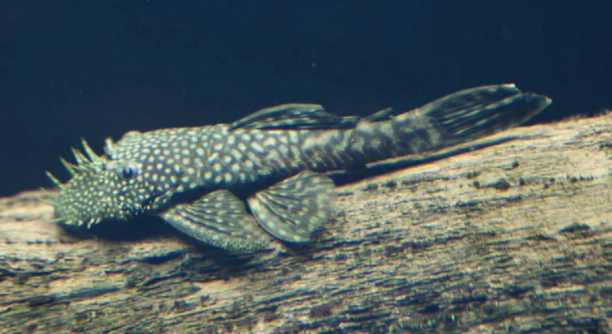
Are your plecos often resting in the same corner of the tank, showing little movement throughout the day? Observing their slow swimming patterns can be concerning for fish owners wanting healthy and active pets. Maintaining engagement is important.
Providing a stimulating environment for plecos involves offering a variety of hiding spots, diverse feeding options, and interactive elements within the aquarium. These measures encourage natural behaviors, reduce stress, and support both physical and mental well-being in captive fish.
Implementing these strategies can transform your pleco’s daily routine, making them more lively and healthier within their aquatic habitat. Small changes have a noticeable impact on their overall activity levels.
Provide Plenty of Hiding Spots
Plecos are naturally shy fish that enjoy having places to retreat. Adding caves, driftwood, and PVC tubes gives them security and encourages exploration. When plecos feel safe, they are more likely to move around and interact with their environment. Plants can also provide shelter while adding natural beauty to the tank. Soft, smooth decorations prevent injury and make hiding areas more appealing. Changing the arrangement of these spots occasionally keeps plecos curious and mentally stimulated. Using a combination of vertical and horizontal hiding areas allows plecos of all sizes to find comfort. Rocks and ceramic ornaments create textured surfaces that plecos can cling to or scrape, which mimics their natural behavior in rivers. Providing variety in shape and size ensures multiple fish can share the tank without stress. Proper lighting can highlight these areas without making plecos feel exposed, balancing safety with visibility.
Adding a few well-placed hiding spots encourages your plecos to explore and interact more frequently in their environment.
Observing my own plecos, I noticed that after rearranging their tank decorations, they became more active during feeding times. Each new hiding spot sparked curiosity, and they began using the entire tank rather than sticking to one corner. Over time, this simple change reduced idle behavior and made them more engaged with each other and their surroundings. The plecos explored different textures and surfaces, showing a natural interest in climbing, scraping, and moving around more than before. Providing multiple hiding options also minimized territorial conflicts, as each fish could find its preferred space without interruption. This approach reinforced healthy activity levels and supported natural instincts, making the aquarium a more dynamic and stimulating environment for the plecos.
Offer a Varied Diet
A diverse diet keeps plecos physically healthy and mentally engaged. Including fresh vegetables, algae wafers, and occasional protein sources encourages natural foraging behavior. Variety prevents boredom and ensures they receive essential nutrients.
Incorporating different foods encourages plecos to search and interact with their surroundings.
Feeding my plecos a mix of zucchini, cucumber, and blanched spinach has noticeably increased their activity. They now explore the tank to find food, interacting with both the substrate and decorations. Adding algae wafers and occasional shrimp pellets provides nutritional balance while promoting natural grazing behaviors. Rotating food types every few days keeps them alert and encourages problem-solving as they investigate new textures and flavors. Live or frozen foods like bloodworms can also stimulate hunting instincts and offer protein, but should be given sparingly to avoid overfeeding. A varied diet also improves coloration, strengthens immunity, and supports growth. Watching the plecos respond to each new food item is rewarding, as they demonstrate curiosity and energy that were absent on a repetitive diet. This simple adjustment makes feeding time more enriching and helps maintain overall health.
Introduce Driftwood and Natural Decorations
Driftwood gives plecos surfaces to graze and hide. Natural textures encourage scraping behavior and help maintain healthy teeth. Adding branches or rocks enhances their environment and keeps them engaged.
I added driftwood and smooth rocks to my tank, and I quickly noticed my plecos became more active. They spent time scraping the surfaces, exploring different angles, and even resting under branches. The driftwood also added a natural element that changed the tank’s layout, making feeding times more interactive. They began investigating the nooks and crannies, which stimulated curiosity and movement. Over time, the decorations became both functional and entertaining, encouraging daily activity while supporting natural behavior.
Watching the plecos interact with the new elements was rewarding. They climbed, scraped, and hid, showing increased energy and engagement. This simple addition improved their overall mental and physical stimulation, making their habitat feel more dynamic. Driftwood and natural decorations mimic aspects of their natural environment, which supports their instinctual behaviors. Regularly rearranging these items keeps the tank interesting, preventing stagnation and boredom. Plecos respond positively to textures and structures they can manipulate, and observing their playful interactions made me appreciate the value of natural enrichment in an aquarium.
Rotate Tank Layout Regularly
Changing the layout stimulates exploration and prevents monotony. Rearranging decorations encourages plecos to investigate new areas and use different spaces in the tank.
I started moving plants, rocks, and hides every few weeks. The plecos reacted with curiosity, exploring areas they rarely visited before. They adjusted quickly, climbing and resting in new spots, which increased their overall activity.
Rotating the layout offers mental stimulation while maintaining physical activity. Plecos are naturally curious, and changes in their environment trigger exploration and problem-solving behaviors. By shifting decorations and hiding places, you can encourage them to interact with the entire tank instead of staying in one location. This method reduces stress, supports natural instincts, and keeps plecos mentally engaged. Observing my own fish, I noticed that each rearrangement sparked excitement and activity, demonstrating that small changes in their habitat have a significant impact on engagement and overall well-being.
Use Floating or Moving Objects
Floating plants or gentle water currents create areas for plecos to explore. Movement encourages swimming and adds variety to their environment.
I added a few floating plants and a small water pump. My plecos began investigating the moving leaves and currents, swimming more actively and exploring areas they usually ignored.
Provide Interactive Feeding Opportunities
Hiding food in caves, under driftwood, or in feeding rings encourages foraging. This stimulates natural behaviors and keeps plecos engaged longer.
Maintain Proper Tank Conditions
Stable water temperature, clean water, and adequate filtration are essential for pleco activity. Healthy fish are naturally more active.
FAQ
How often should I rearrange my pleco’s tank?
Rearranging the tank every few weeks is sufficient. Plecos respond well to new hiding spots and obstacles, which stimulates curiosity and encourages exploration. Small changes like moving rocks, driftwood, or plants prevent boredom without causing stress or confusion.
Can I give plecos too many hiding spots?
Yes, overcrowding the tank with decorations can limit swimming space and reduce activity. Provide enough options for security, but leave open areas for swimming. I found that balancing caves and driftwood with free space made my plecos move more naturally.
What types of food are best for keeping plecos active?
A varied diet of vegetables, algae wafers, and occasional protein treats works best. Fresh produce like zucchini or spinach encourages grazing, while wafers and pellets provide balanced nutrients. Changing food types every few days keeps plecos curious and stimulates natural foraging behaviors.
Do plecos need live plants in their tank?
Live plants are not strictly necessary but are very beneficial. They create hiding spots, improve water quality, and provide surfaces for grazing. Floating plants and rooted varieties both encourage exploration and give the tank a more dynamic, natural feel.
How important is water movement for pleco activity?
Moderate water currents help stimulate swimming and exploration. Plecos enjoy investigating flowing areas, which mimics natural river conditions. I added a gentle pump to my tank, and my fish became noticeably more active, moving through currents and using different sections of the aquarium.
Should I feed plecos at the same spot every day?
It’s better to vary feeding locations. Hiding food in caves, under driftwood, or using feeding rings encourages movement and foraging. My plecos became more engaged once I started rotating feeding spots, searching around the tank for their meals instead of staying in one corner.
Can tank lighting affect pleco activity?
Yes, lighting influences behavior. Plecos prefer dim or subdued lighting, which makes them feel secure. Bright lights can make them retreat to hiding spots. Using a balance of natural and artificial lighting, with shaded areas, helps maintain active and confident behavior.
How can I tell if my pleco is bored or stressed?
Signs include prolonged inactivity, hiding constantly, or scraping surfaces excessively without eating. I noticed my plecos became more energetic and interactive after adding decorations and rotating the tank layout, showing that environmental enrichment reduces stress and encourages natural behavior.
Is it safe to introduce new decorations while plecos are in the tank?
Yes, but do it gradually. Sudden changes can startle fish. I slowly added driftwood and rocks over a few days, allowing my plecos to explore at their own pace. Gradual introductions keep them curious without causing stress.
How often should I clean the tank to keep plecos active?
Regular maintenance is key. Partial water changes and cleaning the substrate every 1–2 weeks prevent buildup of waste and toxins. Clean water supports healthy activity levels, and plecos are more likely to explore and feed in a well-maintained environment.
Do plecos benefit from companions in the tank?
Yes, compatible tankmates can stimulate activity. Plecos enjoy interaction, but overcrowding should be avoided. I observed my plecos exploring more and using different areas of the tank when housed with peaceful species, adding social enrichment without creating stress.
Can I use toys or objects to entertain plecos?
Yes, items like floating ping pong balls, ceramic tunnels, or safe aquarium ornaments can encourage movement. My plecos reacted well to new objects, inspecting and climbing over them, which increased activity and curiosity throughout the day.
How do I know if my pleco is getting enough exercise?
Active plecos swim regularly, explore their tank, and interact with decorations and food. I noticed mine became lethargic when the tank was too empty, but after introducing driftwood, hiding spots, and varied feeding routines, their activity levels improved significantly.
Is feeding live or frozen food necessary?
It is optional but beneficial. Occasional live or frozen foods like bloodworms can encourage natural hunting behaviors and provide extra protein. I found giving these sparingly maintains interest without overfeeding, complementing a mostly vegetable and wafer-based diet.
Can plecos become bored with the same tank setup?
Yes, repetition can reduce activity. Changing decorations, rearranging hiding spots, and rotating food locations keeps plecos curious. I noticed mine became more lively after introducing driftwood, plants, and new feeding techniques, proving that environmental variety is essential for engagement.
How do I introduce new plants without stressing my plecos?
Plant additions should be gradual. Introducing one or two at a time allows plecos to adjust to new spaces. I added a single floating plant first, then rooted plants over several days. This method maintained activity while avoiding sudden stress or hiding behavior.
Are there signs that plecos enjoy their tank layout?
Yes, engaged plecos explore, graze, and use multiple areas of the tank. Mine became more active after rearranging driftwood and adding hiding spots, showing curiosity, interaction, and regular movement—clear indicators that the environment supports natural behavior.
Can plecos get bored with food?
Yes, repeated meals of the same type can reduce interest. I rotate vegetables, wafers, and occasional protein treats, which keeps them actively foraging and prevents disinterest. Variety in texture, placement, and type stimulates both mind and body.
Do temperature changes affect pleco activity?
Stable temperatures within the appropriate range are critical. Sudden drops or rises can make plecos lethargic or stressed. I monitor my tank carefully and maintain consistent warmth, which supports active swimming, feeding, and exploration throughout the day.
How can I make feeding more interactive?
Hiding food in different areas or using feeding rings encourages searching and movement. My plecos became more active when I placed vegetables in caves and wafers under driftwood, combining foraging with exploration to promote natural behaviors.
Are there decorations plecos dislike?
Sharp or rough decorations can injure plecos and deter exploration. I avoided jagged rocks and opted for smooth surfaces, driftwood, and ceramic hides. Safe textures encourage climbing, scraping, and grazing without risk of harm.
What’s the best way to keep plecos engaged long-term?
Maintaining variety in tank layout, decorations, food, and environmental enrichment is key. My approach includes rotating hides, introducing new plants, and varying feeding methods. These strategies keep plecos curious, active, and healthy over time, ensuring consistent stimulation in their habitat.
Can plecos interact with each other?
Yes, plecos may engage socially, particularly when given enough space. Mine often grazed near each other or explored adjacent hiding spots, which adds social stimulation while reducing stress if space is adequate and resources are shared fairly.
How do I prevent plecos from becoming sedentary?
Encourage movement through tank variety, rotating food locations, and adding currents or interactive elements. My plecos showed the most activity after implementing these changes, demonstrating that consistent environmental enrichment is essential for maintaining engagement and health.
Are there times plecos naturally rest more?
Yes, plecos are nocturnal and tend to be less active during daylight. I noticed mine explore mostly in the evening, so providing dim lighting and quiet periods supports their natural rhythm and encourages activity when appropriate.
What role does substrate play in pleco engagement?
Soft or textured substrates allow grazing, scraping, and natural behaviors. My plecos interact more with sand or fine gravel than with bare glass, supporting physical activity while mimicking conditions in their natural habitat.
Final Thoughts
Keeping plecos active and engaged requires a thoughtful approach to their environment, diet, and overall care. These fish are naturally curious and benefit from a tank that encourages exploration and movement. Providing a variety of hiding spots, driftwood, and textured decorations gives them areas to investigate and rest. Floating or anchored plants create additional surfaces and subtle shelter, adding complexity without crowding the tank. Rotating decorations and rearranging the layout every few weeks keeps the environment interesting and prevents plecos from becoming sedentary. Even small changes, like moving a rock or switching the location of a plant, can stimulate curiosity and encourage natural behaviors like grazing, climbing, or scraping. By creating a dynamic environment, plecos are more likely to remain physically active and mentally engaged. This approach also reduces stress and supports long-term health, giving them a more enriched and natural experience in captivity.
Diet plays a major role in maintaining pleco activity. A varied menu that includes vegetables, algae wafers, and occasional protein treats ensures that they receive the proper nutrients while remaining stimulated during feeding times. Hiding food in caves or under decorations encourages foraging, which supports natural behaviors and keeps them moving throughout the tank. Rotating food types and feeding locations helps prevent boredom and engages their curiosity. Live or frozen foods can be added sparingly to promote hunting instincts and provide protein, but they should not replace the main diet. Consistent feeding routines, paired with environmental enrichment, reinforce healthy activity patterns and contribute to overall well-being. Observing plecos as they investigate new foods or interact with the tank layout provides insight into their preferences and helps refine care strategies. Maintaining these practices ensures that plecos are not only physically active but also mentally stimulated, which is essential for long-term health in captivity.
Water quality, temperature, and tank conditions also have a direct impact on pleco activity. Stable water parameters, proper filtration, and regular cleaning reduce stress and allow plecos to move freely without risk of illness. Gentle water currents can stimulate swimming behavior and add variety to their daily routines. Lighting should mimic natural conditions, providing dim or shaded areas where plecos feel secure, which encourages exploration without causing fear or hiding. Social considerations also matter; compatible tankmates can provide mild social enrichment, while overcrowding or aggressive species may reduce activity. By combining thoughtful environmental design, varied feeding strategies, and proper tank maintenance, plecos can thrive in captivity. They remain active, curious, and engaged, displaying behaviors that are closer to those in their natural habitat. Ultimately, the consistent application of these practices supports both the physical health and mental well-being of plecos, creating a more lively and satisfying aquarium environment for both the fish and the caretaker.

Hello,
If you enjoy the content that we create, please consider saying a "Thank You!" by leaving a tip.
Every little bit helps us continue crafting quality advice that supports the health, happiness, and well-being of pets around the world, for pets of all shapes, sizes, and species.
We really appreciate the kindness and support that you show us!