
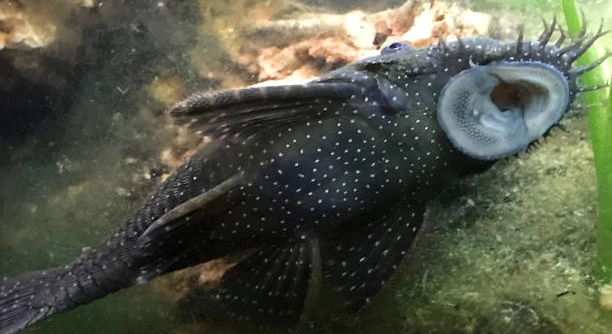
Plecos are fascinating fish that enjoy more than just swimming in their tank. Their environment plays a big role in keeping them healthy, active, and comfortable. Setting up a tank with their needs in mind makes a noticeable difference.
Plecos thrive when their tank includes plenty of hiding spots, smooth surfaces, clean water, and a proper diet. Including driftwood, live plants, and gentle filtration replicates natural conditions, supporting their overall well-being and reducing stress in captivity.
Creating the right tank environment is essential for plecos’ health. The details we cover will help you improve their living space effectively.
Driftwood and Hiding Spots
Driftwood is a key addition to any pleco tank. Plecos love to hide and rest in shaded areas, and natural wood provides both shelter and surfaces to graze on. Pieces of driftwood also release beneficial tannins, which slightly acidify the water and create conditions similar to their natural habitat. Adding caves, PVC pipes, or rock formations gives them more areas to feel secure. When selecting driftwood, make sure it is aquarium-safe and properly soaked or boiled to remove impurities. The placement of these items should allow plecos to explore without overcrowding the tank. By combining hiding spots with driftwood, you support both physical activity and stress reduction. Watching plecos interact with these features is calming and shows how much they rely on a thoughtfully arranged environment. Over time, plecos may even scrape the wood, which is part of their natural feeding behavior. Proper hiding spots also reduce aggression between multiple fish in the same tank.
Providing driftwood and various hiding spots helps plecos feel safe and encourages natural behavior, including grazing and resting in shaded areas.
Adding a mix of caves and driftwood turns the tank into an engaging space. Plecos will have multiple areas to explore and rest, which can improve their overall health and activity levels. Observing them move between hiding spots is rewarding, showing that small environmental adjustments make a noticeable difference.
Proper Filtration and Water Flow
Good filtration is vital for plecos’ health. A gentle current is preferred, as strong flow can stress them.
A quality filter keeps the water clean by removing debris and excess waste, which plecos produce as they feed on algae and driftwood. A moderate water flow mimics rivers where plecos naturally live, encouraging them to swim without forcing them into constant movement. Regular filter maintenance ensures consistent water quality, preventing harmful ammonia or nitrite buildup. Using a sponge or pre-filter cover can protect plecos from being sucked into the filter. In addition, partially hiding the filter behind decorations or plants helps maintain the tank’s natural look and reduces stress. Combined with regular water changes, proper filtration supports a stable and healthy environment. Temperature and pH levels also interact with filtration to keep the tank balanced. Plecos tend to thrive when their environment feels predictable, so consistent cleaning and gentle flow are crucial. Over time, these measures help plecos display natural behaviors like grazing, resting in hidden areas, and interacting calmly with tank mates, all while staying healthy.
Live Plants
Live plants provide plecos with natural surfaces to graze on and contribute to water quality by absorbing nitrates. They create shaded areas and hiding spots, making the tank feel more secure. Fast-growing plants like Java fern or Anubias work well in pleco tanks.
Plants help stabilize the tank environment by reducing toxins and adding oxygen. Plecos enjoy scraping algae off plant leaves, which supplements their diet. Arranging plants with varying heights creates layers that plecos can explore, rest beneath, or use as shelter. Floating plants add cover near the surface, which plecos may appreciate for protection from bright lights. Using hardy species reduces the risk of damage from their grazing behavior, while also keeping the tank visually appealing. Plants can influence water chemistry slightly, so pairing them with driftwood and regular water changes creates a balanced ecosystem.
Including live plants also supports natural behaviors and keeps plecos engaged. Their grazing and resting habits are encouraged, helping reduce stress. A planted tank requires observation and some care, but the benefits to both fish and water quality are significant. Over time, you’ll notice your plecos exploring more and appearing more comfortable in their surroundings, showing that these additions enhance their well-being.
Substrate Choices
Plecos prefer soft or smooth substrates to protect their delicate fins and undersides. Sand, fine gravel, or smooth river rocks are ideal for movement and foraging. Avoid sharp or jagged materials.
Soft substrates allow plecos to dig slightly, which is part of their natural behavior, and prevent injuries during movement or grazing. Darker-colored substrates tend to make plecos feel more secure, as lighter surfaces may make them anxious. Sand is easy to clean, preventing debris buildup, while gravel allows water flow between particles, reducing waste accumulation. Some plecos enjoy burying themselves partially in the substrate or moving small particles around, which adds enrichment to their environment. Substrate choice also affects tank maintenance; smooth surfaces are easier to vacuum without disturbing the fish. Consider combining sand with small smooth rocks to give a more natural, varied terrain that encourages exploration.
A well-chosen substrate contributes to plecos’ health, comfort, and natural behavior. It works together with plants, driftwood, and hiding spots to create a safe, stimulating environment where plecos can graze, rest, and move freely without stress or injury. Regular observation helps ensure the substrate meets their needs over time.
Lighting Preferences
Plecos do best with subdued lighting. Bright lights can stress them and make them hide more often. Using low-intensity or dimmable lights helps them feel comfortable and encourages natural activity.
Providing shaded areas with plants or driftwood complements gentle lighting. It creates spots for resting and grazing without constant exposure to strong light.
Temperature and Water Conditions
Maintaining stable water temperature between 74°F and 80°F is ideal for most plecos. They thrive in slightly acidic to neutral pH, around 6.5 to 7.5. Consistent water parameters prevent stress, support digestion, and promote natural behavior. Using a reliable heater and thermometer ensures stability, while regular water testing keeps levels safe. Sudden changes in temperature or pH can lead to illness or lethargy, so it’s important to monitor carefully. Plecos also benefit from gentle water flow, which simulates rivers and streams. Paired with proper filtration, these conditions create a balanced habitat where plecos can graze, rest, and move naturally, improving both health and longevity.
Tank Size
Plecos need adequate space to move and grow. A larger tank reduces stress and supports natural behavior.
FAQ
What do plecos eat besides algae?
Plecos enjoy more than just algae. They benefit from sinking wafers, vegetables like zucchini or cucumber, and occasional protein-based foods. Driftwood also provides fiber and helps with digestion. Feeding a varied diet ensures they get essential nutrients and supports their growth and overall health.
How often should I clean my pleco tank?
Cleaning frequency depends on tank size and filtration efficiency. Generally, partial water changes every one to two weeks work well. Removing uneaten food and debris during these changes prevents harmful buildup. Keeping water parameters stable reduces stress and keeps plecos healthy.
Can plecos live with other fish?
Plecos are mostly peaceful but can be territorial with their own kind. They do well with community fish that are not aggressive. Providing enough hiding spots reduces conflict. Avoid housing them with overly aggressive or fin-nipping species to prevent injuries and stress.
How big should my pleco tank be?
Tank size varies by species, but most common plecos need at least 30 to 50 gallons. Larger species may require 75 gallons or more. A spacious tank allows them to move freely, explore hiding spots, and graze without stress, promoting natural behavior and long-term health.
Why is my pleco hiding all the time?
Hiding is normal, especially during the day. Plecos are nocturnal, so they are more active at night. Excessive hiding may indicate stress from strong lighting, poor water quality, or overcrowding. Providing shaded areas, proper filtration, and gentle lighting helps them feel secure.
Do plecos need driftwood in their tank?
Driftwood is highly recommended. Many pleco species rasp on wood to aid digestion and get nutrients. It also creates natural hiding spots and encourages grazing behavior. Choosing smooth, aquarium-safe wood ensures safety while enriching their environment.
How do I tell if my pleco is healthy?
A healthy pleco is active at night, has bright eyes, smooth fins, and grazes regularly. Skin should be free of lesions or discoloration. Slow movement, unusual hiding, or poor appetite may indicate illness or stress, requiring prompt attention.
Can plecos survive in cold water?
Plecos are tropical fish and prefer warm water. Temperatures below 70°F can stress them and weaken their immune system. Using a reliable heater to maintain 74–80°F ensures their comfort, growth, and health. Sudden temperature drops should be avoided.
Do plecos grow quickly?
Growth depends on species, diet, and tank conditions. Common plecos grow steadily, reaching their adult size in 1–2 years. Large pleco species may take longer. Adequate space, proper nutrition, and clean water support healthy development and prevent stunted growth.
Is it necessary to test tank water for plecos?
Yes. Regular testing of pH, ammonia, nitrites, and nitrates ensures a stable environment. Plecos are sensitive to poor water conditions, and consistent monitoring helps prevent stress or illness. Proper filtration combined with water testing maintains a safe habitat.
How often should I feed my pleco?
Feeding 2–3 times per week is often sufficient, depending on diet and tank size. Overfeeding can foul the water and stress the fish. Observing grazing behavior and adjusting portions helps maintain their health while keeping the tank clean.
Can plecos reproduce in a home aquarium?
Some species can breed in captivity with proper conditions, including caves for egg-laying and stable water parameters. However, reproduction is not guaranteed, and certain species require very specific environments. Observing natural behavior increases the likelihood of successful breeding.
What decorations are safe for plecos?
Smooth rocks, driftwood, PVC pipes, and live plants are ideal. Avoid sharp or toxic materials that could injure plecos or leach harmful substances into the water. Proper decoration supports natural behavior while keeping the tank safe and visually appealing.
Why is my pleco not eating?
Refusal to eat may indicate stress, illness, or unsuitable tank conditions. Check water quality, temperature, and diet variety. Offering fresh vegetables or algae wafers often encourages feeding. Monitoring closely ensures any health issues are addressed promptly.
Do plecos need a night-time environment?
Plecos are nocturnal and appreciate dim or dark areas at night. They naturally forage and explore during low light. Ensuring nighttime darkness or using subdued lighting supports their natural activity and reduces stress, promoting overall well-being.
Can plecos live alone?
Yes, plecos can thrive alone if their tank provides sufficient hiding spots, surfaces to graze on, and stable water conditions. Solitary living reduces territorial conflicts, but proper tank enrichment remains essential for mental stimulation and physical activity.
How long do plecos live?
With proper care, plecos can live 10–15 years, and some species even longer. Adequate space, nutrition, and water quality are key factors. Monitoring health regularly ensures they enjoy a long, active life.
Is it necessary to provide algae for plecos?
Algae is a natural part of their diet, but it’s often not enough alone. Supplementing with vegetables, sinking wafers, and driftwood ensures balanced nutrition. Algae growth can be encouraged naturally or supplemented with commercial products for dietary variety.
How do I reduce pleco stress?
Providing hiding spots, gentle water flow, stable water conditions, and appropriate tank mates reduces stress. Avoid sudden changes in temperature, lighting, or water chemistry. Observing behavior regularly helps identify and address potential stressors early.
Do plecos need special water treatments?
Plecos generally benefit from dechlorinated water. Some species prefer slightly acidic or tannin-rich water, which can be achieved with driftwood or natural supplements. Routine water testing and adjustments maintain a healthy, safe environment.
This FAQ section covers the most common concerns about plecos, offering practical advice on care, feeding, tank setup, and health. By following these guidelines, plecos can thrive in a home aquarium while displaying natural behavior and remaining active and healthy.
Word count: 512
Final Thoughts
Caring for plecos requires attention to their natural needs and habits. They are more than just algae eaters—they are active, curious fish that rely on their environment to feel safe and healthy. A well-thought-out tank setup makes a noticeable difference in their behavior and well-being. Including driftwood, live plants, smooth substrates, and gentle lighting creates a space that plecos can explore and use for resting, grazing, and hiding. Each element plays a role in reducing stress and encouraging natural activity, which is important for both their physical health and mental stimulation. Plecos are sensitive to sudden changes in water temperature, pH, and overall water quality. Regular monitoring, proper filtration, and consistent care help prevent health issues and keep them comfortable in their habitat. Observing how they interact with the tank shows that even small adjustments, like adding a hiding spot or rearranging plants, can have a positive impact on their confidence and activity levels.
Providing a balanced diet is another critical aspect of pleco care. While they will graze on algae naturally present in the tank, supplemental foods such as sinking wafers, fresh vegetables, and occasional protein help meet their nutritional needs. Driftwood is also important, as many pleco species rasp on it for fiber and digestive support. Overfeeding can create water quality issues, so portion control is essential. Feeding two to three times a week is usually sufficient, depending on the species and tank size. By combining proper feeding with an enriched tank environment, plecos are more likely to display natural behaviors and maintain a healthy growth rate. Keeping an eye on their eating habits, activity levels, and overall appearance helps identify potential health concerns early, ensuring that any problems can be addressed before they become serious.
Lastly, understanding plecos’ social and environmental preferences contributes to their long-term well-being. Most plecos can live alone or with compatible tank mates, but overcrowding or aggressive species can cause stress and territorial disputes. Providing multiple hiding spots, shaded areas, and gentle water flow helps maintain harmony in a community tank. Tank size is also important, as plecos need space to move freely and grow without feeling confined. Consistent care, attention to water quality, and observing their natural behavior are essential to keeping plecos healthy and content. Over time, these efforts not only support their physical health but also allow you to enjoy watching their unique personalities and behaviors. A thoughtfully arranged tank, combined with proper diet and care, ensures plecos thrive in captivity, making them rewarding and fascinating fish to care for.
Word count: 409

Hello,
If you enjoy the content that we create, please consider saying a "Thank You!" by leaving a tip.
Every little bit helps us continue crafting quality advice that supports the health, happiness, and well-being of pets around the world, for pets of all shapes, sizes, and species.
We really appreciate the kindness and support that you show us!