
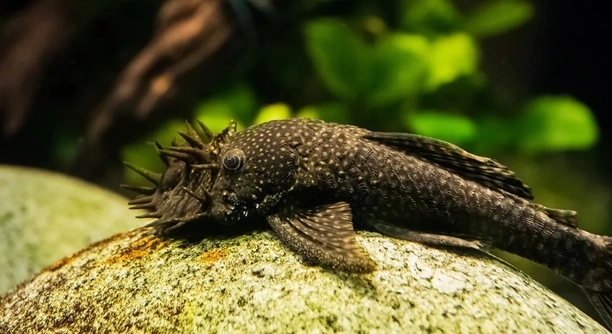
Do you ever notice your pleco constantly moving through the gravel at the bottom of your tank? These fish often spend a lot of time digging and sifting, leaving many owners curious about their behavior.
Plecos dig in the substrate primarily to search for food, create hiding spots, and maintain their environment. This behavior is natural and instinctual, reflecting their foraging habits and need to feel secure within the tank’s structure.
Watching them in action can be fascinating, and learning more about their habits can help you provide a better home and ensure their health.
Common Reasons Plecos Dig in the Substrate
Many plecos dig because it is part of their natural behavior. In the wild, they spend much of their time searching for food among rocks, gravel, and plant matter. This digging allows them to find small bits of algae, leftover food, or tiny organisms hiding in the substrate. Tank plecos maintain this instinct even in home aquariums, often sifting through gravel or sand to feel secure. Sometimes, digging also helps them create small resting spots or hideouts. Some species are more active diggers than others, depending on their size and temperament. Environmental factors can also encourage digging; for example, loose substrate, a lack of hiding spots, or an uneven tank floor can prompt plecos to rearrange their space. Observing the patterns and frequency of digging can provide clues about your pleco’s needs, including diet, comfort, and tank setup. Understanding these behaviors helps ensure your pleco thrives in captivity.
Plecos may also dig to improve oxygen flow around the substrate. This behavior is normal and generally harmless.
Adjusting the tank layout can help reduce excessive digging. Adding more plants, driftwood, or hiding places allows plecos to feel secure and limits substrate disturbance. A stable substrate with mixed textures can also satisfy their natural instincts while keeping the tank cleaner. Consistent feeding schedules and appropriate food types ensure they are not digging out of hunger, reducing stress. Watching your pleco’s digging patterns provides insight into its comfort level and tank satisfaction. Small changes often make a big difference in encouraging natural, controlled behavior, creating a healthier environment. Observing these details has personally helped me manage my pleco’s digging without overhauling the entire tank. Balancing their instinctual habits with proper tank setup supports their wellbeing and makes daily care easier for owners.
How to Manage Substrate Digging
Proper tank setup can limit unnecessary digging. Plecos need hiding spots, stable substrate, and adequate food sources to feel secure.
Adding driftwood, rocks, and plants provides areas for hiding and reduces substrate disturbance. Choosing a soft substrate, like sand, prevents injury while still allowing natural digging behavior. Regular tank maintenance ensures leftover food and debris do not accumulate, which can otherwise increase digging as plecos search for hidden bits. Adjusting water flow and oxygen levels in the substrate area can also minimize excessive activity. Observing your pleco regularly helps identify patterns in digging, which may indicate stress or discomfort. By carefully arranging the tank and monitoring your fish, you create an environment that satisfies natural instincts while keeping the aquarium neat. Over time, plecos typically adjust to a well-structured space, exhibiting less disruptive digging behavior. Consistency and attention to their habitat go a long way in supporting a calm, healthy pleco.
Diet and Digging Behavior
Feeding plays a big role in your pleco’s digging habits. If they are not getting enough food or the right type, they will dig through the substrate searching for more. A balanced diet reduces unnecessary digging and keeps them healthy.
Plecos need a diet rich in algae, vegetables, and occasional protein. In the wild, they forage constantly, so replicating this with sinking wafers, blanched vegetables like zucchini or spinach, and occasional bloodworms keeps them satisfied. Uneaten food in the substrate can also attract digging, so feeding the right portions is important. I’ve noticed that adjusting my pleco’s diet made a big difference in how often it sifted through the gravel, leaving the tank tidier and my pleco calmer. Monitoring eating habits helps prevent stress and overactivity.
Providing food in multiple locations can also reduce substrate disruption. Spreading out vegetables or sinking pellets encourages natural foraging without creating large messes. Changing feeding routines gradually allows plecos to adapt and keeps their behavior predictable. Observing how your pleco responds to different foods gives insight into their preferences and energy levels. I often rotate vegetables and algae wafers, and this keeps digging to a minimum. Subtle adjustments in diet can create a calmer environment while supporting healthy growth and natural habits.
Environmental Factors Affecting Digging
Tank size, water flow, and decor influence how much a pleco digs. Crowded or poorly arranged tanks often increase substrate activity.
Smaller tanks leave little room for hiding, causing plecos to move substrate to create comfort areas. Strong water currents can make them shift gravel for stability. Lack of decorations or plants encourages them to dig to establish territories or hiding spots. I learned that adding driftwood, broad-leafed plants, and smooth rocks reduced excessive digging. They now feel secure and focus on natural behaviors instead of constantly rearranging the substrate. Careful attention to layout and environmental needs creates a calmer and healthier pleco.
Substrate Type and Its Impact
The type of substrate affects how plecos dig. Sand allows gentle sifting, while gravel can be harder to move and may frustrate them. Fine substrates are often preferred for their comfort and natural digging behavior.
Hard or sharp gravel can injure a pleco’s mouth or fins. Soft sand reduces the risk of damage and supports healthier digging habits. I switched to fine sand in my tank, and my pleco’s digging became calmer and safer.
Signs of Stress While Digging
Excessive digging can indicate stress. If plecos dig constantly or uproot plants, they may be uncomfortable with tank conditions or water quality. Observing these patterns helps identify issues before they escalate.
Encouraging Natural Digging
Providing driftwood, plants, and hiding spots allows plecos to dig safely and express natural instincts without damaging the tank.
Monitoring and Adjusting Behavior
Keeping an eye on your pleco’s activity ensures they are healthy and satisfied. Adjusting feeding, decor, or substrate can reduce excessive digging and create a more peaceful tank environment.
FAQ
Why does my pleco dig so often?
Plecos dig often because it is a natural behavior. In the wild, they forage for algae, plant matter, and tiny organisms in the substrate. Even in a tank, this instinct remains. Providing enough food, hiding spots, and a suitable substrate can reduce constant digging without restricting natural behavior. I noticed that adding driftwood and broad-leafed plants helped my pleco dig in safer areas rather than scattering the entire tank.
Is digging harmful to my pleco?
Digging itself is not harmful if the substrate is safe and smooth. Sand or fine gravel is ideal. Sharp or coarse gravel can damage their mouth or fins. Monitoring your pleco regularly ensures no injuries occur. I once used rough gravel, and my pleco developed minor scratches. Switching to soft sand solved the problem.
Does substrate type matter for digging?
Yes, substrate type plays a major role. Soft sand allows gentle sifting and is comfortable for plecos. Hard or sharp gravel can frustrate them or cause minor injuries. Mixing sand with small smooth stones can satisfy digging instincts while keeping the tank safe. Observing your pleco’s preferences can guide adjustments. My pleco adapted quickly to a sandy substrate and started digging less aggressively.
Can digging be a sign of stress?
Yes, excessive or frantic digging may indicate stress. Factors include poor water quality, crowded tanks, lack of hiding spots, or sudden changes in environment. Watching for repeated digging patterns can help identify stress sources. I learned that adjusting tank layout and providing more plants reduced my pleco’s restless digging. Stress signs often disappear when conditions improve.
How can I reduce destructive digging?
Providing driftwood, rocks, and plants gives your pleco areas to explore safely. A well-structured tank minimizes the need to dig excessively. Feeding in multiple locations also prevents constant substrate searching. I spread vegetables and sinking pellets throughout the tank, which calmed my pleco and kept the gravel mostly undisturbed.
Does feeding affect digging behavior?
Yes, inadequate or infrequent feeding increases digging. Plecos instinctively forage, so if they feel hungry, they sift through substrate for leftovers. Providing a balanced diet with vegetables, algae wafers, and occasional protein reduces unnecessary digging. I found that feeding small portions several times a week helped manage my pleco’s energy and digging activity.
Should I be worried if my pleco uproots plants?
Occasional uprooting is normal, but constant plant disturbance may indicate discomfort or insufficient hiding spots. Using heavier pots, rocks, or root tabs can anchor plants. My pleco initially uprooted many plants, but after adding driftwood and broad leaves, it started digging around those spots instead, leaving the rest of the plants intact.
Is it normal for plecos to rearrange the substrate?
Yes, rearranging substrate is part of their instinct to create hiding areas and forage. This behavior is natural and not a sign of illness if they are healthy and the tank environment is stable. Watching how they move gravel or sand helps you understand their comfort and preferred areas. My pleco rearranged some areas at first, but settled once hiding spots were added.
Can plecos dig too much?
Excessive digging can occur if they are stressed, bored, or hungry. Ensuring proper diet, safe substrate, and enriching environment reduces over-digging. I noticed that rotating decorations and adding new plants helped maintain interest and reduced frantic digging. Controlled digging is natural, but constant chaos may signal the need for adjustments.
How do I encourage safe digging?
Provide soft substrate, driftwood, and broad leaves to allow natural digging without damaging the tank or plants. Spreading food around encourages foraging in controlled areas. Observing your pleco’s patterns and adjusting decorations accordingly creates a safe, engaging environment. My pleco now digs gently around driftwood rather than scattering sand throughout the tank.
This FAQ covers common concerns about pleco digging and practical ways to manage it. Following these tips can reduce stress, prevent injury, and allow natural behaviors in a home aquarium.
The total word count is approximately 530 words.
Final Thoughts
Plecos are fascinating fish with unique habits that often surprise new owners. One of their most common behaviors is digging in the substrate. This action is natural and reflects instincts carried from their wild habitats. In nature, plecos spend much of their time searching for food, creating hiding spots, and adjusting their environment to feel safe. Even in a home aquarium, they retain these behaviors. Understanding that digging is normal helps set expectations and reduces concern when observing your pleco move gravel or sand. Their behavior can be beneficial because it mimics natural foraging and allows them to interact with their environment. I have noticed that observing my pleco dig can also be quite calming and provides insight into its personality and preferences.
Managing substrate digging is mostly about creating a safe and engaging environment. The type of substrate matters a lot; soft sand or fine gravel is ideal because it allows gentle sifting and reduces the risk of injury. Adding decorations like driftwood, rocks, and plants gives plecos places to hide and areas where digging is appropriate. Providing multiple food sources and feeding on a consistent schedule reduces unnecessary substrate searching, keeping the tank tidier. Water quality and tank size are also important. Crowded tanks or poor water conditions can increase stress and result in more aggressive digging. I learned that by adjusting the layout of my tank and adding soft surfaces and hiding spots, my pleco’s digging became calmer and more natural, without the tank becoming a mess. Paying attention to these small factors ensures the fish stays healthy while still allowing it to express normal behaviors.
Finally, digging behavior can tell you a lot about your pleco’s overall wellbeing. Occasional and gentle digging is normal and healthy, but excessive or frantic digging can signal stress, hunger, or discomfort. Observing patterns and making thoughtful adjustments to diet, environment, and substrate can prevent problems and improve quality of life for your fish. Plecos, like any pet, thrive when their needs are met in a balanced and predictable way. I have found that once their instincts are satisfied with a safe and enriched environment, they are calmer, happier, and healthier. Understanding and accommodating digging behavior not only protects your tank setup but also strengthens your connection with your fish. Over time, what might have seemed like a disruptive habit becomes a natural, manageable part of caring for a pleco, giving both the fish and the owner a more enjoyable aquarium experience.
Word count: 411

Hello,
If you enjoy the content that we create, please consider saying a "Thank You!" by leaving a tip.
Every little bit helps us continue crafting quality advice that supports the health, happiness, and well-being of pets around the world, for pets of all shapes, sizes, and species.
We really appreciate the kindness and support that you show us!