
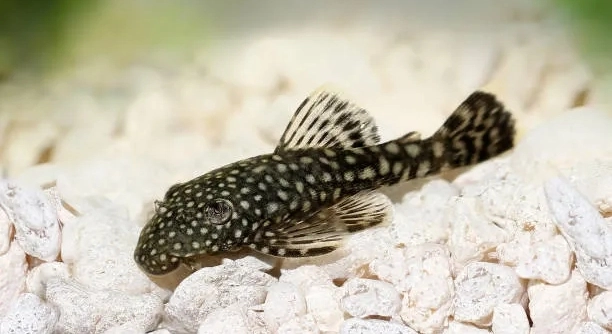
Bristlenose plecos are peaceful algae eaters that can bring life to your freshwater tank. Choosing the right companions ensures a harmonious environment while keeping these bottom dwellers happy and healthy. Tank compatibility plays a crucial role in their well-being.
Suitable tank mates for bristlenose plecos include small tetras, rasboras, corydoras, guppies, mollies, otocinclus, and peaceful gouramis. These species share similar water requirements, exhibit non-aggressive behavior, and occupy different areas of the tank, minimizing territorial conflicts and promoting stability.
Selecting compatible companions enhances your aquarium’s balance and visual appeal, providing a safe and thriving environment for all inhabitants to coexist peacefully.
Small Tetras
Small tetras are ideal tank mates for bristlenose plecos due to their peaceful nature and similar water preferences. Species like neon tetras and cardinal tetras swim mostly in the mid to upper levels of the tank, leaving the bottom area for plecos to graze comfortably. They are active swimmers, adding movement and color to the aquarium without disturbing the plecos’ routine. Tetras are schooling fish, so keeping them in groups of six or more helps reduce stress and encourages natural behavior. They are adaptable to various freshwater conditions, provided the water is clean and well-maintained. Feeding tetras is straightforward, as they accept flakes, micro-pellets, and frozen foods, complementing the diet of plecos without competition. Their small size and gentle temperament make them safe companions for other peaceful species. Observing tetras can be enjoyable, as their synchronized swimming and vibrant colors create a lively yet calm environment that benefits all tank inhabitants.
Small tetras are low-maintenance, colorful, and peaceful, making them excellent companions for bristlenose plecos in community tanks.
Adding small tetras improves tank harmony, providing movement and visual appeal. They occupy the upper and middle tank levels, keeping the bottom area free for plecos. Their schooling behavior reduces stress, and their diet does not compete with the algae-eating habits of bristlenose plecos.
Corydoras Catfish
Corydoras catfish are bottom-dwelling fish that coexist peacefully with bristlenose plecos. They prefer soft substrates to prevent injury to their barbels and enjoy foraging for leftover food along the tank floor. Their gentle nature ensures no territorial disputes with plecos.
These catfish should be kept in small groups to encourage natural behavior and reduce stress.
Corydoras help maintain cleanliness in the tank by scavenging uneaten food, complementing the plecos’ algae-eating habits. They are hardy and adaptable, thriving in similar water conditions, such as pH levels between 6.5 and 7.5 and moderate temperatures. With a peaceful temperament, they rarely show aggression, making them compatible with small tetras, rasboras, and other non-aggressive species. Their active foraging behavior and social nature enhance the aquarium’s dynamic without interfering with plecos’ grazing. Providing hiding spots and shaded areas allows both species to feel secure. Overall, corydoras contribute to a balanced and visually appealing tank, promoting a healthy environment for bristlenose plecos and other peaceful fish.
Guppies
Guppies are small, colorful fish that thrive in community tanks with bristlenose plecos. They swim mostly in the upper levels, leaving the bottom undisturbed. Their peaceful behavior and adaptability make them easy to care for alongside plecos.
Guppies reproduce quickly and display vibrant colors, adding visual interest to the aquarium. They are hardy, tolerating a range of water conditions, and they feed on flakes, micro-pellets, and occasional live food. Since they occupy different tank levels than plecos, there is minimal competition for space or resources. Guppies are social, so keeping them in small groups encourages natural schooling behavior, which reduces stress and keeps them active. Their presence brings energy and movement to the tank without disrupting the plecos’ routine.
Because guppies focus on the upper water levels and plecos stay at the bottom, both species coexist without conflict. Their ease of care, adaptability, and colorful appearance make guppies a suitable addition to a peaceful freshwater community tank.
Mollies
Mollies are live-bearing fish that adjust well to tanks with bristlenose plecos. They are calm and usually swim in the middle to upper levels, avoiding conflict with bottom-dwelling plecos. Their diet includes flakes, algae wafers, and small live foods.
These fish require stable water conditions and moderate filtration to stay healthy. Mollies can tolerate slightly brackish water, but they do well in standard freshwater with regular maintenance. Their peaceful nature ensures they do not disturb plecos, while their active swimming and colorful patterns add life to the aquarium. Mollies can be kept in small groups to encourage social behavior and reduce stress. Providing plants and hiding spots helps them feel secure. Overall, mollies complement bristlenose plecos by occupying different levels and contributing to a balanced, visually appealing tank environment.
Otocinclus
Otocinclus are small algae-eating fish that pair well with bristlenose plecos. They are gentle, stay mostly in the mid to upper levels, and help control algae without competing for territory.
These fish thrive in well-established tanks with stable water parameters. Their peaceful temperament ensures harmony with plecos and other non-aggressive species.
Peaceful Gouramis
Peaceful gouramis, such as dwarf or honey gouramis, occupy the middle and upper levels of the tank. They are slow swimmers, rarely aggressive, and add subtle color and movement. Gouramis tolerate the same water conditions as bristlenose plecos, making them compatible companions. Their calm nature ensures minimal stress in a community aquarium.
Rasboras
Rasboras are small, schooling fish that remain active in the upper levels of the tank. They are non-aggressive, easy to feed, and do not interfere with bottom-dwelling plecos. Their bright colors and coordinated swimming enhance the tank’s visual appeal while maintaining peace among all species.
FAQ
What makes a good tank mate for bristlenose plecos?
A suitable tank mate is peaceful, non-aggressive, and occupies a different tank level than plecos. Bottom-dwelling plecos prefer fish that swim in the middle or upper levels. Compatibility in water parameters, such as pH, temperature, and hardness, is essential. Fish that do not compete for algae or hideouts create a balanced environment. Small schooling fish like tetras or rasboras, or calm mid-level swimmers like gouramis, make ideal companions. Live-bearing fish like guppies or mollies also fit well as they are generally non-territorial. Observing fish behavior over time helps ensure harmony.
Can bristlenose plecos live with aggressive fish?
No, aggressive or territorial fish can stress plecos, leading to hiding, reduced feeding, or injuries. Plecos are peaceful by nature and prefer calm tankmates. Aggressive species may attack fins or compete for space, which can compromise the health of plecos. Maintaining a compatible community ensures plecos remain active, healthy, and able to graze naturally on algae. If aggressive fish are desired, separating them in a different tank or using dividers is recommended. Peaceful, similarly sized species minimize conflict while maintaining a visually appealing aquarium.
How many tank mates can a pleco have?
The number of tank mates depends on tank size and filtration. A 20–30 gallon tank can comfortably house a small school of tetras, a few guppies, or a pair of gouramis alongside one or two plecos. Overcrowding stresses fish and increases waste, affecting water quality. Plecos produce significant bio-load, so filtration and water changes must match the number of inhabitants. Adding fish gradually allows monitoring of behavior and water parameters. Maintaining proper stocking ensures both plecos and their companions thrive, reducing aggression and disease risk.
Do plecos require hiding spots when sharing a tank?
Yes, hiding spots are essential for plecos to feel secure. Driftwood, caves, and dense plants give them areas to retreat and rest. Without hiding spots, plecos may become stressed or hide excessively, reducing feeding and growth. Hiding areas also reduce potential conflicts with other fish. Providing multiple spaces accommodates several plecos or other bottom dwellers. Driftwood benefits plecos nutritionally, supplying natural cellulose to aid digestion. The combination of shelter and grazing areas ensures plecos remain healthy, active, and comfortable in a community tank.
Are all algae-eating fish compatible with plecos?
Not all algae-eaters are suitable companions. Some, like certain plecostomus species, grow very large or become territorial. Otocinclus and small snails are compatible because they are peaceful and occupy different tank levels. Compatibility depends on size, temperament, and water requirements. Monitoring interactions in the early stages ensures no aggression or stress occurs. Avoid mixing fish that are highly competitive for food or shelter, as this can disrupt harmony. Choosing compatible algae-eaters helps maintain clean tanks while supporting plecos’ grazing habits.
Can plecos share a tank with shrimps or snails?
Yes, plecos usually coexist peacefully with small invertebrates. Shrimps and snails occupy spaces plecos do not frequent, limiting competition. Some plecos may occasionally nibble on soft-shelled shrimp or snail eggs, but generally, they are safe tank mates. Providing plenty of hiding spots for shrimps and adequate food reduces any risk. Snails also contribute to the tank ecosystem by consuming leftover food and algae, complementing plecos’ cleaning behavior. Careful observation during the first few weeks ensures harmony and prevents accidental predation.
How do I ensure harmony among tank mates?
Harmony depends on proper stocking, compatible species, and sufficient space. Avoid aggressive fish or those that compete for the same territory. Provide hiding spots, maintain water quality, and feed all species adequately. Observing interactions regularly helps catch early signs of stress or aggression. Gradual introductions allow fish to adapt and reduce territorial disputes. Balancing tank levels, diet, and shelter ensures a peaceful community where bristlenose plecos and other species coexist successfully.
What is the ideal tank size for a community with plecos?
A minimum of 30 gallons is recommended for one bristlenose pleco with small tank mates. Larger tanks allow more species, schools of tetras or rasboras, and multiple hiding spots without overcrowding. Proper filtration and regular water changes maintain stability. Tank size influences stress levels, aggression, and overall health. A spacious environment allows plecos to graze freely and coexist peacefully with other fish, improving visual appeal and promoting natural behavior.
Final Thoughts
Bristlenose plecos are peaceful and adaptable fish that can bring a unique charm to a freshwater tank. Choosing the right tank mates is essential to ensure a balanced and harmonious environment. When paired with calm, non-aggressive species, plecos can thrive without stress or conflict. Small tetras, rasboras, guppies, mollies, otocinclus, and peaceful gouramis are excellent companions because they occupy different tank levels and do not compete for food or territory. Corydoras catfish also make good partners as bottom dwellers, complementing plecos’ behavior while helping keep the tank clean. Providing a mix of species allows each fish to display natural behaviors, creating a dynamic and visually appealing aquarium.
Creating a suitable habitat involves more than selecting compatible species. Water quality and proper tank maintenance play a critical role in keeping plecos healthy. These fish prefer clean, well-oxygenated water with stable temperature and pH levels. Regular water changes and adequate filtration are necessary to manage waste, especially when multiple species share the tank. Hiding spots and decorations, like driftwood and caves, help plecos feel secure and reduce stress. Driftwood is particularly beneficial because it aids digestion and mimics the plecos’ natural environment. Observing fish behavior is also important. Signs of stress, aggression, or unusual hiding indicate that adjustments are needed in stocking, feeding, or tank layout. By focusing on both environmental and social factors, the tank can remain a peaceful space for all inhabitants.
Finally, planning for long-term care ensures the success of a community tank with plecos. Monitoring growth, feeding habits, and tank dynamics helps prevent problems before they escalate. Gradual introductions of new species or changes to the tank reduce stress and maintain harmony. A well-balanced tank not only supports plecos’ health but also enhances the overall aesthetic of the aquarium. Choosing compatible tank mates and maintaining a stable environment ensures that plecos continue to thrive while coexisting with other peaceful species. With proper care, patience, and attention, a community tank with bristlenose plecos can become a healthy and visually rewarding aquatic ecosystem, offering both beauty and balance for years to come.

Hello,
If you enjoy the content that we create, please consider saying a "Thank You!" by leaving a tip.
Every little bit helps us continue crafting quality advice that supports the health, happiness, and well-being of pets around the world, for pets of all shapes, sizes, and species.
We really appreciate the kindness and support that you show us!