
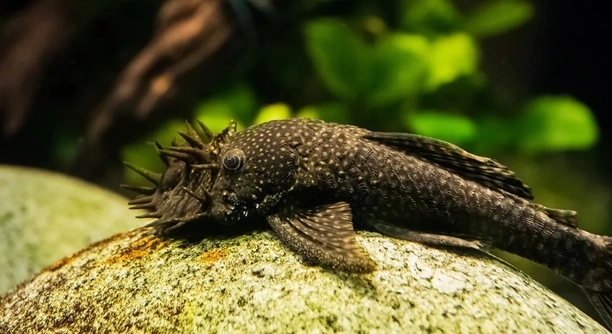
Plecos are popular freshwater fish, admired for their unique patterns and algae-eating habits. Many aquarium enthusiasts enjoy keeping them because they are peaceful and help maintain tank cleanliness. Their care, however, requires attention to feeding routines and environment.
Plecos can survive without food for approximately one to two weeks, depending on their size, age, and overall health. Factors such as water temperature, stress levels, and tank conditions influence their ability to endure periods of fasting safely.
Knowing how long plecos can go without eating is essential for responsible care. This knowledge ensures their health and supports a thriving, balanced aquarium environment.
Factors That Affect How Long Plecos Can Go Without Food
Several factors influence how long a pleco can survive without eating. Age is important; younger fish need more frequent feeding because they grow rapidly. Adult plecos are more resilient and can handle short fasting periods better. Size also matters—larger plecos have more energy reserves than smaller ones, allowing them to last longer without food. Water temperature plays a key role, as warmer water increases metabolism, making fish use energy faster. Stress from tank changes, aggressive tankmates, or poor water quality can also reduce their ability to endure fasting. Even the type of pleco affects this timeframe, as some species naturally store more energy than others. Observing your pleco’s behavior and physical condition can help determine if it is healthy enough to withstand a short period without feeding. Proper tank maintenance and monitoring feeding schedules are essential to prevent unnecessary health issues.
Adult plecos can often go about 10 to 14 days without food, but this varies depending on conditions and care.
Maintaining a healthy pleco requires understanding its habits and needs. Even though plecos can survive a brief period without feeding, consistent nutrition is critical. Observing their activity levels and body condition helps identify potential issues early. Providing hiding spots and a stress-free environment supports overall health. Algae and supplemental foods are necessary to keep them nourished. By keeping track of feeding schedules and water quality, you create conditions where plecos thrive naturally, reducing risks associated with fasting. Knowing how long they can safely go without food ensures you avoid unnecessary worry while maintaining a balanced tank.
Signs Your Pleco Is Hungry or Underfed
A pleco that is not eating may show physical or behavioral signs. Look for weight loss, faded colors, or unusual lethargy. They may become less active during feeding times or cling to surfaces without interest in food.
When a pleco is underfed, its body condition gradually declines. Their fins may appear thinner, and the tail might show signs of wear. Skin and scales could lose vibrancy, reflecting a lack of proper nutrition. Behavioral changes include reduced swimming and hiding more than usual. Over time, an underfed pleco becomes more susceptible to disease because its immune system weakens. Providing regular feedings and supplementing their diet with vegetables or sinking pellets ensures they maintain energy and strength. Observing their response to food helps gauge whether they are receiving enough nutrition. Keeping track of these signs allows you to intervene early, preventing long-term health issues while supporting a thriving tank environment. Proper monitoring is key to sustaining a healthy and active pleco.
How Often Plecos Should Be Fed
Adult plecos generally need feeding every two to three days. Younger plecos require daily feedings to support growth. Overfeeding can harm water quality and fish health, so monitoring portions is essential. Variety in diet helps maintain their nutritional balance.
Providing a balanced diet for plecos is crucial. They thrive on a mix of algae, vegetables, and sinking pellets. Vegetables like zucchini, cucumber, and spinach supply essential nutrients while supporting digestion. Algae wafers supplement natural grazing and keep their diet varied. Observing how much they eat at each feeding prevents leftovers from decaying in the tank, which can affect water quality. Feeding schedules should consider their activity levels and tank conditions to maintain optimal health.
Consistency in feeding benefits both plecos and the tank environment. Predictable meals help regulate metabolism and energy levels, while leftovers from irregular feedings may foul water. Offering small, manageable portions ensures that plecos consume all their food, reducing waste. Rotating vegetables and supplemental foods keeps them interested and nourished. Even during brief absences, knowing their capacity to survive without food allows careful planning, minimizing stress. This balance supports long-term health and promotes natural behavior in the aquarium, making daily maintenance smoother and more effective.
Preparing for Short Fasting Periods
Short fasting periods can occur during travel, tank maintenance, or temporary absence. Understanding their limits reduces stress and health risks. Observation is key before intentionally withholding food.
Plecos can handle fasting for up to a week under stable tank conditions. Ensuring water quality, temperature, and minimal stress during this period is essential. Supplementing their diet before a fast can help maintain energy reserves. Monitoring behavior and activity levels before and after fasting ensures no negative effects occur. Fasting should be planned, not sudden, to allow plecos to adjust and avoid unnecessary strain on their metabolism or immune system.
Proper planning and preparation make fasting manageable. Gradually reducing food intake a day or two before the fast helps them adjust naturally. Providing high-quality, nutrient-dense meals beforehand strengthens their energy stores. During the fasting period, maintaining stable water parameters, minimal handling, and a calm environment prevents additional stress. Observing plecos closely ensures they remain healthy and active. After the fasting period, reintroducing food slowly and in small amounts encourages normal feeding behavior. These steps support overall well-being, ensuring plecos remain strong, active, and less prone to illness during temporary food shortages.
Foods That Help Plecos Store Energy
Vegetables like zucchini, cucumber, and spinach provide fiber and essential nutrients. Algae wafers supply extra energy and help maintain a balanced diet. Offering a variety ensures plecos get enough sustenance to handle short fasting periods without health risks.
High-quality sinking pellets are a reliable source of protein and vitamins. Rotating foods prevents dietary deficiencies and keeps plecos interested in eating. Feeding in moderation avoids overfeeding, which can impact water quality and overall fish health.
Monitoring Pleco Health During Fasting
Observing behavior is key when plecos are not eating. Lethargy, weight loss, or faded colors may indicate stress or insufficient energy. Monitoring these signs helps prevent long-term health issues and ensures the fish remains in optimal condition.
Adjusting Feeding Based on Tank Conditions
Water temperature and tank activity influence feeding needs. Warmer water increases metabolism, requiring more frequent feedings, while cooler water slows digestion. Adjusting feeding schedules based on these factors supports plecos’ energy levels and overall health.
Preparing the Tank Before Extended Absences
Ensure filtration is functioning properly and water quality is stable before leaving plecos without food. A clean, stress-free environment reduces risks during short periods without feeding.
FAQ
How long can a pleco survive without food?
A healthy adult pleco can typically go one to two weeks without eating, depending on its size, species, and tank conditions. Smaller or younger plecos have fewer energy reserves and may require food sooner. Water temperature and stress levels also play a significant role in determining how long they can safely fast. Always observe your fish closely for signs of weakness or lethargy if a fasting period occurs.
What signs indicate my pleco is underfed?
Common signs include weight loss, faded colors, decreased activity, and hiding more often than usual. Fin and tail wear may also appear if the fish is undernourished. Behavioral changes such as ignoring food during feeding times suggest the pleco may not be receiving enough nutrients. Monitoring these signs helps you adjust feeding routines before health issues develop.
Can plecos survive longer without food if they have algae in the tank?
Yes, natural algae can supplement their diet during short fasting periods. Algae provides fiber and nutrients, giving plecos energy to survive a few extra days without additional feed. However, relying solely on algae is not recommended for extended periods, as it may not supply all the nutrients needed for long-term health.
Is it safe to intentionally fast my pleco?
Occasionally, a short fast of a day or two is generally safe for adult plecos, especially under stable tank conditions. Fasting can even help prevent overfeeding and improve digestion. It is important to plan carefully, ensuring water quality is maintained and the fish is not stressed during the period without food.
How should I feed plecos after a fasting period?
After fasting, reintroduce food slowly and in small portions. Start with easily digestible foods like vegetables or algae wafers. Gradually increase the quantity over several days to allow the digestive system to adjust. Monitoring their appetite and behavior helps prevent overeating and ensures a smooth return to regular feeding schedules.
Do water conditions affect how long plecos can go without food?
Absolutely. Stable water temperature, proper oxygen levels, and minimal stress from tankmates or sudden changes significantly affect a pleco’s ability to endure fasting. Warmer water increases metabolism, making fish use energy faster, while cooler water slows digestion. Maintaining consistent conditions reduces stress and supports survival during short fasting periods.
What should I do if my pleco refuses food for several days?
Check water quality, temperature, and tank conditions first. Stress, illness, or unsuitable environment can cause loss of appetite. Remove potential stressors, provide hiding spaces, and offer a variety of foods. If the pleco continues to refuse food, consult a veterinarian familiar with freshwater fish to prevent serious health problems.
Are certain pleco species more resilient to fasting?
Yes, larger species or those with natural adaptations for low-food environments tend to withstand fasting longer. Smaller species or those with higher metabolic rates may require more frequent feeding. Knowing your pleco’s species-specific needs helps plan feeding schedules and manage short absences without risking health issues.
Can I leave my pleco without food during vacation?
Adult plecos can often manage a week-long absence without food if water quality is stable and tank conditions are stress-free. Preparing the tank beforehand, ensuring filtration works properly, and offering supplemental algae or vegetable feed prior to leaving can help them maintain energy reserves safely.
How do I prevent health issues during short fasting periods?
Monitor behavior, maintain optimal water quality, and ensure the tank is calm and stress-free. Offer high-quality meals before fasting and reintroduce food gradually afterward. Observing your pleco closely allows you to respond to early signs of stress or weakness, preventing long-term health problems while supporting their overall well-being.
What is the maximum recommended fasting period for plecos?
For most adult plecos, fasting beyond two weeks is not recommended. Prolonged absence of food can lead to weight loss, weakened immunity, and increased vulnerability to disease. Careful planning and consistent feeding schedules are necessary to keep plecos healthy and active, even during short periods of fasting.
Can fasting affect pleco behavior permanently?
Short-term fasting usually does not cause permanent behavioral changes if the fish remains healthy and stress-free. However, repeated or prolonged food deprivation can lead to chronic stress, reduced activity, and increased hiding. Ensuring a balanced diet and consistent feeding schedule supports natural behavior and overall vitality.
How can I tell if my pleco is stressed during fasting?
Signs of stress include erratic swimming, clamped fins, color fading, and excessive hiding. Increased aggression or unusual lethargy may also occur. Observing these behaviors allows for immediate intervention, such as improving water quality, adjusting tankmates, or shortening the fasting period to reduce negative impacts on health.
Are there alternatives to feeding during short absences?
Algae wafers, pre-soaked vegetables, or automated feeders can help maintain nutrition during short absences. These methods provide energy and nutrients gradually, reducing risks associated with missed meals. Proper planning ensures plecos stay nourished without causing water quality issues from leftover food.
How important is diet variety for plecos?
Diet variety ensures plecos receive essential nutrients for growth, energy, and overall health. Combining vegetables, algae, and sinking pellets supports digestion and reduces the risk of nutrient deficiencies. A varied diet also helps plecos maintain interest in feeding and supports their natural foraging behavior in the tank.
This FAQ section provides practical, research-based guidance to help manage pleco feeding, fasting, and overall health effectively, ensuring a balanced and thriving aquarium environment.
Word count: 503
Final Thoughts
Caring for plecos requires attention to their feeding needs and overall health. While these fish are resilient and can survive short periods without food, understanding their limits is crucial. Adult plecos generally manage a week or two without eating, but younger or smaller fish have fewer energy reserves and require more frequent feeding. Observing their behavior, activity levels, and body condition helps identify when a pleco may be stressed or underfed. Subtle signs, like faded colors or reduced swimming, can indicate a need for attention. Consistent care, proper tank maintenance, and a stable environment play key roles in supporting their health during fasting periods.
Providing a balanced diet is essential for plecos’ long-term well-being. Vegetables, algae, and high-quality sinking pellets supply the nutrients they need to thrive. Variety in feeding ensures they get adequate vitamins, minerals, and fiber while preventing boredom and encouraging natural foraging behavior. Overfeeding can create water quality issues, so moderation is important. Feeding schedules should also take tank conditions into account. Warmer water increases metabolism, which may require more frequent feeding, while cooler water slows digestion and energy use. By monitoring feeding habits and adjusting portions accordingly, you maintain both the fish’s health and the aquarium environment.
Planning for short fasting periods is part of responsible care. Occasional fasting during travel or maintenance is usually safe for adult plecos if water quality is stable and stress is minimized. Preparing the tank, offering nutrient-rich meals beforehand, and slowly reintroducing food afterward helps maintain energy levels. Observing plecos during and after fasting ensures they remain healthy and active. Regularly checking water parameters, minimizing stressors, and providing hiding spaces supports their overall well-being. By combining careful observation, proper nutrition, and a stable environment, plecos can remain strong, active, and healthy, even during brief periods without food. Consistent attention to these factors ensures a thriving aquarium for both the fish and their caretaker.
Word count: 404

Hello,
If you enjoy the content that we create, please consider saying a "Thank You!" by leaving a tip.
Every little bit helps us continue crafting quality advice that supports the health, happiness, and well-being of pets around the world, for pets of all shapes, sizes, and species.
We really appreciate the kindness and support that you show us!