
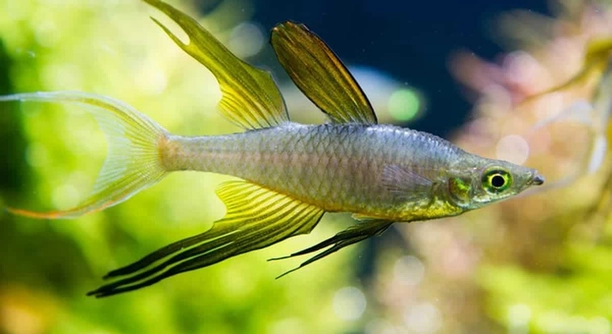
Have you ever watched threadfins swimming together and noticed how they move around their feeding spots? These fish often gather in groups, but their behavior around food can sometimes seem a little different from usual.
Threadfins do exhibit territorial behavior around food zones, especially when resources are limited. They may chase away other fish or assert dominance to secure access, ensuring their feeding efficiency and survival within competitive environments.
Observing their interactions provides valuable insight into their natural habits and how they maintain order in shared spaces. This understanding helps in both aquarium care and studying wild populations.
Understanding Threadfins’ Feeding Behavior
Watching threadfins feed can be surprisingly interesting. They don’t just eat randomly; they tend to focus on certain zones where food is abundant. In these areas, some fish become more dominant, pushing others away to secure their share. This behavior isn’t aggression for no reason—it’s about survival. The size and strength of the fish often determine who controls these feeding spots. Smaller threadfins may wait patiently or find alternative zones. Their movements are quick and calculated, often darting in to grab food before larger fish notice. Over time, this creates a balance, with dominant fish getting the majority of food while others adapt to less contested areas. Even in captivity, this behavior can appear if feeding areas are limited, showing that their instincts remain strong. Observing them can be both relaxing and educational, giving insight into how aquatic life organizes itself naturally. Their subtle interactions are fascinating to see up close.
Territorial behavior usually increases when food is scarce or competition is high, making dominant fish more protective of zones.
These feeding patterns also affect their social structure. Dominant fish often establish clear hierarchies, with specific individuals claiming the best spots. Subordinate fish must navigate carefully to avoid conflict, sometimes feeding at different times or in less contested areas. Over time, this creates predictable patterns in movement and interaction, which can help in understanding their natural habits and in setting up aquariums that reduce stress. Providing multiple feeding zones and monitoring food distribution can minimize conflicts. Noticing these behaviors gives a better appreciation of their intelligence and survival instincts. Threadfins are more than simple fish—they are strategic and observant, making their feeding habits a key part of their daily life. Watching them adapt and respond shows a mix of caution, skill, and timing that is subtle but impressive.
Managing Feeding Zones in Captivity
Creating enough space during feeding is crucial to reduce stress and conflict among threadfins.
Providing multiple feeding areas, timed feeds, and ample space can help replicate natural conditions. In captivity, crowded tanks or limited food zones can increase aggression and disrupt harmony. Observing fish reactions allows adjustments to placement and feeding routines. Proper management ensures healthier, calmer fish, mimicking natural patterns and promoting balanced behavior.
Signs of Territorial Behavior
Aggression, chasing, and guarding specific spots are the most obvious signs. Threadfins may nip at others or swim aggressively around feeding zones to protect their access.
Dominant threadfins often control the best feeding areas, leaving smaller fish to adapt. These smaller fish may feed at the edges or wait for dominant ones to finish. Watching closely, you can notice patterns in who eats first and who gets pushed aside. Over time, these interactions establish a hierarchy that reduces constant conflict. Recognizing these signs helps in adjusting tank setup or feeding routines to maintain balance. Fish show subtle cues, like sudden darting movements or fin displays, that indicate tension.
Territorial behavior isn’t constant but spikes when food is limited. Some fish develop favorite zones and patrol them regularly, while others try to avoid conflict. Their movements, speed, and positioning can reveal how they manage these zones. Adjusting feeding times and providing multiple areas can reduce stress, allowing all fish to feed safely. Observing these patterns helps in understanding their instincts, natural habits, and social structure in both home aquariums and natural settings.
Strategies to Reduce Conflict
Separate feeding zones and dispersed food help minimize disputes among threadfins. Multiple spots reduce competition and give smaller fish better access.
Providing floating or sinking food in different areas allows simultaneous feeding, preventing dominant fish from controlling all resources. Timing feeds throughout the day can also ease stress, giving subordinate fish multiple opportunities to eat. Creating visual barriers or using decorations can break lines of sight, reducing aggressive encounters. Monitoring interactions is essential, as adjustments may be needed when fish outgrow initial spaces or when new individuals are added. A well-planned setup encourages calmer behavior and ensures all threadfins receive adequate nutrition.
Common Mistakes in Feeding
Overcrowding the tank often leads to increased aggression among threadfins. Limited space makes it harder for subordinate fish to avoid dominant ones, causing stress and competition.
Feeding all fish in a single spot encourages territorial disputes. Dispersing food and observing who claims which area helps maintain harmony and ensures everyone eats.
Observing Fish Interactions
Noting which threadfins dominate specific zones and how others respond can reveal their social structure. Patterns emerge in timing, movement, and positioning. Keeping a simple log of interactions can help adjust feeding practices and tank layout, reducing stress and promoting healthier behavior.
Adjusting Tank Layout
Adding decorations or hiding spots gives smaller fish places to retreat. This reduces stress and helps maintain a calmer feeding environment.
FAQ
Do threadfins always show territorial behavior?
Threadfins do not show territorial behavior all the time. It mostly happens around feeding areas or when food is limited. In open water or when plenty of space and resources are available, they tend to swim together without conflict. Observing their behavior in different situations helps understand when they might act territorial.
How can I tell if a threadfin is being aggressive over food?
Signs of aggression include chasing, nipping, sudden darting, or flaring fins. Dominant fish often hover around the feeding zone and push others away. Smaller or subordinate fish may retreat, wait for their turn, or feed at the edges. Keeping an eye on patterns helps identify who is causing tension.
Does tank size affect territorial behavior?
Yes, tank size plays a big role. Crowded tanks increase competition for food, making dominant fish more protective of feeding zones. Larger tanks with multiple feeding areas reduce conflicts, giving smaller fish chances to eat safely and maintain a calmer environment.
Can multiple feeding areas prevent conflicts?
Providing multiple feeding zones is one of the most effective ways to reduce disputes. Floating food in different areas or using sinking pellets in separate spots ensures all fish get access. Spacing food apart mimics natural conditions and limits the ability of dominant fish to control everything.
Do threadfins establish a hierarchy?
Yes, they do. Dominant fish usually claim the best feeding spots, while subordinate fish adapt by eating elsewhere or at different times. This hierarchy reduces constant fighting once established, as each fish knows its place within the group. Observing this order can help plan feeding schedules.
Does food type influence aggression?
Certain foods may trigger more competition. High-value or limited foods, like live or meaty options, can increase territorial behavior. Providing a variety and spreading it across the tank helps reduce competition and ensures balanced feeding for all fish.
How often should I feed to reduce conflict?
Frequent, smaller feedings help reduce stress and territorial disputes. Subordinate fish get more opportunities to eat without facing dominant fish constantly. Spacing meals throughout the day mimics natural conditions and helps maintain peace during feeding.
Are there visual signs that a fish is stressed from competition?
Yes, stressed fish may hide, stay at the edges of the tank, or eat less. Rapid movements or constant fleeing from dominant fish are other indicators. Ensuring space and multiple feeding areas helps alleviate this stress.
Can decorations or hiding spots help reduce territorial behavior?
Adding hiding spots or decorations breaks lines of sight and gives smaller fish places to retreat. This reduces direct confrontations, allowing subordinate fish to eat and explore safely without constant pressure from dominant individuals.
Does adding new fish increase aggression?
Introducing new fish can disrupt established hierarchies. Dominant fish may become more aggressive temporarily while territories are reassessed. Gradual introductions, adequate space, and multiple feeding areas can help integrate new fish with minimal conflict.
Should I separate aggressive fish?
If a particular threadfin consistently harms others or prevents them from eating, temporary separation may be necessary. Observing interactions and adjusting the tank layout or feeding strategy first can often solve issues without removing fish permanently.
Is this behavior the same in wild threadfins?
In the wild, territorial behavior is similar but influenced by space and resource availability. Open water reduces conflict, but areas with concentrated food can trigger similar dominance displays. Understanding natural behavior can help replicate conditions in captivity for healthier fish.
How long does it take for a hierarchy to form?
Hierarchy formation depends on tank size, number of fish, and individual personalities. It may take days to weeks. During this time, monitoring feeding behavior and adjusting food distribution can prevent stress and ensure all fish eat adequately.
Can overfeeding reduce aggression?
Overfeeding can help temporarily by making more food available, reducing competition. However, excessive overfeeding may harm water quality and fish health. The key is balanced feeding with multiple areas to maintain calm while keeping the tank clean.
How can I monitor behavior effectively?
Watching patterns during feeding times is the most effective method. Note which fish dominate certain zones, which retreat, and who eats last. Recording observations can help adjust tank setup, feeding routines, and prevent stress before conflicts escalate.
Do threadfins ever share food willingly?
Sharing is rare when food is limited. Dominant fish usually take the majority of high-value food, leaving smaller fish to adapt. Providing dispersed feeding zones increases overall access, giving all fish a fair chance without relying on voluntary sharing.
Can stress from territorial disputes affect health?
Yes, chronic stress from aggression can reduce appetite, weaken immunity, and make fish more vulnerable to disease. Ensuring space, multiple feeding areas, and hiding spots minimizes stress and promotes overall health.
Are some threadfins naturally more aggressive?
Individual personalities matter. Larger or more confident fish tend to assert dominance more quickly, while shy fish avoid conflict. Understanding each fish’s behavior helps in planning tank setup and feeding routines to reduce disputes.
Does the time of day affect aggression?
Yes, feeding at peak activity times can increase aggression. Offering food in smaller portions multiple times a day reduces tension, allowing subordinate fish to eat safely without constant competition from dominant fish.
How do I know if my feeding strategy is working?
If all fish are eating without constant chasing, hiding, or stress signs, the strategy is effective. Regular observation and small adjustments to feeding zones, frequency, or tank layout help maintain calm and balanced behavior.
Can aggression be completely eliminated?
Complete elimination is unlikely. Territorial behavior is natural, but it can be managed effectively. Providing space, multiple feeding areas, hiding spots, and careful monitoring ensures conflicts remain minimal, allowing all threadfins to feed and thrive in a calmer environment.
What is the most important tip to manage territorial behavior?
Observation and adjustment are key. Watching interactions, providing dispersed feeding zones, and ensuring enough space allows natural hierarchy without constant stress. Balancing food distribution and environment setup keeps all threadfins healthy and reduces unnecessary aggression.
How do I introduce a new feeding routine?
Introduce gradually, keeping the old routine for a short period. Spread food across multiple areas and watch how fish respond. Adjust timing, placement, and portion sizes until all fish can feed calmly and stress is minimized.
Does water quality influence behavior?
Poor water quality increases stress, which can worsen aggression. Maintaining clean water, proper filtration, and stable conditions supports calmer fish and reduces conflicts around feeding zones.
Are juvenile threadfins less aggressive?
Younger fish tend to be less dominant, often feeding at the edges or waiting for adults. As they grow, some may establish territories, but providing ample space and multiple feeding zones prevents excessive aggression.
Can feeding frozen or prepared foods reduce disputes?
Prepared foods can reduce aggression if spread out properly. Unlike live or high-value foods, they are less likely to trigger intense competition, allowing more even access and reducing stress among fish.
What should I do if conflicts persist despite adjustments?
Persistent aggression may require separating the most dominant fish or increasing tank size. Observing behavior and making small changes gradually often resolves issues without long-term separation.
Does group size affect territorial behavior?
Yes, larger groups can increase competition, especially in limited space. Providing multiple feeding areas and sufficient room helps distribute access evenly, minimizing fights and ensuring all fish eat adequately.
Can environmental enrichment reduce aggression?
Yes, decorations, plants, and hiding spots create distractions and allow fish to avoid direct confrontations. Enrichment mimics natural habitats, reduces stress, and allows subordinate fish to feed without constant pressure from dominant ones.
Are territorial behaviors the same across threadfin species?
Different species may show varying intensity. Some are more aggressive, while others tolerate neighbors better. Observing species-specific behavior helps tailor tank setup and feeding strategies for minimal conflict.
How do I safely increase feeding areas?
Introduce additional zones slowly, using floating food, sinking pellets, or spread-out portions. Monitor how fish respond and adjust placement if conflicts arise, ensuring all fish get access without provoking dominant behavior.
Is monitoring necessary even if fish seem calm?
Yes, occasional observation ensures that subtle aggression doesn’t go unnoticed. Fish may hide or eat less without obvious fights, and monitoring helps maintain a balanced, stress-free environment.
Can stress from territorial behavior affect breeding?
Yes, stressed fish are less likely to breed successfully. Reducing competition and providing calm feeding zones improves overall well-being, increasing the likelihood of natural reproductive behavior.
Are certain tank setups better for minimizing aggression?
Long, wide tanks with multiple hiding spots and feeding zones are best. Vertical or narrow tanks concentrate fish and increase disputes. Layout should allow escape routes and visual barriers for subordinate fish to feel safe.
Does adding more food solve territorial issues?
Adding more food helps only if it’s spread across multiple zones. Simply dumping food in one spot can worsen disputes, as dominant fish still control the prime area, leaving others stressed and underfed.
Should I track individual fish behavior?
Tracking helps identify which fish dominate and which are stressed. Simple notes during feeding times can guide adjustments in layout, feeding zones, or portions to maintain calm and fair access.
Can aggression change over time?
Yes, as fish grow or as tank conditions change, dominance may shift. Regular observation and adjusting feeding strategies ensure conflicts remain low and all fish eat comfortably.
Do older fish tend to dominate younger ones?
Older, larger fish usually establish dominance over younger or smaller fish. Providing multiple feeding areas and hiding spots allows younger fish to feed safely without constant harassment.
Is diet variety important in reducing disputes?
Yes, offering different foods across zones reduces competition for high-value items. Variety encourages calmer feeding, ensures nutritional balance, and prevents dominant fish from controlling all resources.
Can lighting influence feeding aggression?
Bright lights may increase activity and competition, while dimmer, evenly lit areas reduce stress. Adjusting lighting during feeding can help subordinate fish access food without constant pressure.
Do threadfins communicate during feeding disputes?
Yes, they use body language, fin displays, and quick movements to signal dominance or submission. Understanding these cues helps in interpreting hierarchy and managing feeding setups effectively.
Is it better to feed slowly or all at once?
Smaller, frequent feedings work best. Feeding all at once can intensify competition, while multiple smaller portions reduce conflict and allow subordinate fish to eat safely.
How long should I observe before making adjustments?
Observing for at least a week helps identify patterns in behavior. Once consistent dominance or stress is noticed, adjustments to layout, feeding zones, or timing can be implemented gradually for best results.
Can aggression be prevented completely in captivity?
Complete prevention is unlikely, as territorial instincts are natural. The goal is management—space, multiple feeding zones, hiding spots, and observation keep disputes minimal and maintain healthy, balanced feeding behavior.
Are all fish equally affected by territorial behavior?
No, individual size, confidence, and personality affect how fish respond. Some adapt easily, while others may hide or eat less. Providing multiple zones and monitoring ensures fair access for all individuals.
Does water temperature influence aggression?
Extreme temperatures can stress fish, sometimes increasing aggressive behavior. Maintaining stable, species-appropriate temperatures supports calmer feeding and reduces territorial disputes.
Is it normal for dominant fish to patrol feeding zones?
Yes, patrolling is part of asserting dominance. They swim through preferred areas to ensure access and discourage intrusion. Recognizing this behavior helps in managing feeding zones effectively.
Can feeding schedules help reduce aggression long-term?
Yes, consistent schedules with multiple feedings allow subordinate fish to anticipate opportunities. Predictable feeding reduces surprise competition and supports calmer interactions among all fish.
Do hiding spots need to be evenly distributed?
Even distribution ensures all fish have escape routes or refuge. Concentrated hiding places may benefit only some fish, leaving others exposed to constant dominance and stress.
Can water flow influence feeding behavior?
Yes, strong currents may make certain areas harder to access, concentrating fish in calmer zones. Distributing feeding areas with consideration for flow helps reduce conflicts and ensures equal access.
How does social learning affect feeding behavior?
Younger or subordinate fish observe dominant individuals, learning when and where it’s safe to feed. This helps maintain hierarchy while allowing all fish to access food without excessive conflict.
Is it okay to separate fish temporarily during feeding?
Yes, temporary separation can reduce stress if aggression is intense. Reintroducing fish gradually after adjusting feeding zones or portions often resolves conflicts naturally.
Do environmental changes trigger new aggression?
Yes, moving decorations, adding fish, or changing feeding zones can disrupt hierarchy. Gradual changes help fish adjust without triggering intense territorial disputes.
Can aggressive fish be trained to reduce dominance?
Training is limited, but adjusting environment, feeding zones, and schedules can manage aggression. Dominant fish may learn that multiple zones exist and that not all food is controlled by them.
Are territorial disputes short-lived or ongoing?
Initial disputes are usually short-lived as hierarchy forms. Ongoing disputes occur if conditions change, food is scarce, or tank space is limited. Regular observation and adjustments help maintain calm over time.
Does tank shape matter for feeding behavior?
Yes, long and wide tanks allow dispersal and reduce confrontation. Narrow or vertical tanks concentrate fish and increase competition, making territorial behavior more pronounced.
Can stress signs appear without visible fights?
Yes, hiding, reduced feeding, or sluggish movement are subtle stress indicators. Even without visible aggression, these signs show that feeding zones or dominance are affecting fish well-being.
Are some feeding techniques better than others for reducing conflict?
Yes, spreading food, multiple feedings, floating versus sinking options, and using distractions like plants or decor all reduce conflict and allow calmer feeding sessions.
Do all dominant fish behave the same way?
No, some are more aggressive, others simply assert dominance quietly. Observing individual behavior helps tailor feeding zones and strategies to reduce stress for everyone.
Is it better to observe during peak feeding or throughout the day?
Peak feeding shows competition and dominance clearly. Observing throughout the day provides insight into subordinate fish’s opportunities and helps plan multiple feedings for balanced access.
Can aggression impact long-term health?
Chronic stress from repeated territorial disputes can affect immunity, growth, and appetite. Managing feeding zones, tank layout, and observation prevents health issues and ensures all fish thrive.
Does personality affect who gets the best feeding spots?
Yes, confident and larger fish often secure prime zones, while shy or smaller fish adapt. Providing multiple areas helps level the playing field and ensures fair access.
Is it common for fish to switch dominance over time?
Yes, as fish grow, mature, or tank conditions change, dominance may shift. Regular observation and adjustments keep the environment stable for all fish.
Can adding plants reduce aggression?
Yes, plants act as visual barriers, create hiding spots, and allow subordinate fish to access food safely. Strategic placement reduces confrontations and promotes calmer interactions.
Does the type of tankmate affect territorial behavior?
Yes, aggressive or highly active species may exacerbate conflicts. Choosing compatible tankmates reduces competition and allows threadfins to feed with less stress.
Are there signs of hierarchy outside feeding times?
Yes, dominant fish may patrol the tank, assert space, or subtly chase others. Recognizing these behaviors helps understand social order beyond feeding sessions.
Do younger fish eventually challenge older ones?
Sometimes, as they grow, younger fish may test dominance. Providing space, multiple zones, and hiding spots prevents serious conflicts while allowing natural social behavior to unfold.
Is observation more important than intervention?
Observation is critical. Intervening too quickly can disrupt hierarchy. Understanding behavior first allows targeted adjustments that reduce aggression without unnecessary separation.
Can aggression occur even with ample food?
Yes, dominance is not only about hunger. Some fish assert control over preferred zones regardless of abundance. Multiple feeding areas and hiding spots help manage this natural behavior.
Does tank cleanliness influence aggression?
Yes, poor water quality increases stress, which can lead to more aggression. Maintaining clean water supports calmer fish and healthier feeding behavior.
Is it better to feed at the same spot or spread out?
Spreading food across multiple areas prevents dominant fish from controlling everything, reduces disputes, and allows subordinate fish to feed safely.
Can observing fish interactions help improve tank design?
Yes, noting who dominates which areas informs placement of decorations, hiding spots, and feeding zones, creating a calmer environment and reducing aggression.
Do threadfins ever stop being territorial naturally?
Territorial instincts remain, but proper tank setup, space, multiple feeding areas, and observation keep conflicts minimal while allowing fish to feed safely and maintain social order.
How can I track long-term behavior changes?
Keeping a simple log of feeding times, dominant fish, and conflicts helps identify trends. Adjusting layout, zones, and schedules based on observations ensures ongoing calm and fair feeding access.
Are some feeding tools better than others for minimizing aggression?
Yes, spreading feeders, floating devices, or multiple drop points reduces competition. Tools that allow food dispersal mimic natural conditions, lowering stress and promoting fair access for all fish.
Can aggressive behavior affect growth rates?
Yes, subordinate fish that eat less due to dominant neighbors may grow slower. Providing multiple feeding zones ensures adequate nutrition for all individuals, supporting balanced growth.
Does tank lighting affect feeding behavior?
Lighting influences activity levels. Bright lights can increase competition, while evenly lit areas reduce stress and allow subordinate fish to feed safely. Adjusting lighting during feeding helps maintain calm.
Are feeding times more important than food type?
Both matter. Consistent, multiple feeding times reduce stress and conflict, while food type affects competition. Combining proper timing with dispersed feeding ensures balanced access for all fish.
Do fish remember which zones are safe?
Yes, subordinate fish learn which areas are less contested. They adapt their feeding patterns based on experience, reducing conflict and improving access over time.
Can fish personalities change over time?
Yes, growth, age, and social interactions can influence dominance and behavior. Observing changes ensures feeding zones and strategies remain effective as fish mature.
Is it necessary to adjust feeding strategies as fish grow?
Yes, larger fish may become more dominant, and smaller fish need space and multiple zones. Adjusting layout and feeding routines maintains calm and access for all individuals.
Do dominant fish guard only food zones or entire tank areas?
Primarily food zones, but they may patrol nearby spaces to assert control. Recognizing this helps plan tank layout to reduce stress and conflicts.
Can multiple dominant fish coexist peacefully?
Yes, if sufficient space and multiple feeding areas exist. Balanced territory distribution allows several dominant fish to feed without constant conflict.
Is stress always visible in fish?
Not always. Subtle signs include reduced feeding, hiding, or slower movements. Observation is key to detecting stress before it affects health.
Do tank mates influence how aggressive a threadfin becomes?
Yes, highly active or aggressive species may trigger more disputes. Compatible tank mates reduce stress and allow threadfins
Threadfins are fascinating fish to observe, especially when it comes to their feeding habits. They are not always aggressive, but certain situations trigger territorial behavior, particularly around food zones. Dominant fish often claim the best spots and may chase others away to ensure they get enough to eat. Smaller or less confident fish usually adapt by feeding at the edges, waiting for a chance, or finding alternative areas. This natural hierarchy helps maintain order among the group, even though it might look stressful at first glance. Watching how they interact over time gives insight into their instincts, strategies, and social structure, which is valuable both for those keeping them in aquariums and for understanding their behavior in the wild.
Providing an environment that reduces conflict is important for their overall well-being. Ensuring enough space, multiple feeding zones, and hiding spots allows subordinate fish to eat without constant harassment. Spreading food across different areas, adjusting feeding frequency, and creating visual barriers can significantly lower stress levels. Even small changes, like adding plants or decorations, can make a difference in how fish interact during feeding times. Paying attention to subtle signs of stress, such as hiding, reduced eating, or rapid movements, helps prevent long-term health problems. A calm and well-organized feeding setup allows all fish to access food fairly while letting dominant fish maintain their natural behavior without causing harm to others.
Understanding threadfins’ territorial tendencies also helps in managing their daily care. Observing their interactions, taking note of dominant and subordinate fish, and adjusting tank conditions as they grow ensures that everyone can thrive. Feeding strategies that balance food availability and accessibility can prevent unnecessary conflict and stress. Over time, fish adapt to these setups, and aggression becomes minimal while natural hierarchies remain. Maintaining clean water, appropriate lighting, and a comfortable environment supports their health and reduces tension. With careful observation and thoughtful management, threadfins can live in a peaceful and productive environment, allowing you to enjoy watching their unique behavior while ensuring their well-being.

Hello,
If you enjoy the content that we create, please consider saying a "Thank You!" by leaving a tip.
Every little bit helps us continue crafting quality advice that supports the health, happiness, and well-being of pets around the world, for pets of all shapes, sizes, and species.
We really appreciate the kindness and support that you show us!