
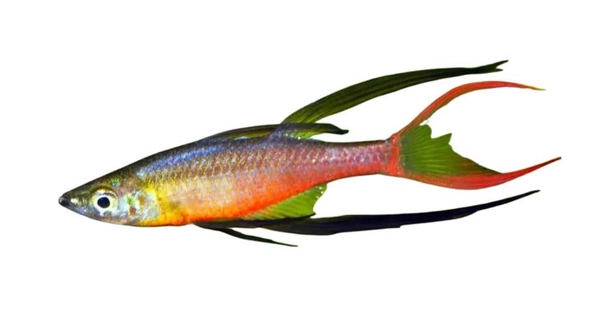
Have you ever noticed your threadfins acting differently after one of their tankmates has been removed? Fish behavior can often surprise us, especially when they seem to react to changes in their environment.
Threadfins can miss familiar tankmates after removal due to their social nature and memory retention. They often recognize other fish through consistent interaction and shared space. When separated, stress responses or altered swimming behavior can appear, reflecting mild social disruption.
Observing these subtle behaviors helps in understanding the emotional depth of threadfins and maintaining harmony in their aquatic environment.
Recognizing Emotional Behavior in Threadfins
Threadfins are known for their graceful appearance and peaceful nature, but they are also surprisingly sensitive to social changes. When a familiar tankmate is removed, threadfins may display mild behavioral shifts. They can become less active, eat less, or stay in secluded areas of the tank. These signs often indicate stress or confusion as the fish adapts to a sudden change in its surroundings. Fish form social hierarchies and often recognize individuals by sight or movement, so losing a consistent companion can feel unsettling. Environmental stability plays a large role in maintaining their comfort and emotional balance. Providing hiding spaces, consistent feeding routines, and calm tank conditions helps threadfins regain their usual behavior. Observing these responses helps aquarists understand that fish, though small, are capable of forming attachments that influence their well-being within the aquarium’s environment.
When monitored closely, these signs can reveal how emotionally aware and adaptive threadfins truly are.
Their behavioral reactions can also vary depending on tank setup, population density, and prior interactions with the removed tankmate. A well-planted environment allows them to feel secure while adjusting to changes. Reducing light intensity and avoiding sudden disturbances during this period can also help them stabilize more easily.
Supporting Threadfins After Separation
After separation, threadfins often require extra care to reduce stress and maintain a sense of stability. Consistent lighting schedules, clean water, and gentle feeding practices encourage them to resume normal activity. Social fish like threadfins thrive on familiarity, so a stable tank layout helps reduce confusion.
Introducing new tankmates gradually is one of the most effective ways to help threadfins recover from separation stress. Observing how they interact with other fish before permanent introduction prevents conflict and allows smoother social adaptation. Rearranging decorations or plants before introducing new fish can reset territorial boundaries and reduce tension. Threadfins also respond positively to natural cues such as calm lighting and soft currents, which mimic their natural habitat. Maintaining water quality through regular checks and avoiding overfeeding ensures the tank remains balanced. These careful adjustments help threadfins adapt peacefully while restoring their comfort and sense of security in a changed aquatic environment.
Building a Comfortable Environment
Creating a stable and peaceful aquarium environment helps threadfins recover from social changes. Stability in lighting, water flow, and temperature plays a key role in reducing anxiety and encouraging normal swimming behavior after a tankmate’s removal.
A balanced environment promotes healthy behavior and prevents unnecessary stress. Threadfins appreciate gentle water movement and well-planted tanks where they can explore or hide when needed. Maintaining consistent water quality by monitoring ammonia and nitrate levels keeps them comfortable. Adding floating plants helps soften lighting and create natural shade, reducing stress levels. Routine feeding at the same time each day provides familiarity and security. When environmental factors remain stable, threadfins are more likely to regain their normal routines and interact positively with other fish in the tank. These subtle but consistent care habits support their emotional and physical well-being effectively.
Threadfins are more resilient when their surroundings feel natural and undisturbed. A peaceful habitat allows them to refocus their energy on feeding, swimming, and socializing rather than adapting to constant changes. Avoid frequent tank rearrangements during adjustment periods, as this can prolong stress. Consistent care routines make them feel safe, leading to improved health and a balanced temperament within the aquarium community.
Observing Behavioral Improvements
Monitoring behavior is the best way to assess how well threadfins are adjusting. Small signs like improved appetite, steady swimming, and social interaction often indicate they are returning to their usual calm state.
Over time, consistent behavior patterns reflect their emotional recovery. A threadfin that was once withdrawn may start joining others near feeding areas again, showing curiosity and movement. Reduced aggression or hiding also signals comfort returning. Keeping notes on daily behavior helps identify progress or potential stress triggers. Some threadfins form new bonds faster, while others need more time. Avoid rushing the process or introducing too many new tankmates too quickly. Each adjustment should feel gradual and safe, helping them regain balance naturally. With careful observation and patience, threadfins can thrive peacefully after social changes.
Encouraging Positive Social Interaction
Gradually reintroducing threadfins to new or existing tankmates helps rebuild social structure. Slow introductions prevent stress and aggression, allowing them to adjust naturally. Observing their behavior during early interactions ensures they are comfortable and not displaying territorial or fearful responses.
Providing balanced tank conditions supports healthy social behavior. Keeping group sizes appropriate reduces competition for space or food. Threadfins prefer calm, non-aggressive tankmates that share similar swimming patterns. Balanced feeding times and consistent water parameters help maintain peaceful interactions, allowing them to form stable group dynamics that benefit their emotional balance and daily routines.
Maintaining Long-Term Stability
Long-term stability ensures threadfins continue to thrive emotionally and physically. Consistent maintenance routines, clean water, and appropriate filtration systems prevent stress buildup. Avoiding sudden temperature changes or unnecessary disturbances supports their natural sense of calm and keeps their behavior steady over time.
Understanding Their Subtle Sensitivity
Threadfins may not show affection like mammals, but their behavior reveals emotional depth. Subtle signs like swimming patterns, group placement, or feeding responses can indicate attachment and adaptation levels, offering valuable insight into their gentle yet complex social nature.
FAQ
Can threadfins recognize individual tankmates?
Threadfins have good memory and can recognize familiar tankmates through visual cues and swimming patterns. They may interact differently with familiar fish compared to newcomers, showing preferences for companions they have spent time with. Recognition often influences their social structure and behavior.
Do threadfins show stress after a tankmate is removed?
Yes, threadfins may exhibit stress behaviors such as hiding, reduced swimming, or decreased appetite when a familiar tankmate is removed. These signs are usually temporary and indicate an adjustment period as they adapt to changes in their environment.
How long does it take for threadfins to adjust?
Adjustment periods vary depending on the fish and tank conditions. Some threadfins regain normal behavior within a few days, while others may take weeks. Stable water parameters, gentle routines, and consistent feeding help speed up the recovery process.
Should I introduce new tankmates immediately after removal?
Immediate introduction of new tankmates is not recommended. Allow threadfins time to adjust to the absence of a previous companion. Gradual introductions reduce stress and help them accept new fish without aggression or fear.
Can environmental enrichment reduce stress?
Yes, environmental enrichment like plants, hiding spots, and varied terrain helps threadfins feel secure. Providing these elements reduces anxiety, encourages natural behavior, and promotes social interactions with remaining or new tankmates.
Do threadfins form strong bonds?
Threadfins can develop stable social relationships. While they do not form attachments like mammals, their interactions indicate familiarity and comfort. Fish that have spent time together may swim closer, mirror movements, or share feeding areas.
What are signs of a threadfin missing a tankmate?
Signs include increased hiding, decreased appetite, slower swimming, or following other fish less actively. Subtle changes like lingering near the previous companion’s usual spot can also indicate a sense of loss or confusion.
Is it possible for threadfins to adjust without replacement tankmates?
Yes, threadfins can adjust without replacement companions if their environment remains stable and stressors are minimized. Proper care, consistent feeding, and a peaceful tank setup allow them to regain normal behavior over time.
Do threadfins communicate during stress?
While they do not vocalize, threadfins communicate through body language, swimming patterns, and positioning. Stress or social disruption may be expressed by reduced movement, hiding, or avoiding interaction with other fish.
How can I help threadfins cope with changes long-term?
Maintain consistent water conditions, provide hiding spaces, and monitor behavior closely. Gradual introductions of new tankmates and avoiding sudden disturbances are key. Patience and observation ensure threadfins regain comfort and stability naturally.
Can diet impact emotional stability?
A balanced diet supports overall health and reduces stress. Feeding a variety of appropriate foods at regular intervals helps threadfins maintain energy and resilience during social changes. Consistency in feeding routines reinforces a sense of security.
Do threadfins prefer group living or smaller numbers?
Threadfins thrive in small to moderate groups. Overcrowding can cause stress, while too few companions may lead to social disruption. Observing interactions helps determine the ideal group size for maintaining harmony and emotional balance.
How do I know if a threadfin is permanently stressed?
Persistent hiding, loss of appetite, or aggressive behavior beyond typical adjustment periods may indicate chronic stress. In such cases, reviewing tank conditions, water quality, and social dynamics is essential to identify and correct stressors.
Can rearranging the tank help or worsen stress?
Rearranging can help if done carefully, as it establishes new territories and reduces tension between remaining or new tankmates. Sudden or frequent changes can increase stress, so modifications should be gradual and minimal.
Is it normal for threadfins to follow remaining tankmates more closely?
Yes, following remaining companions is a natural coping mechanism. Threadfins often seek reassurance from familiar fish, mirroring their movements or staying nearby to regain comfort and social stability.
How do water quality and tank maintenance affect adaptation?
Stable water conditions are crucial. Fluctuating parameters or poor cleanliness can increase stress and delay adaptation. Regular monitoring, filtration, and partial water changes help threadfins feel secure and recover from social changes efficiently.
Can observing behavior prevent long-term issues?
Consistent observation allows timely detection of stress or abnormal behavior. Early intervention through environmental adjustments, diet improvements, or careful introductions can prevent prolonged emotional or physical strain in threadfins.
Do threadfins ever forget lost companions?
Threadfins may gradually lose interest in absent companions over time, especially when the environment remains stable and they form new social bonds. Familiarity fades naturally as they adapt to their current tank conditions.
Can adding hiding spots help with grief-like behavior?
Yes, additional shelters provide security during adjustment periods. Hiding spots reduce exposure to stressors, allowing threadfins to feel safe while processing social changes and gradually resuming normal routines.
Is patience the most effective strategy for adaptation?
Patience is essential. Threadfins need time to process changes, re-establish social behavior, and regain comfort. Consistent care, environmental stability, and careful observation together ensure successful adaptation after the removal of familiar tankmates.
Final Thoughts
Threadfins are often seen as peaceful and graceful fish, but they are more sensitive than they appear. Their behavior is influenced not only by water conditions but also by the presence and absence of familiar tankmates. When a companion is removed, threadfins may display subtle changes such as reduced activity, hiding, or a decrease in appetite. These behaviors are natural responses to change and are usually temporary if the environment remains stable. Observing these reactions closely provides insight into their social nature and emotional capacity. It reminds us that fish, though silent, have a level of awareness and attachment to their surroundings. Maintaining consistent routines and monitoring behavior helps threadfins regain comfort and encourages healthy interaction with remaining or new tankmates.
A stable and well-structured environment is critical for threadfins to recover from social changes. Clean water, consistent feeding schedules, and appropriate hiding spaces help reduce stress during adjustment periods. Plants and decorations offer both physical security and visual boundaries, which minimize confusion when tankmates are removed or replaced. Gradual introductions of new companions, when necessary, prevent aggression and allow them to rebuild social structures naturally. Threadfins respond positively to calm water flow and controlled lighting, which mimic aspects of their natural habitat. These measures support both emotional and physical health, ensuring that the fish can return to normal routines and interactions without prolonged stress. Careful observation and gradual environmental adjustments make a noticeable difference in how quickly they adapt.
Understanding threadfins’ social and emotional tendencies enhances overall aquarium management. While they do not form attachments like mammals, their recognition of familiar companions and sensitivity to change reflects an important aspect of their care. Patience and attentiveness are key when managing changes in the tank. Avoiding sudden disturbances, maintaining water quality, and observing interactions regularly all contribute to a peaceful, balanced aquarium environment. Through consistent care, threadfins can thrive despite the absence of a familiar companion. Recognizing their subtle behaviors and responding appropriately helps ensure their long-term well-being. Respecting their social dynamics and supporting their adjustment periods creates an environment where threadfins can exhibit natural behavior, maintain health, and enjoy a stable, comfortable habitat over time.

Hello,
If you enjoy the content that we create, please consider saying a "Thank You!" by leaving a tip.
Every little bit helps us continue crafting quality advice that supports the health, happiness, and well-being of pets around the world, for pets of all shapes, sizes, and species.
We really appreciate the kindness and support that you show us!