
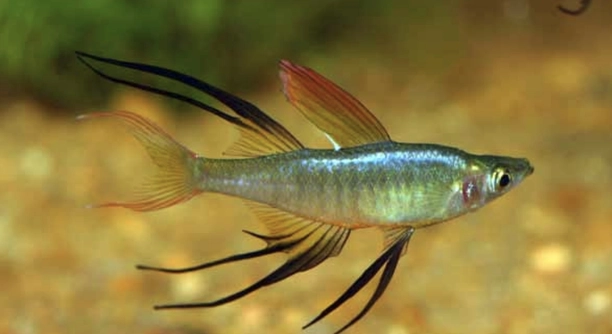
Are your Threadfin Rainbowfish showing unusual behavior or looking less vibrant than usual? Recognizing subtle changes early can make a big difference in their health and well-being.
The early warnings of illness in Threadfin Rainbowfish often include changes in color, appetite, and swimming behavior. These signs usually indicate stress, infection, or poor water quality. Identifying and addressing these symptoms promptly helps prevent more serious health problems.
Understanding these early indicators allows you to protect your fish and maintain a healthy, balanced aquarium environment for them to thrive in.
1. Faded or Dull Coloration
When a Threadfin Rainbowfish begins losing its vibrant colors, it is often one of the earliest indicators of illness. Their shimmering hues typically reflect good health and balanced water conditions. A sudden dull or faded appearance may suggest stress, nutrient deficiencies, or the onset of disease. Poor diet, temperature fluctuations, or high ammonia levels can also contribute to this change. Monitoring their color daily helps identify any subtle differences before the condition worsens. Ensuring a stable environment, regular feeding schedule, and high-quality food can restore their natural brilliance and strengthen their immune system against potential infections.
Maintaining consistent lighting and clean water is essential to support their overall health and color vibrancy. Regular observation allows you to act quickly if signs of fading appear, helping your fish recover before serious illness develops.
Threadfin Rainbowfish rely heavily on their coloration to express well-being, making this sign one of the most telling early warnings of stress or disease.
2. Erratic or Unusual Swimming Patterns
Threadfin Rainbowfish are active, graceful swimmers, so any sudden change in movement should be taken seriously. Erratic swimming, struggling to stay upright, or frequent isolation may signal internal infections or environmental imbalances.
When a fish begins to swim in circles, tilt to one side, or stay near the surface or bottom for long periods, it is often reacting to discomfort or water quality issues. High nitrate levels, bacterial infections, or swim bladder problems are common causes. Testing your tank’s parameters and performing partial water changes can help restore stability. A balanced diet with proper fiber and minimal processed foods can also prevent digestive-related buoyancy issues. Observing their interactions with tankmates is equally important—constant chasing or sudden lethargy can indicate distress. Addressing these symptoms promptly ensures your Threadfin Rainbowfish return to their normal, fluid movements and maintain the graceful activity that reflects their health and comfort.
3. Loss of Appetite
A noticeable decrease in appetite often indicates that your Threadfin Rainbowfish is unwell. Healthy fish eagerly eat during feeding times, so skipping meals or ignoring food can signal digestive issues, stress, or internal infections.
When appetite loss occurs, it’s essential to check water parameters first. Poor water quality often triggers stress responses that suppress feeding. Ensure temperature, pH, and ammonia levels are balanced. Offer small portions of high-quality food to avoid overfeeding and monitor closely for changes. If your fish continues to refuse food, consider a possible parasitic infection and isolate it for observation. Maintaining stable conditions and offering variety, such as live or frozen food, can encourage feeding again and restore normal behavior.
Prolonged loss of appetite can weaken your fish, reducing its ability to fight illness. Early detection and care help prevent further decline, supporting your Threadfin Rainbowfish’s recovery and long-term well-being.
4. Clamped Fins
Clamped fins, where the fish holds its fins tightly against its body, are an early sign of discomfort or disease. This subtle change often occurs before other visible symptoms, making it an important warning for fish owners to notice early.
Clamped fins usually develop due to poor water quality, sudden temperature changes, or bacterial infections. When your Threadfin Rainbowfish’s fins no longer fan out naturally, immediate testing of water parameters is necessary. Cleaning the tank, improving filtration, and performing small water changes can ease stress. If infection is suspected, a mild antibacterial treatment or aquarium salt may help. Observing tankmates’ behavior also provides clues, as aggression or overcrowding can trigger stress responses. Keeping a calm environment, stable lighting, and regular maintenance prevents this condition from worsening and helps your fish regain its normal posture and energy.
5. Rapid Gill Movement
Rapid gill movement often signals that your Threadfin Rainbowfish is struggling to breathe properly. This symptom usually appears when oxygen levels are low, or when toxins such as ammonia and nitrite accumulate in the tank, creating stress and respiratory distress.
It may also indicate gill parasites or bacterial infections. Checking oxygen flow, cleaning filters, and performing partial water changes can quickly improve breathing conditions. Adding an air stone or adjusting water flow ensures proper oxygenation, helping your fish recover from stress and maintain healthy, steady respiration.
6. White Spots or Patches
White spots or patches on your Threadfin Rainbowfish’s body are clear indicators of infection, commonly caused by Ich or fungal growth. These small white dots often spread rapidly if untreated, making early detection essential for effective recovery and preventing transmission to other fish.
Quarantining the affected fish is necessary to stop the infection from spreading. Gradually increasing water temperature and using an Ich treatment can help clear the parasite. For fungal infections, antifungal medications are recommended. Regular tank cleaning and water maintenance prevent reoccurrence, keeping your aquarium healthy and reducing the likelihood of future outbreaks.
7. Lethargy or Reduced Activity
When your Threadfin Rainbowfish becomes unusually inactive or spends long periods near the bottom, it signals declining health or stress. Stable water conditions, gentle filtration, and a proper diet usually help restore their usual energy and natural, lively swimming behavior.
FAQ
How can I tell if my Threadfin Rainbowfish is sick or just stressed?
Sick fish often show consistent physical changes like clamped fins, faded colors, or visible spots. Stress, however, tends to cause temporary behavior changes, such as brief hiding or reduced activity after water changes. Observing for patterns helps you distinguish between short-term stress and illness. If symptoms persist beyond a few days, illness is more likely. Always check water conditions first, as poor quality often triggers both stress and disease. Keeping parameters stable is the best prevention method.
What is the best way to treat early signs of illness?
The most effective approach is isolation and water maintenance. Quarantine the affected fish in a separate tank to prevent spread and closely monitor its behavior. Maintain clean water with stable pH and temperature. Use medications only when symptoms are clearly identified—broad treatments can sometimes harm delicate species. Adding aquarium salt in low doses often helps reduce mild infections and stress. Consistent observation ensures that you intervene before the illness worsens.
How often should I test the water in my aquarium?
Testing should be done at least once a week to keep the environment stable. Monitoring ammonia, nitrite, nitrate, and pH levels prevents conditions that can cause illness. A sudden increase in any of these readings usually means overfeeding, poor filtration, or lack of water changes. Regular testing keeps you informed and allows for small adjustments before health problems appear.
Can Threadfin Rainbowfish recover from illness without medication?
Yes, many mild conditions resolve with improved water quality, reduced stress, and a nutritious diet. For example, early color fading or minor fin clamping often improves once the environment stabilizes. However, bacterial or parasitic infections require treatment. Observing progress for several days will show whether natural recovery is possible. Always avoid unnecessary medication unless absolutely needed, as overuse can disrupt beneficial bacteria in the aquarium.
Why does my Threadfin Rainbowfish isolate itself from others?
Isolation is one of the earliest behavioral signs of discomfort. It might be caused by bullying from other fish, poor water quality, or illness. Sick fish tend to seek quiet areas where they can rest. Check for any injuries or visible symptoms. If the fish continues to hide, isolate it to prevent potential disease spread and provide a calm, stable environment for recovery.
How can I prevent disease outbreaks in my aquarium?
The best prevention comes from consistency. Regular water changes, balanced feeding, and careful tank cleaning are essential. Avoid introducing new fish without quarantine, as this can easily spread parasites. Keep decorations clean and avoid overcrowding. A calm environment with stable lighting also reduces stress, which is a major trigger for illness. Prevention is far easier than treatment, especially for sensitive species like Threadfin Rainbowfish.
What diet helps maintain strong immunity in Threadfin Rainbowfish?
A diet rich in high-quality flakes, micro-pellets, and occasional live or frozen foods supports both color and immunity. Mixing protein and vegetable-based foods ensures balance. Avoid overfeeding, as leftover food can quickly pollute the tank and weaken the fish. A varied, moderate diet keeps your fish active and more resistant to common diseases.
Should I remove decorations or plants during treatment?
Yes, in some cases. Certain medications can damage live plants or stain decorations. It’s best to move the sick fish to a separate treatment tank when possible. If treating the main aquarium, read medication instructions carefully. After treatment, clean and rinse all items before reintroducing them to maintain a safe, balanced habitat.
Why are Threadfin Rainbowfish more sensitive than other species?
Their delicate fins and small size make them highly responsive to water fluctuations and stress. They thrive only in clean, stable environments with proper filtration and gentle flow. Even slight changes in pH or temperature can affect their behavior. Because of this sensitivity, proactive care and gentle handling are crucial for their long-term health.
How long does it take for a sick Threadfin Rainbowfish to recover?
Recovery time depends on the illness and the care provided. Minor stress or color fading can improve within days if conditions stabilize. Infections or parasites may take one to two weeks with treatment. Consistent water quality, nutritious food, and calm surroundings accelerate healing. Keeping a close eye on progress ensures timely action if symptoms return.
Final Thoughts
Caring for Threadfin Rainbowfish requires patience, observation, and consistency. These delicate fish depend on clean water, a balanced diet, and a peaceful environment to thrive. Illnesses in Threadfin Rainbowfish can develop quietly, often showing only subtle signs at first. Recognizing early symptoms, such as color fading, clamped fins, or changes in swimming behavior, helps you take quick action before the condition worsens. Routine water testing, partial water changes, and steady temperature control are simple but vital habits that protect their health. Maintaining a regular feeding schedule with quality food also strengthens their immune system, reducing the risk of disease. Over time, these small acts of care make a significant difference in the longevity and well-being of your fish.
Consistency is the foundation of aquarium health. Even minor disruptions in pH, temperature, or oxygen levels can stress Threadfin Rainbowfish, leaving them vulnerable to infection. It’s important to establish a stable routine that includes cleaning, feeding, and monitoring tank conditions. Avoid sudden changes, such as rearranging decorations or introducing new fish too quickly, as these shifts can cause unnecessary stress. If illness occurs, isolation and observation are crucial steps to prevent it from spreading. Patience is key—recovery often takes time, and maintaining calm, stable conditions during treatment helps your fish heal faster. When treated with steady care and attention, Threadfin Rainbowfish often regain their color, energy, and graceful swimming behavior, reminding you how resilient these small creatures can be.
Caring for aquarium fish is more than a hobby—it’s an ongoing responsibility that requires mindfulness and understanding. Each Threadfin Rainbowfish has its own temperament and sensitivity, and learning their behavior patterns helps you detect when something feels off. Preventing illness is always easier than treating it, and prevention starts with consistent maintenance and observation. Taking the time to test the water, feed in moderation, and notice small behavioral changes will help you maintain a healthy tank for years. These fish reward careful owners with beautiful movement, vibrant colors, and calm energy that bring balance to any aquarium. By understanding their needs and responding early to warning signs, you create a safe, thriving environment where your Threadfin Rainbowfish can live peacefully and healthily for a long time.

Hello,
If you enjoy the content that we create, please consider saying a "Thank You!" by leaving a tip.
Every little bit helps us continue crafting quality advice that supports the health, happiness, and well-being of pets around the world, for pets of all shapes, sizes, and species.
We really appreciate the kindness and support that you show us!