
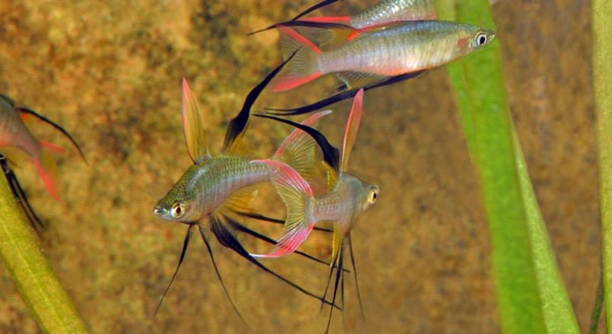
Have you ever changed your aquarium’s look and wondered how your threadfin fish might respond to the new setup or decorations?
Threadfins can adapt to changes in tank décor, but their response depends on how sudden and extensive the modifications are. Gradual adjustments supported by stable water parameters allow them to acclimate better, minimizing stress and promoting consistent behavior and coloration.
Small shifts in their surroundings can influence their comfort and activity, shaping how they interact within the tank environment.
Understanding Threadfin Behavior After Changes
When threadfins experience a change in tank décor, they often react with cautious curiosity. These delicate fish rely on familiarity to feel safe, so any new structure or shift in their surroundings can initially cause hesitation. You might notice them exploring slowly, avoiding bright areas, or grouping together more than usual. Their calm, graceful movements may appear slightly restricted at first, but this is normal. With time, as they assess their environment and regain confidence, their natural swimming patterns return. Stable lighting, water temperature, and filtration help ease this process, reinforcing a sense of stability. Providing gentle hiding spaces using plants or rocks also supports comfort, giving them areas to retreat while adapting.
A few days of observation are usually enough to determine if your threadfins are adjusting well. Reduced stress signs, like consistent swimming and steady feeding, indicate they are feeling secure again.
Threadfins tend to adapt more effectively when environmental changes are made gradually. Rearranging items one section at a time allows them to re-familiarize themselves without becoming overwhelmed. Avoid shifting all plants, rocks, or ornaments at once, as too much disruption can cause unnecessary stress. Subtle lighting transitions also make a difference since threadfins are sensitive to brightness. If their behavior appears withdrawn, dim the lighting temporarily until they settle. Maintaining consistent feeding schedules and routine tank care helps reinforce a sense of predictability. The key is patience and balance—your fish will adapt faster when changes happen slowly and intentionally, rather than through sudden overhauls. Over time, their colors may even appear brighter, reflecting comfort and reduced anxiety in the refreshed environment.
The Role of Environment and Stability
Threadfins depend heavily on environmental stability to thrive. Even small disturbances, like shifting décor or altering filtration flow, can influence how they behave and interact. Maintaining consistent parameters prevents unnecessary stress responses.
When tank décor changes, water chemistry and flow patterns often shift slightly, affecting how threadfins navigate their space. For instance, moving plants can alter current strength, while adding stones can change oxygen distribution. These subtle differences may not seem significant but can influence their comfort and feeding habits. It’s essential to test water parameters after any adjustments, ensuring temperature, pH, and ammonia remain stable. Providing familiar visual elements, such as plants or décor they previously favored, also promotes a sense of continuity. Regular observation helps detect signs of unease—like hiding, darting, or color fading—allowing early intervention. By keeping environmental factors consistent, you help your threadfins adjust smoothly to any visual transformation.
Gradual Adjustments for Better Adaptation
Making changes step by step gives threadfins time to adapt without feeling threatened. When new décor or plants are added slowly, their stress levels remain low, helping them maintain normal activity and feeding patterns throughout the adjustment phase.
Start by rearranging small sections of the tank while leaving familiar areas untouched. This helps threadfins feel secure since they still recognize parts of their habitat. After a few days, gradually introduce new items or move existing ones to create balance. Observe their reactions closely; if they seem hesitant, pause before making further changes. Consistency in lighting and water quality supports smooth adaptation. Threadfins appreciate routine, so avoid changing feeding schedules during this time. Their confidence grows as they explore the altered spaces at their own pace, eventually treating the updated décor as part of their natural territory once they feel completely comfortable.
Threadfins rely on environmental cues to navigate their surroundings, so each modification should be gentle and intentional. Avoid moving large rocks or ornaments too quickly, as sudden changes can disturb their sense of orientation. Keeping water movement steady ensures they don’t feel disoriented. If your tank includes plants, introduce new ones gradually to prevent overwhelming them. Providing small, shaded areas or hiding spots encourages security while they adapt. Over time, their behavior will indicate comfort through steady swimming, feeding consistency, and vibrant coloring. The calmer their adjustment process, the less likely they are to develop stress-related health issues.
Recognizing Stress Signs in Threadfins
Stress can appear subtly in threadfins, making it important to notice early signs. Reduced appetite, erratic swimming, or fading color often signal discomfort caused by sudden tank changes or unstable conditions.
Threadfins are naturally peaceful, so behavioral changes like hiding for extended periods or avoiding open spaces can be signs of stress. Water fluctuations, bright lighting, or excessive noise near the tank can also trigger unease. When such behavior occurs, inspect water quality first and ensure parameters remain steady. Dim the lighting slightly and offer quiet surroundings to restore calm. Threadfins recover best when disruptions are minimal and routines stay consistent. Patience during these periods is crucial. Giving them time and stability helps their natural confidence return, allowing them to swim gracefully and interact as before, reflecting a healthy and settled state in their refreshed environment.
Encouraging Exploration in New Surroundings
Once threadfins start exploring again, it’s a good sign they’re settling in. Introducing soft lighting and gentle currents encourages movement and curiosity. Avoid loud noises or abrupt tank activity, as this helps them feel safe enough to swim freely through the updated décor.
Adding floating plants or calm hiding areas gives them confidence to explore without stress. Threadfins often investigate slowly, testing the safety of each section. Keep decorations arranged to allow open swimming paths, preventing territorial tension. Over time, their exploration becomes steady and relaxed, showing they’ve fully adjusted to their changed surroundings.
Maintaining Consistency After Changes
Consistency is key once the décor updates are complete. Avoid rearranging the tank again for a while, allowing threadfins to establish stable routines. Regular feeding times, steady lighting, and consistent water flow reinforce familiarity. Balanced maintenance keeps them comfortable, supporting long-term adaptation and reducing future stress responses.
Promoting Comfort Through Routine
Routine makes threadfins feel secure and predictable in their environment. Keeping feeding, cleaning, and lighting schedules steady encourages calm behavior and prevents anxiety. When threadfins can anticipate their surroundings, they display brighter colors and more active swimming patterns, reflecting a peaceful and stable aquatic lifestyle.
FAQ
Do threadfins get stressed easily when their environment changes?
Yes, threadfins are sensitive fish that respond quickly to environmental changes. Even minor adjustments in décor, lighting, or water conditions can affect their comfort levels. When their environment changes too suddenly, they may react by hiding, swimming less, or refusing food. Stress occurs because they rely heavily on routine and familiarity to feel secure. To minimize this, it’s best to make small, gradual changes over several days. Keep lighting soft and water parameters consistent, allowing them time to recognize new surroundings. Once they feel safe again, their natural behaviors and vibrant coloring typically return.
How long does it take for threadfins to adjust to new tank décor?
Adjustment time varies depending on how extensive the changes are. Small modifications like rearranging plants or moving one ornament may take only a day or two for threadfins to accept. Larger overhauls, such as completely changing décor or substrate, can take a week or more. The key factor is stability—if the water quality, temperature, and lighting remain unchanged, threadfins adapt more smoothly. Observing their body language helps gauge their comfort level. When they start swimming freely, feeding normally, and displaying consistent color tones, they have likely settled into the new setup comfortably.
Can changing the décor affect their feeding behavior?
Yes, it can. Threadfins often associate specific areas with feeding routines. When decorations or tank structures shift, their sense of orientation may temporarily change. As a result, they may hesitate to eat or search for food in unfamiliar areas. Maintaining a consistent feeding schedule helps reassure them that everything is normal. It’s also helpful to feed them in the same location each time until they adjust. Avoid overfeeding during this period, as uneaten food can harm water quality. Once threadfins regain confidence, their feeding behavior naturally returns to normal.
What are common signs that threadfins are uncomfortable after décor changes?
Signs of discomfort include hiding for long periods, rapid gill movement, loss of color vibrancy, and refusal to swim in open spaces. They might also group closely near the tank bottom or behind decorations for security. Erratic swimming or darting movements can indicate elevated stress. It’s important to respond quickly by checking water parameters, dimming lights, and minimizing external noise or movement near the tank. These small adjustments help restore calm and prevent further stress. Once their environment feels stable again, threadfins gradually return to normal routines.
Should I move all the decorations at once or in sections?
It’s better to move decorations in sections rather than all at once. This method allows threadfins to remain oriented and reduces the sense of chaos. Begin by modifying one area of the tank, then wait a few days before adjusting another. This approach gives them time to explore and accept each change gradually. Sudden full-tank rearrangements can cause confusion, making them feel unsafe. When handled patiently, partial updates create smoother transitions and help maintain consistent behavior throughout the process.
Does lighting impact how threadfins react to new surroundings?
Absolutely. Lighting plays a major role in how secure threadfins feel. Bright or harsh lighting can make them uneasy, especially right after décor changes. Use dim or moderate lighting while they explore their altered environment. Over time, as they regain confidence, you can gradually increase brightness. Threadfins thrive under soft, even light that enhances their natural colors and supports calm swimming patterns. Sudden lighting shifts, however, can trigger stress, so keeping light changes gentle ensures smoother adjustment.
Can other tank mates influence how quickly threadfins adapt?
Yes, the presence and behavior of tank mates can influence how threadfins respond. Peaceful companions can help them settle faster, while aggressive or overly active fish might heighten stress. If tank mates disturb threadfins during adaptation, consider separating them temporarily. Keeping a balanced community tank helps minimize tension. Threadfins prefer calm environments where they don’t need to compete for space or food. Once their surroundings and tank mates remain predictable, their natural grace and activity return.
Is it necessary to monitor water parameters after changing décor?
Yes, always check water quality after rearranging the tank. Moving decorations can stir up debris or alter water flow, affecting oxygen levels and clarity. Testing for ammonia, nitrite, nitrate, and pH ensures stability. Consistent conditions reduce stress and support threadfin health. Performing partial water changes after major rearrangements can help maintain balance. Stable water parameters make it easier for them to adapt and remain comfortable throughout the process.
What helps threadfins regain confidence the fastest?
Consistency and calmness are the biggest factors. Keeping routines stable—feeding, lighting, and cleaning—makes them feel secure. Providing shaded areas or hiding spaces gives them places to retreat if they feel unsure. Avoid tapping the glass or making sudden movements around the tank. With patience, threadfins usually begin exploring again within days, showing steady improvement. Their renewed energy, brighter colors, and social behavior are all signs they’ve regained confidence in their refreshed environment.
Can rearranging décor ever benefit threadfins?
Yes, when done carefully, it can. Changing décor occasionally stimulates curiosity and reduces boredom. Introducing new plants or gentle current shifts gives them new areas to explore, encouraging natural activity. However, moderation is important—constant rearranging can lead to unnecessary stress. Balance between novelty and stability helps maintain both mental and physical health. With careful planning, décor updates can enrich their habitat without disrupting the calm and security threadfins need to thrive.
Final Thoughts
Threadfins are sensitive fish that respond strongly to their surroundings. Changes in tank décor, even minor ones, can impact their behavior and comfort. They rely on familiar structures, lighting, and water conditions to feel secure. When these elements are altered suddenly, they may exhibit stress through hiding, reduced swimming, or loss of appetite. Observing these behaviors closely helps identify how well they are adjusting. By keeping water parameters stable and providing calm, shaded areas, threadfins gradually regain confidence. Small, intentional adjustments allow them to explore safely and return to their normal routines without prolonged stress. Patience and careful observation are key to ensuring their well-being during any environmental change.
Making changes gradually is the most effective way to help threadfins adapt. Rearranging plants or décor in sections rather than all at once allows them to become familiar with one part of the tank before encountering another. Consistent feeding schedules, gentle lighting, and predictable maintenance routines all reinforce a sense of stability. Over time, threadfins will explore the updated environment more freely and demonstrate normal behavior patterns. Their color often returns to its natural vibrancy, reflecting comfort and reduced stress. Even small adjustments, like adding hiding spaces or adjusting the water current slightly, make a noticeable difference. Gradual changes reduce confusion and help threadfins understand their territory, which supports both physical and mental health.
While it can be tempting to rearrange a tank frequently, it is important to balance novelty with consistency. Threadfins benefit from occasional updates that stimulate curiosity and encourage exploration, but too much change can be disruptive. The goal is to create a stable environment where they can thrive while still providing subtle variations that prevent boredom. Regular monitoring of water quality, combined with careful observation of behavior, ensures that any adjustments are safe and effective. By respecting their need for routine and slowly introducing changes, threadfins adapt more quickly, showing calmer, more confident movements. A well-maintained tank with thoughtful décor updates supports both their physical health and their natural, graceful behavior, allowing them to live comfortably in a space that feels familiar yet slightly refreshed.

Hello,
If you enjoy the content that we create, please consider saying a "Thank You!" by leaving a tip.
Every little bit helps us continue crafting quality advice that supports the health, happiness, and well-being of pets around the world, for pets of all shapes, sizes, and species.
We really appreciate the kindness and support that you show us!