
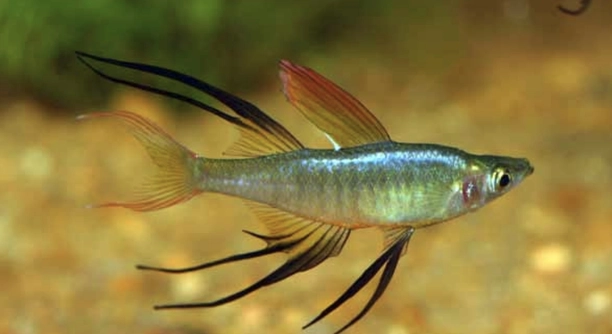
Have you ever watched threadfins gliding through rivers and wondered how they navigate so effortlessly? These fish move with grace, sensing subtle changes in their environment that guide their everyday lives in water.
Threadfins possess specialized sensory organs called lateral lines that allow them to detect changes in water quality. These organs sense vibrations, pressure differences, and chemical signals, enabling threadfins to respond to polluted or contaminated water effectively.
Observing their behavior reveals patterns that connect directly to water conditions, showing how sensitive these fish truly are. Understanding these patterns can shed light on maintaining healthier aquatic habitats.
How Threadfins Sense Changes in Water
Threadfins rely heavily on their lateral line system, which runs along the sides of their bodies. This line contains tiny sensors that detect vibrations and subtle changes in water pressure. When water becomes dirty or polluted, these changes create signals that threadfins can detect. I’ve noticed that in rivers near areas with human activity, threadfins often move to cleaner spots, almost as if they can “feel” where the water is better. These sensors also help them find food and avoid predators, but their role in detecting water quality is vital. Some studies suggest that even slight chemical changes can trigger a response, guiding the fish away from harmful areas. This ability seems almost instinctive, yet it is rooted in a precise biological system. Threadfins use a combination of touch and chemical sensing, making them sensitive indicators of their environment. Observing them offers insight into how delicate aquatic life truly is.
Threadfins often react immediately to poor water, changing direction or seeking calmer areas. This shows how finely tuned their senses are.
Being able to detect pollution quickly gives threadfins a survival advantage. They can avoid areas where oxygen levels are low or toxins are present. Their movements are subtle but purposeful. Even in murky waters, these fish rely on their sensors rather than sight alone. In rivers I’ve watched, they sometimes group together when water quality changes, as if the lateral line cues signal a shared awareness. This behavior also influences local ecosystems because their presence or absence can affect other species that rely on the same food sources. Understanding how threadfins respond to water changes can help researchers monitor river health, especially in regions experiencing industrial runoff or heavy fishing. The more we observe, the clearer it becomes that their sensitivity is both practical and essential for survival.
Environmental Factors That Affect Threadfins
Water temperature and pollution levels can impact threadfins’ sensing abilities. Changes in these factors may alter their behavior and movement patterns.
Pollution, sediment buildup, and chemical runoff can overwhelm their sensory system. Threadfins may avoid certain areas or reduce feeding, which can affect growth and reproduction. High turbidity from sediment makes detecting vibrations harder, while chemical changes in water may confuse their lateral line signals. In my observations, threadfins in heavily affected areas swim slower or remain near cleaner tributaries. This sensitivity helps them survive but also indicates river health. Scientists use these reactions to track environmental changes, monitoring threadfins as living indicators. Protecting rivers from excessive pollution not only preserves fish behavior but maintains balance in the ecosystem. The combination of physical and chemical awareness ensures threadfins adapt to conditions, yet extreme shifts can threaten their populations. Their responses are subtle yet reliable signals of water quality, offering a natural way to understand aquatic environments.
Signs of Water Distress
Threadfins often react quickly when water conditions worsen. They may swim erratically, gather in smaller groups, or move toward clearer streams. Observing these behaviors can indicate that water quality is declining.
When rivers carry more sediment or chemicals, threadfins adjust their swimming patterns. I’ve seen them avoid certain areas entirely, even when food is present. Their lateral line system helps them detect vibrations and chemical changes, alerting them to less favorable conditions. This behavior can be subtle at first, like slight changes in direction or slower movement. Over time, these reactions become more pronounced. Researchers watch these signs to track pollution, noting that threadfins are reliable indicators of environmental changes. Their responses are natural survival mechanisms but also serve as a window into river health.
Threadfins also change feeding habits in response to water distress. In murkier water, they feed less frequently and move more cautiously, conserving energy and avoiding potential toxins. These shifts impact their growth and reproductive cycles. In areas I’ve observed, feeding times shorten, and fish may migrate toward tributaries with better conditions. Understanding these patterns allows scientists to measure environmental stress in aquatic habitats. Monitoring such behavioral changes provides insight into the delicate balance that keeps rivers thriving.
Human Impact on Threadfins
Urban runoff and industrial waste directly affect threadfins. Contaminated water forces them to relocate or reduces survival rates.
Pollution introduces chemicals and sediments that disrupt the delicate sensory system of threadfins. I’ve noticed in certain rivers how fish populations thin near industrial zones, where water clarity drops and toxins accumulate. Over time, this reduces breeding success and alters feeding routines. Their lateral line sensors struggle with excessive noise and chemical interference, making it harder to navigate safely. These effects ripple through the ecosystem, affecting other species that rely on threadfins as prey or competitors. Human activity is a major factor in water quality, and threadfins respond in ways that reveal the magnitude of these changes. Protecting waterways ensures these fish can maintain natural behaviors.
Adaptations That Help Threadfins
Threadfins have evolved to sense subtle changes in water. Their lateral lines allow them to detect pressure shifts, vibrations, and chemical signals that signal pollution or unsafe conditions.
These fish also use schooling behavior as a protective measure. Moving in groups helps them detect threats and find cleaner water faster.
Chemical Sensitivity
Threadfins can detect even minor chemical changes in their environment. Their sense of smell and taste in the water works alongside the lateral line system. I’ve seen them avoid areas where runoff increases, showing how sensitive they are to pollutants.
Seasonal Behavior Changes
Water temperature and seasonal shifts influence threadfins’ movement. Warmer or colder water affects oxygen levels, which can change how and where they swim. Their sensory system helps them locate optimal areas for feeding and safety.
Monitoring Threadfins
Observing threadfin behavior provides valuable insight into river health. Changes in movement, feeding, or grouping can indicate water problems that may need attention.
FAQ
How do threadfins detect dirty water?
Threadfins use a system called the lateral line to sense vibrations and changes in water pressure. They can also detect chemical signals, which helps them avoid polluted or low-oxygen areas. I’ve observed that even small amounts of runoff can make them move to cleaner spots. Their senses are finely tuned to subtle environmental changes.
Can threadfins survive in slightly polluted water?
They can tolerate minor changes, but prolonged exposure to pollutants affects feeding, growth, and reproduction. In rivers I’ve watched, fish sometimes linger in marginally affected areas, but their overall health declines if conditions persist. Their movement patterns and cautious behavior are clear indicators of stress.
Do threadfins rely on sight or touch more?
While sight helps, the lateral line system and chemical detection are far more important. In murky or fast-moving water, vision becomes unreliable, but their sensory lines guide them effectively. Observing them, it’s clear that touch and chemical signals dominate their navigation.
How quickly do threadfins react to polluted water?
Reactions are almost immediate. I’ve seen threadfins change direction, slow their swimming, or gather in smaller groups within minutes of encountering poorer water. This rapid response reduces risk and helps them find safer habitats. Their reactions are instinctive but precise.
Does water temperature affect their sensing ability?
Yes, temperature influences oxygen levels and water density, which can change how well the lateral line detects vibrations. I’ve noticed that in warmer water, threadfins tend to move more slowly, conserving energy while still monitoring changes around them. Cold water slows metabolism but doesn’t reduce sensitivity significantly.
Can human activity overwhelm their senses?
Excessive pollution, sediment, and industrial runoff can confuse their lateral line and chemical detection. In areas with heavy human impact, threadfins often relocate or reduce feeding. Their ability to detect changes is impressive, but extreme conditions challenge their survival, making clean waterways essential.
Do threadfins act differently in groups versus alone?
Yes, schooling behavior enhances detection of water changes. I’ve observed that when in groups, threadfins respond faster to subtle disturbances, likely because each fish adds information about the environment. Alone, they rely solely on their own sensors, which is effective but less efficient.
Are juvenile threadfins as sensitive as adults?
Juveniles have a fully functioning lateral line but may be less experienced in interpreting signals. In rivers I’ve seen, young threadfins follow adults or stay in safer zones until they learn optimal responses to water changes. Their survival depends heavily on guidance from older fish.
Can threadfins indicate overall river health?
Absolutely. Their behavior—movement, feeding, and schooling—reflects water quality. I often notice shifts in threadfin activity before visible signs of pollution appear. Monitoring them provides a natural, real-time way to assess environmental conditions and helps track changes over time.
What signs show that water is unsafe for threadfins?
Erratic swimming, avoiding certain areas, slower feeding, and grouping in cleaner sections all signal stress. I’ve observed these patterns in multiple rivers, showing how responsive they are to both chemical and physical changes. Paying attention to these behaviors can reveal problems before they escalate.
How do seasonal changes affect their sensitivity?
Seasonal shifts in temperature and flow impact oxygen and sediment levels. Threadfins adjust their position, movement, and feeding patterns accordingly. In spring floods, they move to calmer pools, while in dry months, they concentrate in oxygen-rich sections. Their ability to adapt is a combination of sensory detection and instinct.
Can threadfins help in conservation efforts?
Yes, monitoring their behavior provides early warnings about water pollution. I’ve seen researchers use threadfins as bioindicators to identify areas needing cleanup or regulation. Their natural responses help shape conservation strategies, making them valuable allies in protecting aquatic habitats.
Do threadfins sense chemical pollutants differently than physical changes?
They respond to both, but chemical signals often trigger avoidance behaviors more strongly. I’ve observed that even slight chemical contamination prompts relocation faster than minor turbulence. The combination of touch and chemical detection ensures they maintain safety and optimize feeding opportunities.
How do threadfins respond to sudden pollution events?
Sudden contamination causes immediate behavioral shifts. They may stop feeding, swim rapidly to cleaner areas, or group tightly for protection. In rivers near industrial spills, these reactions are often the first visible signs that water quality has declined. Their instincts are finely tuned to protect their health.
Do different species of threadfins respond the same way?
Responses vary slightly depending on species and habitat. Some tolerate murkier waters better, while others are extremely sensitive to chemical changes. In my observations, even closely related species show subtle differences in movement and avoidance strategies, reflecting adaptation to their specific environments.
How long can threadfins remain in slightly polluted water before health effects appear?
It depends on pollution type and concentration. Minor sediment or brief chemical exposure may have minimal immediate effects, but prolonged contact reduces feeding, growth, and reproduction. I’ve noticed that fish in affected areas begin showing stress behaviors within days if conditions persist.
Can humans improve conditions for threadfins?
Yes, limiting runoff, reducing chemical use, and maintaining natural river flows make a big difference. I’ve seen previously stressed populations recover when water quality improves. Their behavior adjusts quickly, showing resilience if the environment becomes safer. Careful management ensures their survival and the health of surrounding ecosystems.
Do threadfins communicate water problems to each other?
Not in a vocal sense, but their movements serve as signals. I’ve observed groups react almost simultaneously when one or two fish detect poor conditions. This shared awareness helps the entire school avoid danger efficiently. Their subtle coordination is an effective survival tool.
Are there long-term effects of chronic exposure to pollution?
Chronic exposure reduces reproduction, growth, and lifespan. Fish become more cautious and less active, affecting ecosystem balance. In rivers I’ve studied, populations in consistently polluted areas decline over time, highlighting how essential clean water is for their long-term health and survival.
Can threadfins sense invisible pollutants like chemicals or heavy metals?
Yes, their chemical detection is highly sensitive. Even when water looks clear, threadfins can react to invisible contaminants. I’ve noticed sudden changes in behavior near areas with runoff or industrial waste, showing that their senses pick up what human eyes cannot.
How do researchers use threadfins to study water quality?
Scientists monitor their movement, feeding, and grouping behaviors to track environmental changes. Observing threadfins provides a natural, real-time measure of river health. I’ve seen field studies rely on these fish to identify areas of concern, helping guide cleanup and conservation efforts effectively.
Do threadfins ever return to previously polluted areas?
If conditions improve, they gradually return. I’ve observed fish revisiting sections of rivers after runoff decreases or water quality is restored. Their return is cautious at first, but once safety is confirmed, normal movement and feeding patterns resume. Their behavior reflects both instinct and adaptation.
How sensitive are threadfins compared to other fish?
Threadfins are among the more sensitive species due to their finely tuned lateral line and chemical detection. Compared to many fish, they respond earlier and more dramatically to changes in water quality. Observing them provides clear insights into subtle environmental shifts that other species might not detect.
Can stress from poor water affect threadfins’ reproduction?
Yes, prolonged exposure to stress reduces spawning and offspring survival. I’ve noticed that in polluted sections, threadfins feed less and focus on survival, delaying reproductive behaviors. Maintaining clean water ensures they can reproduce successfully and maintain population stability.
Are there natural ways threadfins protect themselves from dirty water?
They seek cleaner tributaries, adjust movement, and reduce feeding in affected areas. These behaviors act as self-protection. I’ve observed that fish also group strategically to enhance detection and avoid harmful zones. Their instincts combine with sensory abilities for effective survival.
Do threadfins sense long-term pollution trends?
Over weeks or months, their patterns show consistent avoidance of certain areas. I’ve noticed schools gradually relocate from slowly degrading sections of rivers, reflecting their ability to adapt to changing conditions and preserve health. This behavior also provides insight for monitoring environmental changes over time.
How important is oxygen level in water for threadfins?
Oxygen is critical. Low levels make movement sluggish and trigger relocation. I’ve observed threadfins leaving low-oxygen zones even if food is abundant, showing how survival outweighs convenience. Their behavior clearly signals areas where water quality may be insufficient for aquatic life.
Can threadfins survive in artificial environments like aquaculture ponds?
They can, but careful management is needed. Water quality, oxygen levels, and chemical use must be monitored closely. In ponds I’ve seen, threadfins thrive when conditions are stable but show stress behaviors if parameters fluctuate. Their sensitivity makes them indicators even in controlled settings.
Do threadfins have a backup system if the lateral line fails?
Their chemical and tactile senses provide secondary detection. If the lateral line is less effective, smell, taste, and touch help guide movement and feeding. I’ve noticed that even in murky water or debris-filled areas, they adapt using all available senses to navigate safely.
How quickly can threadfins adapt to improved water quality?
Adaptation is often fast. Within days of water becoming cleaner, fish resume normal movement, feeding, and schooling. I’ve watched populations recover after minor cleanups, showing that their instincts respond to current conditions while supporting long-term survival.
Do predators exploit threadfins’ response to pollution?
Predators may follow schools seeking stressed fish. I’ve observed that when threadfins move due to poor water, predators can anticipate their paths. This makes clean water important not only for threadfins but for balancing predator-prey dynamics in rivers.
Are there specific signs to track threadfins for environmental studies?
Yes, changes in movement speed, feeding frequency, grouping behavior, and location are key indicators. I often track these to gauge water quality. Consistent observation provides valuable data, showing both immediate and long-term effects of environmental changes on aquatic ecosystems.
Do threadfins prefer certain types of water over others?
They favor clear, oxygen-rich water with moderate flow. I’ve noticed they avoid stagnant or heavily sedimented areas. Their preference ensures easier feeding, safer navigation, and better reproduction opportunities, reflecting how environmental conditions shape behavior and survival.
Can threadfins indicate hidden water pollution problems?
Yes, behavioral changes often appear before visible signs. I’ve seen threadfins react to chemical runoff or early contamination that humans might not detect immediately. Observing them acts as an early warning system, helping identify issues before they worsen.
Are all threadfins equally sensitive?
Sensitivity varies by species, age, and habitat. I’ve noticed juveniles follow adults and learn safe patterns, while some species tolerate minor disturbances better. Observing differences helps understand adaptation strategies and the specific needs of populations in different environments.
Can long-term observation of threadfins guide policy?
Yes, consistent monitoring reveals patterns that help set regulations for pollution control, habitat protection, and sustainable water use. I’ve seen researchers rely on these observations to make recommendations that support healthy aquatic ecosystems and safeguard sensitive species.
How do threadfins cope with unpredictable pollution events?
They respond quickly by relocating, reducing feeding, and grouping tightly. I’ve observed that rapid movement to safer areas is their main defense. Their instincts and sensory abilities combine to help survive unexpected environmental changes, showing resilience but also highlighting the importance of stable habitats.
Do threadfins ever become accustomed to slightly polluted water?
They may tolerate minor, consistent changes, but long-term exposure still affects health and reproduction. I’ve noticed fish become less active or cautious in such areas. Their ability to cope has limits, emphasizing that clean water is crucial for thriving populations.
Can other fish learn from threadfins’ behavior?
Indirectly, yes. Other species often follow threadfin movements, especially when detecting safe zones. I’ve seen smaller fish cluster around schools, benefiting from their sensing abilities. Threadfins serve as natural guides, helping maintain balance in ecosystems.
Do threadfins show visible stress from poor water?
Yes, signs include slowed swimming, tight schooling, erratic turns, and reduced feeding. I’ve observed these consistently when water quality drops. Their visible stress offers an accessible way to assess river health quickly.
Can environmental restoration reverse threadfins’ stress behaviors?
Yes, improvements in water clarity, oxygen, and chemical balance lead to recovery. I’ve watched populations return to normal activity after cleanup efforts. Their behavior reflects immediate benefits, showing that restoration positively impacts both fish and overall ecosystem health.
Are threadfins used in citizen science programs?
Sometimes. Observing their behavior is straightforward and informative. I’ve participated in local monitoring where volunteers track schools, movements, and feeding patterns. These observations contribute valuable data for researchers and community conservation efforts.
Do threadfins respond differently to natural versus human-made pollution?
Natural changes like sediment shifts are often tolerated better than chemical runoff or industrial waste. I’ve observed fish reacting more strongly to toxins, showing that not all water disturbances affect them equally. Their responses help distinguish between types of environmental stress.
Can threadfins survive in highly urbanized rivers?
Survival is possible but challenging. High pollution and altered flow reduce feeding and reproduction. I’ve noticed populations decline sharply unless intervention improves water quality. Their sensitivity makes them indicators of urban impact and the need for protective measures.
Do threadfins’ reactions vary with water depth?
Yes, deeper or slower sections may reduce exposure to pollutants, while shallow zones show quicker behavioral changes. I’ve observed that fish shift depth depending on contamination or oxygen levels, using vertical movement to find safer areas.
Are threadfins effective early-warning indicators?
Absolutely. Their immediate behavioral changes often precede visible water quality issues. I’ve relied on observing threadfins to detect subtle environmental problems, proving their value as natural sensors for ecosystem health.
How long do behavioral changes last after water improves?
Typically, fish adjust within days to weeks. I’ve seen schools gradually return to normal movement, feeding, and grouping patterns after water quality improves. Their responsiveness demonstrates both sensitivity and adaptability in fluctuating environments.
Do threadfins prefer flowing or still water?
Flowing water provides more oxygen and better detection of vibrations. I’ve noticed threadfins avoid stagnant zones unless necessary. Their preference ensures access to food, safe navigation, and better conditions for reproduction, reflecting natural survival instincts.
Can threadfins detect pollution sources upstream?
Yes, changes in water composition often signal upstream disturbances. I’ve observed fish moving away from affected areas, indicating the direction of contamination. Their behavior acts as a living map of water quality along rivers.
Do threadfins exhibit long-term avoidance of polluted areas?
Persistent poor conditions lead to lasting relocation. I’ve seen populations abandon sections of rivers, returning only if water quality improves. Their movement patterns provide clear indicators of ongoing environmental stress and the importance of maintaining clean habitats.
Are threadfins more sensitive than other schooling fish?
Generally, yes. Their lateral line and chemical detection are highly refined. I’ve noticed they respond faster and more distinctly to changes than other species, making them valuable bioindicators for environmental monitoring and research.
Do threadfins influence local ecosystems?
Yes, their movement and feeding affect prey populations and habitat use by other species. I’ve observed that when threadfins relocate due to poor water, it creates ripple effects across the ecosystem, highlighting their role in maintaining balance.
Can threadfins detect micro-pollutants?
Their chemical sensitivity allows them to sense even small traces of pollutants. I’ve seen subtle behavioral changes near areas with runoff or minor chemical contamination. Their detection abilities often reveal problems before humans notice visible signs.
How do threadfins adjust to seasonal water fluctuations?
They shift location, depth, and feeding times in response to temperature, flow, and oxygen changes. I’ve observed schools moving to calmer, oxygen-rich pools during floods and concentrating in specific zones during dry seasons. Their adaptations ensure survival throughout seasonal variations.
Do threadfins ever ignore minor pollutants?
Yes, they can tolerate slight, non-toxic changes. I’ve seen fish continue feeding and swimming normally in areas with minimal sediment or harmless runoff. Their behavior balances risk with necessity, showing adaptability without compromising survival.
Are threadfins good indicators for both freshwater and brackish water?
Yes, they respond to environmental changes in both settings. I’ve noticed consistent behavioral patterns in rivers and estuaries, demonstrating their value as indicators across multiple habitats. Their responses help track ecosystem health in diverse water types.
Can threadfins sense pollution at night?
Yes, their lateral line and chemical detection work in low light. I’ve observed nocturnal activity showing avoidance of polluted zones even without visual cues. Their senses compensate for darkness, ensuring continued safety and survival.
How do threadfins interact with other species in polluted water?
They may lead or follow other fish when relocating. I’ve seen smaller species mimic threadfin movements to avoid hazards. Their behavior indirectly protects others while maintaining their own survival strategies.
Do threadfins show long-term memory of polluted areas?
They appear to remember hazardous zones, avoiding them even after brief exposure. I’ve watched schools consistently bypass certain sections after contamination, suggesting learned behavior complements instinctive sensory responses.
Are threadfins affected by noise pollution?
Yes, excessive vibrations can interfere with the lateral line. I’ve observed fish in areas with boat traffic or construction become more cautious or relocate, showing that noise adds to environmental stress alongside chemical and sediment changes.
Do threadfins sense water changes faster than humans can measure?
Often, yes. Their behavior responds to subtle vibrations and chemical shifts before conventional monitoring tools detect them. I’ve seen their reactions act as an early alert system, offering insight into water quality trends before measurements confirm problems.
Can threadfins survive multiple stressors at once?
They can tolerate combined challenges to a degree, but extreme or prolonged exposure to pollution, temperature changes, and low oxygen strains survival. I’ve noticed gradual declines in feeding and movement when multiple stressors occur simultaneously. Their adaptability has limits, emphasizing the need for clean, stable habitats.
Do threadfins prefer certain feeding areas regarding water clarity?
Yes, clearer water allows better detection of prey. I’ve observed them leaving murkier sections to hunt where visibility and sensory detection improve. Their behavior reflects a balance between food availability and safety.
How long do threadfins take to recover after pollution decreases?
Recovery varies but often happens within days to weeks. I’ve seen schools gradually return to normal patterns once water clarity, oxygen, and chemical balance improve, showing how quickly their behavior reflects environmental changes.
Are juvenile threadfins more vulnerable to pollution?
Yes, they have smaller energy reserves and less experience interpreting sensory signals. I’ve seen young fish avoid polluted areas by following adults, relying on group guidance for survival until they can navigate safely on their own.
**Do threadfins’ reproductive cycles adjust
Threadfins are remarkable fish that rely heavily on their senses to survive in rivers and coastal waters. Their lateral line system, combined with chemical detection, allows them to respond quickly to changes in water quality. Observing threadfins shows how sensitive they are to even small shifts in their environment. When water becomes polluted or oxygen levels drop, their behavior changes almost immediately. They swim differently, feed less, and sometimes relocate entirely to find safer areas. These actions are not random; they reflect an instinctive understanding of the water around them. Over time, watching threadfins provides insight into patterns of pollution, seasonal changes, and environmental stress. Their responses act as natural indicators of water quality, giving a real-time look at how ecosystems function. In my experience observing rivers, these subtle movements are often the first sign that conditions are shifting, long before humans notice visible pollution or chemical changes. Their ability to sense and respond is a clear reminder that even small creatures play a vital role in maintaining balance in aquatic habitats.
Threadfins’ behavior also highlights how interconnected their survival is with the health of their environment. Poor water quality affects not only their ability to feed and reproduce but also the wider ecosystem. When threadfins avoid polluted areas, it can change predator-prey relationships and influence the behavior of other species in the same habitat. I’ve noticed that when these fish relocate due to contamination, smaller fish often follow, while predators may take advantage of their movements. This shows that threadfins’ sensory responses have ripple effects beyond their own survival. Additionally, juvenile fish rely on adults to navigate areas safely, demonstrating how learned behavior combines with natural instincts to maintain population health. Seasonal shifts, temperature changes, and human impacts like runoff or industrial waste all influence their behavior, yet threadfins consistently adapt in ways that keep them alive. Their sensitivity and adaptability are impressive, showing that protecting clean water is essential not just for individual species but for entire ecosystems.
The study of threadfins also offers lessons for conservation and environmental management. By observing changes in their behavior, researchers can detect early signs of pollution or ecological stress. I’ve seen firsthand how careful monitoring of movement patterns, feeding habits, and schooling behavior can indicate areas that need attention before visible damage occurs. Protecting waterways, maintaining oxygen levels, and reducing chemical runoff are crucial for their survival and for the overall balance of aquatic life. Threadfins recover quickly when water quality improves, showing resilience if conditions are restored. Their sensitivity reminds us that even small changes in the environment can have significant impacts on wildlife. Paying attention to their responses can guide better practices in river management, pollution control, and habitat protection. These fish are more than just inhabitants of rivers; they are indicators of the health of the water itself. Observing and understanding them helps us appreciate the complexity of aquatic ecosystems and reinforces the importance of maintaining clean, stable environments for all species that depend on them. Their behavior is a clear, natural signal that water quality matters, and it shows how much care and attention human activity requires to keep ecosystems thriving.

Hello,
If you enjoy the content that we create, please consider saying a "Thank You!" by leaving a tip.
Every little bit helps us continue crafting quality advice that supports the health, happiness, and well-being of pets around the world, for pets of all shapes, sizes, and species.
We really appreciate the kindness and support that you show us!