
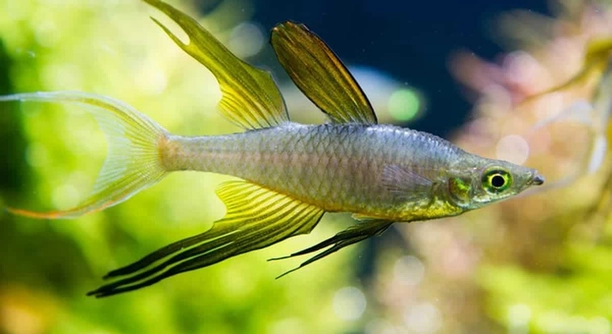
Many aquarists enjoy keeping threadfins with other peaceful fish in community tanks. These fish often thrive in social environments, forming subtle bonds with their tankmates over time. Losing a companion can change their daily behaviors noticeably.
After losing a tankmate, threadfins often become more cautious and reserved. They may swim less actively, avoid open spaces, or seek shelter more frequently. These behavioral changes are a natural response to stress and the sudden absence of social interaction.
Observing these changes can help you adjust the tank environment to support your threadfin’s comfort and reduce stress during this transition period.
Changes in Swimming Patterns
Threadfins often alter their swimming routines after losing a tankmate. They may stay close to the bottom or hover near plants and decorations, showing signs of caution. Some might swim in shorter bursts or circle a familiar area repeatedly. These behaviors are usually temporary, but they indicate the fish is adjusting to the absence of its companion. Observing where and how your threadfin swims can reveal its comfort level. Providing hiding spots and stable environmental conditions helps them regain confidence. Over time, most threadfins will slowly return to their previous activity level as they adapt to the new tank dynamics. Consistent feeding schedules and minimal disturbances also support their recovery. Noticing subtle changes early allows you to take small actions that make the environment less stressful. Each fish reacts differently, so patience is key in helping them feel secure.
These swimming changes often last a few days but can extend depending on the fish’s personality.
Keeping your tank calm, with gentle water flow and familiar surroundings, can speed up recovery. Monitoring behavior closely helps identify if further adjustments are needed to support your threadfin.
Appetite and Feeding Shifts
Loss of a tankmate can affect a threadfin’s appetite, causing temporary hesitation at feeding time.
Some threadfins eat less or seem uninterested in food after losing a companion. Stress can suppress appetite, but with regular feeding and consistent routines, most fish return to normal quickly. Introducing small amounts of favorite foods can encourage eating, while avoiding sudden changes in diet helps prevent digestive issues. Observation is key; any prolonged refusal to eat may indicate additional stress or health concerns. Maintaining a calm environment during feeding reduces competition anxiety and helps the fish feel safe. Slow, deliberate feeding also allows you to monitor intake more accurately, ensuring the fish receives enough nutrition. Occasionally, offering live or frozen foods can stimulate appetite and provide mental engagement. Remember that each threadfin reacts differently, so changes may be subtle but should be taken seriously. A consistent approach to feeding and tank conditions helps restore normal patterns efficiently.
Social Behavior Changes
Threadfins may become less interactive with other fish after losing a tankmate. They might avoid group swimming or keep more distance than usual. These shifts are a natural response to sudden changes in their environment.
Some threadfins start to isolate themselves, spending more time near decorations or the tank’s edges. They may no longer follow other fish as closely or engage in usual synchronized swimming. In some cases, they might show mild aggression toward newcomers, protecting areas they once shared. It’s important to maintain a stable tank environment during this period. Regular observation helps you identify stress signs early. Providing hiding spaces and avoiding sudden changes supports their gradual adjustment. Threadfins are social by nature, so they usually resume normal interactions once they feel secure. Each fish adapts at its own pace, requiring patience and consistent care to restore previous social patterns.
Over a few days to weeks, these social adjustments typically settle as the fish regains confidence in its surroundings.
Resting and Hiding Patterns
Threadfins often increase resting periods or spend more time hiding after losing a tankmate. They may linger in shaded areas or behind decorations.
Hiding behavior serves as a coping mechanism for stress. Fish may reduce overall activity, staying near corners or plant-covered sections to feel secure. This response is temporary for most, gradually returning to normal as they acclimate to the new tank dynamic. Consistent lighting, minimal disturbances, and stable water conditions help them feel safe. Over time, you may notice them exploring more actively, resuming regular swimming patterns, and engaging in normal feeding behavior. Monitoring these patterns helps ensure that the fish is adjusting healthily. In some cases, slight variations in hiding locations may persist as a preference, which is normal behavior. Patience and a calm environment are essential for helping the threadfin regain confidence and maintain overall well-being.
Interaction with New Tankmates
Threadfins may be cautious when meeting new tankmates after losing a companion. They often observe from a distance and may avoid direct contact for several days.
Some fish gradually accept new neighbors if introductions are slow and stress is minimized. Patience is key to helping them feel comfortable in the updated social environment.
Changes in Activity Levels
After losing a tankmate, threadfins sometimes show decreased activity. They may swim shorter distances, rest more frequently, or avoid the center of the tank. Reduced movement is often linked to stress and the absence of social stimulation. Maintaining stable water conditions and providing familiar hiding spots encourages gradual recovery. Gentle observation helps track improvements and ensures the fish is not experiencing health issues. Over time, activity levels typically return to normal as the fish adapts. Consistency in feeding and environmental cues supports this adjustment, helping the threadfin regain confidence and feel secure in the tank once again.
Stress-Related Color Shifts
Threadfins can show subtle changes in color when stressed. These shifts are temporary and usually fade as the fish adjusts.
FAQ
How long does it take for a threadfin to adjust after losing a tankmate?
Adjustment varies depending on the individual fish. Most threadfins begin to show signs of returning to normal behavior within a few days to a week. Some may take longer if the fish had a strong bond with its previous companion. Providing consistent feeding schedules, stable water conditions, and plenty of hiding spots can help reduce stress and encourage the fish to feel secure again. Patience is essential, as forcing interaction or changing the tank environment abruptly can slow recovery. Observing subtle improvements, such as swimming patterns and feeding behavior, is the best way to track progress.
Why does my threadfin hide more after losing a companion?
Hiding is a natural stress response. Threadfins feel vulnerable when a familiar tankmate is gone and may seek shelter to feel safe. This behavior often decreases as the fish adapts. Maintaining calm lighting, minimal disturbances, and consistent water parameters helps them feel comfortable. Introducing new tankmates too quickly can worsen hiding behavior, so gradual acclimation is recommended. The fish may also choose favorite spots that offer cover, and respecting these areas supports their confidence.
Will my threadfin’s appetite change after losing a tankmate?
Yes, appetite changes are common. Some threadfins eat less or show disinterest in food when stressed. Offering small portions of familiar or favorite foods can stimulate feeding. Avoid sudden diet changes and keep feeding routines consistent. Over time, appetite usually returns to normal once the fish feels more secure. Monitoring their food intake helps identify if additional support is needed, such as adjusting feeding frequency or providing live or frozen foods for enrichment.
Can losing a tankmate cause aggression in threadfins?
Occasionally, threadfins may show mild aggression or territorial behavior after losing a companion. This is usually temporary and linked to stress or uncertainty about their environment. Providing plenty of space and hiding spots for all tank inhabitants can reduce tension. Avoid introducing multiple new fish at once, as this can increase aggression. With time, threadfins typically regain their usual social behavior and tolerance toward other tankmates.
How can I help my threadfin cope with the loss?
Maintaining a stable and calm environment is the most effective support. Consistent feeding schedules, proper water parameters, and suitable hiding spots reduce stress. Gradual introduction of new tankmates can help replace lost social interaction without overwhelming the fish. Gentle observation ensures you notice any health issues early. Encouraging natural behaviors, such as exploring and interacting with the environment, also supports adjustment. Patience is key, as each fish responds differently.
Is it normal for threadfins to change color after losing a tankmate?
Yes, subtle color changes can occur due to stress. Faded or darker hues are common and typically temporary. Ensuring optimal water quality, consistent feeding, and minimal disturbances helps restore their usual coloration. Sudden or extreme changes may indicate illness, so monitoring overall behavior alongside color is important.
Should I add another tankmate immediately after losing one?
Immediate introduction of a new tankmate is not recommended. Allow time for the fish to adjust and reduce stress. Gradual introductions are safer, letting the threadfin regain confidence and adapt to the updated social environment without feeling threatened. Planning tank additions carefully ensures a smoother transition.
What signs indicate my threadfin is not coping well?
Persistent hiding, refusal to eat, extreme lethargy, rapid breathing, or visible health issues may indicate that the fish is struggling. These signs require careful attention, as prolonged stress can lead to illness. Correcting water parameters, reducing stressors, and consulting a specialist if needed helps protect your fish’s well-being.
Can environmental enrichment help a stressed threadfin?
Yes, providing plants, decorations, and hiding spots allows the fish to explore and feel safe. Changing the environment slowly can stimulate activity and reduce boredom. Enrichment encourages natural behaviors, which helps threadfins regain confidence and stabilize their routine after losing a tankmate.
How long should I monitor behavior after a loss?
Observation should continue for several weeks. Most fish recover gradually, but subtle behavior changes may persist. Keeping track of swimming, feeding, and social interaction helps ensure the threadfin adapts properly and any potential issues are addressed promptly.
Final Thoughts
Losing a tankmate can be a noticeable event for threadfins, even if the tank remains otherwise healthy and stable. These fish are naturally social and often rely on the presence of others for comfort and reassurance. When a companion is removed, they may show subtle but clear changes in behavior, such as hiding more often, swimming less actively, or hesitating during feeding. These responses are normal and usually temporary, as the fish is adjusting to a new social dynamic. Providing a calm and predictable environment helps threadfins feel secure and reduces stress. Stable water conditions, consistent feeding routines, and adequate hiding spaces are simple steps that can make a big difference in helping the fish cope with change.
It’s important to remember that each threadfin reacts differently to the loss of a tankmate. Some may recover quickly and return to their normal activity levels within a few days, while others may take several weeks to fully adjust. Patience is key during this period. Observing the fish closely allows you to notice subtle changes in behavior, such as shifts in swimming patterns, feeding habits, or interactions with other tankmates. These observations can help you make small adjustments to the environment if needed, such as adding more hiding spots, reducing disturbances, or ensuring adequate space for exploration. Understanding your fish’s individual personality and response patterns makes it easier to provide the support they need without adding unnecessary stress.
Over time, most threadfins regain their usual behavior and confidence, even after losing a close companion. Offering consistent care, monitoring their health, and maintaining a calm tank environment encourages recovery and helps prevent long-term stress. Adding a new tankmate should be done gradually, giving the fish time to adjust to changes in social structure. By paying attention to their needs and providing stability, you can help your threadfin navigate the transition smoothly. Supporting a threadfin through this adjustment period is largely about creating a safe, predictable space where they can explore, feed, and interact at their own pace. With careful observation and gentle care, they typically resume normal activity and social behavior, showing that even small adjustments in the tank environment can make a meaningful difference to their well-being.

Hello,
If you enjoy the content that we create, please consider saying a "Thank You!" by leaving a tip.
Every little bit helps us continue crafting quality advice that supports the health, happiness, and well-being of pets around the world, for pets of all shapes, sizes, and species.
We really appreciate the kindness and support that you show us!