
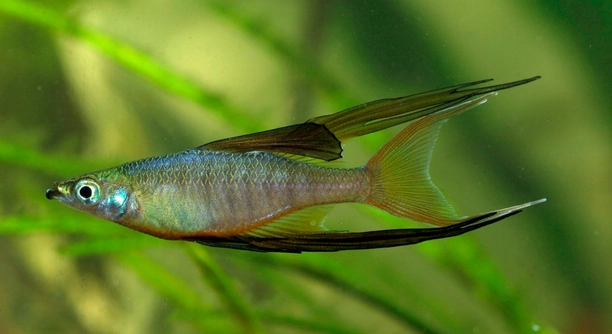
Threadfin are sensitive fish that react quickly to changes in their environment. Observing their behavior can reveal how comfortable they feel and whether something in their surroundings is causing stress or discomfort.
Threadfin exhibit several clear behaviors when feeling threatened. Rapid darting movements, flared fins, sudden hiding, reduced feeding, or erratic swimming are common indicators. Recognizing these signs allows for timely intervention to maintain their well-being and reduce stress-related issues.
Recognizing these subtle cues can improve care and ensure that threadfin remain safe and comfortable in their environment.
Sudden Darting Movements
Threadfin often move quickly in short bursts when they feel threatened. These sudden darts are a defensive response, helping them avoid perceived danger. Observing these movements closely can give a clear indication of their comfort level in the tank. If these actions happen frequently, it may indicate that the environment is causing stress. Factors like aggressive tank mates, sudden noises, or changes in water conditions can trigger these reactions. Noticing this early allows adjustments to reduce tension. Providing hiding spots or rearranging decorations can create a safer space. Additionally, monitoring water temperature and quality ensures the fish are not reacting to environmental stressors. Consistent observation helps in understanding each fish’s typical behavior, making it easier to spot anomalies. By paying attention to these subtle cues, you can help maintain a stable and peaceful habitat. Threadfin feel calmer when they have space and predictable surroundings, reducing the frequency of sudden movements.
Frequent darting is a reliable signal that threadfin are uncomfortable. Addressing the cause promptly helps prevent injury and stress.
Not every dart indicates a problem, but repeated or exaggerated bursts suggest the fish feels threatened. Gradually introducing changes, limiting disturbances, and ensuring proper water quality can reduce this behavior. Over time, fish adapt to a stable environment and exhibit calmer swimming patterns. Consistency and careful observation are key to understanding their responses.
Flaring Fins and Aggressive Posture
Flaring fins are a common defensive posture in threadfin. This behavior shows that the fish feels uneasy or threatened in its space. It is a visual warning, signaling that the fish is ready to defend itself if necessary.
Threadfin with flared fins should be monitored closely, as persistent displays can indicate stress or territorial issues.
Flaring fins often occur alongside other stress behaviors, like hiding or darting. Environmental stressors, such as overcrowding, sudden changes in lighting, or aggressive tank mates, can trigger these reactions. Observing how often the fish displays this posture helps in assessing overall comfort levels. Adjusting the tank layout, providing visual barriers, or temporarily separating aggressive individuals can reduce tension. Proper nutrition and maintaining stable water conditions also contribute to calmer behavior. By understanding these warning signs, caretakers can act proactively to create a safer and more comfortable environment. Noticing fin-flaring early allows intervention before it escalates into physical aggression or long-term stress, promoting healthier and more relaxed fish overall.
Sudden Hiding
Threadfin often retreat into hiding spots when they feel threatened. Frequent hiding can signal stress caused by tank mates, sudden movements, or environmental changes. Observing these patterns helps identify the triggers and improve their comfort.
Repeated hiding is a common stress response. Fish may stay in corners, behind decorations, or under plants for extended periods. This behavior reduces exposure to perceived danger, allowing the fish to feel temporarily secure. Excessive hiding can interfere with feeding and social interactions, which can impact overall health. Providing multiple hiding spaces and reducing disturbances can encourage them to explore more confidently. Monitoring water quality and tank conditions ensures that environmental stressors are not contributing to this defensive behavior.
Hiding behavior may appear sudden but often develops over time. Regular observation helps determine if it is a temporary reaction or a sign of ongoing stress. Gradual adjustments, consistent feeding, and a calm environment support confidence and reduce the frequency of retreating into hiding spots. This promotes natural behavior and healthier, more relaxed threadfin.
Reduced Feeding
Stress often causes threadfin to eat less or skip meals entirely. Monitoring their feeding patterns can reveal discomfort or fear within the tank environment.
Reduced feeding can lead to weakened immunity and slower growth if not addressed promptly. Threadfin may refuse food when water conditions change, when new tank mates are introduced, or when aggressive behavior occurs nearby. Providing smaller, frequent meals in calm areas can help encourage feeding. Observation is important, as gradual declines may indicate underlying health issues or persistent stress. Ensuring water parameters are stable, including temperature and pH, reduces environmental stressors that can suppress appetite. A balanced diet supports recovery and overall well-being.
Addressing feeding issues requires patience. Offering preferred foods, minimizing disturbances during feeding, and maintaining a predictable routine can restore appetite. Persistent problems should prompt closer examination of tank conditions and interactions with other fish. Careful attention to feeding habits ensures threadfin remain healthy, energetic, and better able to cope with stress in their environment.
Erratic Swimming
Threadfin may swim in unpredictable patterns when they feel threatened. Sudden changes in direction or speed indicate discomfort or fear.
Erratic swimming often occurs alongside other stress behaviors like hiding or fin flaring. Observing these movements helps identify environmental triggers or tank issues.
Gasping at the Surface
Threadfin may gasp at the water surface when stressed or feeling threatened. This behavior often signals low oxygen levels or poor water quality. Ensuring proper aeration, filtration, and regular water changes helps maintain a healthier environment. Consistent monitoring reduces the risk of long-term health problems and keeps the fish comfortable.
Clamped Fins
Clamped fins are a clear sign of stress in threadfin. This behavior indicates that the fish feels insecure or threatened in its surroundings.
FAQ
Why is my threadfin darting around the tank constantly?
Constant darting is usually a stress response. Threadfin may react to sudden movements, aggressive tank mates, or changes in water conditions. Providing stable water parameters, gentle lighting, and adequate hiding spaces helps reduce this behavior. Observing when and where the darting occurs can pinpoint the source of stress.
What does it mean when my threadfin flares its fins?
Flaring fins is a defensive posture. It signals discomfort, fear, or territorial behavior. Frequent fin flaring can indicate ongoing stress, overcrowding, or aggressive neighbors. Adding visual barriers, rearranging decorations, or separating aggressive fish can reduce this behavior and help the threadfin feel more secure.
Why is my threadfin hiding so much?
Threadfin hide to feel safe when threatened. Excessive hiding can result from environmental stressors, tank mate aggression, or sudden changes in the tank. Providing multiple hiding spots and limiting disturbances encourages confidence and exploration. Monitoring water quality and maintaining stable conditions prevents prolonged stress.
Why is my threadfin refusing food?
Reduced feeding is often a response to stress or poor water conditions. Sudden changes in water parameters, tank additions, or aggressive behavior can suppress appetite. Offering smaller, frequent meals and ensuring calm feeding conditions helps restore regular eating habits. Persistent issues may require checking for illness or environmental imbalances.
What causes erratic swimming in threadfin?
Erratic swimming indicates discomfort or fear. Common triggers include overcrowding, aggressive tank mates, or sudden environmental changes. Observing patterns and environmental factors helps identify the cause. Correcting water conditions, adding hiding spaces, and reducing disturbances encourages calmer and more predictable swimming behavior.
Why is my threadfin gasping at the surface?
Surface gasping often points to low oxygen levels or poor water quality. Ensuring proper aeration, filtration, and regular water changes improves oxygen availability. Monitoring parameters like temperature, ammonia, and nitrate levels helps maintain a healthier environment and reduces stress-related gasping.
What does it mean when my threadfin has clamped fins?
Clamped fins signal insecurity or stress. The fish may feel threatened by other tank mates, environmental changes, or poor water quality. Observing the fish’s behavior, stabilizing tank conditions, and reducing disturbances can help the threadfin regain confidence and display normal fin posture.
How can I prevent stress in threadfin?
Stress prevention relies on stable water conditions, appropriate tank mates, adequate hiding spaces, and minimal sudden disturbances. Regular monitoring of water parameters and observing behavior patterns helps detect early signs of stress. Consistency in feeding schedules and maintaining a calm environment supports overall well-being.
Can lighting affect my threadfin’s behavior?
Yes, sudden or overly bright lighting can trigger stress responses such as darting, hiding, or fin flaring. Gradual lighting changes, dimmers, or natural light simulation reduce discomfort. Providing shaded areas or plants allows the fish to regulate exposure and feel secure.
When should I consult a professional about my threadfin?
Consulting a professional is recommended if stress behaviors persist despite environmental adjustments or if the fish shows signs of illness. Continuous hiding, refusal to eat, or physical changes like fin damage require prompt attention to prevent long-term health problems.
Are certain tank mates better for threadfin?
Yes, calm and compatible tank mates reduce stress. Avoid aggressive or overly active species that may provoke darting, fin flaring, or hiding. Observing interactions and selecting appropriate companions ensures a harmonious environment and supports the well-being of all fish.
How long does it take for a stressed threadfin to calm down?
The time varies depending on the cause and severity of stress. Minor stress may resolve within hours to a few days, while prolonged stress from environmental issues may take weeks. Maintaining stable conditions, minimizing disturbances, and providing safe spaces accelerates recovery.
Can diet influence stress in threadfin?
Yes, a balanced diet supports health and reduces vulnerability to stress. Nutrient-rich foods strengthen immunity and energy levels, helping threadfin cope better with environmental changes. Offering varied foods appropriate to the species encourages regular feeding and overall vitality.
How do I know if stress is harming my threadfin?
Signs of stress impacting health include persistent hiding, loss of appetite, erratic swimming, clamped fins, or physical changes like color fading or fin damage. Continuous observation and early intervention prevent long-term health issues and improve quality of life.
Are there environmental changes that help threadfin feel secure?
Providing plants, rocks, and hiding spots creates a secure environment. Consistent water parameters, gentle lighting, and reduced disturbances further support confidence. Adjusting decorations to offer visual barriers can reduce aggression and stress responses.
Is it normal for threadfin to show multiple stress behaviors at once?
Yes, threadfin often exhibit combinations like darting, hiding, and fin flaring when threatened. Observing patterns helps identify triggers and guide adjustments. Addressing multiple factors simultaneously ensures a safer and more comfortable environment for the fish.
How often should I monitor my threadfin for stress signs?
Daily observation is ideal. Watching behavior during feeding, swimming, and interactions with tank mates provides insight into comfort levels. Early detection allows timely intervention and reduces the risk of prolonged stress or health complications.
Can water changes reduce stress in threadfin?
Yes, regular and partial water changes improve water quality, reduce toxins, and maintain oxygen levels. Consistent maintenance helps threadfin feel secure, supports appetite, and reduces erratic or defensive behaviors associated with poor water conditions.
What are the most common stress triggers for threadfin?
Common triggers include aggressive tank mates, sudden environmental changes, overcrowding, poor water quality, and inadequate hiding spaces. Recognizing these factors allows caretakers to adjust the environment and maintain a calm and secure habitat for the fish.
How do I make my threadfin feel safer in a new tank?
Introduce them slowly, provide hiding spots, and maintain stable water parameters. Avoid overcrowding and monitor interactions with other fish. Gradual acclimation helps threadfin adapt confidently, reducing stress and encouraging natural behaviors in the new environment.
Final Thoughts
Observing the behavior of threadfin is essential for ensuring their well-being in a home aquarium. These fish are sensitive to changes in their environment, and even small disturbances can trigger stress responses. Behaviors such as sudden darting, hiding, fin flaring, or erratic swimming are clear indicators that the fish is feeling threatened. By paying close attention to these cues, caretakers can respond quickly and make necessary adjustments to the tank setup. Small changes, like rearranging decorations or providing extra hiding spots, can have a significant impact on helping threadfin feel more secure. Recognizing the signs early also helps prevent long-term health issues that may arise from prolonged stress, such as weakened immunity, reduced appetite, or slower growth. The more consistently one monitors the fish’s behavior, the easier it becomes to detect subtle changes and understand what conditions support their comfort.
Maintaining stable water conditions is one of the most critical factors in reducing stress for threadfin. Water quality directly affects their health and can influence many of the behaviors associated with feeling threatened. Parameters such as temperature, pH, oxygen levels, and ammonia concentrations should be checked regularly. Consistent water changes, proper filtration, and adequate aeration all contribute to a healthier environment. Alongside stable water conditions, choosing compatible tank mates and providing sufficient space and hiding areas helps reduce aggression and competition. Stress is not always caused by external threats; sometimes it stems from overcrowding or inadequate resources within the tank. Ensuring the fish have a safe, comfortable environment encourages natural behaviors, helps maintain their appetite, and supports overall vitality. Gradual adjustments rather than sudden changes are most effective in preventing additional stress.
Monitoring feeding patterns is another important aspect of caring for threadfin. A reduction in appetite is often one of the first visible signs that a fish is feeling threatened or stressed. Providing smaller, frequent meals in calm areas of the tank can encourage them to eat regularly. Offering a balanced diet with nutrient-rich foods supports energy levels and strengthens their immune system, allowing the fish to better cope with stressors. Consistency in feeding routines also helps create a predictable environment, which contributes to a sense of security. Paying attention to subtle behavioral changes in combination with feeding habits provides a more complete understanding of the fish’s overall health and comfort. When caretakers respond promptly to these warning signs and maintain a stable, well-structured environment, threadfin can live healthier, calmer lives, showing more natural behavior and reduced signs of stress.
Word count: 414

Hello,
If you enjoy the content that we create, please consider saying a "Thank You!" by leaving a tip.
Every little bit helps us continue crafting quality advice that supports the health, happiness, and well-being of pets around the world, for pets of all shapes, sizes, and species.
We really appreciate the kindness and support that you show us!