
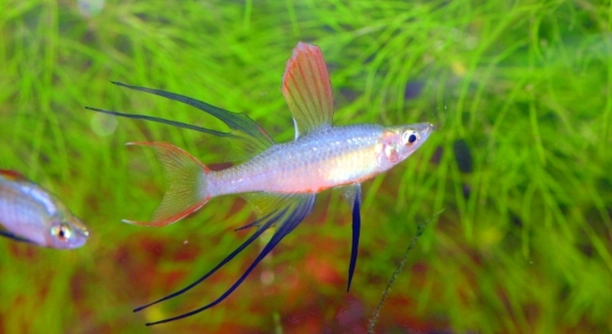
Have you ever noticed your threadfin fish swimming around certain objects in the tank more than others, as if they had a favorite spot?
Threadfins can develop preferences for specific tank objects due to environmental familiarity, visual stimulation, and behavioral conditioning. Repeated exposure to particular decorations, plants, or structures can create positive associations, influencing their swimming patterns and comfort levels within the aquarium environment.
Understanding these subtle behaviors helps create a tank that supports their natural instincts and encourages a calm, engaging habitat.
Understanding Threadfin Behavior
Threadfins are graceful and observant fish that respond strongly to their surroundings. Their preferences for certain tank objects often develop through repeated interaction and comfort. When they find an area that feels safe or stimulating, they tend to revisit it frequently. Objects that provide gentle movement, like plants swaying in the water, can hold their attention longer. Similarly, shaded spots or structures that mimic their natural habitats offer a sense of protection. These small behavioral choices reflect instinctive needs for safety, familiarity, and stimulation. Observing these tendencies allows aquarists to understand what makes their fish more relaxed, improving both behavior and coloration.
Some threadfins may associate specific decorations or corners of the tank with feeding times or calm conditions, reinforcing their attachment to those spaces. This simple pattern recognition is part of how they adapt and respond to their environment.
Proper enrichment encourages healthy movement and mental stimulation. Threadfins that interact regularly with their environment are less prone to stress-related issues. Providing a balanced mix of plants, open swimming areas, and gentle flow can enhance their comfort. When aquarists adjust decorations or lighting carefully, they can influence how threadfins explore and settle, ensuring a harmonious balance between familiarity and curiosity in the aquarium.
Creating a Comfortable Tank Environment
Tank layout plays a key role in shaping threadfin behavior and comfort. A thoughtfully arranged aquarium helps them establish routines and explore without stress.
To build an environment that supports natural preferences, include both open swimming space and areas with soft shelter. Live or silk plants create movement that attracts their attention while offering hiding spots. Threadfins appreciate gentle lighting, so avoid harsh brightness. Smooth stones, small driftwood, or neutral-toned decorations provide subtle landmarks they can recognize. Regularly rearranging minor elements keeps their environment stimulating without causing confusion. Water quality and temperature should remain consistent to prevent discomfort. A calm, stable setting promotes healthier activity, better feeding habits, and stronger coloration. When their environment aligns with instinctive needs, threadfins display livelier patterns, graceful motion, and a calm presence, reflecting true comfort in their aquatic space.
Factors Influencing Object Preference
Threadfins often develop attachments based on comfort, visibility, and movement within the tank. Objects that offer mild stimulation—such as swaying plants or softly colored decorations—encourage curiosity and relaxation, helping the fish identify familiar zones that feel secure and appealing.
Environmental consistency plays an important role in forming these preferences. Threadfins respond to stability, and objects that remain unchanged over time often become part of their routine. Additionally, the placement of decorations affects their interaction; items near calm water flow or shaded areas attract more attention. Bright, reflective surfaces can occasionally cause stress, so subtle colors are preferred. Observing how threadfins behave around specific objects helps identify what creates a sense of comfort for them. Small adjustments in lighting, flow direction, or decoration placement can greatly influence their daily behavior and overall mood in the aquarium.
Feeding habits can also strengthen these attachments. When food consistently appears near a specific structure, threadfins may begin to associate that area with safety and nourishment. Over time, they might linger or rest nearby even when it’s not feeding time. This behavioral conditioning showcases how environmental cues can influence preference, creating a predictable and reassuring rhythm in their underwater environment.
Recognizing Behavioral Patterns
Threadfins often express comfort through gentle swimming and steady hovering near preferred objects. Repetitive movement in specific zones indicates familiarity and trust in that space, suggesting a positive emotional association with the surroundings.
Noticing these subtle habits can help identify early signs of stress or discomfort. Threadfins that suddenly avoid previously favored objects may be reacting to water changes, lighting adjustments, or added tankmates. Consistent observation allows aquarists to make small corrections before stress escalates. When fish maintain relaxed swimming, clear fins, and regular feeding near familiar objects, it signals that environmental balance is intact. Over time, these patterns form a rhythm that reflects both emotional well-being and environmental harmony, guiding aquarists in sustaining a stable, enriching habitat for their threadfins.
Enhancing Interaction
Threadfins respond positively when objects encourage gentle exploration. Placing items in areas with moderate water flow or soft lighting increases their interest and activity levels.
Consistency is key. Keeping favorite objects in the same spots allows threadfins to feel secure while interacting naturally, reinforcing their comfort and preferences over time.
Choosing Appropriate Objects
Smooth surfaces, neutral colors, and natural textures are ideal for threadfin tanks. These objects reduce stress while promoting curiosity. Small driftwood, rounded stones, and silk or live plants create safe areas to hover, explore, and rest. Avoid sharp or highly reflective materials that may startle or injure the fish. A balanced mix of open space and interactive elements encourages movement and mental stimulation. Regularly assessing how threadfins engage with each object allows for adjustments that maintain both their comfort and interest. Objects that enhance natural behaviors help threadfins thrive in a stable and engaging environment.
Monitoring Changes
Observing reactions to new objects or rearrangements helps identify preferences and stress points. Adjusting slowly ensures comfort and confidence.
FAQ
How do I know if my threadfins prefer a specific object?
You can observe their movement patterns. Threadfins often hover, linger, or swim repeatedly around favorite objects. They may rest nearby during calmer moments or approach it first when entering the tank. Watching these consistent behaviors over days helps confirm their preference.
Can threadfins lose interest in a previously favored object?
Yes. Changes in water flow, lighting, or the introduction of new tankmates can alter behavior. Objects that were once attractive may become less interesting if environmental conditions shift. Maintaining consistency while gradually introducing new items helps prevent sudden disinterest or stress.
Are certain objects better for mental stimulation?
Threadfins enjoy objects that create mild visual or physical engagement. Swaying plants, driftwood with openings, or neutral-colored stones encourage exploration. Items that move slightly with water currents provide subtle stimulation, keeping them engaged without causing stress.
Should I rearrange tank objects frequently?
Frequent changes can cause confusion and stress. It’s better to move one or two items at a time. Gradual adjustments allow threadfins to adapt while still offering new stimuli to maintain interest and encourage gentle exploration.
Do threadfins interact differently with live plants versus artificial decorations?
Live plants provide natural movement and shading, which many threadfins find appealing. Artificial decorations can also be effective if they mimic natural textures and shapes. Observing their interaction helps determine which items promote more frequent visits and longer engagement.
Can feeding location influence object preference?
Absolutely. If food is consistently placed near a specific structure or corner, threadfins may associate that area with safety and nourishment. Over time, they might linger there even outside feeding times, demonstrating how conditioning reinforces preferences.
Is it important to provide hiding spots?
Yes. Threadfins feel more secure with small shelters or shaded areas. Hiding spots reduce stress and give them the option to retreat. Balanced placement of open swimming areas alongside shelters encourages natural movement and comfort.
How does lighting affect object preference?
Threadfins respond better to soft, consistent lighting. Harsh or flickering lights can cause avoidance. Subtle illumination enhances visibility of objects while maintaining a calm environment. Over time, preferred spots often correlate with areas where lighting feels comfortable.
Can water flow impact how threadfins use objects?
Yes. Areas with moderate flow encourage swimming and interaction, while strong currents may push them away. Positioning objects in gentle currents helps them explore naturally and reinforces preferred zones. Observing their movement in response to flow ensures objects are placed effectively.
What should I do if threadfins show no interest in any objects?
Start with subtle, safe items like rounded stones or soft plants. Introduce one object at a time and watch their response. Ensure water quality, temperature, and lighting are stable, as discomfort can reduce curiosity. Gradually, they often begin interacting with objects at their own pace.
How often should I assess their preferences?
Routine observation is key. Checking behavior weekly helps track changes, stress signals, or emerging favorites. Consistent monitoring allows adjustments to tank layout, lighting, or enrichment to maintain a comfortable and engaging environment.
Do threadfins prefer symmetry or randomness in object placement?
Threadfins tend to favor naturalistic arrangements that mimic familiar habitats. Symmetrical layouts may appear artificial, while varied placement with open swimming paths encourages exploration. Observing their movement patterns can guide decisions on positioning to balance interest and comfort.
Can multiple threadfins share favorite objects without conflict?
It depends on tank size and social dynamics. In spacious tanks, multiple fish often share favorite spots peacefully. Overcrowding or limited shelter can cause competition. Ensuring enough space and multiple points of interest reduces tension and supports harmonious interaction.
How can I introduce new objects without causing stress?
Add one item at a time and monitor reactions. Place it in an area with moderate flow and soft lighting. Allow the fish to explore at their own pace. Gradual exposure helps them develop interest while minimizing stress and preserving existing preferences.
Do threadfins show preference for color or texture?
Subtle color differences and natural textures tend to attract them. Neutral tones often feel safer than bright or reflective surfaces. Smooth textures and natural shapes encourage exploration while minimizing risk of injury. Observing their interaction over time clarifies what they favor most.
How long does it take for a preference to form?
It varies by individual fish. Some may develop favorites within a few days, while others take weeks. Repeated exposure, environmental consistency, and gentle reinforcement through feeding or calm areas help preferences solidify naturally over time.
Can stress reverse previously established preferences?
Yes. Stress from water quality issues, sudden lighting changes, or aggressive tankmates can make fish avoid areas they once liked. Maintaining stable conditions and minimizing disturbances helps preserve established preferences and encourages natural behaviors.
Are there signs that an object is causing discomfort?
Avoidance, rapid swimming, or hiding more than usual can indicate stress. Damage to fins or unusual posture may also appear. If these signs emerge, assess placement, material, or lighting, and make adjustments to restore comfort and safety.
Do preferences differ between juvenile and adult threadfins?
Juveniles may be more exploratory, moving between multiple objects, while adults often settle near consistent favorites. Growth and confidence influence how they interact with their environment. Observing behavior across age stages helps tailor tank arrangements appropriately.
Can social interactions influence object preference?
Yes. Threadfins often follow or mimic others when exploring objects. Presence of tankmates may lead to shared favorites or encourage previously shy fish to investigate certain areas. Watching group dynamics helps predict how objects will be used collectively.
Is it helpful to document behavior over time?
Recording observations allows pattern recognition, making it easier to track preferences and detect stress signals. Notes on time spent near objects, feeding locations, and interactions help refine tank layout and maintain an engaging, comfortable environment for threadfins.
How can I balance open space and object placement?
Provide enough room for swimming alongside interactive objects. Open areas allow natural movement, while well-placed items offer stimulation and shelter. Observing swimming patterns and resting spots ensures a practical balance that satisfies instinctive needs and encourages natural behavior.
Can water temperature influence preferences?
Slight changes in temperature affect activity levels. Preferred objects may be used more in stable, optimal conditions, while cold or fluctuating temperatures can reduce interaction. Maintaining consistent warmth helps threadfins feel secure and engage confidently with their environment.
How do I know when to introduce new objects?
Introduce items when fish are calm and comfortable with existing objects. Gradual, spaced additions prevent stress and allow them to explore naturally. Timing and slow exposure encourage curiosity while reinforcing previously established favorites.
What role does tank size play in object preference?
Larger tanks allow multiple favorites without conflict, while smaller tanks require careful spacing to prevent overcrowding. Adequate swimming room alongside interactive objects supports natural exploration and reduces territorial disputes, helping threadfins feel secure.
Can preferences indicate health status?
Yes. Active engagement with objects often signals well-being. Sudden disinterest or avoidance may indicate stress, illness, or discomfort. Monitoring behavior helps detect early signs and ensures prompt corrective actions to maintain health and comfort.
Is it better to rotate objects or leave them permanent?
Permanent favorites provide security, while occasional minor rotations maintain interest. A balance of consistency and gentle novelty supports comfort and curiosity. Observing reactions ensures changes enhance engagement without causing stress.
Do threadfins prefer vertical or horizontal objects?
Both can be appealing depending on placement. Vertical objects like tall plants offer shelter and exploration zones, while horizontal surfaces provide resting spots. A mix of orientations creates varied interaction points and enriches the environment naturally.
How does object size affect preference?
Moderate-sized objects that don’t overcrowd the tank are ideal. Too small may be ignored, while overly large items restrict movement. Appropriately sized structures promote comfort, exploration, and safe resting zones without limiting swimming space.
Can color combinations attract or repel threadfins?
Subtle, natural colors generally attract. Bright, reflective, or highly contrasting colors may cause avoidance. Observing initial interactions helps determine which combinations enhance engagement without creating stress.
Should objects be arranged according to feeding or resting patterns?
Yes. Placing items near calm areas supports resting, while interactive zones near moderate flow encourage exploration. Aligning object placement with natural routines reinforces comfort and predictable behavior.
Can threadfins develop multiple favorites simultaneously?
Absolutely. They often rotate between preferred spots depending on mood, time of day, or activity level. Providing multiple interactive areas allows variety and encourages natural exploration without creating stress.
Are there seasonal effects on preferences?
Minor seasonal changes in light or temperature can influence activity and object interaction. Stable indoor conditions reduce fluctuations, but awareness of potential seasonal shifts helps maintain consistent engagement and comfort.
How long should I wait before assessing a new object’s impact?
Allow at least several days of observation. Initial curiosity may fade quickly, while genuine preference develops with repeated interaction. Patience ensures accurate understanding of comfort and interest levels.
Do threadfins show preferences for shapes?
Natural, rounded, or gently curved objects are often favored. Sharp angles or artificial geometric shapes may be avoided. Observing swimming patterns around different shapes highlights what feels safe and engaging.
Can tankmates influence individual preferences?
Yes. Dominant fish may claim favorite objects, while others adapt by exploring secondary spots. Understanding social hierarchy helps balance placement and ensures all fish feel comfortable interacting with available objects.
How can I encourage shy fish to explore objects?
Introduce objects gradually, place them near calmer areas, and ensure safe open swimming space. Gentle exposure, patience, and consistent conditions encourage cautious fish to interact without stress.
Are certain objects better for resting versus exploration?
Yes. Soft plants and shaded corners encourage rest, while small driftwood or textured stones invite exploration. Differentiating areas supports natural behavior and balances activity with calm periods.
How do I know if my interventions are successful?
Success is measured by relaxed swimming, repeated visits, and natural interaction with objects. Fish that engage confidently, feed normally, and show clear fins indicate a balanced, comfortable environment. Regular observation confirms the effectiveness of adjustments and enrichment.
Can threadfins remember object locations?
Yes. They often return to familiar spots, indicating memory and environmental recognition. Consistent placement reinforces comfort and strengthens routine behavior patterns, supporting both security and engagement.
Is it beneficial to provide open and enclosed spaces together?
Combining open swimming areas with small shelters supports exploration, rest, and safety. This balance allows threadfins to express natural behavior, interact with objects, and retreat when needed, creating a stable and engaging tank environment.
How does tank complexity affect preference formation?
Moderate complexity encourages exploration while avoiding stress. Too sparse may bore them, while excessive clutter can overwhelm. Observing interactions ensures a balanced, stimulating environment that supports comfort, preference formation, and natural behavior.
What should I do if multiple fish prefer the same object?
Provide duplicates or similar structures in different locations. This reduces competition and ensures each fish can interact comfortably, promoting harmonious behavior and minimizing stress or territorial disputes.
Can object preference change over time naturally?
Yes. As fish grow, gain confidence, or experience environmental changes, favorites may shift. Monitoring behavior ensures the tank continues to meet their comfort and stimulation needs effectively.
Does water clarity influence interaction with objects?
Clear water improves visibility, encouraging exploration and interaction. Murky or cloudy conditions reduce engagement and may lead to stress. Maintaining filtration and cleanliness supports natural preferences and healthy behavior.
Can temperature or pH fluctuations affect object preference?
Fluctuations may cause avoidance of previously favored areas. Stable water parameters ensure comfort and consistent interaction with preferred objects, preserving natural routines and minimizing stress.
How important is observation for long-term preference understanding?
Regular, detailed observation is crucial. Tracking behavior over weeks or months helps identify genuine preferences, stress indicators, and interactions with objects. This insight informs adjustments that enhance comfort, safety, and enrichment for threadfins.
Are there signs that a preference is unhealthy?
Excessive hovering, avoidance of other areas, or aggression can indicate stress or imbalance. Ensuring enough space, enrichment, and stable conditions prevents unhealthy fixation while supporting natural exploration.
Do threadfins interact differently in groups versus alone?
Yes. Social dynamics influence object use. Groups may encourage shared favorites or mimicry, while solitary fish explore independently. Observing interactions helps optimize object placement and tank arrangement for both social and individual behaviors.
How do I ensure long-term engagement with objects?
Provide a balance of permanent favorites and occasional subtle changes. Monitor responses, maintain stable water quality, and adjust flow or lighting when needed. Over time, this creates a comfortable, stimulating environment that sustains curiosity and preference.
Can adding too many objects overwhelm threadfins?
Yes. Overcrowding restricts swimming, increases stress, and reduces engagement. Providing a carefully curated selection encourages natural exploration while preserving comfort and freedom of movement.
Should objects be anchored or movable?
Anchored items offer stability and security, while movable objects provide gentle novelty. A combination allows safe exploration, reduces stress, and supports long-term interest in the tank environment.
Can preferences indicate temperament differences among fish?
Yes. Shyer fish may favor sheltered spots, while bolder individuals explore open areas more frequently. Recognizing these differences helps tailor object placement and tank enrichment to suit individual personalities.
Do threadfins interact differently with familiar versus new objects?
Familiar objects provide comfort and routine, while new items trigger curiosity. Gradual introduction of novelty allows exploration without causing stress, helping fish develop both security and engagement.
How often should I rotate or refresh objects for interest?
Minor adjustments every few weeks maintain stimulation. Avoid frequent changes, which can cause stress. Observing responses ensures the environment continues to support comfort and preference development naturally.
Can temperature gradients in the tank affect object use?
Yes. Warmer or cooler zones may attract or repel fish from certain objects. Maintaining uniform, optimal temperature helps preserve engagement and comfort with preferred areas.
Do threadfins prefer soft or hard surfaces?
Smooth, rounded surfaces reduce injury risk and encourage exploration. Hard, sharp, or jagged materials may be avoided. Choosing appropriate textures enhances safety and natural interaction with objects.
Can feeding frequency impact object attachment?
Yes. Regular feeding near a specific area strengthens association with comfort and security. Inconsistent feeding may weaken preferences or shift attention to other zones.
Is observation enough, or should I track behavior systematically?
Systematic tracking provides clearer insights. Notes on location, duration, and frequency of interaction help confirm true preferences, identify stress points, and guide effective tank adjustments for long-term comfort.
How do I maintain preference without causing monotony?
Provide stable favorites alongside occasional subtle changes. Rotate minor decorations or introduce gentle water movement. This maintains interest while preserving comfort and predictable zones for threadfins to thrive.
Can lighting direction affect preferred spots?
Yes. Fish may favor areas with soft, angled light that mimics natural conditions. Direct, harsh lighting can cause avoidance. Adjusting direction and intensity supports natural interaction patterns.
Do object shapes influence resting behavior?
Rounded or curved surfaces often serve as resting points, while angular or elevated structures encourage movement. Observing patterns helps position items to balance activity and rest naturally.
Can object placement near filtration or aeration influence preference?
Yes. Moderate flow attracts exploration, while strong currents may deter use. Gentle positioning near filtration encourages interaction without causing stress, maintaining comfort and engagement.
Should I separate objects by type or mix them together?
Mixing types—plants, driftwood, stones—creates variety while supporting exploration and comfort. Differentiated areas cater to resting, feeding, and movement preferences, promoting balanced behavior.
How do I know when a new object is a true favorite?
Consistent repeated visits, lingering, and calm hovering indicate genuine preference. Temporary curiosity fades quickly; sustained interaction shows comfort, engagement, and attachment over time.
Can seasonal changes affect light preference for objects?
Yes. Natural light variation may influence comfort zones. Maintaining stable artificial lighting ensures continued engagement and reduces stress, preserving established preferences in the tank.
Are some objects better for schooling versus solitary behavior?
Open areas with visual cues support schooling, while small shelters encourage solitary resting. Understanding social behavior helps arrange objects to satisfy both group and individual needs.
Do preferences change with tank age or decoration wear?
Yes. Objects may become less attractive over time due to algae growth, fading color, or texture changes. Periodic cleaning or replacement helps sustain interest and comfort.
Can water chemistry influence object use?
Yes. Stable pH and mineral levels affect comfort. Drastic changes may reduce engagement or cause avoidance. Maintaining consistent water parameters ensures threadfins continue interacting with preferred items naturally.
Is it helpful to create multiple “zones” with objects?
Yes. Designating areas for resting, feeding, and exploration encourages natural patterns and reduces stress. Zoning helps threadfins interact confidently while maintaining freedom of movement.
How can I tell if preferences are individual or species-wide?
Observing multiple fish reveals patterns. Consistent choices across individuals suggest species tendencies, while variation indicates personal preference. Tracking both helps optimize tank enrichment.
Should objects near the tank surface differ from those near the bottom?
Yes. Floating or mid-water plants encourage swimming and exploration, while bottom decorations offer resting spots. Differentiating placement enhances comfort, engagement, and natural behavior throughout the tank.
Can seasonal changes in feeding affect object preference?
Gradual shifts in feeding frequency or location may influence preferred zones. Maintaining consistency supports stable attachment and minimizes stress while allowing safe interaction with objects.
How do I balance enrichment with safety?
Choose smooth, stable, and appropriately sized objects. Avoid overcrowding, sharp edges, or reflective surfaces. Ensuring safe materials while offering variety maintains engagement without risking stress or injury.
Do threadfins recognize individual objects visually?
Yes. They identify familiar shapes, colors, and textures, often returning to preferred items repeatedly. Visual recognition reinforces comfort and encourages natural, predictable behavior.
How can I encourage rotation without stress?
Introduce minor changes gradually, observing reactions closely. Gentle adjustments allow exploration while preserving comfort zones and preferred objects. Over time, this encourages healthy interaction and curiosity.
Can preferences indicate cognitive abilities?
Yes. Recognizing, remembering, and returning to objects reflects memory, learning, and environmental awareness. Threadfins display natural problem-solving and pattern recognition through these interactions.
Do seasonal water temperature changes alter object use?
Slight fluctuations may shift activity and location preference. Consistent water parameters reduce sudden changes in behavior, maintaining comfort and engagement with familiar objects.
How important is predictability in object placement?
High predictability provides security and reduces stress. Gradual changes can add stimulation, but maintaining stable favorite spots ensures threadfins feel safe while exploring.
Can social learning affect object preferences?
Yes. Observing other threadfins interact with certain objects can influence individual
Threadfins are sensitive and observant fish that respond strongly to their environment. Their interactions with tank objects are influenced by comfort, safety, and gentle stimulation. Over time, they may develop clear preferences for certain items, returning to them consistently and spending more time nearby. Objects that provide subtle movement, soft shading, or familiar textures often attract their attention and encourage exploration. Understanding these preferences helps aquarists create a tank that meets both the physical and behavioral needs of the fish. By observing how threadfins interact with various decorations, plants, and structures, you can identify which items bring them comfort and engagement. These preferences are not random; they reflect instinctive behaviors that support security, curiosity, and natural activity patterns.
Providing a thoughtful mix of objects in the tank is essential for maintaining interest and promoting healthy behavior. Open swimming areas should be combined with safe resting spots to allow threadfins to move freely while feeling secure. Smooth, rounded surfaces and neutral colors are generally favored because they reduce stress and encourage interaction without causing injury or discomfort. Adding live or silk plants introduces gentle movement, while driftwood or stones provide areas to rest or explore. The placement of objects should balance accessibility and variety, allowing the fish to engage naturally without feeling crowded or threatened. Over time, minor adjustments can keep the environment stimulating while preserving favorite zones. Regular observation ensures that the tank continues to support their comfort and encourages consistent, predictable behavior. Preferences may evolve gradually, so patience and careful monitoring are key to understanding how individual fish respond to changes.
Maintaining consistent water quality, lighting, and flow is equally important to support these preferences. Sudden changes in temperature, pH, or lighting can cause avoidance of previously favored objects, so keeping conditions stable is crucial. Feeding locations and routines also play a role, as fish may associate specific areas with nourishment and safety, reinforcing their attachment to certain items. Social interactions should be considered, as tankmates can influence how threadfins use space and objects. Observing individual and group behaviors helps identify patterns and ensures all fish have comfortable access to preferred zones. By combining thoughtful object selection, careful placement, and stable tank conditions, aquarists can create an engaging, secure habitat that encourages natural exploration and comfort. Paying attention to these details allows threadfins to thrive, demonstrating lively behavior, confidence, and overall well-being in their aquarium.

Hello,
If you enjoy the content that we create, please consider saying a "Thank You!" by leaving a tip.
Every little bit helps us continue crafting quality advice that supports the health, happiness, and well-being of pets around the world, for pets of all shapes, sizes, and species.
We really appreciate the kindness and support that you show us!