
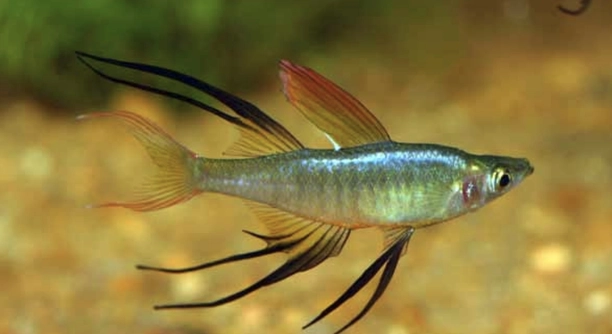
Have you ever noticed your threadfins suddenly stop flashing their vibrant colors, leaving you wondering what might have caused this unexpected change in behavior?
Threadfins may stop flashing due to stress, environmental changes, or health issues. Factors like poor water quality, inadequate diet, or sudden tank disturbances can suppress their natural display. Maintaining stable conditions and minimizing stress are crucial for restoring their natural behavior.
Understanding these reasons can help you create a healthier, more comfortable environment where your threadfins can thrive and showcase their stunning colors again.
Stress and Environmental Changes
Threadfins are sensitive fish that respond quickly to changes in their surroundings. When exposed to stressors like sudden lighting shifts, temperature fluctuations, or aggressive tank mates, they often stop flashing. This behavior is their way of conserving energy and avoiding conflict. Even minor disruptions, such as rearranging decorations or loud noises near the tank, can trigger this reaction. Consistent conditions help them feel safe enough to resume normal displays. It’s also important to remember that stress can build gradually, so even small but frequent disturbances may have long-term effects on their behavior and health.
Maintaining a stable environment is the best way to prevent stress-related flashing issues. Keep water parameters consistent, minimize handling, and ensure tank mates are peaceful and compatible.
A calm environment allows threadfins to settle back into their natural rhythm, displaying their vibrant flashes without fear or discomfort. It’s a reflection of their comfort and overall well-being.
Poor Water Quality
Water quality plays a crucial role in a threadfin’s health and appearance. When ammonia, nitrite, or nitrate levels rise, their immune system weakens, making them less active and less likely to flash. Poor filtration or infrequent water changes can quickly lead to these imbalances.
Regular maintenance ensures the water stays clean and balanced. Aim for weekly partial water changes and use a reliable test kit to monitor parameters. Overfeeding should also be avoided, as leftover food breaks down into harmful compounds. Threadfins prefer stable, oxygen-rich conditions, so proper aeration is equally important. If their flashing suddenly stops, test the water immediately before making other assumptions. Addressing water quality issues often restores their energy and color within days. Consistency is key—clean, well-oxygenated water encourages not just flashing but also healthy appetite, growth, and activity, allowing your threadfins to thrive beautifully in their environment.
Inadequate Diet
A poor diet can dull a threadfin’s colors and reduce its flashing behavior. Without proper nutrition, their energy levels drop, making them less active and less likely to display their natural patterns. Balanced feeding is essential for maintaining both color and vitality.
Threadfins thrive on a varied diet that includes high-quality flakes, pellets, and live or frozen foods like brine shrimp or daphnia. These foods supply vital proteins and pigments that enhance coloration. Avoid feeding the same food every day, as nutritional gaps can develop over time. Supplementing with vitamin-enriched options also helps support immune health. Regular feeding times and portion control are equally important, as overfeeding can degrade water quality. A diverse and balanced diet not only supports vibrant colors but also helps threadfins regain their flashing displays naturally.
Feeding should feel consistent but not excessive. Keeping portions moderate ensures your threadfins stay healthy, energetic, and ready to show off their shimmering beauty.
Illness or Parasites
Health problems are another common cause of fading flashes. When threadfins feel unwell, their energy is redirected toward recovery, which suppresses normal behaviors like flashing. Signs such as clamped fins, reduced appetite, or sluggish movement often indicate something isn’t right.
Infections, fungal growth, or internal parasites can trigger these symptoms. Regular observation helps detect problems early before they escalate. Quarantining new fish is vital to prevent introducing pathogens into the main tank. Treatments vary depending on the illness—antiparasitic or antibacterial medications are often effective when applied correctly. Clean water and low stress levels aid recovery and prevent further issues. Maintaining a consistent feeding and cleaning routine builds resilience against infections. When treated promptly, threadfins typically regain their strength, appetite, and vibrant flashes, showing clear signs of improvement within days. A proactive approach ensures they stay healthy and expressive in their environment.
Aggressive Tank Mates
Aggressive or overly active fish can easily intimidate threadfins, causing them to hide and stop flashing. Constant chasing or nipping creates an environment of fear, leading to stress and suppressed behavior. Peaceful companions help threadfins feel secure enough to display their natural colors.
Separating aggressive species or rearranging the tank to reduce territorial behavior can quickly restore calm. Providing more hiding spots also helps threadfins feel protected. Once they regain confidence, their flashing returns, showing they feel safe and comfortable again.
Inadequate Lighting
Lighting conditions greatly influence flashing behavior. Threadfins rely on gentle, consistent lighting to display their colors naturally. Too much brightness or prolonged darkness can make them retreat or lose their vibrant glow. Using adjustable lighting helps mimic natural daylight, encouraging regular flashing activity.
Aging
As threadfins age, their energy levels gradually decrease, and their flashing behavior becomes less frequent. This is a normal part of aging and doesn’t always signal a problem. Maintaining proper care ensures older threadfins remain healthy, even if their flashes become more subtle over time.
FAQ
Why do my threadfins suddenly stop flashing even when the tank looks fine?
Threadfins may stop flashing even when their tank appears normal because of subtle stressors not easily visible. Minor shifts in temperature, water pH, or lighting intensity can affect their comfort. Even new decorations or changes in surrounding room activity may influence their behavior. Threadfins rely heavily on environmental consistency to feel secure. If they sense any instability, they’ll often retreat to a calmer state. Regularly monitoring parameters and observing small behavioral changes can help identify hidden issues before they become serious. A stable, quiet setup usually encourages them to resume flashing naturally.
Can poor diet really affect their flashing behavior that much?
Yes, nutrition plays a huge role in maintaining the energy and coloration needed for flashing. Threadfins require protein-rich foods and carotenoids found in live or frozen diets. Feeding them only dry flakes limits the nutrients essential for bright coloration. A well-balanced diet enhances pigment development and boosts activity levels. It’s also important to feed in small, regular portions to avoid overfeeding, which can harm water quality. Adding variety and supplementing with high-quality color-enhancing foods can quickly restore their shine and encourage more frequent flashing.
How long does it take for threadfins to start flashing again after a stress episode?
Recovery time depends on the severity of the stress. In mild cases, threadfins may resume flashing within a few days once conditions stabilize. However, if they’ve been exposed to prolonged stress or illness, it could take several weeks for their behavior to return to normal. During this time, maintaining consistent lighting, temperature, and water quality is crucial. Avoid sudden tank changes or loud noises near their habitat. Patience and stable care often result in their natural flashes returning gradually as they regain confidence.
Do threadfins flash to communicate or attract mates?
Yes, flashing is a form of communication. Male threadfins use it to attract females or establish territory. During mating periods, the flashing becomes more frequent and pronounced. It’s also a sign of good health and confidence. When they feel safe, their natural instincts lead them to display vibrant flashes to interact with tank mates. If this behavior stops suddenly, it’s a signal that something in their environment has disrupted their comfort or breeding rhythm. Restoring ideal conditions helps them return to their normal social habits.
What lighting setup works best for encouraging flashing?
Soft, natural-spectrum lighting is ideal for threadfins. Harsh, direct light can cause them to hide, while dim lighting may reduce their activity. Using adjustable LED lights helps mimic natural daylight cycles. Set timers to maintain consistent day and night periods, ideally around 8 to 10 hours of light daily. Threadfins thrive under gentle brightness that brings out their iridescence without overwhelming them. Avoid sudden changes in lighting intensity, as that can startle them and suppress flashing. Gradual transitions are more comfortable for their sensitive nature.
Is it normal for new threadfins to not flash for a while?
Yes, this is completely normal. New threadfins often take time to adjust to their surroundings. Moving to a new tank is stressful, even if conditions are perfect. They may hide or stay still for several days until they feel secure. Avoid tapping the glass or rearranging the tank during this adjustment period. Once they recognize the environment as safe and stable, their natural flashing behavior will return. Providing quiet surroundings, consistent feeding, and calm tank mates can speed up their adjustment.
What’s the best way to prevent flashing issues long-term?
Prevention starts with consistency. Keep the water parameters stable—temperature around 75–80°F, pH between 6.5–7.5, and nitrates low. Feed a balanced, varied diet and avoid overstocking the tank. Ensure plenty of swimming space and hiding areas to reduce stress. Regular water testing and weekly maintenance keep conditions optimal. Observe them daily for any behavioral or color changes. The goal is to create a calm, predictable environment where threadfins feel secure. When their surroundings remain consistent, their flashing behavior continues naturally, reflecting their overall well-being.
Can older threadfins regain their flashing patterns?
Older threadfins may not flash as often or as brightly as younger ones, but they can still show healthy color displays with proper care. As fish age, their metabolism slows, and their pigment cells become less active. However, maintaining stable water conditions and providing nutrient-rich food supports their vitality. Avoid overcrowding and stress, as older fish are more sensitive. While their flashes might be softer, consistent care helps preserve their natural beauty and ensures they stay comfortable throughout their later years.
Final Thoughts
Threadfins are graceful and expressive fish, and their flashing behavior is one of the most beautiful sights in any aquarium. When that behavior suddenly stops, it’s easy to assume something is wrong, but the reasons are often manageable once identified. Stress, poor water quality, inadequate diet, or illness can all play a role in suppressing this natural display. Recognizing these factors early helps prevent long-term problems and ensures your fish stay healthy and comfortable. Every change in behavior is their way of communicating, and by paying attention, you can quickly make adjustments to help them return to their usual lively selves. Understanding their needs doesn’t require complex methods—just consistency, observation, and care.
Maintaining a stable environment is the foundation of keeping threadfins healthy. They thrive in clean, well-oxygenated water with stable parameters and calm surroundings. Frequent testing and partial water changes are simple steps that make a major difference in their behavior and appearance. Balanced nutrition is just as important—threadfins need variety in their diet to maintain energy, coloration, and overall vitality. Feeding them high-quality foods and avoiding overfeeding supports a healthy immune system and keeps their colors bright. In addition, ensuring compatibility with peaceful tank mates allows them to move freely without stress or fear. Even the smallest environmental improvements can bring noticeable results, restoring their confidence and encouraging them to flash again.
Caring for threadfins is about patience and awareness. They respond best when their environment remains predictable and peaceful. A calm atmosphere, stable water conditions, and gentle lighting all contribute to their well-being. While flashing behavior may come and go depending on age, mood, or breeding cycles, consistency in care ensures they remain active and content. Observing them regularly allows you to notice subtle changes and act before small issues become major concerns. Their colors and flashing are more than just signs of beauty—they are reflections of balance and security. When you take the time to provide that balance, your threadfins will reward you with their full display of color and grace, filling the tank with life and quiet brilliance that only comes from fish living in harmony with their surroundings.

Hello,
If you enjoy the content that we create, please consider saying a "Thank You!" by leaving a tip.
Every little bit helps us continue crafting quality advice that supports the health, happiness, and well-being of pets around the world, for pets of all shapes, sizes, and species.
We really appreciate the kindness and support that you show us!